
Apple Ordered to Pay $5.7 Billion Over Haptic Patent Infringement
In a major legal decision, a federal court has ordered tech giant Apple to pay $5.7 billion in damages following a high-stakes Apple haptic patent lawsuit brought forward by Taction Technology over tactile feedback systems in iPhones and Apple Watches.
The landmark verdict marks one of the largest patent infringement awards in modern tech history. Following a detailed jury trial, seven jurors determined that Apple infringed upon two key haptic patents owned by Taction Technology. The legal dispute centered around hardware components embedded inside millions of consumer devices, highlighting how critical proprietary tactile feedback tech has become across the consumer electronics industry.
Understanding the Apple Haptic Patent Lawsuit Verdict
The legal conflict originally stems from hardware features designed to give users physical sensory feedback when interacting with touchscreens. For years, mobile phone manufacturers relied on basic mechanical vibration motors to notify users of incoming calls or alarms. Over time, tactile systems evolved into delicate feedback components capable of reproducing precise physical textures, clicks, taps, and distinct vibrations.
According to original reporting by CNBC, the legal dispute began years ago when Taction Technology alleged that Apple integrated patented tactile innovations directly into its signature devices without obtaining proper licensing or legal authority. The high-profile jury trial eventually took place at the U.S. District Court for the Southern District of California.
After multi-year delays, appeals, and court filings, the federal trial concluded with a dramatic court decision ordering Apple to hand over $5.7 billion in damages to the specialized haptics firm.
What Is the Apple Taptic Engine?
To fully understand the context behind this multi-billion dollar verdict, it helps to examine the specific hardware at the heart of the disagreement. Apple relies heavily on a specialized internal module known as the Taptic Engine across several major product lines.
The Taptic Engine is designed to create real-time tactile sensations that simulate real physical interactions. When you interact with an iPhone screen or press buttons on an Apple Watch, the system generates subtle, localized impulses. Rather than shaking the entire device violently, the hardware provides precise, comfortable tactile ticks and pulses.
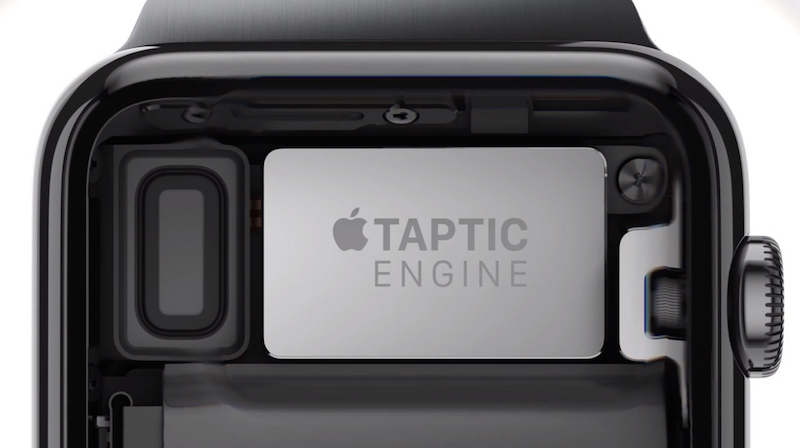
Apple introduced this specialized technology into its smartwatch lineup and flagship smartphones to enhance the digital user experience. However, Taction Technology maintained that the engineering behind these specific tactile modules directly infringed on two of its proprietary patents covering advanced haptics engineering.
The 5.5-Year Legal History: From 2021 to the Courtroom
The road to this legal outcome was long and filled with several turns within the court system. Here is a clear chronological breakdown of how the patent infringement conflict progressed:
- 2021 - Lawsuit Filed: Taction Technology officially filed suit against Apple, alleging that Apple's Taptic Engine infringed upon two of its specialized haptics patents without license or authority.
- 2023 - Initial Case Dismissal: Apple successfully convinced the court to dismiss the case early in the proceedings, temporarily ending the lawsuit.
- Circuit Court Revival: Taction Technology appealed the initial dismissal to the Federal Circuit Court of Appeals, which subsequently revived the lawsuit and sent it back for trial.
- September 14 - Trial Begins: The formal jury trial commenced in federal court, bringing forward technical arguments and product testing data from both legal teams.
- Deliberation Phase: Seven selected jurors listened to evidence and deliberated over two full days following the conclusion of proceedings.
- Friday Verdict: The jury returned a verdict firmly in favor of Taction Technology, awarding $5.7 billion in financial damages.
This prolonged legal fight demonstrates how complex patent litigation can become when dealing with advanced hardware components built into global consumer products.
Inside the Jury Deliberation and Trial Findings
The trial began on September 14 in the U.S. District Court for the Southern District of California. Seven dedicated jurors evaluated evidence presented over weeks of trial arguments before entering two full days of deliberation.
When the jurors returned on Friday, they delivered a unanimous decision finding that Apple had indeed infringed upon two valid patents owned by Taction. The substantial $5.7 billion damage figure reflects the massive scale of Apple device sales that feature the Taptic Engine technology, including millions of Apple Watches and iPhone units shipped around the world.
Despite the massive financial penalty, the jury reached a critical nuance regarding intent. Jurors did not find that Apple infringed upon Taction's patents willfully. In patent litigation, a finding of willful infringement can lead to treble damages, which could have tripled the financial penalty even further. By ruling that the infringement was not willful, the jury restricted the penalty purely to the determined damages figure.
Apple's Response: Disagreement and Plans for Appeal
Unsurprisingly, Apple expressed strong opposition to the jury's decision and immediately signaled its intention to push the case into the appeals process. The company maintains that its hardware design is distinct from the technology owned by Taction.
In an official statement released to the press following the verdict, Apple stated:
"While we thank the jury for their consideration, we strongly disagree with today's verdict and the damages awarded, which are entirely unsupported by the facts. Apple's Taptic Engine is fundamentally different from Taction's technology, which Taction's own testing of Apple's products confirmed during trial. Apple does not use Taction's technology, and we will appeal."
Apple's legal defense heavily rested on hardware comparisons and testing data presented during trial. Apple argued that Taction's own technical evaluations demonstrated fundamental functional differences between the proprietary patents and Apple's real-world Taptic Engine design.
Taction Technology Celebrates Court Vindication
For Taction Technology, the verdict represents a significant legal victory after pursuing claims against one of the largest technology companies in the world for over five years.
Speaking to news outlets following the verdict, Taction's lead counsel Lance Yang shared the company's relief and satisfaction with the jury's conclusion:
"We're happy the jury found for Taction and vindicated its patent rights. Taction waited five and a half years for this case to get to trial, so it was a long time coming."
The outcome highlights the determination required by specialized technology developers looking to protect their intellectual property rights through the court system against global hardware manufacturers.
What Lies Ahead in the Appeals Process?
While the $5.7 billion verdict is a major milestone in this Apple haptic patent lawsuit, the legal battle is far from over. Apple's confirmed appeal means the case will now move back up to higher federal courts for further review.
During an appeal, appellate judges will review whether the district court judge properly instructed the jury, whether evidence was admitted correctly, and whether the legal standard for patent infringement was applied properly. Large monetary judgments in patent cases are frequently subjected to long post-trial motions and lengthy appellate reviews, which can sometimes take months or years to reach a final resolution.
Key Factors to Watch in the Upcoming Appeal
- Damage Calculation Review: Appellate courts frequently scrutinize large damages figures to determine whether the monetary calculation directly matches the economic value of the specific patented components.
- Hardware Testing Interpretation: Apple will likely emphasize its claim that trial testing proved the fundamental differences between its Taptic Engine and Taction's patents.
- Final Settlement Possibilities: In many major corporate patent disputes, massive initial verdicts serve as a catalyst for out-of-court financial settlements while appeals remain pending.
Summary of Key Lawsuit Takeaways
To wrap up the most important details of this court judgment, here is a quick overview of where things stand:
- Total Awarded Damages: $5.7 billion awarded to Taction Technology by a federal jury.
- Patents Involved: Two specific patents covering advanced haptic feedback tech.
- Products Affected: Devices incorporating Apple's Taptic Engine, specifically Apple Watches and iPhones.
- Jury Finding on Intent: Infringement was found to be non-willful.
- Current Status: Apple strongly disagrees with the ruling and is officially preparing an appeal.
Tag: Apple Lawsuits
This article, "Apple Ordered to Pay $5.7 Billion Over Haptic Patent Infringement" first appeared on MacRumors.com
Discuss this article in our forums
As this historic Apple haptic patent lawsuit progresses into the appellate stage, the tech industry will closely monitor how higher federal courts handle the $5.7 billion judgment and what it means for future hardware innovation.
from MacRumors
-via DynaSage
