
Apple Announces 'Tap to Pay on iPhone' Availability in 8 More Countries
Apple has officialy expanded its payment services by bringing Tap to Pay on iPhone to eight additional countries across Latin America. This major rollout enables small businesses and large merchants alike to accept contactless payments using just an iPhone, eliminating the need for traditional point-of-sale terminal hardware.
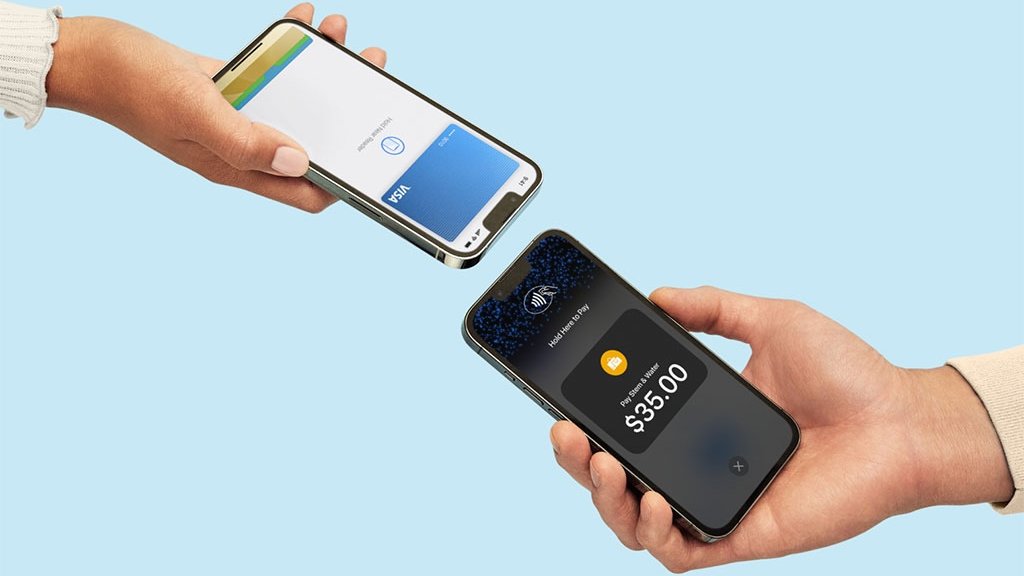
In a recent press update, Apple announced the launch of this popular feature in Argentina, Colombia, Costa Rica, the Dominican Republic, Guatemala, Honduras, Panama, and Peru. This update marks a significant milestone for regional payment infrastructure, allowing vendors to process digital transactions smoothly and securely.
Whether you run a local coffee shop, manage a boutique retail store, or operate a mobile service business, accepting payments on the go has never been easier. Below, we break down everything you need to know about this new expansion, how the technology works, and what it means for merchants and customers across these eight newly supported countries.
What Is Tap to Pay on iPhone and How Does It Work?
The feature known as Tap to Pay on iPhone allows merchants to use a compatible iPhone as a mobile payment terminal. Instead of renting or purchasing bulky credit card readers or specialized point-of-sale hardware, businesses can process physical transactions directly through an app on the merchant's iPhone.
When a customer is ready to buy a product or pay for a service, the merchant simply prompts them to hold their contactless payment method near the top of the merchant's iPhone. Within seconds, the payment is securely authorized and processed without physical contact or external card readers.
Supported Payment Methods
Customers living in or visiting these eight countries can complete purchases using a wide range of payment options. The technology supports virtually any standard contactless payment method, including:
- Contactless credit cards from major payment networks
- Contactless debit cards issued by participating banks
- Apple Watch devices linked to active digital wallets
- Customer iPhone models equipped with Apple Pay
- Other digital wallets and contactless payment options
This versatility ensures that customers do not need to carry physical cash or traditional swipe credit cards. As long as a payment method supports contactless tap technology, it can interact with the merchant's iPhone.
Which 8 Countries Are Getting Tap to Pay on iPhone?
Apple's latest regional rollout brings contactless payment technology directly to eight key markets in Latin America. Merchants across these nations can now take advantage of mobile payment collection without hardware barriers.
- Argentina: Businesses across Argentina can now accept digital transactions right on an iPhone, helping modern retail outlets and independent service providers transition to cashless solutions.
- Colombia: Merchants in Colombia gain access to streamlined payments, reducing setup costs for startups and micro-enterprises.
- Costa Rica: Costa Rican entrepreneurs and tourist-facing operations can accept seamless payments from international travellers and local residents alike.
- Dominican Republic: Local vendors and tourism businesses throughout the Dominican Republic can process card payments effortlessly.
- Guatemala: Small businesses and local markets in Guatemala gain a simple, reliable way to process electronic payments.
- Honduras: Honduran businesses can ditch legacy POS terminals and process payments directly through supported mobile applications.
- Panama: Financial and commercial enterprises in Panama can expand their payment flexibility with direct tap transactions.
- Peru: Peruvian merchants across major cities and regional markets can offer customers flexible, quick card tapping options.
Why Eliminating Point-of-Sale Hardware Matters for Businesses
Traditional point-of-sale hardware often presents a major barrier for micro-enterprises, mobile entrepreneurs, and small local shops. Traditional POS systems often involve high upfront hardware costs, ongoing equipment
from MacRumors
-via DynaSage
