
Apple Acquires Startup Working on 'Breakthrough Sensing Technology'
Apple has acquired California-based startup Sonera to bring revolutionary biomagnetic sensing technology to future wearable devices. This strategic acquisition could pave the way for major advancements in health tracking, neural signal monitoring, and accessibility features on consumer devices like the Apple Watch.
Why Apple Acquires Sonera for Next-Gen Wearable Innovation
Earlier this year, tech giant Apple completed a key deal to purchase Sonera, a California-based technology startup. The acquisition was officially confirmed according to a notice published on the European Commission's website. While Apple frequently acquires smaller tech firms to bolster its internal research, this specific transaction highlights the company's aggressive focus on next-generation health tracking capabilities.
When news broke that Apple acquires Sonera, hardware enthusiasts and health tech experts immediately took notice. Sonera specializes in cutting-edge sensor research that could alter how consumer electronics interact with human biology. By integrating Sonera's engineering team and intellectual property, Apple continues to push the boundaries of personal wellness technology.
The deal reflects Apple's broader long-term strategy of securing foundational hardware technologies before they reach mainstream adoption. Instead of relying on third-party suppliers, Apple prefers owning the underlying intellectual property for key health sensors. This approach gives the company full control over chip design, software integration, and user privacy standards.
What Is Sonera's Breakthrough Sensing Technology?
At the center of Sonera's research is a unique approach to gathering biological signals from the human body. Sonera previously announced that it had developed breakthrough sensing technology that non-invasively measures magnetic fields generated by the brain and body. This novel approach allows specialized hardware to detect microscopic magnetic fluctuations produced whenever nerves fire or muscles contract.
The core advantage of Sonera's innovation lies in its contact-free capabilities. The company noted that its technology can analyze neural data without direct skin contact, giving it a significant practical advantage over traditional electrical sensing techniques. Most existing bio-sensors require tight, unbroken contact with moist skin to detect faint electrical currents. Sonera's magnetic detection eliminates this strict physical requirement.
Because magnetic fields pass through human tissue, hair, clothing, and air with minimal distortion, biomagnetic sensors can read underlying nerve and muscle activity far more cleanly than surface electrical pads. This breakthrough opens up comfortable, non-intrusive form factors that were previously impossible with conventional biomedical hardware.
Understanding Biomagnetic Chips vs Electrical Sensing
To appreciate why Apple chose to acquire Sonera, it is helpful to contrast biomagnetic sensing with traditional electrical bio-sensors. Standard electrical sensing relies on electrodes placed directly against the skin to measure microvolt voltages. These electrical signals suffer from surface impedance, sweating, movement artifacts, and poor conductivity through hair or dry skin.
Biomagnetic chip technology operates on an entirely different physical principle. Rather than reading voltage drops on the skin surface, a biomagnetic chip measures tiny magnetic field variations emitted by active muscle fibers and neural pathways. This distinction creates several key engineering benefits for consumer devices:
- No Direct Skin Contact Needed: Sensing can occur through thin fabrics, air gaps, or loose-fitting wristbands without degrading signal clarity.
- Higher Signal Quality: Magnetic fields suffer far less distortion when traveling through biological tissue compared to electrical currents.
- Improved Daily Comfort: Users do not need tight, sweaty straps or conductive gel pads to maintain accurate biological monitoring over long periods.
- Broader Physical Placement: Sensors can be integrated into everyday objects, clothing, or wristbands without requiring precise anatomical alignment.
By solving the physical contact limitation, biomagnetic chip technology establishes a far more practical baseline for daily health monitoring. This makes it an ideal technology candidate for seamless consumer electronics.
Key Applications for Sonera's Biomagnetic Sensing Chip
Sonera's underlying technology was engineered for versatility across medical, athletic, and accessibility fields. Before being acquired, Sonera said it had developed a biomagnetic chip that would enable several transformative use cases. These core applications explain why major tech manufacturers are eager to adopt magnetic neural sensing:
- Advanced Prosthetics Control: Detecting muscle and neural intent through biomagnetic signals allows fine-motor movement control in prosthetic limbs without invasive implants.
- Continuous Monitoring of Neuromuscular Conditions: Patient progress and disease progression can be tracked continuously during daily routines without medical clinic visits.
- Discovery of Disease Biomarkers: High-precision magnetic reading of nerve signals helps researchers identify early physiological signs of neurological conditions.
- Sport Performance Tracking: Athletes can measure precise muscle activation patterns, muscle fatigue levels, and recovery curves in real time during training.
- New Classes of Consumer Wearables: Interactive user experiences can be driven naturally by subtle muscle gestures and subconscious physiological signals.
Each of these target use cases addresses a critical challenge in modern health tracking. By capturing continuous biomagnetic data, consumer wearables can provide deeper insights into human physical performance and neurological wellness.
How Apple Could Upgrade Apple Watch Health Features
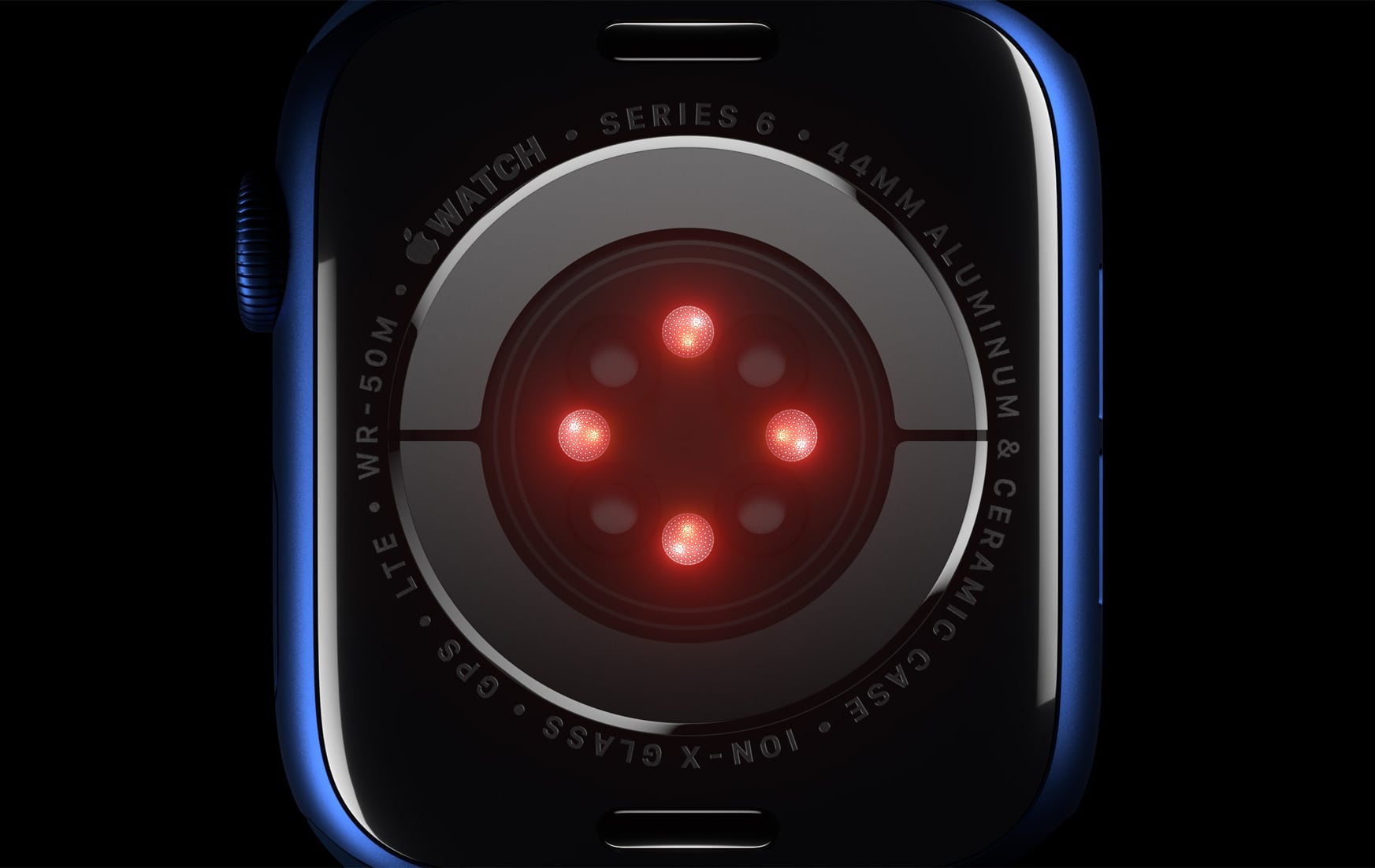
The decision when Apple acquires Sonera points directly toward future enhancements for the Apple Watch product lineup. Over the last decade, Apple has systematically added vital sign monitoring to its wrist-worn hardware, starting with basic optical pulse tracking and progressing to ECG electrocardiograms and fall detection. Incorporating biomagnetic hardware represents the natural next step in this evolutionary trajectory.
Future Apple Watch health features could leverage biomagnetic chips to monitor muscle readiness, physical exertion, and nervous system strain. Instead of estimating workout intensity purely through pulse rate, a biomagnetic sensor could directly observe individual muscle group activation. This would provide unprecedented depth for fitness tracking, strength training analytics, and athletic recovery recommendations.
In addition to health tracking, accessibility features stand to gain immense benefit from non-invasive neural data sensing. Apple has long led the consumer electronics industry in built-in accessibility controls, such as AssistiveTouch, which lets users control their watch via hand gestures. By utilizing Sonera's precise muscle activity detection, future devices could pick up subtle twitch signals or intent, allowing individuals with mobility impairments to navigate digital interfaces effortlessly.
Making Brain Activity as Easy to Measure as Heart Rate
One of the most ambitious claims from Sonera involves bringing complex brain and neural measurements into everyday life. "This proprietary technology holds the key to making brain activity as easy to measure as heart rate, temperature, and other physiological signals," said Sonera in a 2023 press release detailing its product milestones.
Historically, measuring brain activity required cumbersome EEG caps, conductive gel, and clinical laboratory settings. Sonera aimed to eliminate those barriers by engineering miniaturized magnetic sensors capable of operating in everyday environments. Simplifying brain and neural signal collection fundamentally changes how consumers monitor their mental stress, focus levels, and neurological baseline.
Furthermore, Sonera stated that its technology was "poised to enable an entirely new class of consumer wearables and experiences based on muscle activity." This vision aligns closely with Apple's goal of embedding seamless, unobtrusive health intelligence into everyday life. When neural data becomes effortless to collect, personalized health insights can become truly continuous and preventive.
How Non-Invasive Neural Data Senses the Human Body
Understanding non-invasive neural data sensing requires looking at how human biology generates readable physical signals. Every human movement, thought-driven action, and autonomic function relies on electrical impulses traveling along motor neurons to trigger muscle fibers. As electrical charges travel down these neural pathways, tiny biological magnetic fields are generated simultaneously.
Standard wearable sensors try to pick up electrical charges that diffuse across the skin. However, dry skin acts as an electrical insulator, making electrical reading erratic during motion or changing moisture levels. Sonera's magnetic approach measures the surrounding magnetic field lines directly, which pass cleanly through outer skin layers without resistance.
This biological physical reality allows biomagnetic chips to operate reliably regardless of whether a user is sweating, resting, or moving vigorously. Eliminating environmental interference is essential for consumer devices, where users expect flawless, continuous background monitoring throughout the day without constant manual calibration.
What Does This Mean for the Future of Apple Wearables?
While Apple has not officially announced specific product timelines incorporating Sonera's hardware, history suggests that acquired sensor technologies eventually surface in flagship products. The timeline for miniaturizing and mass-producing novel semiconductor chips usually spans several development cycles, meaning consumers may see these features in upcoming hardware generations.
By bringing Sonera's research team in-house, Apple secures a major technological moat against rival hardware makers. As smartwatches evolve beyond simple step counting and basic heart rate tracking, non-invasive biomagnetic monitoring could become the new industry benchmark for health management and natural user input.
Whether through finer athletic metric tracking, enhanced disease biomarker monitoring, or revolutionary hand gesture navigation, acquiring Sonera strengthens Apple's position as a dominant innovator in global digital health.
Regulatory Disclosures and Apple's Acquisition Strategy
The public revelation of this deal highlights how international regulatory frameworks illuminate major tech acquisitions. Regulatory disclosure rules under European jurisdiction ensure transparency when large tech corporations buy innovative early-stage startups within the global marketplace.
Apple's strategic acquisition pattern regularly targets focused engineering teams working on high-impact micro-electronics. Rather than buying established consumer brands, Apple targets specialized startups working on difficult physics and hardware challenges. Acquiring Sonera fits perfectly into this established corporate growth strategy.
As competition intensifies across personal health technology and ambient computing, acquiring proprietary hardware patents gives Apple a distinct advantage. Keeping this technology exclusive ensures that competing platform ecosystems cannot easily replicate Apple's future biomagnetic tracking capabilities.
Conclusion
The news that Apple acquires Sonera marks an exciting milestone for the future of wearable technology and digital health tracking. By obtaining Sonera's non-invasive biomagnetic chip technology, Apple gains a powerful tool to measure neural and muscle signals without requiring direct skin contact.
From advanced muscle fatigue tracking and disease biomarker research to groundbreaking accessibility controls, this technology holds vast potential. As Apple continues developing its hardware ecosystem, Sonera's biomagnetic innovations could soon bring non-invasive neural tracking directly to our wrists.
For more details on this development, check out the original report, Apple Acquires Startup Working on 'Breakthrough Sensing Technology', which originally appeared on MacRumors.com. You can also explore more coverage under the Apple Acquisition guide or join the conversation to Discuss this article with other technology enthusiasts in the community forums.
from MacRumors
-via DynaSage
