
Tim Cook Reflects on His Legacy in Final Weeks as Apple CEO
Tim Cook's Enduring Legacy: A Reflection on Leadership, Innovation, and Values at Apple
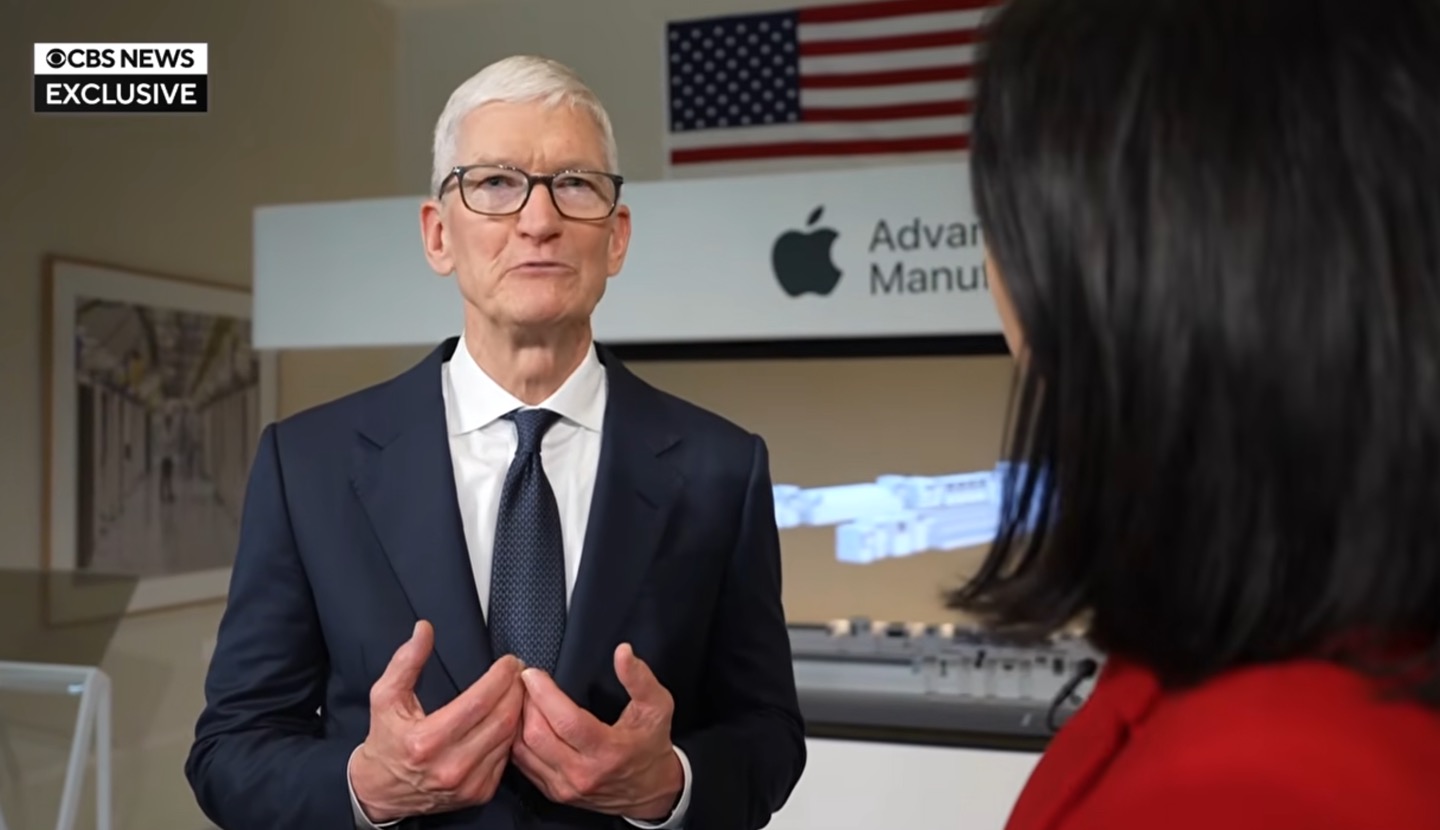
As Apple CEO Tim Cook prepares to step down from the helm of the world's most valuable company, the tech world pauses to reflect on a remarkable era. In a recent CBS News interview, conducted amidst the buzz of Apple's Advanced Manufacturing Center (AMC) opening in Houston, Texas, Cook was asked to define his legacy. His response offered a profound insight into his character and leadership philosophy:
"In my view, your legacy is described by others, not yourself. And so, I hope that people will say that I was a good and decent man. And if they say that at the end of the day, I will feel like I have achieved something."
This humble statement stands in contrast to the commonly cited legacy of his predecessor, Steve Jobs, which Cook himself once distilled into a single powerful word: "innovation." While Jobs was the visionary pioneer, challenging the status quo with revolutionary products, Cook emerged as the steady hand, the operations genius, and the moral compass who not only scaled Apple to unprecedented financial heights but also profoundly shaped its values and global impact. This look back examines how Cook upheld the mantle of innovation while carving out a distinct and impactful legacy defined by decency, sustainability, and a deep commitment to human values.
The Torchbearer of Innovation: From Steve Jobs to Tim Cook
When Tim Cook took over as CEO in 2011, he inherited a company synonymous with groundbreaking innovation, largely thanks to the indelible mark left by Steve Jobs. Jobs' singular focus on creating magical user experiences and challenging conventional wisdom had redefined industries from personal computing to music and mobile communication. Cook understood this legacy implicitly, often referencing Jobs' philosophy in his early years. Yet, his task was not merely to maintain but to evolve Apple's innovative spirit, transitioning from a founder-led visionary era to a more diversified, globally responsible corporate giant.
Steve Jobs' Vision: A Foundation of Innovation
Steve Jobs was a force of nature, a brilliant but often uncompromising leader whose perfectionism and intuitive understanding of consumer desires led to products that genuinely changed the world. The Macintosh, the iPod, the iPhone, and the iPad were not just new gadgets; they were cultural phenomena, each a testament to Jobs' relentless pursuit of simplicity, elegance, and user-centric design. His ability to anticipate future trends and weave disparate technologies into a seamless, aesthetically pleasing whole was unparalleled. Jobs taught the world that technology could be beautiful, personal, and profoundly empowering. His legacy was built on audacity, on saying "no" a thousand times to focus on the one perfect idea, and on fostering a culture where design and engineering converged to create something truly magical. Cook, having worked closely with Jobs for years, internalized these principles, understanding that the core DNA of Apple – its commitment to excellence and user experience – had to remain paramount, even as the company grew exponentially.
Cook's Evolution of Innovation
Under Tim Cook, Apple's innovation trajectory shifted, perhaps becoming less about disruptive, entirely new product categories (though some certainly emerged) and more about expansion, refinement, and ecosystem mastery. Cook steered Apple into robust new markets, most notably the services sector. The App Store, Apple Music, iCloud, and Apple TV+ became significant revenue drivers, transforming Apple from primarily a hardware company into a powerful services provider with recurring revenue streams. This strategic pivot significantly diversified Apple's business model and cemented its sticky ecosystem. Furthermore, Cook oversaw the introduction of wildly successful new hardware categories like the Apple Watch, which pioneered the mainstream wearable market, and AirPods, which redefined wireless audio. These products, while innovative in their own right, also deeply integrated into Apple's existing ecosystem, enhancing the user experience across all devices. Cook’s innovation was often characterized by meticulous execution, supply chain optimization, and a focus on making existing technologies more accessible, powerful, and seamless for the everyday user, pushing the boundaries of what was possible within Apple's established framework while expanding its reach and influence globally.
Beyond Products: Cook's Defining Principles
While product innovation remained a core tenet, Tim Cook's tenure also saw Apple championing a broader set of values that went beyond mere commercial success. His focus on ethical leadership, environmental responsibility, privacy as a fundamental human right, and diversity truly set his era apart. These principles became woven into the fabric of Apple's corporate identity, distinguishing it in a competitive and often controversial tech landscape.
A Good and Decent Man: Personal Values in Leadership
Cook’s hope that he will be remembered as "a good and decent man" speaks volumes about his personal priorities and leadership style. In a corporate world often criticized for ruthless pursuit of profit, Cook consistently brought a sense of moral responsibility to Apple's operations. This wasn't merely about PR; it manifested in concrete actions and public stances. For Cook, decency meant ethical sourcing, fair labor practices, and taking a stand on pressing social issues, even when it proved controversial or inconvenient. He fostered a culture within Apple that emphasized respect, transparency, and integrity. This approach humanized the tech giant, making it clear that its leadership believed in using its immense power and influence for positive societal change, beyond just selling devices. His quiet, yet firm, moral leadership became a hallmark of his time, influencing not only how Apple operated but also setting a precedent for other global corporations.
Environmental Stewardship and Sustainability
Perhaps one of the most transformative aspects of Cook's legacy is Apple's aggressive pursuit of environmental sustainability. Under his leadership, Apple committed to ambitious goals, including becoming carbon neutral across its entire manufacturing supply chain and product lifecycle by 2030. This wasn't a superficial effort but involved deep changes: powering all Apple facilities with 100% renewable energy, designing products with recycled and renewable materials, and pushing suppliers to adopt similar green practices. Apple launched groundbreaking initiatives like its closed-loop recycling program, aiming to eventually manufacture products using only recycled or renewable materials. Cook understood that a company of Apple's scale had a unique responsibility to protect the planet, and he leveraged Apple's influence to drive change across its vast global network. This unwavering commitment positioned Apple as a leader in corporate environmentalism, demonstrating that economic success and ecological responsibility are not mutually exclusive but deeply interconnected.
Privacy as a Fundamental Human Right
In an age where user data is often commodified, Tim Cook stood firm on Apple's position that privacy is a fundamental human right. He consistently advocated for stronger privacy protections, famously stating that "privacy is a civil liberty." This stance led to significant product features like App Tracking Transparency (ATT), which empowers users to decide whether apps can track their activity across other apps and websites. Apple also pushed for on-device processing and robust encryption, often drawing criticism and even legal challenges from governments and law enforcement agencies. Cook remained unyielding, arguing that weakening encryption for a few would compromise the security of everyone. This unwavering commitment to user privacy became a core differentiator for Apple, building trust with its customers in an era of increasing data breaches and surveillance concerns. It was a strategic decision that reinforced Apple's brand as a guardian of its users' digital lives, not just a seller of premium devices.
Diversity, Inclusion, and Accessibility
Cook also championed diversity, inclusion, and accessibility within Apple and beyond. He frequently spoke about the importance of a diverse workforce, reflecting the global customer base Apple serves. Under his leadership, Apple made concerted efforts to increase representation across all levels of the company, from executive leadership to engineering teams. Furthermore, Apple made significant strides in product accessibility, ensuring that its devices and software were usable by people with various disabilities. Features like VoiceOver, Magnifier, and AssistiveTouch became integral parts of the user experience, demonstrating Apple's belief that technology should empower everyone. Cook understood that true innovation means building products that cater to the needs of all individuals, and that a diverse workforce inherently fosters more innovative and inclusive solutions. This focus on human dignity and equal opportunity became another pillar of his progressive leadership.
American Manufacturing and Economic Impact: The Houston AMC
The opening of Apple's Advanced Manufacturing Center (AMC) in Houston, Texas, serves as a powerful symbol of Tim Cook’s commitment to domestic investment and job creation. This initiative is not an isolated event but rather a continuation of Apple's broader strategy to bolster American manufacturing, contribute to local economies, and foster technological advancement within the United States. It's a tangible manifestation of Apple's corporate citizenship under Cook, showing a dedication to giving back to the country where it was founded.
A Strategic Investment in Domestic Production
The Houston AMC represents a significant strategic investment. For years, Apple has faced scrutiny over its reliance on overseas manufacturing. Under Cook, the company has made deliberate efforts to bring more production and supplier investment back to the United States. This includes the new facility, which is expected to create thousands of highly skilled jobs, ranging from engineering to advanced manufacturing roles. By establishing advanced centers like the one in Houston, Apple aims to develop cutting-edge manufacturing processes, reduce lead times, and enhance supply chain resilience. This move is not just about assembly; it's about pioneering new techniques and fostering innovation directly on American soil, ensuring that the U.S. remains at the forefront of technological production and not just consumption. It's a testament to Cook's long-term vision for a more diversified and geographically balanced global supply chain.
Reinvigorating American Industry
The economic ripple effect of such an investment extends far beyond Apple's direct employment. The Houston AMC is expected to stimulate local economies, attracting related industries and fostering a vibrant ecosystem of suppliers and service providers. This kind of investment by a major tech company can act as a catalyst for regional economic growth, driving innovation in manufacturing techniques and encouraging talent development. Apple's partnerships with educational institutions, including community colleges and universities, often accompany these initiatives, ensuring a pipeline of skilled workers ready for the jobs of the future. By investing in advanced manufacturing, Apple is helping to re-establish the U.S. as a powerhouse in high-tech production, combating the trend of manufacturing jobs moving offshore. It underscores a belief that manufacturing can be a source of national pride and economic strength, particularly when it integrates advanced robotics, AI, and automation.
A Testament to Long-Term Vision
The Houston AMC aligns perfectly with Tim Cook's broader philosophy of responsible corporate citizenship. He has consistently advocated for policies that support American workers and businesses, recognizing that Apple's success is intertwined with the prosperity of the communities it operates in. This investment is not a short-term gamble but a long-term commitment, reflecting Cook's strategic foresight and his dedication to building a sustainable future for Apple that benefits all stakeholders. It showcases a leader who thinks beyond quarterly earnings, focusing on impact, community, and the national interest. The facility stands as a tangible marker of a CEO who understood that a company of Apple's stature has a role to play in national economic development, leveraging its resources to create opportunities and foster innovation at home.
The Business Maestro: Apple Under Cook's Helm
Beyond his ethical and environmental stances, Tim Cook's tenure will undoubtedly be remembered for its astonishing financial success. He took a company that was already immensely valuable and propelled it to unimaginable heights, transforming it into the world's first multi-trillion-dollar enterprise. This financial prowess was not accidental but the result of Cook's exceptional operational acumen, strategic diversification, and steady hand in navigating complex global challenges.
Unprecedented Growth and Financial Success
Under Cook's leadership, Apple's market capitalization soared, reaching and repeatedly surpassing the $1 trillion, $2 trillion, and even $3 trillion marks at various points. This unprecedented growth was driven by consistent, robust sales of flagship products like the iPhone, which continued to evolve and capture market share globally. However, a significant part of this success also came from Cook's strategic expansion into services. He masterfully transitioned Apple to a dual-engine growth model, where services revenue grew dramatically, providing a stable, high-margin stream of income that diversified the company's financial base away from sole reliance on hardware cycles. This strategic pivot was crucial for maintaining growth and investor confidence, solidifying Apple's financial health and ensuring its dominance in the tech industry for years to come. Dividends and share buybacks also returned significant value to shareholders, reflecting Cook's strong focus on investor returns.
Navigating Global Challenges
Cook's tenure was not without its trials. He deftly navigated numerous global challenges, including intense supply chain disruptions during global pandemics, increasing geopolitical tensions, and growing antitrust scrutiny from governments worldwide. His operational genius, honed over decades as Apple's COO, was instrumental in maintaining resilient supply chains, minimizing disruptions, and ensuring products reached customers even during the most challenging times. He also faced the delicate task of balancing global expansion with national sensitivities, adapting Apple's strategies to diverse markets while maintaining its core brand identity. Furthermore, Cook positioned Apple to respond proactively to antitrust concerns, advocating for a balanced regulatory environment that fosters competition without stifling innovation. His leadership demonstrated a remarkable ability to steer a massive, complex organization through turbulent waters, maintaining its innovative edge and financial stability amidst an ever-changing global landscape.
The Nature of Legacy: A Leader's Reflection
Tim Cook's reflection on legacy – that it is "described by others, not yourself" – offers a poignant conclusion to his time at Apple. It's a statement imbued with humility and a deep understanding of the long-term impact of leadership. His hope to be remembered as "a good and decent man" rather than focusing on financial milestones or product launches underscores a values-driven perspective that has increasingly defined his public persona and Apple's corporate ethos.
Self-Perception vs. Public Judgment
Cook’s statement elegantly captures the essence of how leaders are truly remembered. While CEOs and founders often focus on tangible achievements – market share, product innovations, revenue figures – the public's judgment, the ultimate measure of legacy, often delves deeper. It encompasses character, integrity, and the ethical footprint left behind. For Cook, a man who stepped into the gargantuan shoes of an iconic visionary, this self-effacing perspective is particularly telling. It reveals a leader who understands that in an era of heightened corporate accountability, how a company conducts itself, and the values its leader embodies, can resonate more profoundly than any product announcement. His emphasis on "good and decent" suggests that, despite leading one of the most powerful corporations on earth, his fundamental aspiration was to live up to a basic human standard of moral conduct, leaving a company that not only made great products but also tried to do the right thing.
A Standard for Future Leaders
Tim Cook's tenure sets a high standard for future corporate leaders. His legacy is a complex tapestry woven from unprecedented financial growth, a relentless pursuit of environmental sustainability, unwavering advocacy for user privacy, and a deep commitment to diversity and human decency. He demonstrated that it is possible to achieve extraordinary commercial success while simultaneously upholding strong ethical principles and making a positive societal impact. He showed that a leader can be both a shrewd business strategist and a thoughtful humanitarian. As Apple prepares for its next chapter, the foundation laid by Cook—one that balances innovation with integrity, and profit with purpose—will undoubtedly guide its path. He leaves behind not just a financially robust company, but one with a strengthened moral compass, having redefined what it means to lead a global tech giant in the 21st century.
Tim Cook's journey at Apple has been one of extraordinary stewardship. He not only preserved the innovative spirit instilled by Steve Jobs but also expanded Apple's mission to encompass a broader sense of corporate responsibility. His legacy, as others will describe it, is likely to be that of a leader who was not only brilliant in business but also profoundly "good and decent," leaving an indelible mark on Apple and the world beyond.
This article, "Tim Cook Reflects on His Legacy in Final Weeks as Apple CEO" first appeared on MacRumors.com
Discuss this article in our forums
from MacRumors
-via DynaSage
