
Spatial Audio in CarPlay Now Rolling Out in Volvo Vehicles
Volvo has officially begun rolling out support for Spatial Audio in CarPlay, bringing surround-sound technology powered by Dolby Atmos to EX90 vehicles. This software update provides drivers with an immersive acoustic experience when using compatible vehicle hardware.
Volvo this week confirmed that Spatial Audio support in CarPlay, powered by Dolby Atmos, is now rolling out to EX90 models via a software update. This release marks an important advancement for high-end vehicle entertainment, giving drivers access to dynamic three-dimensional audio while navigating the road.
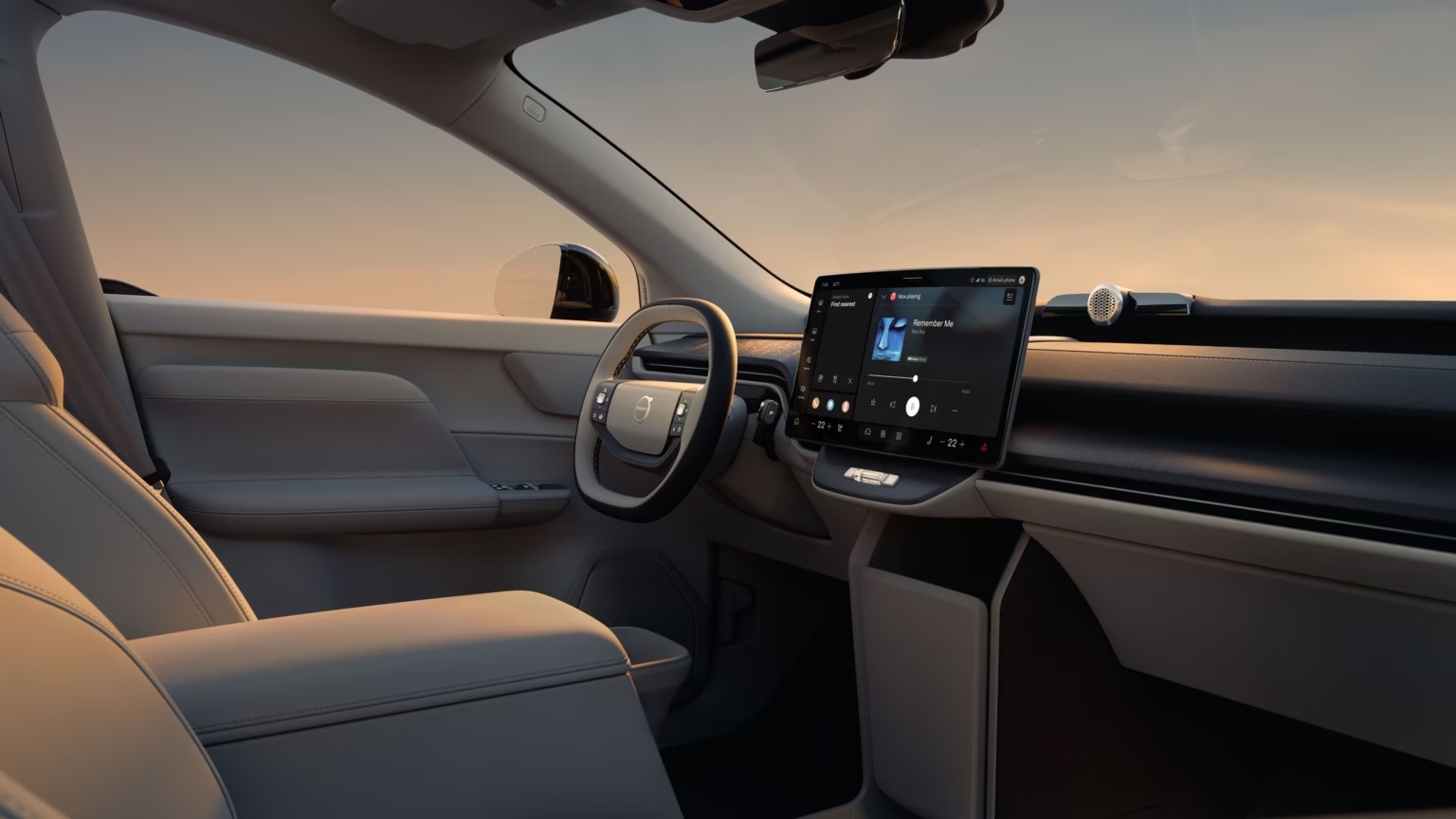
In-car listening has evolved significantly over the past decade, moving from standard stereo channels to rich surround-sound environments. By bringing Dolby Atmos into the vehicle cabin through Apple CarPlay, Volvo allows drivers to experience music with precise acoustic placement. Instrument details, vocal tracks, and ambient background elements can be heard from distinct angles around the listener.
The update relies on tight coordination between vehicle hardware and mobile software. When a driver connects a compatible smartphone running Apple CarPlay, the infotainment system processes multidimensional audio signals directly through the car speakers. This eliminates the need for complex physical media adapters or aftermarket equipment.
What Is Spatial Audio in CarPlay and How Does It Work?
Spatial Audio in CarPlay represents a major evolution in how digital music is delivered inside automobiles. Traditional stereo sound divides audio into two distinct channels: left and right. While stereo panning can create a sense of width, it remains limited to a flat horizontal plane.
Dolby Atmos technology expands upon conventional channel formats by treating sound as individual audio objects. Instead of restricting a instrument or voice to a specific speaker channel, sound engineers can place audio elements anywhere within a three-dimensional space. The audio system inside the vehicle then calculates how to render those objects accurately based on speaker placement.
When listening to tracks encoded with Spatial Audio in CarPlay, sound appears to move around and above the listener. Drums might feel anchored to the front dashboard, vocals can sound like they are hovering directly in front of the windshield, and subtle acoustic elements can resonate from behind the headrests. This creates a remarkably lifelike environment that mimics a live musical performance.
For drivers who spend extended periods on the road, enhanced sound clarity can reduce listener fatigue. Clearer separation between frequencies makes spoken word content, podcast channels, and musical arrangements far easier to process at lower volume levels. This delivers both acoustic comfort and exceptional sound reproduction during long commutes.
Volvo Software Update Details for EX90 Models
The rollout for Spatial Audio support is currently arriving on Volvo EX90 vehicles via a convenient software update. Modern connected vehicles use over-the-air deployment systems to deliver functional improvements, security patches, and media enhancements directly to the dashboard.
Volvo first detailed Spatial Audio plans earlier in the year during summer announcements. The initial disclosure in July highlighted how next-generation electric platforms would integrate advanced sound processing features. Today, EX90 owners are seeing those promises fulfilled as the update reaches active vehicles.
Installing the software update allows the vehicle system to properly interpret Dolby Atmos metadata sent through Apple CarPlay. Once the update completes, the car automatically negotiates spatial playback whenever compatible music services stream multi-channel tracks.
Because software updates are distributed in stages across different regional markets, availability may vary slightly depending on your location and carrier connection. However, the expansion signals a clear commitment from Volvo to continually refine the ownership experience through post-purchase digital enhancements.
Hardware Requirements: The Bowers & Wilkins Sound System
While software provides the decoding capability for Dolby Atmos sound, premium physical hardware is necessary to deliver true spatial fidelity. Volvo confirmed that Spatial Audio playback requires the optional Bowers & Wilkins sound system installed in the vehicle.
The Bowers & Wilkins audio setup is designed specifically for high-end acoustic environments inside luxury vehicles. It incorporates custom-engineered speaker placement, precise frequency separation, and high-performance amplifier technology to maintain clarity across all volume thresholds.
Key components of this specialized audio hardware configuration include:
- High-performance acoustic speakers strategically located throughout the cabin doors, pillars, and dashboard.
- Dedicated subwoofer units engineered to deliver tight, distortion-free low-frequency response.
- Advanced digital signal processing algorithms calibrated specifically to the internal room geometry of the cabin.
- High-power multi-channel amplifiers capable of handling dynamic spatial transients without signal clipping.
- Dedicated tweeter units placed to reproduce high-frequency detail with accurate spatial directionality.
Without the necessary hardware speaker density and processing headroom offered by the Bowers & Wilkins system, rendering three-dimensional spatial sound effectively would be impossible. The partnership between high-end hardware engineering and digital software ensures that listeners experience the exact spatial mix intended by music producers.
Vehicle Compatibility Across the Volvo Lineup
Volvo first detailed Spatial Audio for the EX60, EX90, and ES90 models in July. This multi-vehicle strategy underscores the automaker's effort to standardize premium media playback across its electric vehicle platform lineup.
While the initial software deployment targets the EX90 flagship SUV, owners of future models such as the EX60 and ES90 can look forward to similar software integration. These vehicles share modern architecture designed from the ground up to support high-speed data transmission and complex media processing.
Here is a quick overview of how the feature relates to Volvo model releases:
- Volvo EX90: Currently receiving the software update for Spatial Audio playback when equipped with Bowers & Wilkins audio hardware.
- Volvo EX60: Announced in July as part of the initial spatial listening roadmap, with software compatibility coming as production expands.
- Volvo ES90: Included in the primary announcement as a designated vehicle platform for Dolby Atmos integration via CarPlay.
By bringing Spatial Audio in CarPlay to these modern platforms, Volvo positions its electric fleet at the forefront of automotive digital media integration. As software updates expand to additional models, a broader group of luxury car buyers will gain access to spatial sound capability.
Why Dolby Atmos Matters for In-Car Audio Quality
Vehicles present unique challenges for audio engineers. Car interiors contain hard glass surfaces, dense upholstery, irregular physical angles, and background road noise. All of these factors can distort standard sound waves and degrade music reproduction.
Dolby Atmos helps overcome these spatial limitations through object-based audio rendering. Rather than relying on rigid left and right panning, the system adjusts playback based on the specific acoustic properties of the cabin interior. This allows spatial sound algorithms to project acoustic clarity directly to listener seating positions.
Furthermore, streaming services offering Spatial Audio in CarPlay deliver music tracks with higher overall dynamic range. Rather than compressing sound levels to play loudly over engine hum, spatial tracks maintain subtle nuances and quiet passages. When paired with effective cabin soundproofing, the listening environment rivals home theater setups.
Drivers can enjoy a wide variety of music genres rendered in Dolby Atmos. Orchestral pieces benefit from distinct instrument separation across the soundstage, live concert recordings place the listener right in the center of the audience, and modern electronic tracks utilize dynamic movement across all speaker channels.
How to Access Spatial Audio in CarPlay in Your Vehicle
Getting started with Spatial Audio in CarPlay on a supported vehicle requires a few basic configuration steps. Users must verify both hardware capability and system software versions before experiencing three-dimensional sound playback.
Follow these steps to ensure your system is properly set up for spatial playback:
- Confirm your vehicle model is an EX90 equipped with the optional Bowers & Wilkins sound system.
- Check your car system settings to download and install the latest over-the-air Volvo software update.
- Connect your Apple iPhone to the vehicle infotainment system using an approved lightning or USB-C cable, or via wireless CarPlay connection.
- Open a supported streaming application that offers Dolby Atmos tracks, such as Apple Music.
- Navigate to the audio settings inside your streaming app and confirm that Dolby Atmos playback is set to Automatic or Always On.
- Select a spatial audio playlist or album and begin playback through your car display dashboard.
Once connected, the infotainment dashboard will process the incoming multi-channel stream. You should immediately notice an enhanced sense of depth, with sound appearing to surround the driver seat effortlessly.
Over-the-Air Updates and the Future of Connected Cars
The addition of Spatial Audio support highlights how over-the-air updates have transformed vehicle ownership. In the past, adding new media features required purchasing a newer model year or visiting a dealership service department for expensive hardware retrofits.
Today, automotive manufacturers can send digital features directly to cars while they sit parked in owner driveways. Software patches can optimize battery efficiency, refine driver assistance features, update navigation maps, and introduce entirely new media capabilities like Dolby Atmos sound.
This software-defined vehicle model ensures that cars remain current long after they leave the showroom floor. For Volvo owners, receiving unexpected entertainment updates adds tangible value and improves overall customer satisfaction over the vehicle life cycle.
As cellular connectivity speed increases and vehicle computing chips become more powerful, we can expect even deeper integrations between mobile operating systems and car dashboards. Features that were once exclusive to dedicated media rooms are now becoming standard features inside luxury transportation.
Community Reactions and Online Discussions
Automotive enthusiasts and tech lovers have taken to online forums to share their excitement about the software release. Discussions focus on sound quality differences, software installation experiences, and comparisons between spatial tracks and standard stereo streams.
If you want to read community feedback or share your personal experiences with the new audio rollout, you can Discuss this article in the online forum threads. Connecting with other owners is a great way to discover optimal equalizer settings and recommended Dolby Atmos demo playlists.
You can also check out broader conversations covering connected vehicle technology by visiting the HomePod, HomeKit, CarPlay, Home & Auto Technology discussion boards. These online communities offer helpful troubleshooting advice, software tips, and early news regarding future automotive feature deployments.
Related Articles and Original Coverage
This news post references reporting originally published on tech media platforms covering mobile integration and vehicle electronics. This article, "Spatial Audio in CarPlay Now Rolling Out in Volvo Vehicles" first appeared on MacRumors.com.
Staying informed about software patches and platform upgrades helps drivers get the absolute most out of their vehicle tech investment. Whether you drive an electric SUV or a conventional sedan, keeping mobile devices and vehicle systems updated ensures optimal security and feature compatibility.
Summary of Volvo CarPlay Spatial Audio Features
To summarize the key points of this feature rollout, consider the following details:
- Feature Name: Spatial Audio in CarPlay (powered by Dolby Atmos).
- Manufacturer: Volvo Cars.
- Initial Vehicle Support: Volvo EX90 (with EX60 and ES90 included in future rollout plans).
- Hardware Prerequisite: Optional Bowers & Wilkins premium sound system.
- Delivery Method: Over-the-air software update sent directly to compatible vehicles.
- Primary Benefit: Multi-dimensional, three-dimensional acoustic playback inside the vehicle cabin.
Conclusion: Upgrading Your Drive with Spatial Audio
The integration of Spatial Audio in CarPlay powered by Dolby Atmos marks a major leap forward for in-car listening. By combining Bowers & Wilkins hardware with over-the-air software updates, Volvo has given EX90 drivers access to an unparalleled acoustic environment on wheels. As support expands to additional models like the EX60 and ES90, more drivers will be able to experience multi-dimensional sound on every trip.
from MacRumors
-via DynaSage
