
Siri AI Settlement: Apple Won't Begin Paying Customers Until Next Year
Apple's Siri AI Settlement: What iPhone Users Need to Know About the Upcoming $250 Million Payout
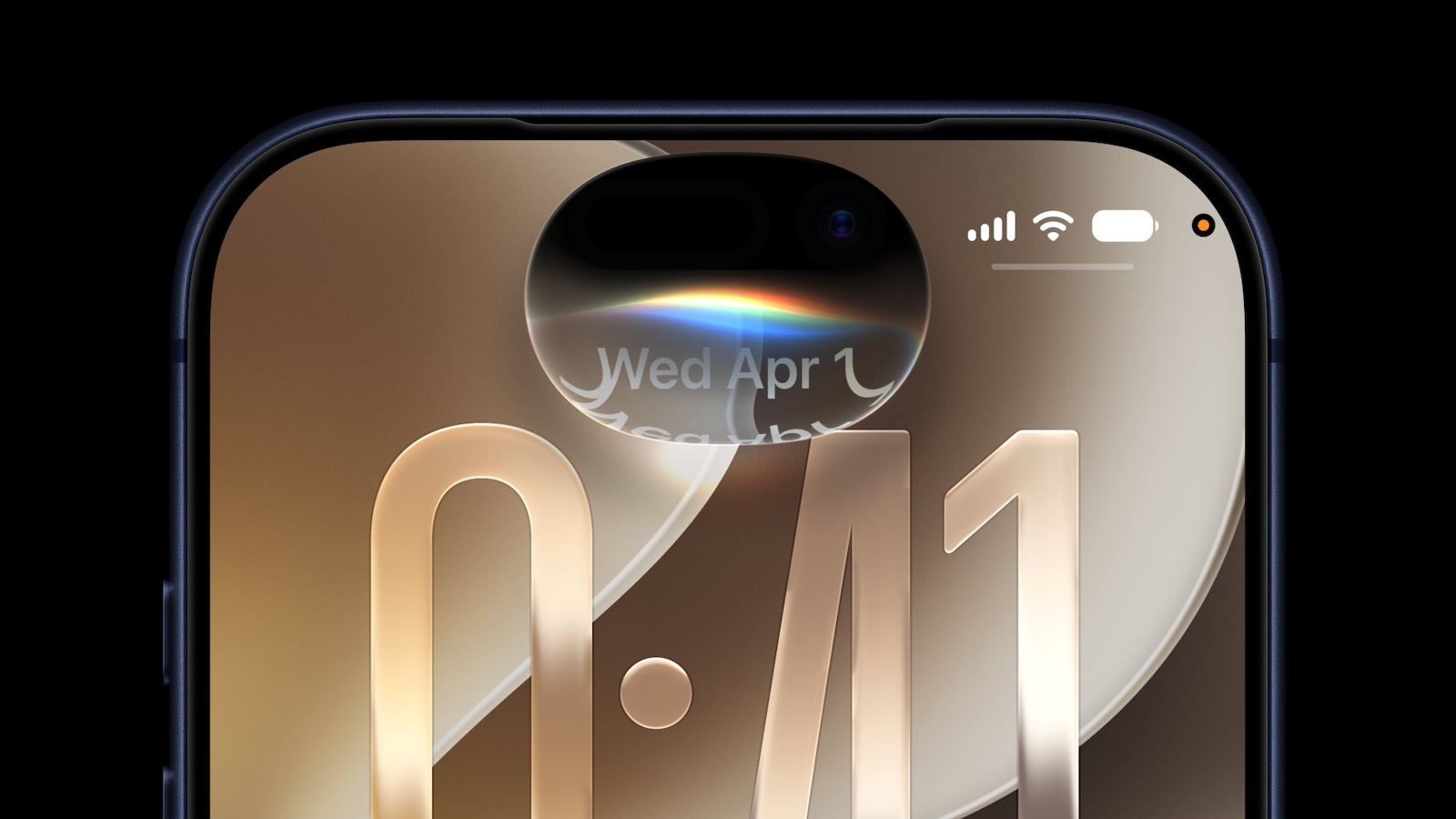 In an era defined by rapid technological advancements, the performance and reliability of our digital companions have become paramount. When these tools, especially those marketed by industry giants, fall short of expectations, consumers often seek redress. Such is the case with Apple's Siri AI, which has been at the center of a significant U.S. class action lawsuit regarding its "delayed launch" and perceived shortcomings. This lawsuit has now culminated in a substantial settlement, with Apple agreeing to pay $250 million. This monumental agreement means that many eligible iPhone users across the United States could soon be entitled to a payment of up to $95, a tangible acknowledgment of past frustrations.
The news of Apple's settlement broke in May when the tech titan publicly committed to the quarter-billion-dollar payout. This move received preliminary approval last month, marking a crucial step in the legal process. However, for those eager to see justice served and receive their potential compensation, patience remains key. According to a new court document, the final approval, which will greenlight the distribution of funds, is not anticipated until next year.
The judge overseeing this high-profile case recently solidified the timeline, setting the final approval hearing for February 24, 2027. This date is critical, as it signifies when the court will give its ultimate stamp of approval on the settlement terms. Following this, the administrative process of disbursing funds will commence, but even then, payments are not expected to begin for several months beyond that pivotal date. For now, the most important takeaway for potentially eligible customers is simple: no immediate action is required. The dedicated settlement website, where claims forms will eventually be made available, has yet to go live. We understand the anticipation surrounding this development and will continue to provide timely updates as new information emerges, ensuring you have all the details needed to navigate this process successfully.
Unpacking the Siri AI Lawsuit: The Roots of Consumer Discontent
To truly understand the gravity of Apple's $250 million settlement, it's essential to delve into the origins of the class action lawsuit. While the official court documents simply cite a "delayed launch" of Siri AI as the primary grievance, this phrase likely encapsulates a broader range of consumer disappointments and unfulfilled expectations surrounding Apple's intelligent assistant. When Siri was first introduced, it was heralded as a groundbreaking feature, promising intuitive voice control and advanced AI capabilities that would redefine how users interacted with their devices. However, over time, many users felt that Siri's development stagnated, failing to keep pace with evolving technology and the capabilities offered by competing AI assistants.
The "delayed launch" could refer to a variety of factors: perhaps core AI functionalities promised at an earlier stage were not delivered on time, or critical enhancements that would bring Siri up to par with rivals were slow to materialize. It might also reflect a collective sentiment that Siri's overall intelligence and utility did not evolve as rapidly as users expected, especially given Apple's vast resources and reputation for innovation. In a world increasingly reliant on smart assistants for everything from setting reminders to controlling smart home devices and providing real-time information, any perceived lag in performance or capability can quickly lead to widespread dissatisfaction.
What is a Class Action Lawsuit?
For many, the term "class action lawsuit" might sound complex, but its purpose is straightforward and powerful. A class action lawsuit is a type of litigation where one or more people sue on behalf of a larger group of people ("the class") who have suffered similar injuries or damages due to the same cause. In this instance, the "class" likely comprises a broad group of iPhone users who experienced similar issues related to Siri AI's performance or "delayed launch."
The primary advantages of a class action lawsuit are efficiency and accessibility. It allows many individuals with relatively small claims, which might not be economical to pursue individually, to band together and hold a powerful entity like Apple accountable. It consolidates numerous similar cases into a single lawsuit, making the legal process more manageable for both the plaintiffs and the courts. If the lawsuit is successful, as it appears to be with this settlement, any compensation is distributed among all eligible members of the class, offering a collective form of justice.
The $250 Million Settlement: A Statement from Apple
Apple's agreement to pay $250 million is a significant sum, even for a company of its immense financial stature. This figure suggests that the legal team representing the iPhone users presented a compelling case, highlighting substantial perceived damages or a credible threat of costly litigation should the case have proceeded to trial. A settlement of this magnitude typically indicates a company's desire to avoid the protracted expense, negative publicity, and unpredictable outcomes associated with a lengthy court battle. It's often a pragmatic business decision aimed at resolving legal disputes efficiently and moving forward.
From a consumer perspective, this settlement sends a powerful message: even the largest tech companies are accountable to their users. It reinforces the idea that product promises and performance expectations hold legal weight, and when they are not met, there can be financial repercussions. This isn't just about compensating users for past frustrations; it's also about influencing future product development and marketing strategies within the tech industry, potentially encouraging greater transparency and more diligent delivery on advertised features.
Who is Eligible? Understanding the Potential Payouts
The prospect of receiving "up to $95" is certainly enticing for many iPhone users. However, it's crucial to understand the nuances of eligibility and how the final payout amount will be determined. While the exact criteria for eligibility have not been fully disclosed with the preliminary approval, typical class action settlements involve specific conditions to define who qualifies as a member of the class. These conditions often include:
- Ownership of Specific iPhone Models: The lawsuit likely targets particular iPhone models that were available during the period when Siri AI's "delayed launch" issues were most prominent. It's improbable that every iPhone ever sold will be included.
- Purchase or Usage Dates: There will almost certainly be a defined timeframe during which users must have owned or used an eligible iPhone. For example, individuals who purchased an iPhone X between January 20XX and December 20YY.
- Residency: As this is a U.S. class action lawsuit, eligibility will be limited to residents of the United States.
- Proof of Ownership/Usage: While not always strictly required for smaller settlements, claimants may need to attest under penalty of perjury that they owned an eligible device. In some cases, serial numbers or purchase records might be requested for verification, though this is less common for broad consumer settlements where individual damages are relatively small.
Why "Up to $95"? Factors Influencing Your Payout
The phrase "up to $95" is standard in class action settlements and signals that the actual amount each eligible claimant receives can vary. Here's why:
- Number of Valid Claims: The total settlement fund is $250 million. From this, legal fees, administrative costs (for processing claims, sending notices, etc.), and other expenses are deducted. The remaining amount is then divided among all eligible class members who submit a valid claim. If a very large number of people submit claims, the individual payout amount will be lower. If fewer people claim, the individual payout could be higher, potentially reaching the maximum "up to $95."
- Tiered Payments: In some settlements, there might be different tiers of payouts based on the severity of the issue experienced, the duration of ownership, or specific models. For example, users of older iPhones might receive a different amount than users of newer models, or those who could demonstrate more significant impact from the "delayed launch." However, given the nature of a general "delayed launch" issue, a flat rate per eligible claimant is often more common.
- Proof of Claim: Some settlements require different levels of proof, with higher payouts for those who can provide more robust documentation of their claims or losses. For a case like Siri AI's "delayed launch," the primary "proof" will likely be simply owning an eligible device within the specified timeframe.
It's important for potential claimants to understand that the $95 is a ceiling, not a guaranteed sum. The final amount will depend on the administrative factors mentioned above. Therefore, staying informed about the settlement's progress and being prepared to submit a claim once the website goes live will be crucial for maximizing your chances of receiving compensation.
The Legal Road Ahead: From Preliminary to Final Approval
The journey of a class action lawsuit from initial filing to final payout is often a lengthy and complex one, governed by strict legal protocols designed to ensure fairness and due process for all parties involved. Apple's Siri AI settlement is currently navigating these very stages, with key milestones still on the horizon before any money reaches eligible iPhone users.
Preliminary Approval: A Green Light to Proceed
The news that Apple's settlement received "preliminary approval" last month was a significant step. Preliminary approval means that the presiding judge has reviewed the proposed settlement terms and has determined that they appear fair, reasonable, and adequate enough to proceed with notifying the class members. This stage is not a final endorsement of the settlement, but rather an authorization to move forward with the next critical phase: informing all potentially affected individuals about the settlement and their rights.
During the period following preliminary approval, settlement administrators typically send out notices to known class members via mail or email, and often publish notices in newspapers or on dedicated settlement websites. These notices explain the terms of the settlement, who is eligible, how to file a claim, and, importantly, how to object to the settlement or opt out of the class if an individual prefers to pursue their own separate legal action.
The Final Approval Hearing: February 24, 2027
The final approval hearing, scheduled for February 24, 2027, is the culmination of this extensive legal process. This is the forum where the judge will make the ultimate decision on whether to grant final approval to the settlement. At this hearing, the judge will meticulously review:
- Objections: Any objections filed by class members who believe the settlement is unfair or inadequate.
- Opt-Outs: The number of class members who chose to opt out of the settlement.
- Fairness and Adequacy: Whether the settlement is fair, reasonable, and adequate for the entire class, considering the strengths and weaknesses of the original lawsuit and the potential risks of going to trial.
- Legal Fees: The reasonableness of the attorneys' fees and administrative costs.
If the judge is satisfied that the settlement meets all legal standards and is in the best interest of the class, they will issue a final order and judgment, officially approving the settlement. This final approval is the green light for the settlement administrator to begin processing claims and preparing for payment distribution.
Why the Extended Timeline?
The lengthy timeline, stretching well into 2027, might seem frustrating for those awaiting compensation, but it's characteristic of large-scale class action lawsuits. Several factors contribute to these extended durations:
- Complexity of Notification: Identifying and notifying potentially millions of class members across the U.S. is an enormous logistical undertaking.
- Opportunity for Review and Objection: The law mandates a period for class members to review the settlement terms, object, or opt out, ensuring their rights are protected. This period alone can span several months.
- Court Calendar Congestion: Judges' schedules are often heavily booked, and scheduling significant hearings like final approval can take time.
- Administrative Overhead: After final approval, there's still a substantial administrative process involving setting up claim submission portals, verifying claims, calculating individual payouts, and distributing funds. This phase alone can take many months.
Therefore, while the wait may be considerable, it's part of a vital legal framework designed to ensure justice is administered fairly and correctly for all involved parties.
Siri's Journey: From Breakthrough to the Brink of a Lawsuit
The class action lawsuit over Siri AI's "delayed launch" isn't just about a specific legal technicality; it reflects a broader narrative about the evolution—or perceived lack thereof—of one of Apple's most iconic features. Siri was a revolutionary concept when Apple first acquired it in 2010 and integrated it into the iPhone 4S in 2011. It was among the first widely available personal assistants, allowing users to interact with their phones using natural language. The initial excitement was palpable; advertisements showcased Siri's ability to answer questions, set alarms, send messages, and even tell jokes, all with the power of voice.
However, as years passed, many users felt that Siri struggled to keep pace with the rapidly evolving landscape of artificial intelligence. While competitors like Google Assistant and Amazon Alexa gained ground, offering more robust integrations, contextually aware responses, and greater versatility, Siri often appeared to lag. Critics and users frequently pointed to Siri's limitations: a tendency to misunderstand queries, an inability to handle complex multi-step commands, and a perceived lack of proactive intelligence. This growing gap between user expectations and Siri's real-world capabilities likely fueled the dissatisfaction that ultimately led to the class action lawsuit.
The "AI Winter" for Personal Assistants
The period following Siri's initial launch could be described as a mini "AI winter" for personal assistants, especially concerning their ability to truly understand context and perform complex tasks. While underlying AI technologies were progressing, the practical application in voice assistants seemed to hit a plateau. Users became increasingly aware that their smart assistants, including Siri, were excellent at simple, predefined commands but struggled significantly with nuance, conversational flow, or tasks that required connecting multiple pieces of information.
This stagnation became more pronounced with the explosion of generative AI models in the mid-2020s, exemplified by technologies like ChatGPT. The ability of these new models to generate human-quality text, summarize complex information, and even write code starkly highlighted the limitations of earlier, rule-based or more constrained AI assistants like Siri. Consumers, now exposed to incredibly advanced AI capabilities, naturally raised their expectations for what their iPhone's personal assistant should be able to do. The "delayed launch" complaint, in this context, can be interpreted as a frustration with Apple's perceived slowness in integrating these more advanced AI capabilities into Siri, failing to deliver on the promise of a truly intelligent and evolving personal assistant.
Apple's Renewed Focus on AI
It's worth noting that this settlement comes at a time when Apple appears to be significantly re-investing in its AI strategy. Recent reports and product announcements from Apple have emphasized a renewed commitment to artificial intelligence, with specific attention to on-device processing and more sophisticated AI models. The company is actively working to integrate advanced AI capabilities across its ecosystem, from enhancing photo editing and text summarization to, presumably, significantly upgrading Siri itself.
This renewed focus might be a direct response to competitive pressures, consumer feedback, and indeed, legal challenges like the class action lawsuit. A major settlement could serve as a powerful catalyst, reinforcing the urgency for Apple to accelerate its AI development and ensure that future iterations of Siri not only meet but exceed user expectations. The financial cost of this lawsuit underscores the importance of delivering on product promises in the highly competitive and rapidly evolving world of artificial intelligence.
What to Do Now: A Guide for Potential Claimants
For iPhone users who believe they might be eligible for a payout from the Siri AI settlement, the current advice is straightforward and crucial: no immediate action is required. This might seem counterintuitive when waiting for compensation, but acting prematurely or incorrectly could jeopardize your claim.
The Waiting Game: Patience is a Virtue
As the court document explicitly states, the final approval hearing is not until February 24, 2027, and payments will not commence until several months thereafter. This means there is a significant waiting period. During this time, the legal process will unfold, and the settlement administration will be put into place.
Key things to remember during this waiting period:
- Stay Informed: Continue to monitor reputable sources (like this blog post, official court websites, or MacRumors.com, where this article originated) for updates.
- Do Not Panic: There is no deadline to file a claim currently, as the mechanism for doing so has not yet been established.
- Keep Records (if applicable): While not explicitly stated, it’s always a good practice to keep any records of iPhone purchases or ownership during the relevant timeframe, should they be requested later. However, for most large consumer class actions, a simple affirmation of ownership is often sufficient.
The Settlement Website: Your Future Point of Contact
The core of the claims process will revolve around a dedicated settlement website. This website, once live, will serve as the official hub for all information related to the settlement, including:
- Official Eligibility Criteria: A definitive list of which iPhone models and purchase/usage dates qualify.
- Claims Form: An online form that eligible individuals will need to complete and submit to request their payout.
- Frequently Asked Questions (FAQs): Comprehensive answers to common questions about the settlement.
- Contact Information: Details for the settlement administrator, who can assist with inquiries.
- Important Dates: Clear deadlines for submitting claims, opting out, or objecting.
Once this website is active, detailed instructions will be provided on how to submit a claim. This process is typically user-friendly, designed to accommodate a large volume of claimants. It will likely involve providing your name, contact information, and attesting to your eligibility.
Beware of Scams and Misinformation
Whenever a large-scale settlement like this is announced, there's an unfortunate rise in fraudulent activity. Scammers may try to capitalize on people's eagerness for a payout by:
- Sending Phishing Emails: Emails disguised as official settlement notices, asking for personal information, bank details, or even small "processing fees."
- Creating Fake Websites: Websites designed to look legitimate, but which are actually collecting personal data for malicious purposes.
- Making Unsolicited Calls: Calls demanding immediate action or payment to secure your settlement.
To protect yourself:
- Verify Sources: Always confirm information from official court documents or the official settlement website (once it's announced via legitimate channels).
- Never Pay for a Claim: Legitimate settlement administrators will never ask you to pay a fee to receive your compensation.
- Do Not Share Sensitive Information: Be wary of requests for Social Security numbers, bank account details, or credit card numbers, especially if unsolicited.
Remember, the official settlement website with a claims form has yet to go live. Any communication you receive claiming to be from the settlement administrator before this official launch should be viewed with extreme skepticism.
Broader Implications for Apple and the Tech Landscape
The Apple Siri AI settlement extends far beyond the immediate financial payout to eligible iPhone users. It carries significant implications for Apple itself, for the broader tech industry, and for the future relationship between consumers and the companies that develop their digital tools.
Accountability and Consumer Trust
For Apple, a company that prides itself on delivering premium, high-quality products, a quarter-billion-dollar settlement over a core feature like Siri AI is a moment of reflection. While the company has not admitted wrongdoing as part of the settlement, the financial outlay serves as a public acknowledgment of widespread user dissatisfaction. This situation underscores the critical importance of continuously meeting user expectations, especially in rapidly evolving fields like artificial intelligence.
Such a settlement can subtly erode consumer trust if not handled transparently and followed by clear improvements. Conversely, a fair and efficient claims process, coupled with significant advancements in Siri's capabilities, could help Apple restore faith among its user base. It reinforces the idea that companies are accountable for the performance of their products, not just their marketing.
Setting Precedents in the AI Era
This lawsuit, centered on the "delayed launch" or perceived underperformance of an AI assistant, could set an important precedent for the tech industry. As artificial intelligence becomes increasingly integrated into every aspect of our lives, the line between product promises and delivered functionality will become a significant area of legal scrutiny. This settlement signals that developers of AI products may face legal challenges if their offerings do not live up to reasonable consumer expectations or advertised capabilities.
Other tech giants, currently investing billions in AI development, will undoubtedly observe this outcome closely. It might encourage them to be more cautious in their marketing claims for AI products, prioritize robust testing, and ensure continuous, transparent development to avoid similar legal entanglements. It could foster an environment where "AI ethics" extends beyond just data privacy to include the tangible performance and reliability of AI features.
The Future of Siri and Apple's AI Strategy
This lawsuit and settlement arrive at a pivotal moment for Apple's AI strategy. With the explosive growth of generative AI, Apple has been under increasing pressure to demonstrate its prowess in the AI space. Recent reports indicate Apple is making substantial investments in on-device AI and is preparing to unveil significant AI enhancements across its ecosystem. This settlement could act as a further impetus, accelerating Apple's efforts to ensure Siri is not just functional but truly intelligent, proactive, and competitive with the best AI assistants on the market.
The future of Siri is likely to involve deeper integration with Apple's operating systems, more context-aware interactions, and the ability to handle more complex, multi-modal queries. This settlement might serve as a reminder that the cost of inaction or perceived stagnation in AI development can be substantial, driving Apple to push the boundaries of what Siri can achieve, ultimately benefiting iPhone users in the long run.
Conclusion: Stay Informed, Be Patient, and Anticipate Change
The $250 million Siri AI settlement marks a significant moment for Apple and its vast user base. It underscores the power of collective consumer action and the legal system's role in holding even the largest corporations accountable. While the prospect of receiving up to $95 might be exciting, the key takeaway for all eligible iPhone users is the need for patience and vigilance. The legal process is methodical, and there are still several critical steps before any payments are made, with the final approval hearing not scheduled until February 24, 2027.
For now, no action is required from customers. The official settlement website and claims form are not yet live. When they do launch, it will be crucial to follow official instructions carefully and to be wary of any scams attempting to solicit personal information or fees. By staying informed through reliable sources, exercising patience, and being prepared to act when the official channels open, eligible iPhone users can ensure they receive their due compensation.
Beyond the individual payouts, this settlement also signals a broader shift in the tech landscape. It highlights the growing importance of AI performance, the weight of consumer expectations, and the increasing accountability faced by companies as their products become more integral to daily life. As Apple continues to evolve Siri and its broader AI strategy, this settlement will serve as a powerful reminder of the commitment required to deliver on the promise of truly intelligent and reliable digital companions.
This article, "Siri AI Settlement: Apple Won't Begin Paying Customers Until Next Year" first appeared on MacRumors.com
Discuss this article in our forums
from MacRumors
-via DynaSage
