
Samsung is Starting to Catch Up to Apple on Hearing Health
Samsung Galaxy Buds Step Up: A New Era for Hearing Health
In a significant development for personal technology and accessible healthcare, Samsung today announced that its innovative Galaxy Buds Hearing Aid feature has received clearance from the U.S. Food and Drug Administration (FDA). This landmark approval paves the way for advanced hearing aid capabilities to become available on Galaxy Buds devices in the fourth quarter of 2026. This move positions Samsung as a major player in the rapidly evolving market for over-the-counter (OTC) hearing solutions, offering a transformative option for millions seeking discreet and convenient hearing support.
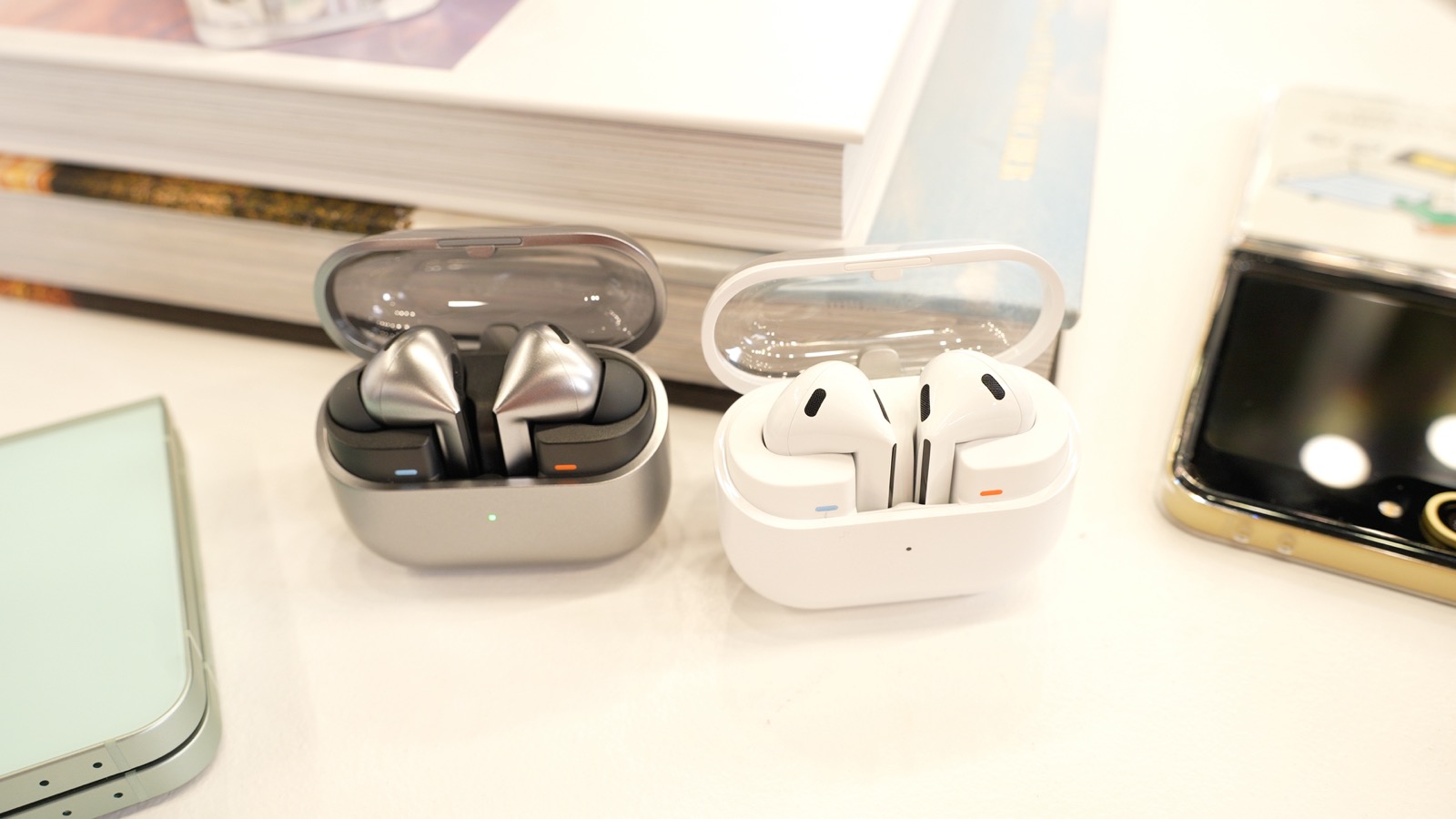
Samsung's entry into this space means it will join tech giant Apple in providing over-the-counter hearing aid functionality through consumer earbuds. Apple introduced its FDA-cleared hearing health feature to its AirPods back in 2024, enabling them to function as a clinical-grade hearing aid for individuals with mild to moderate hearing loss. With this announcement, Samsung is clearly aiming to provide a competitive and equally robust solution, integrating advanced audiological support directly into its popular wireless earbuds.
The Power of FDA Clearance: What It Means for You
Receiving FDA clearance is a critical milestone for any health-related technology, especially in a sensitive area like hearing. It signifies that the U.S. Food and Drug Administration has reviewed Samsung's data and determined that the Galaxy Buds Hearing Aid feature is safe and effective for its intended use. For consumers, this translates to trust and reliability. It means Samsung has met stringent regulatory standards, assuring users that they are getting a product designed with both technological prowess and medical integrity.
This clearance is particularly important in the context of over-the-counter (OTC) hearing aids. Historically, acquiring hearing aids involved costly visits to audiologists, professional fitting, and often, significant financial investment. The FDA's creation of the OTC hearing aid category aims to democratize access to hearing solutions, making them more affordable and readily available without a prescription or a visit to a specialist. Samsung's Galaxy Buds, with this new feature, will squarely fit into this new paradigm, offering a convenient alternative to traditional hearing aids for specific types of hearing loss.
The timeline for availability in Q4 2026 allows Samsung ample time for further refinement, manufacturing at scale, and potentially securing additional regulatory approvals in other markets. This phased rollout ensures that when the feature finally launches, it will be a well-tested and robust solution for users worldwide.
Transforming Hearing: How Galaxy Buds Will Help
Similar to Apple's AirPods, the Galaxy Buds with their new hearing aid feature are designed to address mild to moderate hearing loss. This range typically includes individuals who might struggle with understanding conversations in noisy environments, hearing whispers, or distinguishing high-frequency sounds like certain consonants or the chirping of birds. For many, this level of hearing loss often goes untreated due to stigma, cost, or the inconvenience of traditional hearing aid solutions. The Galaxy Buds offer a discreet and familiar form factor, blending seamlessly into daily life as regular earbuds while providing essential auditory support.
The Revolutionary Self-Administered Hearing Test
One of the most exciting aspects of Samsung's new offering, mirroring Apple's approach, is the introduction of a self-administered hearing test. This innovative feature will allow Galaxy Buds users to conduct a comprehensive hearing assessment themselves, right from their smartphone. The test is designed to be completed in approximately five minutes, offering an unparalleled level of convenience that eliminates the need for scheduling appointments with an audiologist or visiting a clinic.
Upon completion, the test generates a "clinical-grade audiogram." An audiogram is a visual representation of a person's hearing sensitivity across different sound frequencies. The term "clinical-grade" is crucial here, indicating that the results are precise and reliable enough to be used for personalized sound adjustments. This audiogram will then be used to fine-tune the built-in Hearing Aid feature on the Galaxy Buds, ensuring that the sound amplification and processing are precisely tailored to the user's specific hearing profile. This personalized approach means that the Galaxy Buds won't just amplify all sounds, but rather selectively boost the frequencies where the user experiences deficiency, providing a much more natural and effective listening experience.
Smart Amplification and Advanced Noise Control
The core functionality of the Galaxy Buds Hearing Aid feature revolves around intelligently amplifying sounds that users typically struggle to hear. This includes boosting high frequencies, which are often the first to be affected by age-related hearing loss, making speech sound clearer and more distinct. It also enhances soft sounds like whispers, ensuring that users don't miss out on subtle details in conversations or their environment. Imagine being in a quiet room and finally catching every word of a whispered secret, or clearly hearing the rustle of leaves that you previously might have missed – these are the types of everyday experiences the Galaxy Buds aim to restore.
Beyond simple amplification, the Galaxy Buds incorporate sophisticated noise elimination and beamforming technologies. Noise elimination actively works to identify and suppress unwanted background noise, creating a cleaner audio landscape. This is incredibly beneficial in challenging listening situations such as busy restaurants, bustling public spaces, or crowded family gatherings, where background chatter can easily overwhelm important sounds. Beamforming, on the other hand, allows the earbuds to focus their microphones on sounds originating from a specific direction, typically in front of the user. This "spotlight" effect helps to enhance speech coming from a conversation partner directly in front of you, while simultaneously reducing distractions from the sides and behind. Together, these technologies significantly improve speech intelligibility and overall listening comfort, making conversations easier and less fatiguing.
Collaborative Innovation: The Science Behind Samsung's Feature
Developing a medical-grade hearing solution within a consumer electronics device is no small feat. Samsung emphasizes that it did not embark on this journey alone. The company collaborated with two highly respected institutions: the National Acoustic Laboratories (NAL) and the Samsung Medical Center. This interdisciplinary approach highlights Samsung's commitment to ensuring both the technological excellence and medical efficacy of its hearing aid feature.
The National Acoustic Laboratories (NAL), based in Australia, is a globally recognized research organization dedicated to hearing science and technology. Their expertise in audiology, acoustics, and hearing aid research would have been invaluable in designing the sound processing algorithms, conducting thorough testing, and ensuring the feature's effectiveness across various hearing loss profiles. NAL's involvement lends significant scientific credibility to the Galaxy Buds' capabilities, reassuring users of the feature's robust development.
Concurrently, the Samsung Medical Center played a crucial role in validating the feature from a clinical perspective. Medical centers are essential for conducting clinical trials, ensuring patient safety, and verifying the real-world impact of health technologies. Their involvement would have ensured that the Galaxy Buds Hearing Aid feature meets appropriate medical standards, is safe for long-term use, and delivers tangible benefits to individuals with hearing loss. This blend of cutting-edge technology from Samsung, acoustic science from NAL, and clinical validation from Samsung Medical Center underscores the comprehensive and rigorous development process behind this groundbreaking feature.
Supported Devices: Getting Ready for the Future
For those eager to experience these new hearing capabilities, Samsung has specified which devices will support the feature. The Hearing Aid features will be available on the Galaxy Buds3 Pro and the Galaxy Buds4 Pro. This indicates that these specific models likely possess the necessary advanced hardware, such as enhanced microphones, more powerful processing chips, and perhaps specialized acoustic designs, to effectively implement and run the complex algorithms required for clinical-grade hearing assistance. Users with older Galaxy Buds models may need to upgrade to these Pro versions to access the functionality.
In addition to the specific earbud models, a compatible Samsung Galaxy smartphone is also required. Specifically, a newer Samsung Galaxy smartphone that supports One UI 8 or later is essential. One UI is Samsung's customized Android user interface, and version 8 or later will integrate the necessary software frameworks and processing power to manage the hearing test, personalize the audio settings, and seamlessly control the hearing aid features within the Galaxy Buds. This deep integration between the smartphone and the earbuds ensures a smooth, intuitive user experience, leveraging the processing capabilities of the phone for complex tasks while using the earbuds for audio input and output.
The Race for Hearing Health: Samsung vs. Apple
Samsung's announcement solidifies the trend of major tech companies entering the hearing health market, previously dominated by specialized medical device manufacturers. Apple made its move earlier, adding an FDA-cleared hearing health feature to its AirPods in 2024 with the introduction of iOS 18.1. This gave Apple a two-year head start in offering clinical-grade hearing aid functionality directly through its popular earbuds.
However, Samsung appears to be rapidly catching up. The announced features for the Galaxy Buds – including the self-administered hearing test, personalized audiogram adjustments, smart amplification for high frequencies and whispers, and advanced noise elimination with beamforming – closely mirror the capabilities offered by Apple's AirPods. This direct competition is excellent news for consumers, fostering innovation and pushing both companies to deliver even better, more accessible hearing solutions.
Apple has already demonstrated the potential global reach of this technology, having expanded availability of its hearing features to over 150 countries and regions since its initial U.S. introduction. While Samsung's initial announcement focuses on U.S. FDA clearance, it's highly probable that the company will follow a similar strategy, working to secure regulatory approvals in other markets to make the Galaxy Buds Hearing Aid feature available to a global audience. This competitive landscape means more choices, more innovation, and potentially more affordable solutions for individuals worldwide grappling with mild to moderate hearing loss.
A Broader Impact: The Future of Personal Health Technology
The entry of tech giants like Samsung and Apple into the hearing aid market represents a significant shift in how hearing loss is addressed. It moves hearing assistance out of specialized medical settings and into the mainstream of consumer electronics, effectively destigmatizing the use of hearing aids. When a product as ubiquitous and stylish as wireless earbuds can double as a hearing aid, the perceived barrier to adoption significantly lowers.
This trend also highlights the increasing convergence of personal technology with health and wellness. Our smartphones and wearable devices are becoming central hubs for monitoring various aspects of our health, from fitness tracking to heart rate monitoring, and now, hearing health. The convenience of having a device that serves multiple purposes – for entertainment, communication, and health support – is a powerful draw for consumers.
Looking ahead, we can anticipate further advancements in this space. Imagine even more personalized adjustments driven by artificial intelligence, real-time environmental analysis to optimize sound settings, or integration with other health data to provide a holistic view of well-being. While these consumer-grade solutions are fantastic for mild to moderate hearing loss, it's important to remember that severe hearing loss or complex audiological conditions may still require traditional medical intervention and specialized devices. However, for a vast segment of the population, these smart earbuds are set to revolutionize how they interact with the world of sound.
Conclusion: A Brighter Future for Hearing
Samsung's announcement of FDA clearance for its Galaxy Buds Hearing Aid feature marks a pivotal moment in the journey towards making hearing health more accessible and integrated into our daily lives. With the promise of clinical-grade performance, a convenient self-administered hearing test, intelligent sound amplification, and advanced noise control, the Galaxy Buds are poised to offer a compelling solution for individuals with mild to moderate hearing loss when they launch in Q4 2026.
By joining Apple in this burgeoning market, Samsung is accelerating innovation and fostering a competitive environment that will ultimately benefit consumers worldwide. This development not only enhances the utility of popular consumer electronics but also serves as a testament to the powerful potential of technology to address pervasive health challenges. The future of hearing health is arriving, and it sounds remarkably clear.
This article, "Samsung is Starting to Catch Up to Apple on Hearing Health" first appeared on MacRumors.com
Discuss this article in our forums
from MacRumors
-via DynaSage
