
Next Apple TV Rumored to Have Five New Features, Including Siri AI
The Next Apple TV 4K: Everything We Know So Far About Its Rumored Five Big Upgrades
The anticipation is building for the next version of Apple's popular streaming device, the Apple TV 4K. Whispers from reliable sources suggest that Apple is preparing a significant overhaul, potentially introducing at least five major new features that promise to elevate the home entertainment experience. These upgrades are rumored to include a powerful A17 Pro chip (or even newer), a substantial increase in memory (RAM), integrated Siri AI support for a smarter user interface, an advanced Apple-designed N1 chip bringing Wi-Fi 7 connectivity, and a redesigned Siri Remote. These enhancements aim to make the Apple TV a more capable hub for gaming, smart home control, and intelligent content discovery.
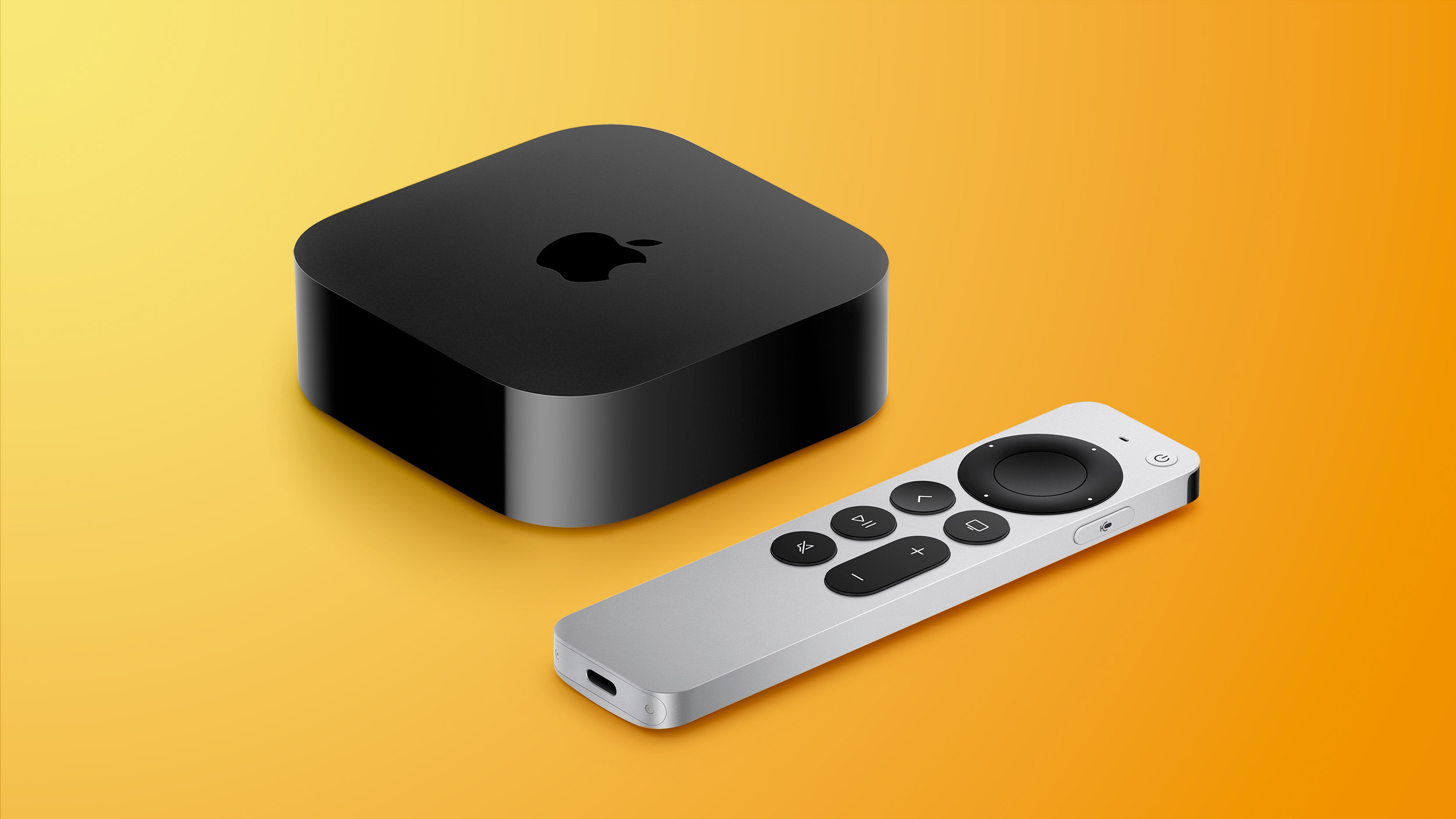
Below, we'll dive deep into each of these rumored features, exploring what they could mean for you, the user, and when you might expect to see this exciting new device hit the shelves.
Rumored Features: A Closer Look at What's Coming
The next Apple TV 4K isn't just about watching your favorite shows and movies; it's shaping up to be a powerful entertainment and smart home hub. Let's break down the individual components that are expected to drive this transformation.
A17 Pro Chip or Newer: A Leap in Performance

At the heart of any modern Apple device is its custom-designed silicon, and the next Apple TV 4K is expected to receive a major brain transplant. According to insights gleaned from Apple's own code by MacRumors contributor Aaron Perris, the device will likely be equipped with the A17 Pro chip. This is the same cutting-edge processor that first debuted in the iPhone 15 Pro series, offering significant advancements over its predecessors.
However, given the unusually long four-year wait since the last Apple TV update, there's a strong possibility that Apple might even equip the new model with an even newer chip, such as the A18 Pro or A19 Pro. Apple is known for strategically placing its latest technology into new products, and waiting this long could mean a truly future-proof device.
To put this into perspective, the current Apple TV 4K (3rd generation) uses the A15 Bionic chip, which was first introduced with the iPhone 13 series back in 2021. While the A15 is still a very capable chip for streaming and basic apps, the A17 Pro (or newer) represents a monumental leap forward in processing power. The "Pro" designation in Apple's chips typically signifies enhanced CPU and GPU cores, along with a more powerful Neural Engine designed specifically for machine learning tasks.
What does this mean for you? A device with an A17 Pro chip or newer would deliver dramatically faster performance across the board. Navigating menus, opening apps, and switching between content will feel instant and incredibly smooth. More importantly, this powerful chip will unlock new capabilities:
- Enhanced Gaming: The A17 Pro features hardware-accelerated ray tracing. This is a game-changer for graphics rendering in video games, allowing for much more realistic lighting, shadows, and reflections. Games played on the Apple TV will look stunningly lifelike, rivaling console-level graphics in some cases. This could position the Apple TV as a more serious contender for gaming, especially with Apple Arcade's expanding library.
- Increased Responsiveness: Everything from search queries to loading content will be quicker, reducing frustrating delays and creating a more seamless user experience.
- Future-Proofing: A powerful chip ensures the device can handle upcoming software updates, more demanding applications, and high-fidelity media formats for many years to come.
- Foundation for AI: Perhaps most crucially, this advanced chip is essential for driving the on-device intelligence needed for sophisticated Siri AI features and other Apple Intelligence capabilities that require significant processing power to run locally, ensuring speed and privacy.
In essence, the move to an A17 Pro (or beyond) chip is not just an incremental upgrade; it's a foundational shift that will redefine what the Apple TV 4K is capable of, pushing it far beyond a simple streaming box into a true entertainment powerhouse and intelligent home assistant.
Increased RAM: Enabling Smarter Experiences
Hand-in-hand with a more powerful processor, the next Apple TV is expected to receive a significant boost in its Random Access Memory (RAM). As mentioned earlier, if the device comes equipped with an A17 Pro chip or newer, it should also feature at least 8GB of RAM. This is a substantial increase from the 4GB found in the current Apple TV 4K model.
RAM acts as the short-term memory of a device, allowing it to hold multiple applications and processes ready for quick access. More RAM generally means better multitasking, smoother performance when handling complex tasks, and the ability to run more sophisticated software simultaneously without slowdowns. For a device like the Apple TV, which often juggles multiple streaming apps, games, and background processes, increased RAM is invaluable.
The primary benefit of this extra memory, beyond general performance improvements, is its role in supporting advanced Apple Intelligence features, and particularly, the rumored Siri AI. Here’s why more RAM is crucial:
- On-Device AI Processing: Modern AI models, especially those designed to understand natural language, generate text, or perform complex image recognition, require a significant amount of memory to run efficiently. By having 8GB or more RAM, the next Apple TV can process many of these AI tasks directly on the device rather than relying solely on cloud servers. This means faster responses, enhanced privacy (as your data doesn't always need to leave the device), and more reliable performance even with intermittent internet connectivity.
- Enhanced Multitasking: Imagine seamlessly switching between a demanding game, a high-bitrate 4K movie, and a FaceTime call, all while Siri AI is actively listening for commands in the background. Increased RAM makes this kind of fluid multitasking possible without apps having to reload constantly.
- Richer App Experiences: Developers will have more headroom to create more feature-rich and graphically intensive applications and games, pushing the boundaries of what's possible on a television screen.
- Future-Proofing for tvOS: As tvOS evolves with new features and capabilities, especially those leveraging AI and more complex user interfaces, the increased RAM ensures the device remains capable and responsive for years to come.
In essence, the jump to 8GB of RAM is not just about making the Apple TV faster; it's about making it smarter and more capable, laying the groundwork for a truly intelligent and interactive home entertainment system.
Siri AI: Your Smarter Voice Assistant for the Big Screen

One of the most exciting and potentially transformative features rumored for the next Apple TV 4K is the integration of advanced Siri AI. For years, Siri on Apple TV has been useful but relatively basic, primarily handling content search and playback controls. The upcoming Siri AI promises a much deeper, more intelligent, and personalized interaction.
According to reports from 9to5Mac, which analyzed Xcode logs from macOS 27, tvOS 27 is poised to introduce this enhanced Siri. The discovery of a new "Siri" entry in the tvOS 27 app list, accompanied by the internal codename "com.apple.campo," strongly indicates a significant upgrade. This "campo" reference is widely understood to be Apple's internal designation for its next-generation Siri AI.
When running Device Hub via Xcode in macOS 27, the Apps list for tvOS 27 has a new addition: Siri.
The Siri entry features a 'com.apple.campo' string. Prior reporting indicates 'campos' is Apple's internal codename for Siri AI.
Comparing app lists for tvOS 26 and tvOS 27 simulator modes confirms that 'Siri' is not present in tvOS 26's list. It's new with tvOS 27.
This addition, combined with the 'campo' reference, strongly suggests that Siri AI will debut in tvOS 27 this fall. It might even come with a dedicated Siri app on Apple TV—though that's not guaranteed, as the 'Apps' list includes system functions beyond just user-facing apps.
This evidence strongly suggests that tvOS 27, expected this fall, will be the platform that brings Siri AI to life on the Apple TV. While the exact functionalities are still under wraps, based on Apple's broader AI initiatives, we can anticipate a Siri that is:
- More Conversational and Context-Aware: Instead of simple, command-based interactions, Siri AI should be able to understand more natural language, follow up questions, and retain context from previous interactions. For example, you might ask, "Find me action movies starring Tom Cruise," and then follow up with, "Which one has the highest rating?" without repeating the initial request.
- Deeply Integrated and Personalized: Siri AI will likely leverage your viewing history, app usage, and preferences to offer highly personalized content recommendations. It could proactively suggest shows or movies based on your mood, the time of day, or even recent events you've discussed with Siri on other devices.
- Advanced Content Search: Beyond simply searching for titles, Siri AI could allow for more nuanced queries. Imagine asking, "Show me that comedy movie with the talking dog from the early 2000s," and Siri understanding and finding it. It could also summarize plot points, character bios, or even pull up trivia related to what you're watching.
- Smarter Smart Home Control: The Apple TV often serves as a HomeKit hub. With Siri AI, controlling your smart lights, thermostats, and other connected devices could become much more intuitive and powerful, understanding complex scenes and routines with natural language commands.
- Proactive Assistance: Depending on the level of integration, Siri AI could offer proactive suggestions, like reminding you about a show's new episode, suggesting background music for your dinner party, or even helping you manage your calendar or notifications directly from your TV screen.
It's important to note that Siri AI, with its advanced capabilities, will likely be limited to the new Apple TV models. This is because these features demand significant processing power and increased RAM, which only the A17 Pro (or newer) chip and 8GB of RAM can sufficiently provide. This strategic limitation ensures that the AI features deliver a smooth and responsive experience, preventing older hardware from struggling to keep up. This focus on local, on-device AI processing also aligns with Apple's strong stance on user privacy, minimizing the need to send personal data to the cloud for every interaction.
The introduction of Siri AI could transform the Apple TV from a great streaming box into an indispensable, intelligent companion for your living room, making interactions with your entertainment and smart home effortless and highly personalized.
N1 Chip With Wi-Fi 7 and Bluetooth 6: Faster, More Reliable Connectivity
Connectivity is paramount for any streaming device, and the next Apple TV 4K is set to receive a significant upgrade in this area with the inclusion of Apple's custom-designed N1 chip. In 2024, Bloomberg's Mark Gurman initially reported that the next Apple TV would feature Apple's own combined Wi-Fi and Bluetooth chip. This has since been confirmed to be the N1 chip, which debuted in the iPhone 17 series and iPhone Air, signifying its advanced capabilities and Apple's commitment to vertical integration in its hardware.
The N1 chip is particularly exciting because it supports the latest Wi-Fi 7 standard (also known as 802.11be, or "Extremely High Throughput" Wi-Fi). This represents a substantial upgrade from the current Apple TV's Wi-Fi 6 (802.11ax) support. Here's a breakdown of what Wi-Fi 7 brings to the table and why it matters for your home entertainment:
- Massive Speed Increase: Wi-Fi 7 is theoretically up to four times faster than Wi-Fi 6, offering peak speeds that could exceed 40 Gbps. While real-world speeds are often limited by your internet service provider and home network setup, this significant boost ensures that the Apple TV won't be a bottleneck for even the most demanding content. This is crucial for seamless 4K and even future 8K streaming, high-fidelity cloud gaming, and downloading large apps or games quickly.
- Increased Bandwidth and Capacity: One of Wi-Fi 7's key innovations is Multi-Link Operation (MLO). This allows devices to transmit and receive data over multiple frequency bands (2.4GHz, 5GHz, and 6GHz) simultaneously. This means the Apple TV can use the best available band for different types of traffic, reducing congestion and improving overall network efficiency, especially in homes with many connected devices.
- Lower Latency: For applications like cloud gaming, video conferencing, and real-time interactive experiences, low latency is critical. Wi-Fi 7 is designed to significantly reduce delays, providing a more responsive and fluid experience that feels more like a wired connection. This is a major boon for competitive gaming on the Apple TV.
- Improved Reliability: By being able to hop between different bands, Wi-Fi 7 offers a more robust and stable connection, reducing dropped signals and ensuring a consistent streaming experience, even in busy network environments.
Beyond Wi-Fi, the N1 chip also brings an upgrade to Bluetooth connectivity. In the latest iPhones, the N1 chip supports Bluetooth 6 (which likely means a newer version than the current Bluetooth 5 standard). This offers several benefits for connecting accessories to your Apple TV:
- Lower Latency: Essential for wireless headphones and game controllers, reducing input lag and ensuring audio and video remain perfectly synchronized.
- Improved Audio Quality: Newer Bluetooth standards often include advancements in audio codecs, potentially delivering richer, higher-quality sound to your Bluetooth headphones or speakers.
- Enhanced Range and Stability: Bluetooth 6 can offer a more reliable connection over greater distances, which is helpful in larger living spaces.
- Better Energy Efficiency: While perhaps less critical for a plugged-in device like the Apple TV, more efficient Bluetooth helps prolong the battery life of connected accessories like game controllers and remotes.
In summary, the N1 chip with Wi-Fi 7 and Bluetooth 6 transforms the Apple TV 4K's connectivity, ensuring it can handle the highest demands of modern entertainment and smart home integration with speed, reliability, and minimal latency. This upgrade is foundational to delivering a premium, future-ready user experience.
Updated Siri Remote: Refined Control in Your Hand
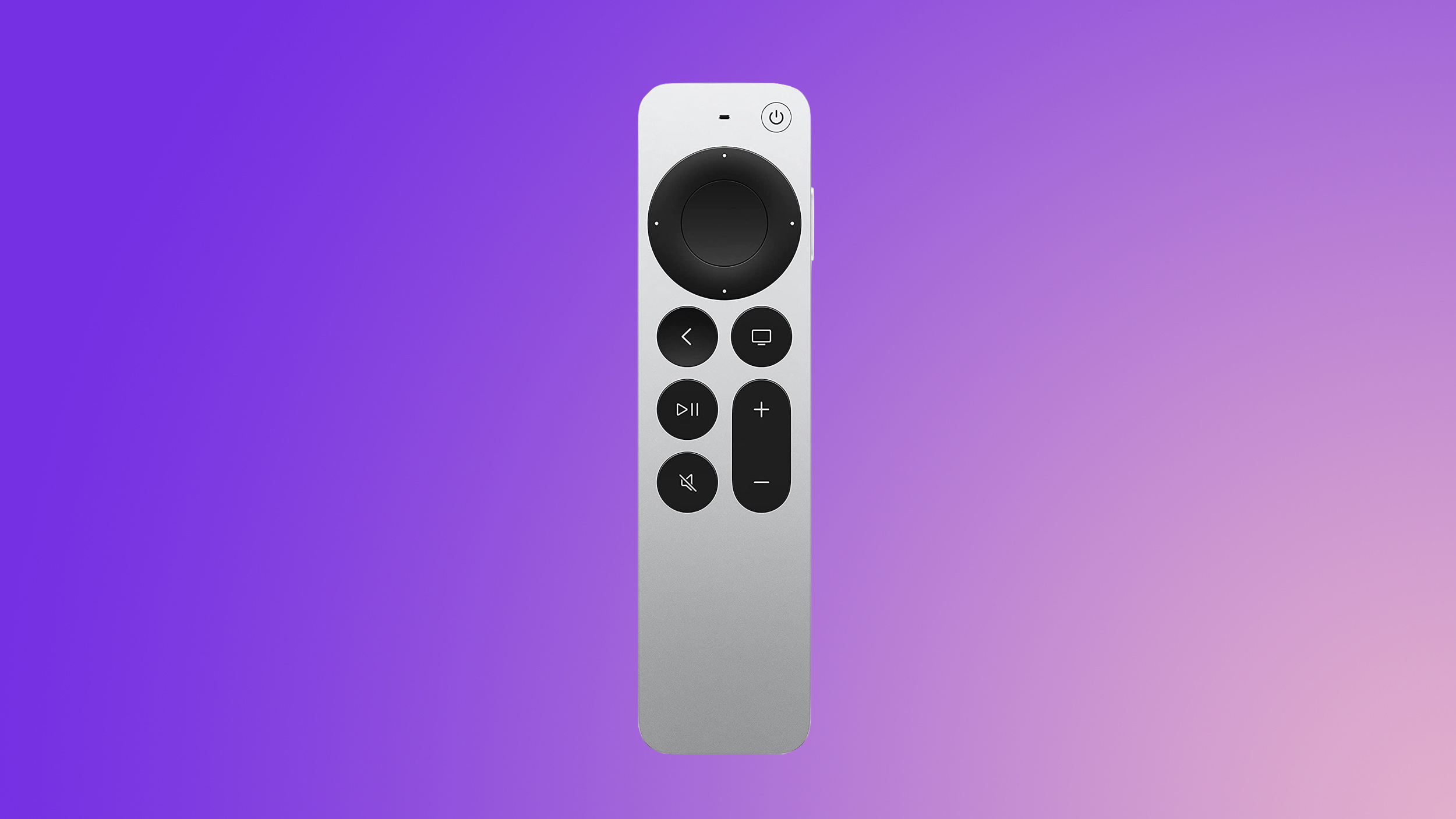
The Siri Remote has seen several iterations over the years, each aiming to refine the user experience. For the next Apple TV, both Bloomberg's Mark Gurman and findings from macOS 26.7 code suggest that the new Apple TV will likely ship with an upgraded Siri Remote. While the code didn't reveal specific changes, this indicates Apple is continuing to iterate on its primary input device for the Apple TV.
Based on user feedback and common trends in remote control design, we can speculate on several potential improvements for the updated Siri Remote:
- Ergonomic Redesign: While the current Siri Remote (the silver aluminum model) is generally well-received, some users still find it a bit thin or prone to slipping. A slight redesign could improve grip, button placement, or overall comfort for extended use.
- Find My Integration: A highly requested feature is the ability to locate a misplaced remote using Apple's Find My network, similar to AirTags. Given that Apple already uses its U1 chip for precise finding in other devices, integrating this into the Siri Remote seems like a natural and incredibly useful upgrade. Imagine pinging your remote from your iPhone when it's lost in the couch cushions.
- USB-C Charging: With Apple transitioning its iPhone lineup and other accessories to USB-C, it's highly probable the new Siri Remote will also adopt USB-C for charging, offering universal compatibility and convenience.
- Haptic Feedback: The addition of haptic feedback could provide subtle tactile responses for button presses or navigation gestures, enhancing the sense of interaction and confirming actions without needing to look at the screen.
- Dedicated AI Button: With the significant push towards Siri AI, it's possible the remote could feature a more prominent or dedicated button for summoning the advanced AI assistant, making it even easier to interact with.
- Improved Battery Life: While the current remote has decent battery life, any improvements through more efficient components or a larger battery would always be welcomed.
- Enhanced Touch Surface/Clickpad: Refinements to the circular clickpad, which offers both touch and directional button input, could make navigation even more precise and intuitive.
Even subtle changes to the Siri Remote can significantly impact the day-to-day user experience. A more comfortable, durable, and feature-rich remote would perfectly complement the advanced capabilities of the next-generation Apple TV, making interaction with your entertainment even more enjoyable and seamless.
Design: Familiar Form, Potential for Future Innovation
While the internal components are set for a major overhaul, the external design of the next Apple TV is reportedly going to remain largely similar to the current model. This means you can expect the familiar compact, black box aesthetic that easily blends into any home entertainment setup.
However, this doesn't mean Apple isn't exploring more radical design changes for future iterations. In 2024, there were reports that Apple had "discussed" the possibility of offering an Apple TV with a built-in camera. Such a feature would open up exciting new possibilities, primarily for FaceTime video calls directly from your TV and potentially for gesture-based controls, allowing users to interact with the interface using hand movements. While this concept was clearly on Apple's drawing board, current indications suggest that the company is not moving forward with a built-in camera for *this* particular next model. This decision could be due to various factors, including cost, design complexity, privacy concerns, or simply prioritizing other features for the immediate release.
Despite the absence of a built-in camera for now, Apple has already made strides in bringing video calls to the big screen. tvOS 17, released recently, introduced a dedicated FaceTime app to the Apple TV. This innovative feature utilizes Continuity Camera, allowing users to connect their iPhone or iPad to the Apple TV and use its high-quality rear camera for video calls. This provides a convenient way to conduct group video chats or simply connect with loved ones from the comfort of your living room, projected onto a large screen.

Further enhancing this experience, tvOS 26 brought even more sophisticated FaceTime features that would be perfectly suited for an Apple TV with a camera, or even an improved Continuity Camera setup:
With tvOS 26, users can enjoy a more personalized FaceTime experience that's consistent with iOS. Contact Posters on Apple TV make it easier and more personal by displaying a contact's customized photo and name when starting a FaceTime call on Apple TV. Live Captions expand to include French, German, Japanese, Korean, Mandarin, and Spanish, enabling Apple TV to use on-device intelligence to display Live Captions for FaceTime conversations, so users can follow what's being said in even more languages. Additionally, FaceTime audio and phone call notifications will appear onscreen for the active profile, allowing users to answer on connected HomePod speakers or their iPhone, and ensuring that communication with loved ones remains at the forefront.
These features, such as Contact Posters for personalized caller ID and expanded Live Captions, demonstrate Apple's commitment to making video communication a central part of the TV experience. Even without a built-in camera, the Continuity Camera feature provides an excellent workaround, leveraging the already-advanced cameras in iPhones and iPads. This allows users to enjoy the benefits of TV-based video calls while Apple potentially refines its plans for integrated camera hardware in future models, perhaps when the technology becomes more seamless and cost-effective.
For now, the focus appears to be on packing powerful internal upgrades into the familiar, unobtrusive form factor, ensuring a high-performance device that fits effortlessly into any home.
Launch Timing and Pricing: When Can You Get Your Hands on It?
The timing of Apple product launches is often a carefully orchestrated event, and the next Apple TV 4K is no exception. Based on Apple's typical release schedules for major devices, the new Apple TV will likely be unveiled in September or October of this year. These months are traditionally packed with Apple announcements, either during the annual iPhone event or a subsequent dedicated event focusing on other hardware. Given the significant upgrades rumored, a dedicated slot, or at least a prominent mention, seems probable.
This launch could be part of a broader push into the smart home market. Apple reportedly plans to unveil a trio of new smart home products this year. This lineup is rumored to include the new Apple TV, an entirely new smart home hub that will come in both tabletop and wall-mounted versions (potentially combining an iPad-like display with HomePod functionality), and an updated HomePod mini. This suggests Apple is aiming to solidify its ecosystem in the home, with the Apple TV serving as a central entertainment and control hub.
Looking back at previous Apple TV releases can give us a sense of Apple's historical timing:
- Apple TV 4K (3rd generation): October 2022
- Apple TV 4K (2nd generation): April 2021
- Apple TV 4K (1st generation): September 2017
- Apple TV HD: September 2015
The gap since the last Apple TV 4K (3rd generation) in October 2022 is now approaching four years. This extended period strongly suggests that the upcoming model will be more than just an incremental update, justifying the wait with substantial new features and a significant performance boost.
Now, let's talk about pricing, which has become a more complex topic. In June, Apple surprised many by raising prices on 14 products, including the current Apple TV 4K. In the U.S., the Wi-Fi model with 64GB of storage now starts at $199, a notable increase from its previous price of $129. Similarly, the Wi-Fi + Ethernet model with 128GB of storage jumped to $249, up from $149.
This recent price hike for the existing model introduces some uncertainty regarding the pricing of the *next* Apple TV. It is unclear if Apple intends for the upcoming model to maintain these elevated prices, or if it will be even more expensive, reflecting the advanced technology (A17 Pro/newer chip, N1 chip, increased RAM, AI capabilities) packed inside. Apple might be positioning the Apple TV as a more premium, all-encompassing smart home and entertainment device, justifying a higher price point.
Potential pricing scenarios:
- Maintaining Current Prices: The new model might simply replace the current lineup at the recently adjusted $199 and $249 price points, making the new features a "value add" at the higher price.
- Increased Prices: Given the substantial upgrades, especially the A17 Pro chip and the N1 chip, it's not out of the question for the new Apple TV to start at an even higher price, perhaps in the $249 to $299 range for the base model, positioning it clearly as a premium smart home hub.
- Multiple Tiers: Apple could also introduce different tiers, perhaps a more affordable "Apple TV HD" replacement without the latest chip, alongside the premium 4K model, though this is less likely given current market trends.
Whatever the final pricing, the significant technological advancements suggest that the next Apple TV 4K will be a premium product, offering a compelling blend of entertainment, gaming, and smart home control for those willing to invest in Apple's ecosystem. Consumers will weigh the enhanced performance and intelligent features against the increased cost when it finally arrives later this year.
This article, "Next Apple TV Rumored to Have Five New Features, Including Siri AI" first appeared on MacRumors.com
Discuss this article in our forums
from MacRumors
-via DynaSage
