
New Apple TV to Come With Upgraded Siri Remote
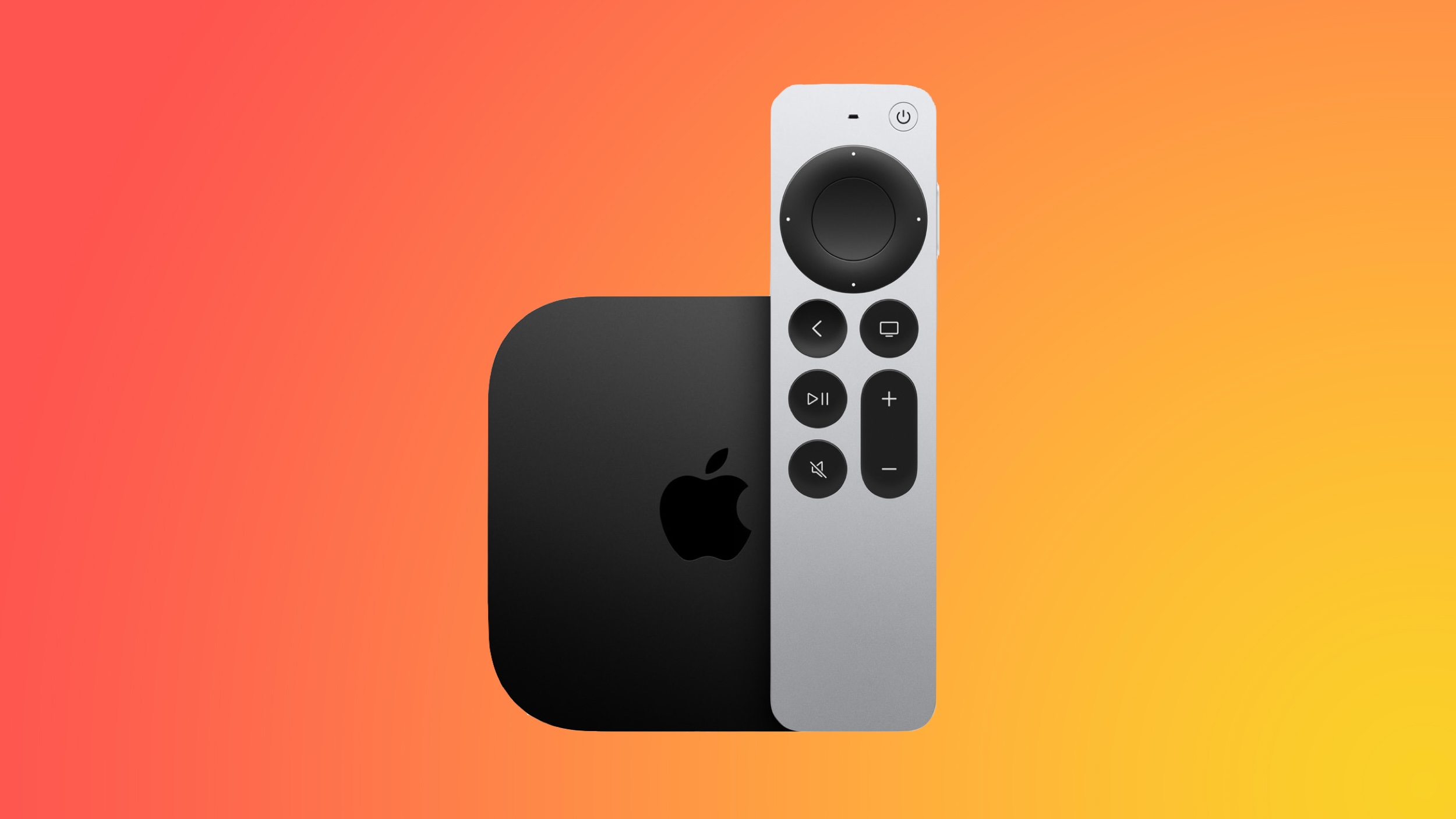
The Next-Generation Apple TV 4K: What to Expect from the Upgraded Siri Remote and A17 Pro Chip
The world of home entertainment is constantly evolving, with new devices and technologies pushing the boundaries of what's possible right from our living rooms. Few companies command as much attention in this space as Apple, and whispers of an impending upgrade to their flagship streaming device, the Apple TV 4K, have been circulating for years. Now, exciting new information, unearthed from within the macOS 26.7 code, strongly suggests that a next-generation Apple TV 4K is indeed on its way, bringing with it an upgraded Siri Remote. This news signals the end of a long wait for many enthusiasts and promises a significant leap forward in performance and user experience.
While the code findings don't spill all the beans on the specific enhancements planned for the remote, they clearly point towards a refreshed Apple TV model that will likely be powered by a formidable A17 Pro chip, or an even newer, more powerful processor. This upgrade isn't just about speed; it's about future-proofing our home entertainment setups, enabling richer gaming experiences, and deepening the integration into the ever-expanding Apple ecosystem. The buzz suggests an official unveiling could happen as early as this September or October, aligning perfectly with Apple's typical product launch windows. This article dives deep into what these revelations could mean for users, exploring the potential features of the new hardware and how it might reshape the landscape of smart TVs and streaming devices.
The Long-Awaited Upgrade: A New Apple TV on the Horizon
For years, the Apple TV has carved out a unique niche in the crowded streaming device market. From its humble beginnings as a "hobby project" back in 2007, often referred to as iTV, it has evolved into a premium media hub, boasting top-tier performance, a user-friendly interface powered by tvOS, and unparalleled integration with other Apple devices and services. However, the current generation, while still highly capable, is showing its age, particularly when compared to the rapid advancements seen in other Apple products like the iPhone and iPad.
The existing Apple TV 4K, which has seen minor iterations since its initial 2017 4K debut, relies on an A15 Bionic chip in its latest form (3rd generation, 2022). While this chip remains powerful enough for most streaming tasks, the competition has been heating up, with devices like the NVIDIA Shield TV Pro offering strong gaming capabilities and other platforms continuously innovating. Users have been eagerly anticipating a more substantial upgrade, one that truly leverages Apple's cutting-edge silicon to deliver a next-level experience. The new macOS code findings, specifically mentioning an unreleased Apple TV device, validate these expectations, suggesting that Apple is finally ready to deliver.
Why Now is the Perfect Time for a Refresh
Several factors make this the opportune moment for a new Apple TV. Firstly, the home entertainment landscape itself is undergoing significant shifts. We're seeing more 8K televisions entering the market, higher refresh rate displays becoming standard, and an increasing demand for sophisticated gaming experiences beyond traditional consoles. Streaming services are pushing the boundaries of video and audio quality, requiring more powerful processing to deliver seamless Dolby Vision, HDR10+, and spatial audio. Furthermore, the smart home ecosystem is growing rapidly, with new standards like Matter and Thread requiring robust central hubs for reliable operation. An upgraded Apple TV, positioned as the ultimate smart home hub, could solidify its crucial role in the connected home.
The Powerhouse Within: A17 Pro Chip and Beyond
Perhaps the most exciting detail hinted at in the leaks is the potential inclusion of an A17 Pro chip, or an even newer iteration of Apple Silicon. For context, the A17 Pro chip currently powers the flagship iPhone 15 Pro and iPhone 15 Pro Max, offering industry-leading performance, especially in graphics and machine learning. Bringing this level of processing power to a streaming device is truly transformative, far exceeding the requirements for basic video playback and opening up a world of new possibilities.
Unlocking Next-Level Performance and Features
What exactly would an A17 Pro chip mean for the new Apple TV 4K? The implications are vast and exciting, touching every aspect of the device's functionality:
Console-Quality Gaming: This is arguably where the A17 Pro could make the biggest splash. The chip's advanced GPU (Graphics Processing Unit) is capable of hardware-accelerated ray tracing, a technique used in high-end PC and console games to render incredibly realistic lighting, reflections, and shadows. Imagine playing AAA titles like 'Resident Evil Village' or 'Death Stranding' natively on your Apple TV, with stunning visuals and smooth frame rates. Apple Arcade, already a fantastic value, would be elevated to a whole new level, potentially attracting more developers to create graphically intensive games for the platform. The Apple TV could genuinely become a viable, compact alternative to dedicated gaming consoles for many users.
Blazing-Fast Performance and UI: Beyond gaming, the A17 Pro would ensure an incredibly fluid and responsive user experience across the board. Navigating tvOS, launching apps, switching between streaming services, and scrubbing through content would be instantaneous. This raw power would also future-proof the device against increasingly demanding video codecs and higher resolutions. While 8K content is not yet mainstream, the A17 Pro could certainly handle it, making the new Apple TV ready for the next generation of televisions.
Advanced Video and Audio Processing: The chip’s neural engine and advanced image signal processor (ISP) would allow for real-time enhancements to video and audio. This could translate to improved upscaling of lower-resolution content, more accurate color reproduction, enhanced dynamic range processing for HDR content, and even more immersive spatial audio experiences through compatible sound systems. Imagine content looking and sounding better than ever before, regardless of the source quality.
Enhanced Smart Home Capabilities: The Apple TV already serves as a HomeKit hub, allowing users to control their smart home devices and run automations. With the A17 Pro, this capability would be significantly enhanced. More powerful processing could enable local processing of smart home commands, improving responsiveness and reliability even when internet connectivity is spotty. It could also support more complex automations, faster data processing for security cameras (e.g., on-device person detection), and more robust support for emerging standards like Matter and Thread, ensuring the Apple TV remains a central, powerful, and secure smart home cornerstone.
Siri and Machine Learning: The A17 Pro's dedicated Neural Engine, designed for machine learning tasks, would make Siri on the Apple TV even smarter and more responsive. It could enable more contextual commands, faster voice recognition, and personalized content recommendations based on deeper understanding of user habits, all processed more efficiently and with greater privacy on the device itself.
The Heart of the Experience: The Upgraded Siri Remote
While the internal power of the new Apple TV is crucial, the interaction point – the remote control – is equally important. The Siri Remote has had a somewhat tumultuous history. The original model, with its all-glass touchpad and symmetrical design, was sleek but often criticized for being difficult to orient without looking and prone to accidental touches. Apple listened to feedback, and the redesigned Siri Remote, introduced in 2021, was a significant improvement, featuring a more tactile clickpad, dedicated power and mute buttons, and a more comfortable grip. Now, the macOS 26.7 code findings confirm that another upgrade is in the works.
What Could a New Siri Remote Bring?
Without specific details, we can speculate on several highly requested and logical improvements for an "upgraded" Siri Remote:
Find My Integration: This is arguably the most requested feature. Anyone who has ever lost their remote between couch cushions understands the frustration. Integrating Apple's "Find My" technology, much like AirTags, would allow users to ping their remote from their iPhone or another Apple device, causing it to emit a sound, or even pinpoint its location on a map. This simple addition would significantly enhance the user experience and reduce daily annoyances.
Haptic Feedback: Apple is a master of haptics, as seen in the iPhone and Apple Watch. Incorporating a Taptic Engine into the Siri Remote could provide subtle, precise vibrations for button presses, scrolling, or specific in-app interactions. This tactile feedback could make navigation more intuitive and immersive, especially in games.
USB-C Charging: With the iPhone, iPad, and AirPods Pro all transitioning to USB-C, it's a logical and expected move for the Siri Remote to follow suit. This would simplify charging, allowing users to use a single cable for most of their Apple devices, aligning with both user convenience and increasingly stringent regulatory demands (like those in the EU).
Enhanced Siri Functionality: With a more powerful A17 Pro chip in the Apple TV, the remote could potentially house a more advanced microphone array or even some on-device processing capabilities for Siri. This could lead to faster, more accurate voice commands, better noise cancellation, and even "Hey Siri" capabilities directly from the remote, allowing for hands-free control of the Apple TV and connected smart home devices.
Improved Ergonomics and Materials: While the current remote is better, there's always room for refinement. Perhaps a slightly different shape, new materials for better grip (e.g., a textured back), or even a slightly larger form factor for those with larger hands. Exploring different button layouts or adding a customizable "action button" could also be on the table.
Advanced Sensors: For more immersive gaming, the remote could integrate more sophisticated motion sensors, offering more precise control similar to Nintendo's Joy-Cons or other dedicated gaming controllers. While Apple TV supports third-party gamepads, an enhanced remote could provide a good entry point for casual gaming.
The remote is not merely a tool for navigation; it is the primary interface through which users interact with their entire home entertainment system. Any improvements to its design, functionality, or user experience have a cascading positive effect on the overall enjoyment of the Apple TV.
Seamless Integration into the Apple Ecosystem
One of Apple TV's strongest selling points has always been its deep integration with the broader Apple ecosystem. A new Apple TV 4K, especially one with an A17 Pro chip and an upgraded remote, would undoubtedly amplify these connections, making it an even more integral part of an Apple user's digital life.
tvOS Enhancements for a Smarter Home and Entertainment Experience
The updated hardware provides the foundation for significant advancements in tvOS, Apple's operating system for the Apple TV:
Expanded Gaming and Apple Arcade: As discussed, the A17 Pro will unlock a new era for gaming on Apple TV. tvOS would need to evolve to support these new capabilities, perhaps with improved game center integration, faster game downloads, and more sophisticated graphical settings. Apple Arcade could become an even more compelling subscription, offering a truly diverse library of titles ranging from casual games to demanding console-quality experiences.
Enhanced Connectivity and Continuity Features: We could see even deeper integration with iPhones, iPads, and Macs. Imagine seamlessly casting content via AirPlay with even less latency, or using your iPhone's camera as a high-quality webcam for FaceTime calls directly on your TV, much like Continuity Camera for macOS. SharePlay, which allows synchronized viewing with friends and family, could also see enhancements, making it even smoother and more interactive.
Smart Home Dashboard and Control Center: With the Apple TV serving as a central smart home hub, tvOS could introduce a more comprehensive and customizable "Home" dashboard, allowing users to quickly monitor and control all their Matter, Thread, and HomeKit devices. Picture a glanceable overview of security camera feeds, smart light statuses, and thermostat controls, all accessible with the Siri Remote or voice commands.
Advanced User Profiles and Personalization: While tvOS already supports multiple user profiles, an A17 Pro-powered device could enable even more sophisticated personalization. This might include AI-driven content recommendations unique to each family member, personalized Apple Fitness+ workout routines, and seamless switching between individual Apple Music libraries based on who is using the TV.
Apple Fitness+ and Health Integration: The Apple TV is already a fantastic platform for Apple Fitness+. With enhanced processing, it could offer more advanced real-time metrics display from Apple Watch, potentially support multiple users in a single workout session with individual tracking, and provide even more dynamic and visually rich workout environments.
Competitive Landscape and Market Position
The streaming device market is fiercely competitive, with a wide array of options catering to different budgets and needs. Major players include Roku, Amazon Fire TV, Google Chromecast with Google TV, and the more powerful NVIDIA Shield TV Pro. Each offers its own ecosystem, interface, and set of features.
Apple TV's Unique Selling Proposition
Despite its typically higher price point, the Apple TV 4K has always distinguished itself with several key advantages:
Premium Hardware and Software: Apple's commitment to high-quality components and optimized software creates a smooth, reliable, and frustration-free experience. tvOS is renowned for its clean interface, speed, and consistent performance.
Tight Ecosystem Integration: For users already invested in Apple's ecosystem (iPhone, iPad, Mac, Apple Watch), the Apple TV offers unparalleled synergy. Features like AirPlay, Home Sharing, Shared with You, and the ability to use your iPhone as a remote seamlessly connect your devices.
Privacy and Security: Apple's strong stance on user privacy extends to the Apple TV. Users can trust that their viewing habits and personal data are handled with care and robust security measures.
Gaming Potential: While not a direct console competitor, the Apple TV offers a compelling gaming platform, especially with Apple Arcade. An A17 Pro chip would significantly bolster this, making it a more attractive option for casual and even some hardcore gamers.
Content and Services: Access to a vast library of apps, including all major streaming services, plus exclusive content through Apple TV+, Apple Music, and Apple Fitness+.
Addressing the Premium Price Tag
The Apple TV 4K has always been positioned at the higher end of the streaming device spectrum. While competitors offer devices starting as low as $30-$50, the current Apple TV 4K starts around $129. A new model with an A17 Pro chip would likely command an even higher price. However, for many users, this premium is justified by the device's superior performance, longevity, robust security features, deep ecosystem integration, and the promise of console-like gaming and advanced smart home capabilities. It's an investment in a comprehensive, future-proof home entertainment and smart home hub, rather than just a simple streaming stick.
Anticipated Release and Impact
The macOS 26.7 code findings suggesting a September or October unveiling align perfectly with Apple's traditional product launch cycles. September is typically reserved for the new iPhone and Apple Watch, but October often sees follow-up events focused on Macs, iPads, or other hardware. The timing would allow Apple to introduce a powerful new Apple TV ahead of the crucial holiday shopping season.
What This Means for Consumers and the Market
For Existing Apple TV Owners: The decision to upgrade will depend on individual needs. If you're keen on the latest gaming experiences, seamless smart home integration, or simply desire the absolute fastest performance, the new model will be a compelling choice. Those primarily using their Apple TV for basic streaming might find their current device still serves them well, but the allure of the new features could be strong.
For New Buyers: For anyone looking to purchase a smart TV or a new streaming device, the next-gen Apple TV 4K will undoubtedly present itself as the most premium and feature-rich option available. Its combination of raw power, ecosystem integration, and privacy focus will make it a strong contender, especially for those already embedded in the Apple world.
Impact on the Streaming Device Market: Apple's move to include an A17 Pro-level chip could force competitors to innovate more rapidly, particularly in the areas of gaming and local processing. It raises the bar for what a streaming box can and should do, potentially pushing the entire industry forward.
It's important to remember that these details, while stemming from credible code findings, are still based on speculation rather than official announcements. However, the consistent nature of such leaks from macOS code in the past lends significant weight to these predictions. The anticipation for an official reveal is building, and the tech world will be watching closely.
Conclusion
The prospect of a next-generation Apple TV 4K with an A17 Pro chip and an upgraded Siri Remote is incredibly exciting. It represents not just an incremental update but a significant leap forward, promising to redefine what a streaming device can achieve in our homes. From delivering console-quality gaming experiences to serving as an even more powerful and reliable smart home hub, and offering a seamless, privacy-focused entertainment platform, the new Apple TV looks set to consolidate its position at the pinnacle of home entertainment.
The upgraded Siri Remote, with potential features like Find My integration and USB-C charging, underscores Apple's commitment to refining the core user experience. Together, the powerful new internals and an improved interface promise a faster, more intuitive, and ultimately more enjoyable way to consume content, play games, and manage our connected homes.
As we await the official announcement, likely in the coming months, the excitement is palpable. This new Apple TV 4K isn't just about watching TV; it's about experiencing the future of home entertainment, powered by Apple's relentless innovation.
This article, "New Apple TV to Come With Upgraded Siri Remote" first appeared on MacRumors.com
Discuss this article in our forums
from MacRumors
-via DynaSage
