
Low-Budget Animated Movie About A Cow Gets So Popular Theaters Are Using Ridiculous Hand-Drawn Posters
The Ultimate Guide to Cows: Everything You Need to Know (and More!)
Have you ever stopped to watch a herd of cows grazing peacefully in a green pasture? There is something incredibly calming and timeless about them. For thousands of years, cows have been a quiet, steady presence in human history. Yet, most people only think of them as the animals that provide us with milk, cheese, and beef.
In reality, cows are far more complex, intelligent, and emotionally deep than most people realize. They form close friendships, solve logical puzzles, communicate with unique vocalizations, and possess an incredibly specialized digestive system that is a true marvel of nature.
Whether you are an aspiring farmer, a student researching livestock, or simply someone who loves animals, this comprehensive guide will teach you everything you need to know about these amazing creatures. We will break down their history, their social lives, different breeds, how their unique bodies work, and how they impact our planet.
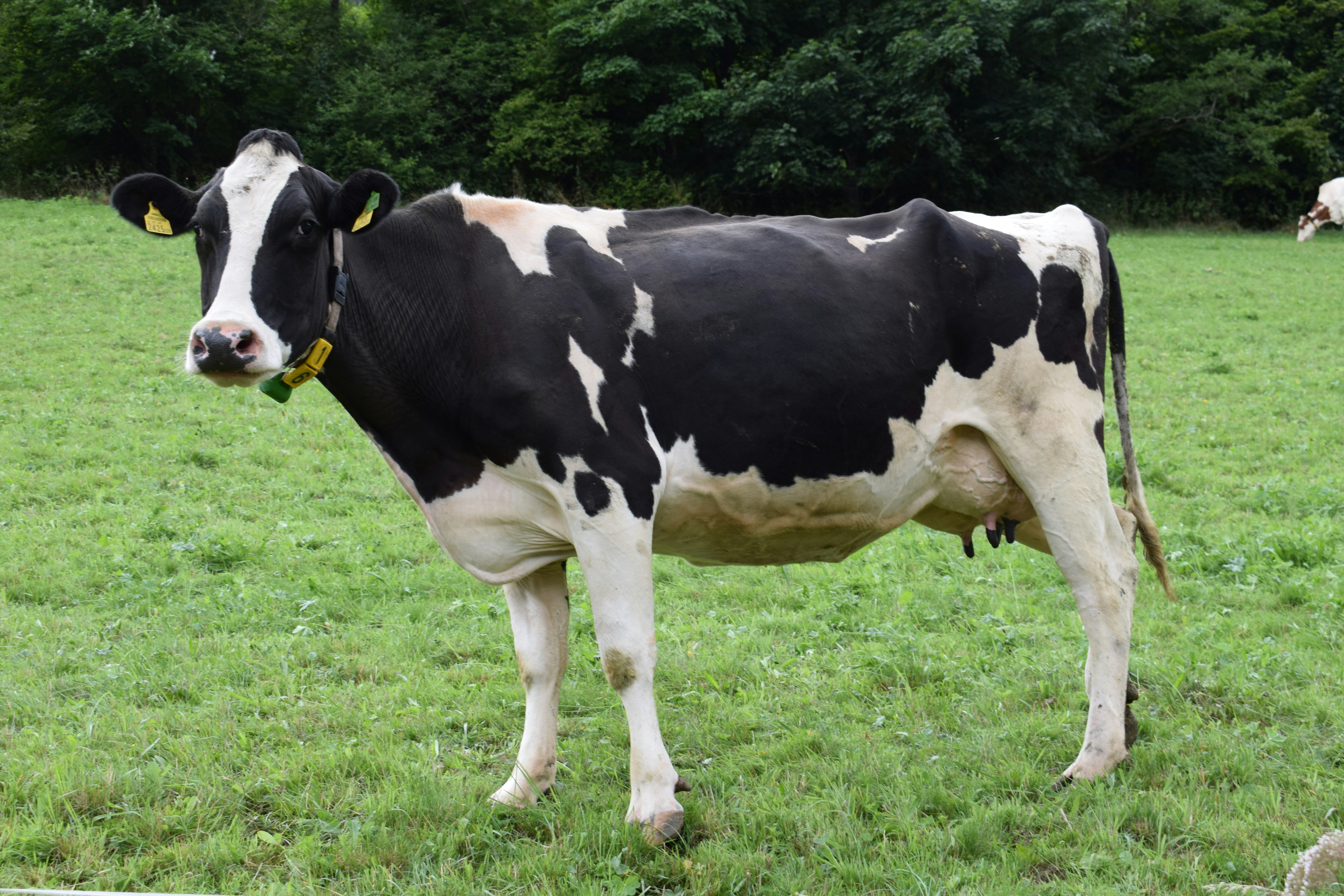
What is a Cow? Understanding the Terminology
Before we dive into the details, let's clear up some common confusion. Many people look at a field of cattle and refer to every single animal as a "cow." However, in the world of agriculture, the word "cow" has a very specific meaning. To speak like a professional, here is the basic terminology you should know:
- Cattle: This is the general, plural term for the entire species (Bos taurus or Bos indicus). When you see a mixed group of males and females, you are looking at cattle.
- Cow: A mature female bovine that has given birth to at least one calf.
- Heifer: A young female bovine that has not yet given birth to a calf. Once she has her first baby, she officially becomes a cow.
- Bull: An intact, adult male bovine. Bulls are primarily kept for breeding purposes and are known for their muscular build and strong-willed temperaments.
- Steer: A male bovine that has been castrated. Steers are typically raised for beef production because they are calmer and easier to manage than bulls.
- Calf: A baby bovine of either gender under one year of age.
Now that you know your heifers from your steers, you can confidently discuss cattle with any farmer!
A Brief History of Domestication
The relationship between humans and cattle goes back more than 10,000 years. All modern domestic cattle are descended from a single, terrifying ancestor: the wild aurochs (Bos primigenius).
The aurochs was a massive, aggressive beast that roamed the vast forests and plains of Europe, Asia, and North Africa. They stood nearly six feet tall at the shoulder, had long, forward-pointing horns, and were incredibly fast and dangerous. Hunting them was a test of supreme courage for early humans.
Around 10,500 years ago, communities in the Near East (modern-day Turkey and Iraq) managed to domesticate these wild giants. A separate domestication event occurred in India around the same time, giving rise to the hump-backed zebu cattle. Over centuries of selective breeding, the fierce wild traits of the aurochs were gradually softened, leading to the docile, cooperative animals we know today. The last wild aurochs died in a Polish forest in 1627, but their legacy lives on in every domestic cow on earth.
Domestication changed the course of human civilization. Instead of constantly moving to follow wild herds, humans could build permanent settlements. Cattle provided reliable food, durable leather, and invaluable muscle power. They pulled heavy plows through tough soil, allowing early societies to grow crops on a scale never seen before. In many ways, modern human civilization was built on the backs of cattle.
Common Cow Breeds: Dairy vs. Beef
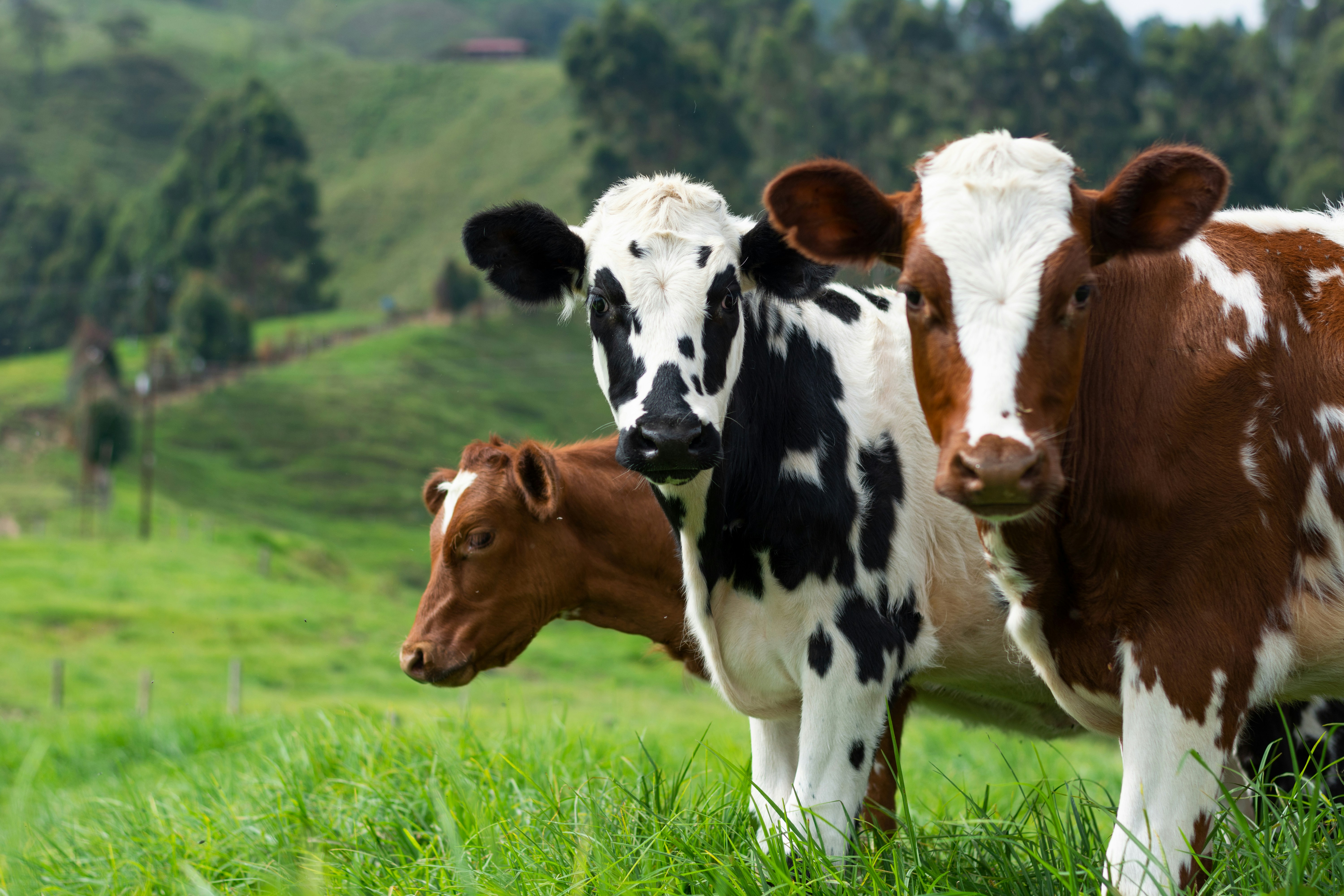
Over thousands of years, humans have bred cattle for different purposes. Today, cattle are broadly divided into two main categories: dairy breeds (bred to produce large amounts of milk) and beef breeds (bred to produce high-quality meat). Let's explore some of the most popular and famous breeds in each category.
Famous Dairy Breeds
Dairy cows are highly efficient milk producers. They tend to have angular, lean bodies because most of the energy from their food goes directly into milk production rather than building heavy muscle.
- Holstein-Friesian: This is the ultimate, iconic cow. With their distinct black-and-white spotted patterns, Holsteins are the most common dairy breed in the world. Originating in the Netherlands, they are famous for producing incredible volumes of milk.
- Jersey: Originating from the Channel Island of Jersey, these smaller, light-brown cows have beautiful, expressive eyes. While they produce less milk overall than Holsteins, their milk is incredibly rich in butterfat and protein, making it perfect for butter, cream, and high-quality cheese.
- Guernsey: Also from the Channel Islands, Guernseys are medium-sized cows with a lovely golden-brown and white coat. Their milk has a unique golden tint because it contains high levels of beta-carotene, which our bodies convert into Vitamin A.
- Brown Swiss: One of the oldest dairy breeds, originating in the valleys of Switzerland. They are large, sturdy, gentle, and have a beautiful silver-to-dark-brown coat. Their milk is highly prized by cheese-makers due to its ideal ratio of protein and fat.
Famous Beef Breeds
Beef cattle are bred to be blocky, muscular, and robust. They are excellent at converting grass into muscle and fat, and they require less daily maintenance than dairy cows.
- Angus (Black and Red): Originating in Scotland, Angus cattle are incredibly popular worldwide. They are naturally hornless (polled) and are highly prized for their meat quality. Angus beef is famous for its "marbling"—the flecks of fat within the muscle that make the meat exceptionally juicy and flavorful.
- Hereford: Easily recognized by their rich red bodies and contrasting white faces, chests, and bellies. Herefords are famously docile, hardy, and excellent at grazing on natural pastures. They can thrive in tough climates where other breeds struggle.
- Charolais: A large, heavily muscled breed from France with a solid white or cream-colored coat. Charolais cattle are known for their rapid growth rates and high yield of lean, tender meat.
- Highland Cattle: The undisputed rockstars of the cattle world. Hailing from the windy Scottish Highlands, these gorgeous animals have long, shaggy coats of red, black, or yellow hair and sweeping, majestic horns. Their double coat protects them from freezing rains and harsh winds, making them ideal for cold, wet climates.
The Secret Social Lives of Cows
Many people assume that cows are simple, mindless creatures that spend their days staring blankly into space. But science has revealed that cows have incredibly rich emotional and social lives. When you watch a herd closely, you are observing a complex, supportive society.
Cows Have Best Friends
Research conducted at reputable universities has shown that cows form strong individual friendships. They prefer to spend their time next to specific members of the herd. When researchers temporarily separated bonded pairs of cows, the animals experienced measurable physical stress. Their heart rates increased, and they showed signs of anxiety. When they were reunited with their "best friends," their stress levels quickly returned to normal.
They Experience "Eureka" Moments
Cows are excellent problem solvers. In cognitive experiments, researchers trained cows to press a button to open a gate that led to a food reward. Not only did the cows learn this task quickly, but they also showed genuine excitement when they figured it out. When they successfully solved the puzzle, their heart rates spiked, and they would often trot, hop, and play-jump on their way to the food. This reaction is incredibly similar to the "Eureka!" feeling humans experience when they solve a difficult problem.
A Sophisticated Communication System
Cows do not just make random "moo" sounds. Their vocalizations are highly nuanced. A mother cow has a specific, soft lowing sound she uses to communicate with her calf. If a calf gets separated, her call becomes much louder and more urgent. Cows also use different tones to express frustration, hunger, fear, or to signal to the rest of the herd that it is time to move to a new grazing area.
How Cows Process Food: The Magic Ruminant Stomach
One of the most incredible things about cows is how they digest food. Have you ever wondered how an animal can grow to weigh over 1,500 pounds simply by eating grass? Humans cannot survive on grass because our digestive systems cannot break down cellulose, the tough fiber that makes up plant cell walls.
Cows, however, belong to a group of animals called ruminants. While people often say that cows have "four stomachs," this is technically a myth. They actually have one massive stomach divided into four distinct, specialized chambers. This unique design allows them to ferment and break down tough plants, transforming low-quality forage into high-quality energy and protein.
The Four Chambers of the Ruminant Stomach
Let's follow a mouthful of grass on its incredible journey through the cow's digestive system:
- The Rumen: This is the first and largest compartment. Think of the rumen as a massive fermentation vat. It can hold up to 40 gallons of material! It is filled with billions of beneficial bacteria, fungi, and protozoa. These microbes go to work immediately, fermenting the swallowed grass and breaking down the tough plant fibers.
- The Reticulum: The reticulum has a unique, honeycomb-like inner lining. It sits right next to the rumen and acts as a filter. It separates the finely ground food from larger pieces that need more chewing. It also traps heavy, non-food items that a cow might accidentally swallow, such as nails, wire, or small pebbles (a condition farmers call "hardware disease").
- The Omasum: Once the food is sufficiently fermented, it moves to the omasum. This chamber is filled with highly folded layers of tissue that look like the pages of a book. The omasum’s main job is to absorb water, sodium, and essential nutrients from the digested food before passing it along.
- The Abomasum: This is known as the "true stomach" because it is very similar to a human stomach. It produces hydrochloric acid and digestive enzymes to break down proteins and prepare the nutrients for absorption in the intestines.
What is "Chewing the Cud"?
When a cow eats, she does not chew her food completely. She quickly tears off grass, mixes it with saliva, and swallows it down into the rumen. Later, when the cow is resting, she will regurgitate small clumps of this partially fermented food back up into her mouth.
This semi-digested mixture is called cud. The cow will spend hours thoroughly re-chewing the cud, breaking it down into even smaller particles, and swallowing it again. This process is essential because it gives the microscopic organisms in her stomach more surface area to work on, ensuring that absolutely no nutrients go to waste.
Cows and the Environment: The Balance of Sustainability
In recent years, cows have been at the center of global conversations about climate change. Because of their unique ruminant digestive systems, cows produce methane gas as a natural byproduct of fermentation. Methane is a potent greenhouse gas, and large-scale cattle farming contributes to global emissions.
However, the relationship between cows and the environment is more complex than it might seem. When managed responsibly, cattle can actually play an important role in restoring ecosystems and fighting climate change. Here is how:
Regenerative Grazing
Historically, millions of wild bison roamed the plains of North America, and massive herds of wild herbivores roamed African grasslands. These animals grazed heavily in one area and then moved on, allowing the land to rest and recover.
Modern farmers are replicating this natural cycle through a practice called regenerative grazing or intensive rotational grazing. By moving cattle frequently between small pastures, the grass is stimulated to grow deeper roots. These deep roots pull carbon out of the atmosphere and store it safely in the soil, a process known as carbon sequestration. Well-managed grazing also improves soil health, increases water retention, and encourages biodiversity in grasslands.
Reducing Methane Emissions
Scientists and agricultural innovators are working hard to reduce the methane output of cattle. One of the most exciting breakthroughs is the use of dietary supplements. Research has shown that adding small amounts of specific red seaweeds (Asparagopsis taxiformis) to cow feed can reduce methane emissions by up to 80%! This discovery could pave the way for a highly sustainable future for dairy and beef farming.
Ten Fun and Surprising Cow Facts
To wrap up our ultimate guide, here are ten amazing, fun facts about cows that you can share with your friends:
- Panoramic Vision: Cows have an incredible field of vision. Because their eyes are on the sides of their heads, they can see almost 360 degrees around them. Their only major blind spot is directly behind them.
- Super Sniffers: Cows have an exceptional sense of smell. They can detect odors and scents from up to six miles away!
- No Top Front Teeth: Cows do not have upper incisors (front teeth). Instead, they have a thick, tough pad of skin called a "dental pad." They use their bottom teeth and their strong, rough tongues to tear grass.
- They are Excellent Swimmers: Despite their bulky, heavy bodies, cows are surprisingly good swimmers and will easily cross rivers and deep streams if they need to reach better pastures.
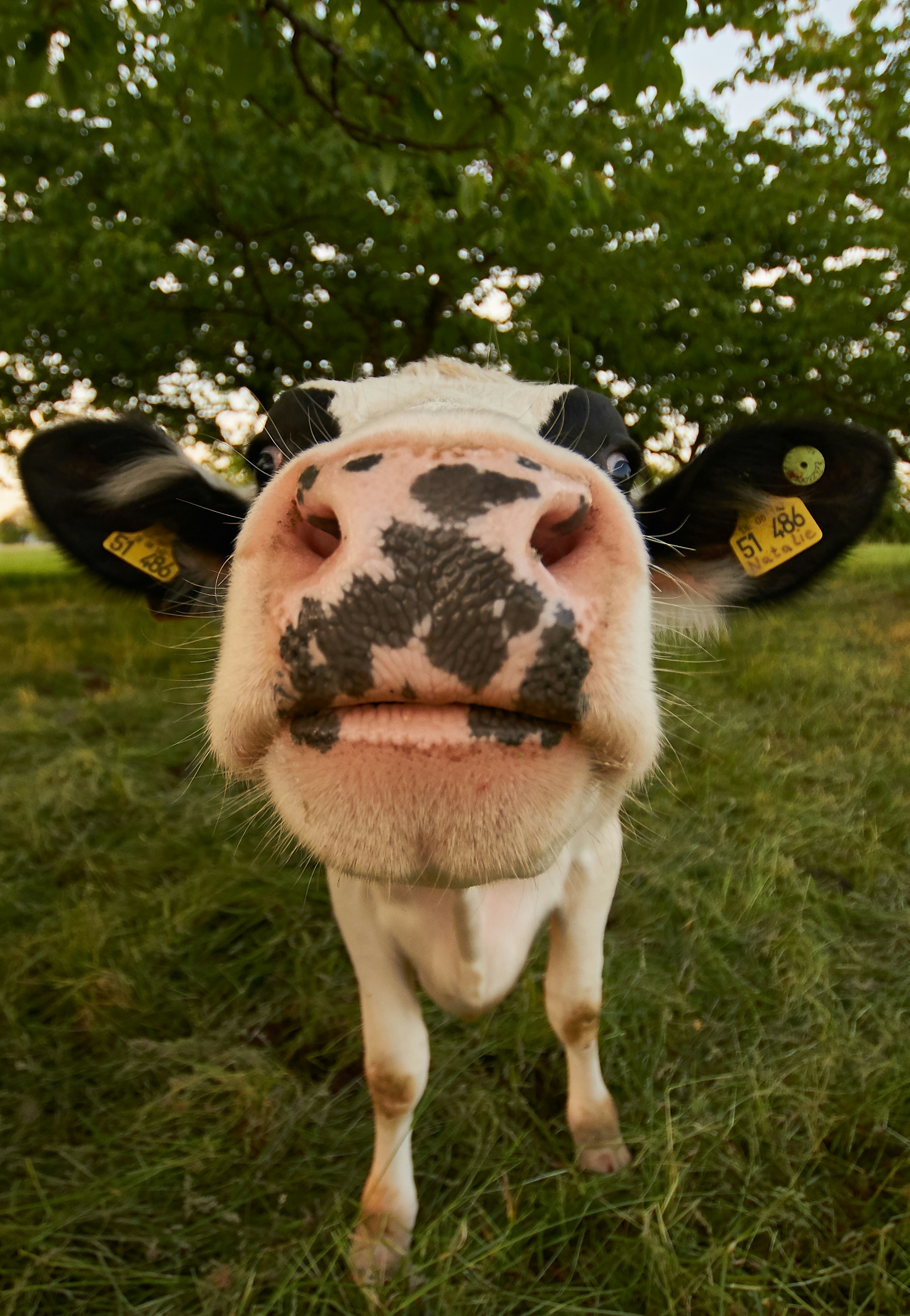
- Unique Nose Prints: Just like human fingerprints, the nose prints of cows are completely unique to each individual. Some livestock registries use nose prints to identify valuable animals.
- Cold-Weather Lovers: Cows actually prefer cool temperatures over warm weather. Because their massive rumens produce a lot of heat during fermentation, they are happiest when temperatures are between 40°F and 60°F.
- A Lot of Saliva: A healthy cow can produce up to 30 to 50 gallons of saliva every single day. This saliva is essential for buffering the acid in their rumen and helping them digest dry food.
- They Sleep Standing Up (But Not Really): Cows can doze off lightly while standing, but they cannot enter deep, restorative REM sleep unless they are lying down.
- A Sacred Status: In many cultures, cows are deeply revered. For example, in the Hindu religion, cows are considered sacred symbols of life, gentleness, and motherhood, and they are protected by law in many parts of India.
- Incredible Water Consumption: A lactating dairy cow can drink up to a bathtub full of water (about 30 to 50 gallons) every single day to stay hydrated and produce milk.
Conclusion
From the wild, powerful aurochs of ancient history to the gentle dairy and beef breeds of modern farms, cows have journeyed alongside humanity for thousands of years. They are intelligent, social, and emotionally sensitive animals with a beautifully specialized design that allows them to nourish communities around the globe.
The next time you see a herd of cows resting quietly in a pasture, chewing their cud under a blue sky, take a moment to appreciate them. They are not just a simple part of the rural landscape—they are a vital, fascinating part of our shared world.
from Kotaku
-via DynaSage
