
Is Steam Down? Is It Tuesday? Great News, It’s Probably Just Maintenance Day
The More You Know: The Ultimate Guide to Lifelong Learning and Curiosity
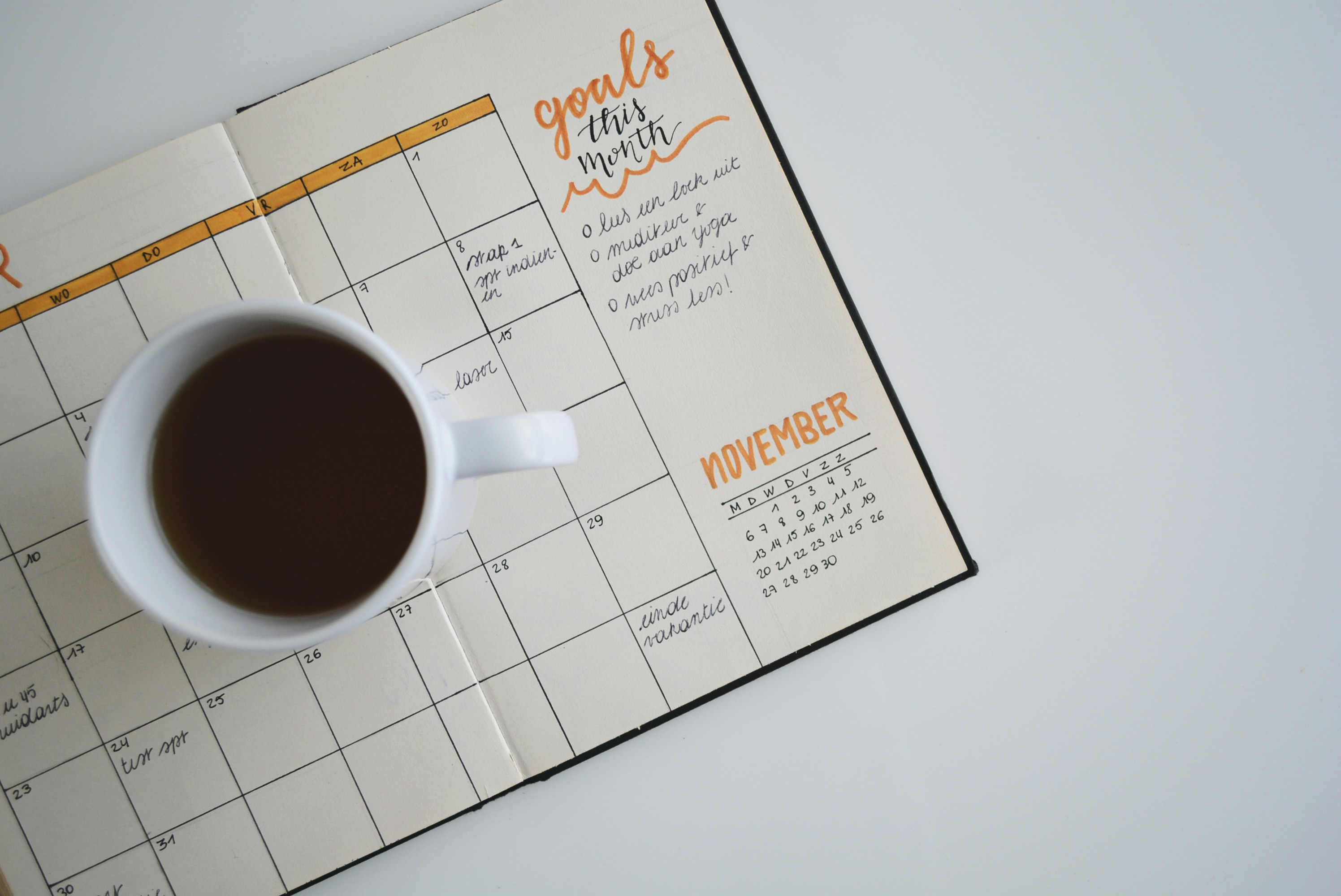
Have you ever heard the phrase "the more you know"? For many of us, this simple phrase brings back memories of classic television public service announcements. But beyond its pop culture history, this short sentence holds a profound truth about human life. In today's fast-paced, digital world, the ability to learn, adapt, and grow is no longer just a nice-to-have skill. It is your ultimate superpower.
When we dedicate ourselves to learning new things, we unlock doors we did not even know existed. We improve our health, boost our career opportunities, and find deeper joy in our daily lives. In this comprehensive guide, we will break down what it really means to live by the motto "the more you know." We will explore the science of how our brains learn, examine the massive benefits of lifelong learning, and give you practical, easy-to-use tips to build a daily learning habit.
The Origins and Deeper Meaning of "The More You Know"
To truly understand this concept, it helps to look at where it came from. The phrase was popularized by a famous series of public service announcements (PSAs) created by NBC Universal in the late 1980s. These short educational clips featured well-known actors, musicians, and public figures sharing quick facts and advice on topics like education, health, safety, and respect. Each clip ended with the iconic logo of a shooting star sweeping across the screen accompanied by the words: The More You Know.
While these commercials were short, their core message was deep. The campaign was built on a simple idea: when people are better informed, they make better decisions. Education is the foundation of a healthy, thriving society.
In the decades since those commercials first aired, the world has changed dramatically. We now have the entire sum of human knowledge sitting right in our pockets. However, having access to information is not the same as having knowledge. To truly benefit from this wealth of information, we must actively choose to cultivate curiosity and seek out reliable, meaningful education every single day.
The Science of Learning: How Your Brain Changes
For a long time, scientists believed that the human brain stopped growing and changing once a person reached adulthood. They thought that we were born with a set number of brain cells, and as we aged, our mental capacity could only decline. Fortunately, modern science has proven this old belief completely wrong.
Understanding Neuroplasticity
Today, neuroscientists know that the brain is highly adaptable. This ability of the brain to change, grow, and reorganize itself throughout our entire lives is called neuroplasticity. Every time you learn a new skill, memorize a fact, or experience something new, your brain physically alters its structure.
Think of your brain as a dense forest. When you first try to learn something new—like playing an instrument, speaking a new language, or coding a website—it is like trying to walk through thick, uncut brush. It is difficult, slow, and requires a lot of effort. But as you practice that skill over and over again, you begin to clear a path. With enough repetition, that rough path turns into a smooth, paved highway. Information can now travel quickly and effortlessly across your neural networks.
The Role of Brain-Derived Neurotrophic Factor (BDNF)
When you engage in active learning, your brain releases a special protein known as Brain-Derived Neurotrophic Factor, or BDNF. Scientists often refer to BDNF as "fertilizer for the brain." It helps support the survival of existing brain cells and encourages the growth of brand-new neurons. By keeping your brain active and challenged, you naturally boost your levels of BDNF, which keeps your mind sharp, flexible, and young.
Why Lifelong Learning is Your Superpower
Now that we understand how the brain physically changes when we learn, let us look at the practical, real-world benefits of keeping your mind active. Why should you make the effort to learn new things every day? Here are the primary reasons why continuous learning is essential for a happy and successful life.

1. Career Growth and Adaptability
The modern job market is changing faster than ever before. Thanks to rapid advancements in technology, artificial intelligence, and automation, many jobs that exist today did not even exist a decade ago. Similarly, many skills that are highly valuable today may become obsolete in the near future.
In this kind of environment, relying solely on the degree or training you received years ago is no longer enough. To stay competitive, you must become a lifelong learner. By regularly upgrading your skills—a process known as upskilling—you make yourself indispensable to employers. Continuous learning allows you to pivot to new career paths, command higher salaries, and secure your professional future.
2. Protection Against Cognitive Decline
Just like your physical muscles, your brain operates on a "use it or lose it" system. If you do not challenge your mind, your cognitive abilities will gradually decline over time. However, engaging in mentally stimulating activities builds up what doctors call "cognitive reserve."
Cognitive reserve is your brain's resilience—its capacity to improvise and find alternative ways of getting a job done when faced with damage or aging. Studies published by Harvard Health Publishing show that individuals who challenge their brains throughout their lives have a significantly lower risk of developing dementia and Alzheimer's disease. Learning new things keeps your brain structurally strong and mentally sharp well into your old age.
3. Improved Critical Thinking and Better Decisions
We are bombarded with information every single day. From social media feeds to news outlets, it can be incredibly difficult to separate truth from fiction. The more you know, the better equipped you are to analyze information critically.
Broad knowledge allows you to connect different ideas, recognize logical fallacies, and view problems from multiple perspectives. Instead of blindly accepting what you hear, you learn to ask smart questions, look for evidence, and make logical, well-informed decisions in your personal and professional life.
4. Boosted Self-Confidence and Happiness
There is a special, unmatched feeling of satisfaction that comes from mastering a difficult skill or understanding a complex topic. When you learn something new, your brain releases dopamine—the "feel-good" chemical associated with pleasure and reward.
This sense of achievement builds your self-confidence. It teaches you that you are capable of growing, overcoming obstacles, and improving yourself. This positive feedback loop makes you more resilient when facing life's daily challenges, leading to higher levels of overall happiness and life satisfaction.
The Dunning-Kruger Effect: Why True Knowledge Leads to Humility
As you embark on your journey of learning, you will quickly discover a fascinating paradox: the more you learn, the more you realize how little you actually know. This phenomenon is closely related to a psychological concept known as the Dunning-Kruger Effect.
The Dunning-Kruger Effect is a cognitive bias where people with a very limited understanding of a subject tend to overestimate their own knowledge or ability. Because they only know a small amount, they do not have enough context to see how much they are missing. They feel incredibly confident, yet they are highly uninformed.
Conversely, as a person dives deeper into a topic, they begin to see its true complexity. They realize that there are endless layers of detail, history, and nuance that they have yet to grasp. This realization can be humbling, but it is also incredibly exciting. It teaches us intellectual humility, which is the willingness to admit when we are wrong and the openness to learn from others. True knowledge does not make a person arrogant; it makes them curious.
How to Build a Sustainable Daily Learning Habit
Knowing that learning is beneficial is one thing; actually making it a part of your busy daily routine is another. Many people want to learn more, but they struggle to find the time or energy. Here is a step-by-step guide to building a realistic and highly effective daily learning habit.

1. Start Small with "Micro-Learning"
One of the biggest mistakes people make is trying to do too much too quickly. They decide to read a massive textbook or spend three hours studying on a busy weekday. This approach almost always leads to burnout and frustration.
Instead, embrace the power of micro-learning. Dedicate just 10 to 15 minutes a day to learning something new. It could be reading a single article, watching an educational video, or practicing a language on a mobile app. Fifteen minutes a day may not seem like much, but over the course of a year, it adds up to over 90 hours of learning. Consistency is always more important than intensity.
2. Harness the Power of Online Learning Platforms
We are incredibly lucky to live in an era where top-tier education is accessible to anyone with an internet connection. You no longer need to spend thousands of dollars or sit in a physical classroom to learn from world-renowned experts. Some of the best platforms to jumpstart your learning journey include:
- Coursera: This platform partners with top universities like Yale, Stanford, and Google to offer structured, professional courses on almost any subject imaginable.
- Khan Academy: A fantastic, completely free resource for learning math, science, history, and humanities at your own pace.
- edX: Access real college courses from prestigious institutions like Harvard and MIT, with options to earn professional certificates.
3. Use Your Passive Time Productively
You do not always need to sit at a desk with a notebook to learn. Think about how much "passive time" you have throughout the day. This is time when your body is busy, but your mind is free—such as during your morning commute, while doing household chores, or during a workout.
Turn this passive time into active learning time. Put on an educational podcast, listen to a non-fiction audiobook, or tune into a science documentary. By pairing learning with daily habits you already do, you can easily fit hours of education into a packed schedule.
4. Practice Active Recall and Spaced Repetition
Have you ever read an entire chapter of a book, only to realize a few hours later that you cannot remember a single thing you read? This is a incredibly common problem, and it happens because we tend to learn passively.
To make knowledge stick, you need to use active recall. After you read an article or watch a video, close your eyes and try to summarize the main points in your own words. Better yet, try to explain what you learned to a friend or family member. If you can explain a concept clearly to someone else, it means you truly understand it yourself.
Additionally, use spaced repetition. Instead of studying a topic once and forgetting about it, review that information at increasing intervals (e.g., after one day, then three days, then a week, then a month). This process signals to your brain that the information is important, moving it from your short-term memory to your long-term memory.
Overcoming Common Obstacles to Learning
Even with the best intentions, you will occasionally run into obstacles that make learning difficult. Here is how to navigate and overcome the three most common barriers to lifelong learning.
Obstacle 1: "I Don't Have Enough Time"
The Solution: This is the most common excuse, but the truth is that we all make time for what we truly value. Take a honest look at your screen time on your smartphone. If you spend even 30 minutes a day scrolling through social media, you have more than enough time to read a chapter of a book or listen to an educational podcast. Shift your mindset from "I don't have time" to "I am choosing to prioritize my personal growth."
Obstacle 2: Information Overload
The Solution: With so much content available online, it is easy to feel completely overwhelmed. You might start ten different courses and finish none of them. To avoid this, focus on deep learning rather than wide learning. Pick just one topic or skill that you want to master, and dedicate yourself to it for a month before moving on to anything else. Quality is far more important than quantity.
Obstacle 3: Fear of Failure or Feeling Foolish
The Solution: Many adults stop learning because they hate the feeling of being a beginner. It can be uncomfortable and embarrassing to struggle with a new skill. To overcome this fear, you must adopt a "growth mindset"—a term coined by psychologist Carol Dweck. A growth mindset is the belief that your basic abilities can be developed through dedication and hard work. Embrace mistakes as natural, necessary steps in the learning process rather than signs of failure.
Conclusion: The Journey of Curiosity Never Ends
At its heart, "the more you know" is not just a slogan from a classic TV commercial. It is a philosophy for a fulfilling, vibrant, and successful life. It is an open invitation to remain curious, to ask questions, and to see the world as an endless classroom.
When you commit to learning something new every single day, you are making an invaluable investment in yourself. You keep your mind sharp, your career secure, your spirit resilient, and your perspective broad. You become more adaptable to change and more compassionate toward others.
So, what is something you have always wanted to learn? Whether it is learning how to code, understanding the history of ancient civilizations, speaking a new language, or mastering the art of cooking, there is no better time to start than right now. Open a book, sign up for a class, or press play on an educational podcast. Embrace the beautiful journey of curiosity, and watch your world expand. Because the more you know, the further you will go.
from Kotaku
-via DynaSage
