
iPhone Ultra's Two Selfie Cameras Could Sit in the Same Corner
The Enigma of the Foldable iPhone Ultra: Decoding the Selfie Camera's Secret Location
The tech world is buzzing with anticipation for Apple's rumored iPhone Ultra, a device poised to redefine the smartphone landscape with its groundbreaking foldable design. For months, one particular question has lingered in the minds of enthusiasts and experts alike: where exactly will Apple place the crucial selfie cameras in this innovative device, both when it's folded and when it's fully unfolded? This isn't just a minor design detail; it's a critical element that impacts user experience, device aesthetics, and internal engineering. Today, we might just have stumbled upon a compelling answer that sheds light on Apple's ingenious approach to this challenge.
The Foldable Frontier: A New Era for Apple
The concept of a foldable smartphone has moved from science fiction to an intriguing reality over the past few years. Competitors have already dipped their toes into these waters, offering devices that promise both a compact form factor and an expansive screen experience. However, Apple, known for its meticulous attention to detail and a "wait-and-perfect" philosophy, has remained largely silent on its foldable ambitions, fueling immense speculation. The iPhone Ultra isn't just another phone; it represents Apple's grand entrance into a nascent, yet rapidly maturing, category. Expectations are sky-high, not merely for a foldable iPhone, but for *the* definitive foldable iPhone that only Apple can deliver. This device is expected to seamlessly blend the utility of a tablet with the portability of a smartphone, all while maintaining the premium design and intuitive user experience Apple is celebrated for.
Developing a foldable device presents a myriad of engineering hurdles, from the durability of the hinge mechanism to the resilience of the flexible display. Among these, the placement of cameras, especially the front-facing or selfie cameras, poses a unique challenge. Unlike traditional smartphones where cameras are fixed elements in a rigid frame, a foldable device must account for two distinct screen states – folded and unfolded – each potentially requiring a different camera perspective or even entirely separate camera modules. Balancing aesthetic appeal with functional necessity becomes paramount. Apple's approach, therefore, is under intense scrutiny, as it will likely set a new benchmark for how such challenges are overcome in premium foldable devices. The choice of camera placement could dictate how users interact with their device, how video calls are made, and how selfies are captured in this new, flexible form factor.
The Burning Question: Where Will the Selfie Cameras Go?
When you consider a device that transforms from a compact phone into a larger tablet, the immediate design dilemma for front-facing cameras becomes apparent. Do you have a camera for the smaller, outer screen and another for the larger, inner display? If so, where are they located to ensure a natural user experience? The exact placement of these selfie cameras in the iPhone Ultra, both in its folded and unfolded states, has been a lingering question that has captivated tech analysts and Apple enthusiasts alike. This isn't just a matter of sticking a camera wherever it fits; it involves intricate decisions about industrial design, internal component layout, and the overall user interface. Apple's reputation for clean, symmetrical designs adds another layer of complexity to this puzzle. Any solution must not only be functional but also aesthetically pleasing, avoiding visual clutter or awkward cutouts that might detract from the premium feel of an Apple product.
The challenge is multifaceted. A camera on the outer display needs to be accessible for quick selfies or video calls when the device is closed, much like a traditional smartphone. However, once the device unfolds into its larger, tablet-like state, a different camera, or perhaps the same one repositioned, needs to be available for video conferencing or wide-angle group selfies. The goal is to provide a consistent, high-quality experience regardless of the device's configuration. Traditional foldable designs have experimented with notches, punch-holes, or even under-display cameras, each with its own set of trade-offs. For Apple, known for pushing the boundaries of miniaturization and integration, finding an elegant solution that harmonizes form and function is absolutely essential. The solution chosen for the iPhone Ultra's selfie cameras could very well be a defining feature, showcasing Apple's innovative prowess in a category where design ingenuity is paramount.
Early Clues from Dummy Units: An Unusual Asymmetry
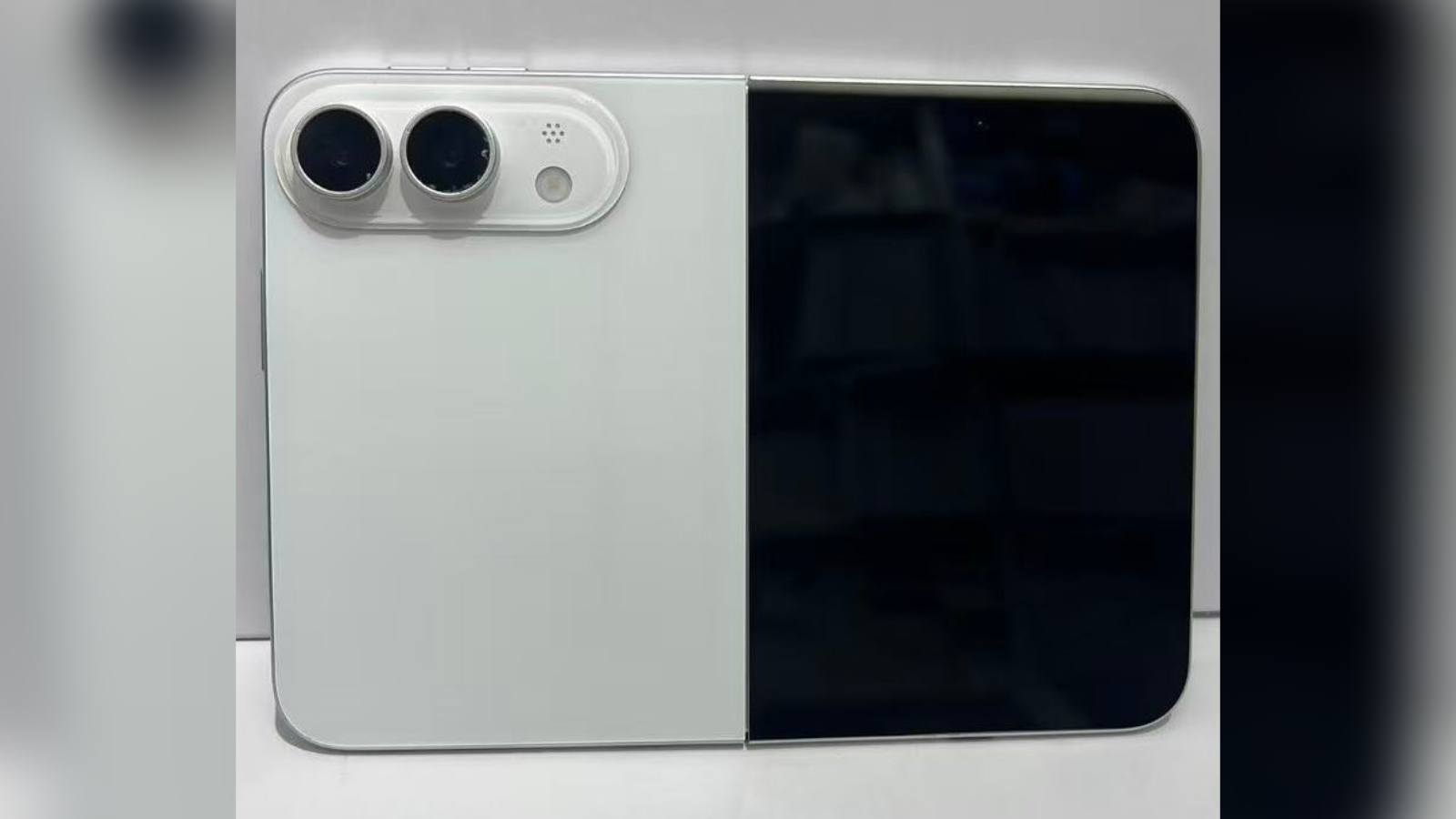
Our initial glimpse into the potential design of the iPhone Ultra came from dummy units that surfaced earlier. These physical mock-ups, often created based on leaked CAD (Computer-Aided Design) files, provide a tangible representation of a device's purported form factor and key component placements. What these dummy units suggested regarding the selfie cameras was intriguing, yet also somewhat puzzling for those familiar with Apple's typical design philosophy. According to these early models, the selfie camera for the outer display – the screen visible when the device is folded shut – was positioned in a top-centered cutout. This is a common and generally accepted placement for front cameras on most smartphones, including current iPhone models, ensuring a natural eye line for users.
However, the placement for the inner display's selfie camera presented a distinct contrast. The dummy units indicated this camera would be located in the outermost top-left corner of the larger, unfolded screen. When you consider these two placements together – a top-centered camera for the outer display and a top-left corner camera for the inner display – it creates an undeniable asymmetry. This kind of visual imbalance is highly untypical of Apple's meticulously crafted designs. Apple has built its brand on sleekness, symmetry, and a minimalist aesthetic where every element feels purposefully placed and harmonious. The idea of two front-facing cameras occupying such disparate positions, resulting in a somewhat disjointed appearance depending on the device's state, immediately raised questions about the authenticity or finality of these dummy unit designs. It felt like a compromise, something Apple usually strives to avoid, especially in a flagship device poised to make such a significant statement in a new product category.
This suggested asymmetry hinted at potential engineering compromises, where functional necessity might have overridden Apple's usual design principles. Perhaps the internal layout, particularly the hinge mechanism and other complex components required for a foldable phone, made a more symmetrical camera placement difficult. Or, it could simply be that these early dummy units were not entirely accurate, reflecting an earlier design iteration or an incomplete understanding of Apple's ultimate vision. Regardless, the initial reports left many wondering if Apple was truly willing to deviate from its established design language for the iPhone Ultra, or if there was a more elegant solution yet to be revealed. The very notion of an "un-Apple-like" design sparked further debate and amplified the mystery surrounding the device's final form.
A Twist in the Tale: Screen Protectors Hint at a Unified Approach
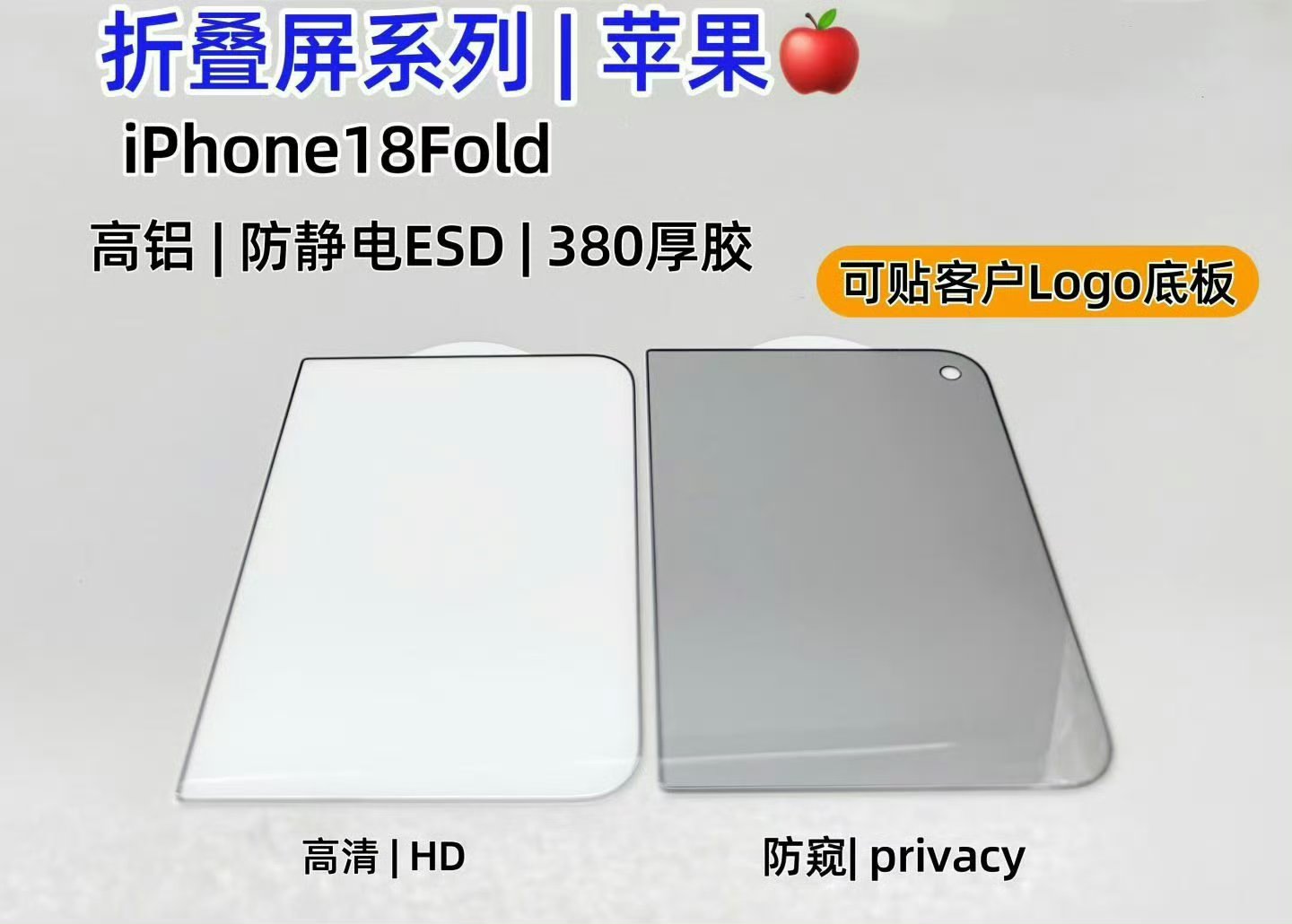
Just when the design narrative seemed to lean towards an unusual asymmetry, a new set of clues emerged, offering a fresh and potentially more "Apple-like" perspective. This time, the insight came from screen protectors for the iPhone Ultra that surfaced online today. Accessory makers, particularly those producing screen protectors, often receive preliminary design specifications or CAD files well in advance of a device's official launch to ensure their products are ready on day one. While not definitive, these leaks can provide valuable glimpses into key design elements, especially cutouts for cameras and sensors.
What these screen protectors reveal is a fascinating departure from the dummy unit’s suggestion. They indicate a selfie camera cutout on the top-right corner of the outer display when the device is closed. This is a significant detail because, when combined with the dummy units' suggestion of a top-left inner selfie camera, it paints a very different picture. Instead of two distinctly separate and asymmetrical camera zones, this new information suggests a more cohesive and integrated approach. It implies that the device's selfie cameras on both the inner and outer displays may actually be located within the same general corner of the same half of the device, with one lens facing outwards when folded and the other facing inwards when unfolded.
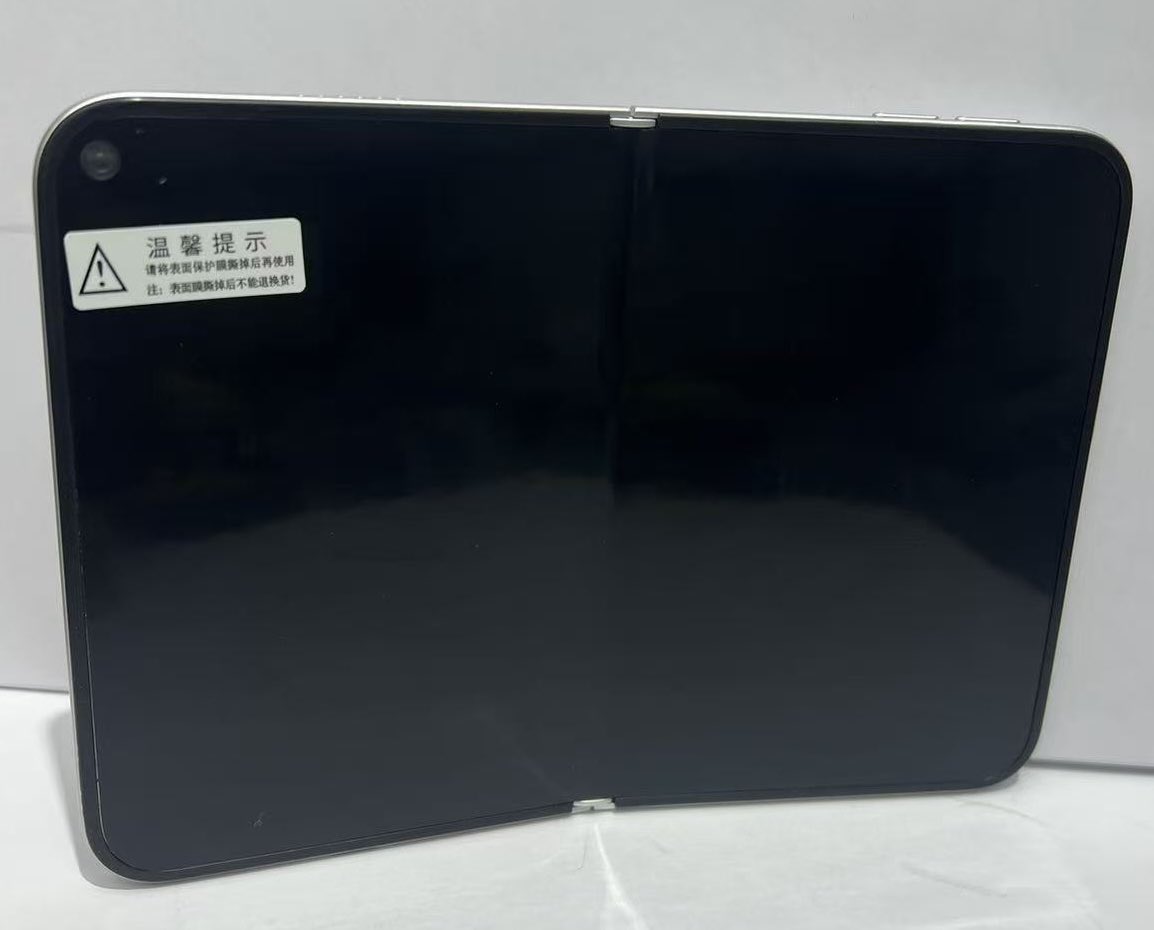
This reinterpretation of the leaks, taking the screen protectors' insights together with the earlier dummy unit information, could imply one cleverly designed front-facing camera zone situated within a single corner. Imagine a compact module or assembly within the device's chassis that houses both lenses, strategically positioned to serve both display states. When the device is closed, one lens within this corner module peers out over the outer display, ready for quick access. When unfolded, the device cleverly utilizes a different lens within that same corner module, or perhaps a clever optical path, to serve the expansive inner display. This "single camera zone" theory not only addresses the functional requirements of having cameras for both displays but does so in a manner that better aligns with Apple's preference for elegant, integrated solutions over scattered, disparate components. It hints at a sophisticated engineering feat designed to optimize space and maintain a clean aesthetic, regardless of whether the iPhone Ultra is in its phone or tablet configuration.
The Ingenuity of a "Single Corner" Placement
If the combined intelligence from these leaks holds true, suggesting a unified camera zone in a single corner, it would represent a remarkable feat of engineering ingenuity. Such an arrangement—where two slightly offset lenses or a sophisticated optical system are confined to a single region—offers several compelling advantages for a device where internal space is arguably the most precious commodity. Foldable phones are inherently complex, packed with a flexible display, a robust hinge mechanism, two batteries (often), and the full suite of components found in a flagship smartphone. Every millimeter of internal space is accounted for, making efficient component placement critical.
By consolidating the selfie camera cutouts and camera modules into one specific corner of the chassis, Apple could avoid the need to distribute these components across different sections of the device. This strategic consolidation would free up valuable internal real estate elsewhere, allowing for potentially larger batteries, more advanced haptic engines, or even improved cooling systems. Moreover, concentrating these elements simplifies the wiring and interconnectivity, potentially reducing manufacturing complexity and improving reliability. For a device that needs to be as thin and elegant as the iPhone Ultra is expected to be, this space-saving strategy is not just beneficial, but arguably essential. A thin chassis, rumored to be around 4.5mm thick in its unfolded state, demands every component be optimized for size and placement. Scattering camera modules and their associated circuitry throughout the device would inevitably lead to thicker bezels, inconsistent thickness, or larger overall dimensions, all of which would detract from Apple's design goals.
Furthermore, this approach resonates deeply with Apple's overarching design philosophy: to solve complex engineering problems with elegant, seemingly simple solutions. Rather than simply adding two separate, distinct camera cutouts that might appear clunky or unbalanced, integrating them into a single, discreet corner allows for a cleaner visual presentation. It means the user experiences a more harmonious design, whether they are using the outer screen or the inner, expansive display. The focus remains on the content and interaction, not on distracting cutouts. This "single corner" solution could be a testament to Apple's prowess in miniaturization and integration, transforming a potential design challenge into a hallmark of refined engineering. It aligns with their history of innovative solutions, such as the notch (and later, Dynamic Island) on traditional iPhones, which integrated multiple sensors into a visually coherent area. For the iPhone Ultra, this unified camera zone could become an iconic design element, symbolizing Apple's thoughtful approach to the foldable frontier.
Weighing the Evidence: Leaks, Rumors, and Reality
It is crucial to approach these leaks and theoretical interpretations with a healthy dose of skepticism. While fascinating and highly plausible, information derived from accessory makers—like screen protectors—or early dummy units can sometimes be based on preliminary CAD files or even speculative designs of varying accuracy. These sources, though often providing early insights, are not official confirmations from Apple. The accessory industry operates on a tight schedule, often beginning production of cases and screen protectors months before a device's launch, relying on the best available intelligence at the time. Therefore, a pair of screen protectors, while suggestive, cannot be considered definitive evidence of the iPhone Ultra's final design. Designs can evolve, and last-minute changes are not unheard of, especially with a device as complex and secretive as a foldable iPhone from Apple.
Our current reading also makes a significant assumption: that the earlier dummy iPhone Ultra models had one camera placement correct (the top-left inner selfie camera) and one out of whack (the centered outer camera). This selective interpretation of different leaks highlights the inherent challenges in piecing together a comprehensive picture from disparate, unofficial sources. It requires a degree of analytical extrapolation and a judgment call on which pieces of information are more likely to be accurate or representative of Apple's final intentions. However, despite these caveats, the theory of a side-by-side internal placement within a single corner does make compelling sense. It aligns with Apple's known design principles of efficiency, minimalism, and integration, more so than the initially suggested, asymmetrical layout. The engineering advantages of consolidating components are undeniable, especially within the tight constraints of a foldable form factor.
This method of "reading" the leaks involves a careful consideration of consistency, plausibility, and alignment with Apple's historical design patterns. When a theory elegantly resolves conflicting information and simultaneously offers practical engineering benefits, its credibility increases. The idea of housing both front-facing cameras in a single, well-managed corner area addresses both aesthetic concerns and technical requirements. It demonstrates Apple's commitment to delivering a polished, seamless experience rather than simply bolting on features. While we await official confirmation, the collective weight of these rumors, particularly the more recent screen protector insights, paints a vivid picture of a thoughtful and innovative solution to one of the iPhone Ultra's most pressing design puzzles. The tech community holds its breath, eager to see if this ingenious "single corner" solution will indeed be the elegant reality Apple unveils.
Beyond the Cameras: What Else to Expect from the iPhone Ultra
While the selfie camera placement has been a hot topic, it's only one piece of the larger puzzle that is the iPhone Ultra. We'll know one way or another soon enough, as the device is expected to be unveiled next month, likely at a highly anticipated Apple event. Beyond its innovative foldable form factor, the iPhone Ultra is rumored to come packed with an array of cutting-edge features and specifications that are set to make it a true flagship in every sense of the word. The display technology itself is a major draw: reports suggest a generous 5.5-inch cover display, offering a substantial and practical screen experience even when the device is folded. This means users won't feel constrained, able to perform most tasks without needing to unfold the device. When unfolded, the device will reveal an expansive 7.8-inch inner display, transforming into a mini-tablet ideal for media consumption, multitasking, and productivity. This dual-display setup promises unparalleled versatility, adapting to different user needs throughout the day.
Under the hood, the iPhone Ultra is expected to be powered by the formidable A20 Pro chip. Apple's custom-designed A-series chips consistently lead the industry in performance and efficiency, and the A20 Pro is anticipated to continue this tradition. This chip will ensure buttery-smooth performance across all applications, from demanding games to complex augmented reality experiences, and will be optimized for the unique demands of a foldable device and its dual displays. In a surprising departure from recent iPhone flagships, the iPhone Ultra is rumored to feature Touch ID integrated into the Side button, potentially in lieu of Face ID for primary biometric authentication. This could be a strategic choice to simplify the camera and sensor array on the front displays, or to offer a more reliable unlocking experience in varying light conditions or while wearing masks. The return of Touch ID, albeit in a new form factor, would be a welcome feature for many long-time Apple users.
Battery life is always a critical concern for any smartphone, and even more so for a foldable with two power-hungry displays. To address this, the iPhone Ultra is expected to house a robust 5,000mAh battery. This substantial capacity should provide ample power to get users through a full day of mixed usage, even with the larger screen and powerful processor. On the photography front, the device is rumored to sport a powerful 48-megapixel dual rear camera system. This high-resolution main sensor, likely paired with an advanced ultra-wide or telephoto lens, promises to deliver stunning photos and videos across various scenarios, continuing Apple's legacy of setting benchmarks in mobile photography. All these components, from the flexible display to the powerful chip and advanced cameras, are expected to be meticulously integrated into a premium, durable chassis, reflecting Apple's commitment to delivering not just a foldable phone, but a truly exceptional and groundbreaking mobile device that sets a new standard for the industry.
The Future is Foldable: Apple's Vision Unfolds
The iPhone Ultra isn't just another incremental upgrade; it represents a monumental leap for Apple into an entirely new product category. The design choices, particularly concerning the elegant placement of its dual selfie cameras, underscore Apple's commitment to not just adopting new technologies, but perfecting them before bringing them to market. This meticulous approach ensures that when Apple finally steps into the foldable arena, it does so with a device that feels polished, intuitive, and inherently "Apple." The anticipation surrounding the iPhone Ultra is palpable, reflecting not just the excitement for a new gadget, but a deeper curiosity about how Apple will interpret the future of personal computing in a flexible form factor.
Apple's history is replete with examples of entering established markets and redefining them – from MP3 players to smartphones and smartwatches. Each time, they’ve managed to introduce innovations that not only elevate the user experience but also inspire countless imitators. The iPhone Ultra is poised to do the same for the foldable market. Its rumored features, from the powerful A20 Pro chip and versatile display configuration to the substantial battery and advanced camera system, all point towards a device designed to seamlessly integrate into users' lives, offering unprecedented flexibility and power. The ingenious solution for the selfie cameras, consolidating them into a single, discreet corner, exemplifies this dedication to integrated design and aesthetic cleanliness.
As the expected unveiling date draws near, the tech world watches with bated breath. The iPhone Ultra isn't merely a phone; it's a statement. It’s Apple’s vision for how a device can be both incredibly compact and expansively immersive, adapting to any task, anywhere. This device has the potential to fundamentally shift perceptions of what a smartphone can be, setting new standards for design, performance, and user interaction in the foldable space. Prepare to witness a new chapter in mobile technology, engineered with Apple's signature blend of innovation and elegance. The future of the iPhone is flexible, and it’s about to unfold.
This article, "iPhone Ultra's Two Selfie Cameras Could Sit in the Same Corner" first appeared on MacRumors.com
Discuss this article in our forums
from MacRumors
-via DynaSage
