
'iPhone Ultra' Could Face Staggered Market Rollout, US Only at Launch
The Highly Anticipated Apple Foldable iPhone Ultra: Is a Staggered Global Launch on the Horizon?
The tech world is buzzing with excitement about Apple's potential entry into the foldable smartphone market. For years, rumors have swirled, but now, with an expected unveiling just weeks away, the reality of an "iPhone Ultra" foldable device feels closer than ever. However, new reports suggest that not everyone will be able to get their hands on this revolutionary device at the same time. It appears Apple's first foldable phone might launch in phases, initially being exclusive to the U.S. market before slowly expanding to other countries over several months.
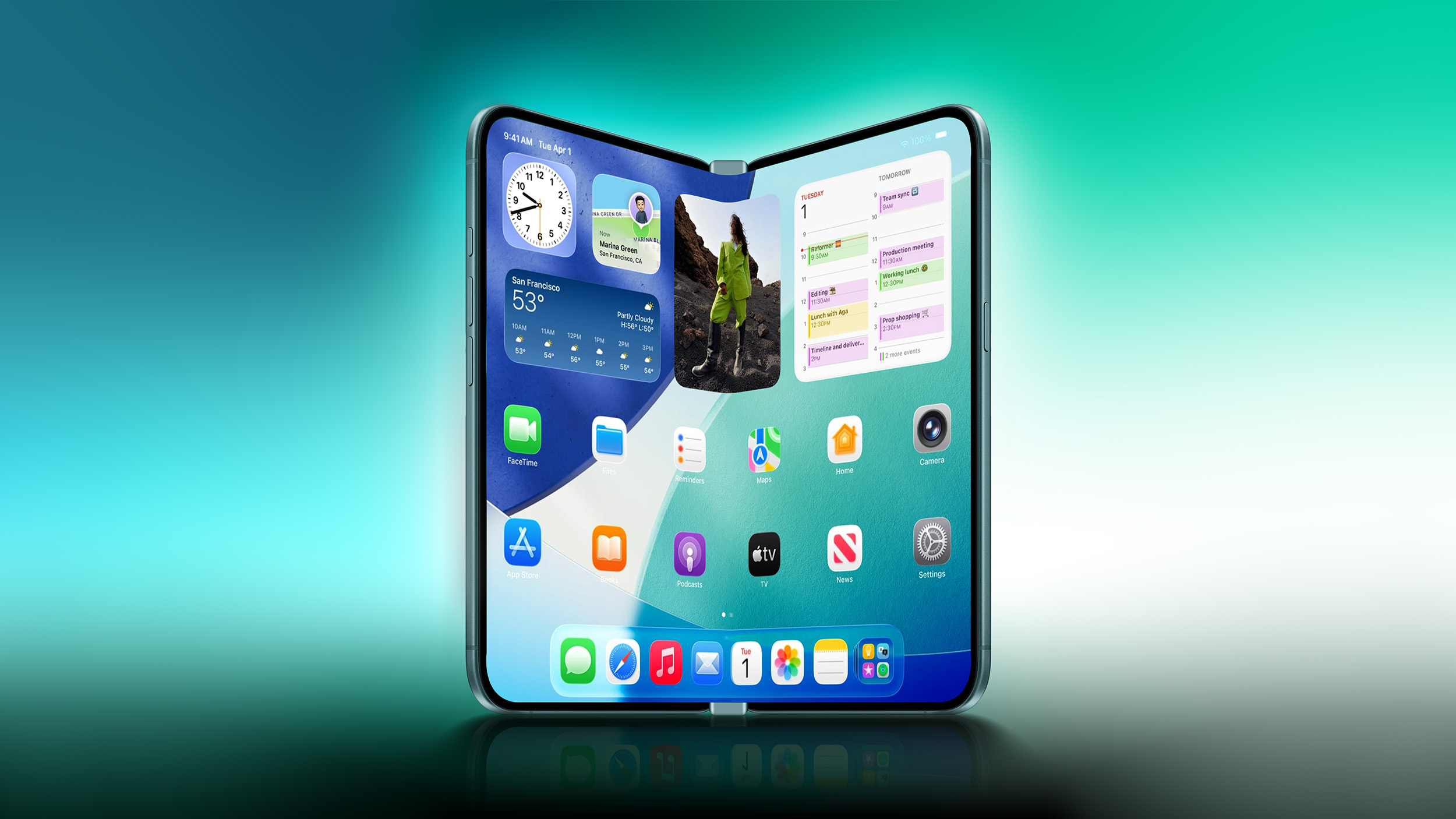
According to an exclusive report from the Australian publication ChannelNews, local mobile carriers and a prominent retailer have indicated that the foldable iPhone, often referred to as the "iPhone Ultra" or "iPhone Fold," won't be available in Australia when the new iPhone 18 Pro models are released. This suggests a significant departure from Apple's usual simultaneous global launches for its flagship smartphones. Even though the foldable device is expected to be unveiled alongside the iPhone 18 Pro lineup in September, its actual shipping dates for many regions could be much later. The report specifically states that Apple plans to roll out this book-style foldable phone first in the U.S., with major markets like China following a few months later, possibly over a period of two to three months.
Why the Delay? Unpacking the Challenges Behind a Phased Launch
The primary reasons cited for this potential staggered release are two-fold: supply chain setbacks and what are vaguely described as "pricing problems." A new and complex product like a foldable phone inherently comes with manufacturing hurdles. Producing millions of these advanced devices, each with intricate components like flexible displays and sophisticated hinge mechanisms, is a monumental task. Any hiccup in the supply chain – whether it's sourcing specific materials, delays in component manufacturing, or logistics issues – can significantly impact the overall production volume and speed.
Furthermore, the report highlights "testing issues with production models that have already been built." This is a critical point. Even after a device moves past the prototyping phase and into initial production, extensive testing is required to ensure quality, durability, and performance. For a foldable phone, these tests are even more rigorous. They would involve repeatedly folding and unfolding the device thousands of times to check the hinge mechanism, stress-testing the flexible display for creasing or damage, evaluating the battery life with dual screens, and ensuring the software seamlessly transitions between different display states. Discovering issues during this stage could necessitate design tweaks or manufacturing process changes, leading to delays and reducing the immediate supply.
The mention of "pricing problems" also raises questions. This could mean Apple is grappling with the high manufacturing costs associated with pioneering this technology, making it difficult to set a global price that is both profitable and appealing to consumers. Or, it could relate to currency fluctuations and market-specific pricing strategies, especially for a device expected to cost above $2,000. Launching in a single major market like the U.S. first might allow Apple to gather initial feedback on consumer acceptance of the price point and production quality before committing to a broader, more complex global rollout.
Analyst Insights Align with Supply Concerns
These new rumors from *ChannelNews* align with previous predictions from respected Apple analyst Ming-Chi Kuo. Last month, Kuo suggested that while Apple would unveil its first foldable iPhone alongside the iPhone 18 Pro and iPhone 18 Pro Max, the "iPhone Ultra" pre-orders would start at a later date compared to the standard Pro models. Kuo explicitly pointed to manufacturing challenges as the reason for limiting early production. While he didn't specifically mention a staggered country-by-country rollout, the concept of later pre-orders due to production constraints is a direct precursor to such a strategy. If initial supplies are limited, prioritizing a single, large market like the U.S. makes strategic sense for Apple to manage demand and logistics.
The consistency between the independent report from *ChannelNews* and Kuo's earlier analysis strengthens the likelihood of a phased launch. It indicates that the challenges facing Apple's foldable phone project are not isolated, but rather systemic issues related to bringing such a sophisticated and novel product to market at scale. This is the first time we've heard explicit claims of a staggered country rollout, but given the context of ongoing supply issues and the complexity of the device, it emerges as a logical consequence.
A Familiar Strategy: Echoes of the Vision Pro Launch
If these reports hold true, a staggered launch for the "iPhone Ultra" wouldn't be unprecedented for Apple. The company employed a similar strategy earlier this year with the groundbreaking Vision Pro mixed-reality headset. When the Vision Pro launched in February 2024, it was initially available only in the U.S. This highly anticipated product saw its international release much later, with major Asian markets like China, Hong Kong, Japan, and Singapore getting access in June. European countries and other parts of the world, including Australia, Canada, France, Germany, and the UK, had to wait even longer, until July, to experience Apple's spatial computer.
The reasons behind the Vision Pro's phased rollout are highly relevant to the current "iPhone Ultra" speculation. Firstly, the Vision Pro represented an entirely new product category for Apple. It wasn't just another iteration of an existing device; it required new manufacturing processes, extensive software development, and specialized retail experiences. Similarly, a foldable iPhone is a significant departure from the traditional iPhone design, introducing a new form factor and requiring a rethinking of user interaction and app optimization.
Secondly, the Vision Pro was plagued by low volume production in its initial stages. Creating such advanced hardware at scale is incredibly difficult, and Apple likely wanted to ensure quality control and manage demand effectively. The same logic applies to the foldable iPhone, which is expected to feature a complex hinge mechanism and a cutting-edge flexible display. Limited initial production volumes make a simultaneous global launch logistically challenging, if not impossible, for a company that prides itself on seamless product availability.
Finally, retail store readiness played a crucial role in the Vision Pro's phased launch. Selling a device as unique and complex as the Vision Pro required specialized demonstrations and highly trained staff to guide customers through the experience and ensure proper fitting. While a foldable iPhone might not demand the same level of personalized retail interaction as the Vision Pro, it still represents a premium, high-tech product that Apple would want to introduce with care. Launching in a single market allows Apple to fine-tune its retail strategy, train sales associates, and gather valuable customer feedback before expanding worldwide.
The Technical Hurdles of Foldable Technology
Multiple industry reports have consistently highlighted the significant production hurdles Apple has faced in developing its foldable iPhone. The complexity of such a device is immense, far exceeding that of a standard smartphone. The two primary bottlenecks identified have been the hinge structure and the display durability testing.
Designing a hinge that is both robust enough to withstand countless folds and unfolds, yet slim and elegant enough to fit into Apple's design philosophy, is an engineering marvel. This hinge must operate smoothly, prevent dust and debris from entering, and minimize the crease on the flexible display when unfolded. Ensuring its long-term reliability is paramount for a premium device that users will interact with hundreds of times a day. Any flaws in the hinge design or manufacturing could lead to product failures and significant warranty claims, issues Apple strives to avoid.
Equally challenging is the flexible display itself. Unlike rigid smartphone screens, foldable displays must bend without damage, maintain optical clarity, and resist scratches and other forms of wear and tear. Apple's high standards for display quality mean that the company likely demands a near-invisible crease and exceptional durability, which are difficult to achieve with current flexible OLED technologies. Extensive testing is required to simulate years of usage, identify potential weak points, and ensure the screen remains pristine over time.
However, there's good news on this front. Recent reports indicated that many of these critical issues were thought to have been resolved during the trial production phase at Foxconn, Apple's primary manufacturing partner. Trial production is a crucial step where a limited number of devices are produced to test the manufacturing process, identify any bottlenecks, and finalize designs before mass production begins. The successful resolution of these issues apparently gave Apple the confidence to increase its production order. According to Nikkei Asia, Apple subsequently ramped up its order to approximately 10 million units, an increase from an earlier target of 7-8 million units for the year.
Production Volume: Not Enough for a Global Splash?
While an order of 10 million units for a brand-new device might sound substantial, it pales in comparison to the typical launch volumes of Apple's mainstream iPhone models. For context, analyst Ming-Chi Kuo forecasts that Apple will ship around 20-22 million units of the iPhone 18 Pro models alone this year. This means the foldable iPhone Ultra's initial production is estimated to be roughly one-third of a single Pro model generation.
Furthermore, Kuo's more conservative estimate for the foldable iPhone's total shipments in 2026 still hovers around 7-8 million units. At such a relatively small number, distributing the "iPhone Ultra" simultaneously across the 40+ countries where Apple typically launches its new iPhones would be a logistical nightmare. The limited supply would inevitably lead to severe stock shortages in almost every market, frustrating customers and potentially damaging the product's initial reception. By focusing on the U.S. first, Apple can better manage inventory, fulfill early demand in a key market, and then gradually expand as production capabilities improve.
Anticipation Builds: What to Expect from the iPhone Ultra
Despite the potential wait for some international customers, the excitement surrounding the "iPhone Ultra" remains incredibly high. Its unveiling is reportedly only a matter of weeks away, likely taking place at Apple's annual September event, which is most probable to be on Tuesday, September 8, or Wednesday, September 9. While official details are scarce, rumors have painted a picture of a truly premium and innovative device.
The "iPhone Ultra" is expected to feature an expansive inner display, rumored to be between 7.7 and 7.8 inches. This large, tablet-like screen when unfolded would offer a vastly different user experience than any iPhone before it, ideal for multitasking, media consumption, and creative work. Complementing this, a smaller 5.5-inch cover screen on the exterior would allow users to interact with the device when folded, handling notifications, quick tasks, and calls without needing to open the main display.
In terms of design, early leaks suggest a remarkably thin profile, with a thickness of roughly 4.5mm when unfolded. Such a slim design, especially for a foldable, would be a testament to Apple's engineering prowess. This premium design and cutting-edge technology are also expected to come with a hefty price tag, with starting prices rumored to be above $2,000. This positions the "iPhone Ultra" not just as a new iPhone model, but as a luxury device aimed at early adopters and tech enthusiasts willing to pay a premium for the latest innovation.
The Waiting Game: What This Means for Consumers and the Market
For consumers eagerly awaiting Apple's first foldable phone, the prospect of a staggered launch can be both exciting and frustrating. Those in the U.S. might get to experience the future of the iPhone sooner, potentially setting trends and providing initial reviews. However, customers in other major markets, particularly those facing a several-month wait, might feel left out. This could lead to increased demand for imports or a longer period of anticipation, but it also means that by the time the phone reaches their regions, any initial bugs or software quirks might have been addressed through updates.
From an SEO perspective, the "iPhone Ultra" and "foldable iPhone" keywords will undoubtedly dominate search trends in the coming months. Users will be searching for "Apple foldable phone release date," "iPhone Ultra price," "foldable iPhone specs," and "when will foldable iPhone launch in my country." Content that clearly addresses these questions, even if with caveats about unconfirmed rumors, will be highly valuable.
Ultimately, while the staggered market launch remains a claim made by the report's sources and is currently uncorroborated by official Apple statements, the evidence and historical precedents strongly suggest it's a very real possibility. We should know for sure soon enough, as the grand unveiling of the iPhone Ultra is merely weeks away. The world will be watching to see how Apple enters the foldable phone arena and what impact its innovative, albeit potentially limited, launch strategy will have on the market.
from MacRumors
-via DynaSage
