
Foldable 'iPhone Ultra' Rumored to Come in These Two Colors
The Future Unfolds: Leaks Hint at the iPhone Ultra's Debut Colors – Silver and Dark Blue Set to Sparkle
The tech world is buzzing with anticipation as new information surfaces about Apple's highly rumored first foldable smartphone, tentatively dubbed the "iPhone Ultra." This isn't just another incremental update to Apple's immensely popular iPhone lineup; it represents a bold leap into an entirely new form factor, promising to redefine what a smartphone can be. While official details remain under wraps, recent leaks have provided us with our clearest glimpse yet into one of the most exciting aspects of any new device launch: its color palette. According to newly surfaced images of camera protector accessories, Apple's pioneering foldable iPhone is poised to make its grand debut in two distinct and elegant finishes: a classic silver and a sophisticated dark blue.
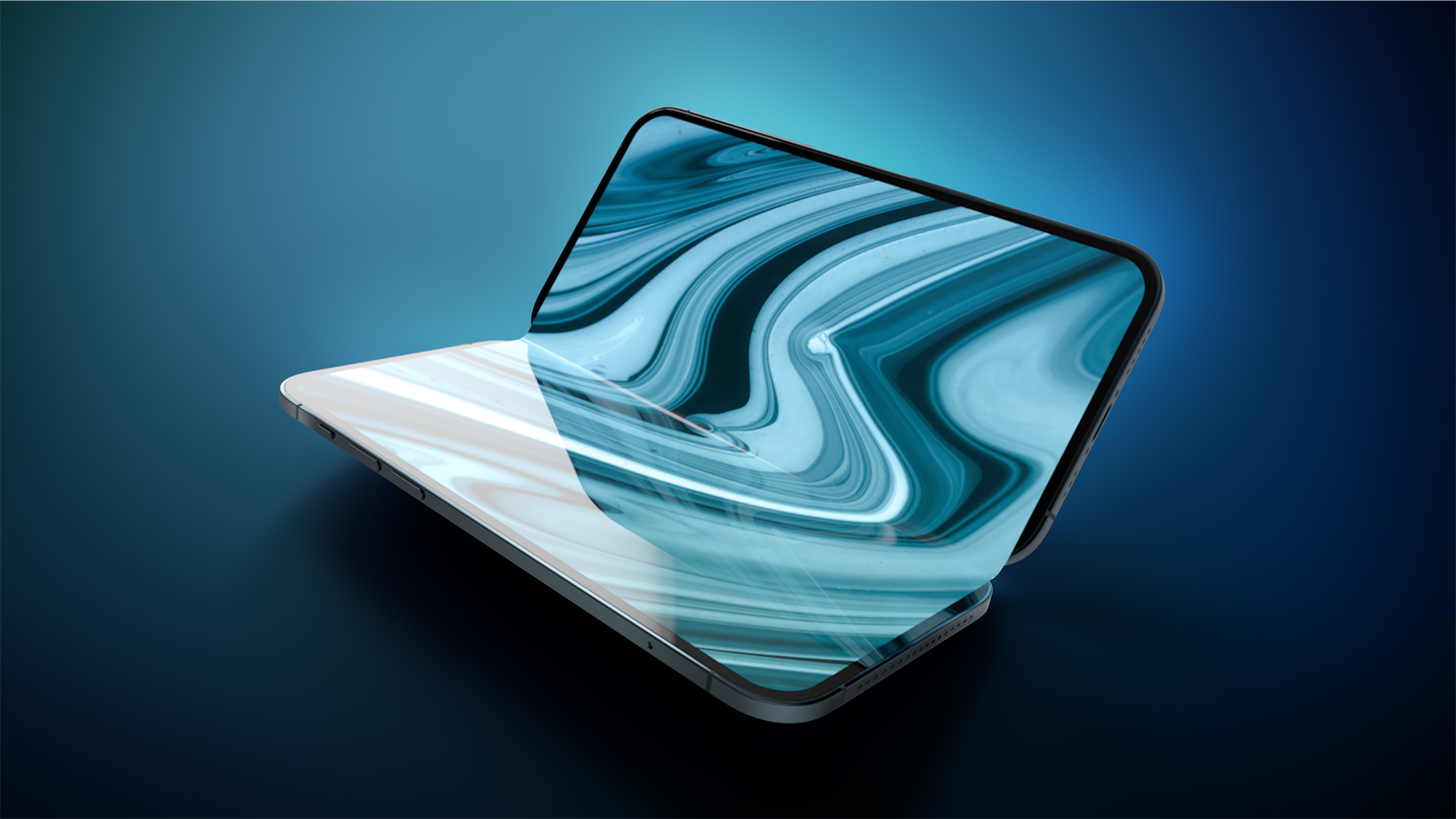
The Whispers Become Clearer: Unveiling the iPhone Ultra's Debut Hues
The latest revelation comes courtesy of Sonny Dickson, a well-known leaker with a formidable reputation for accuracy within the Apple community. Just yesterday, Dickson shared images that have since sent ripples across the internet. These aren't images of the phone itself, but rather of third-party camera protectors meticulously designed to fit the prominent camera bump of the iPhone Ultra. What makes these accessories so telling? They come in precisely two colors: one in a gleaming silver and the other in a deep, rich dark blue finish. For a product as closely guarded as Apple's first foldable, even accessories can tell a significant story, offering tangible clues about the device's aesthetic and core offerings.
The choice of silver and dark blue isn't arbitrary; it reflects a carefully considered design strategy that Apple often employs for its most premium and groundbreaking products. Silver evokes a sense of timeless elegance, professionalism, and a clean, minimalist aesthetic that has long been synonymous with Apple's brand identity. It's a color that speaks to heritage and enduring design. The dark blue, on the other hand, hints at a modern sophistication, perhaps a more subdued yet equally premium alternative to the often-seen black. Together, these two colors suggest a launch lineup that prioritizes classic appeal and high-end feel over flashy, experimental tones, a common strategy for Apple when introducing a new category-defining product. This approach allows the revolutionary form factor itself to be the primary showstopper, with the colors providing a refined backdrop.
A Legacy of Leaks: Why We Trust the Rumors from Sonny Dickson
In the fast-paced world of consumer electronics, especially concerning Apple products, leaks and rumors are an integral part of the narrative leading up to official announcements. While many sources emerge with speculative information, a select few have established themselves as consistently reliable. Sonny Dickson is undoubtedly one of these trusted voices. His track record speaks volumes, having accurately leaked details about Apple accessories, dummy models, and even critical design aspects of unreleased products on numerous occasions. This history of precision lends considerable weight to his latest revelation about the iPhone Ultra colors.
Dickson's credibility stems from his demonstrated ability to obtain early access to manufacturing components, accessory molds, or even engineering samples that precede the final product launch. For instance, he provided an early look at this year's iPhone 18 Pro colors, a leak that was later corroborated by other sources and eventually, by Apple's official reveal. Such consistent accuracy isn't a matter of luck; it indicates deep-seated connections within the supply chain and manufacturing ecosystem that Apple relies upon. When a leaker of Dickson's caliber shares images of accessory parts that align with previous textual rumors, it elevates the speculation to near-confirmation status. These camera protectors, likely manufactured by third-party accessory makers based on early specifications, serve as tangible evidence, turning abstract reports into visual realities that significantly fuel pre-launch excitement and discussions.
Confirming Earlier Reports: A Deep Dive into Foldable iPhone Color Choices
The significance of Dickson's leak extends beyond its immediate visual impact. It serves as a crucial piece of the puzzle, reinforcing and providing strong visual confirmation for several previous textual reports about the iPhone Ultra's color options. This pattern of corroborating leaks builds a robust picture of what to expect, moving us further away from pure speculation and closer to informed anticipation. A May report, for example, cited a Macworld supply chain source who described a launch lineup featuring a "classic silver and white model" alongside an "indigo option." The dark blue protector shown by Dickson aligns perfectly with the description of an indigo finish, reminiscent of the popular Deep Blue found on the iPhone 17 Pro.
Following this, a separate report in June went a step further, describing a silver finish as the first "confirmed" color for the device. This heightened the expectation for a traditional, yet premium, metallic option. Interestingly, a report published in the same week suggested that the darker option for the foldable iPhone might not be black, steering away from Apple's often-used space gray or pure black finishes for its Pro models. This particular detail is crucial, as it hinted at a nuanced dark color rather than a standard black, making Dickson's dark blue camera protector an even more precise match. The visual evidence from these accessories now offers the clearest and most compelling confirmation yet of that silver and dark blue offering, consolidating disparate rumors into a coherent and believable picture.
This careful selection of colors for a groundbreaking device like the iPhone Ultra speaks volumes about Apple's strategy. Silver and a sophisticated dark blue strike a balance between classic appeal and modern luxury. Silver, with its inherent brightness and metallic sheen, offers a clean, futuristic look that complements the innovative nature of a foldable display. It signifies precision and technological advancement. The dark blue, often associated with stability, depth, and intelligence, provides a rich, elegant alternative that avoids the starkness of black while maintaining a premium feel. Both choices are versatile, appealing to a wide range of consumers who seek a device that is both cutting-edge in technology and refined in aesthetics. This dual-color strategy could also simplify initial production and marketing efforts for Apple as they introduce a completely new product category, allowing them to focus on perfecting the foldable mechanics and user experience.
These iPhone Fold camera protectors give us a look at two of the colors planned for the device: silver and dark blue. pic.twitter.com/KMaMu4JyZE
— Sonny Dickson (@SonnyDickson) August 8, 2026
The Apple Color Philosophy: A Study in Restraint and Innovation
Apple's approach to color is often a meticulous exercise in branding and market positioning. They rarely introduce a plethora of colors for their flagship Pro models, preferring a more curated and refined palette that emphasizes the premium nature of the device. This philosophy becomes particularly evident when contrasting the rumored color choices for the iPhone Ultra with those expected for other upcoming models, specifically the iPhone 18 Pro. The restrained approach of just two colors for the foldable device – silver and dark blue – stands in stark contrast to the expected four-color lineup for the iPhone 18 Pro, which is rumored to add a new Dark Cherry finish and a Light Blue option alongside the returning Silver. A black option for the Pro models was also rumored initially, although a subsequent report suggested Apple decided not to include it this year, indicating a dynamic and evolving decision-making process even within established product lines.
Why would Apple opt for such a limited color selection for its most innovative and potentially expensive new device? There are several compelling reasons. Firstly, when introducing a completely new product category, especially one with a revolutionary form factor like a foldable screen, Apple tends to prioritize the technology and user experience over a wide array of aesthetic choices. The "wow factor" comes from the folding mechanism, the display quality, and the software integration, not necessarily from a rainbow of options. By offering only silver and dark blue, Apple keeps the focus squarely on the engineering marvel that is the foldable display and the underlying innovation.
Secondly, a limited, sophisticated color palette reinforces the premium positioning of the "iPhone Ultra." These colors are often associated with luxury goods and high-end electronics, projecting an image of exclusivity and refined taste. This strategy allows Apple to appeal to early adopters and discerning customers who appreciate understated elegance and cutting-edge technology. It also simplifies the initial manufacturing process for a complex new device, allowing Apple and its suppliers to perfect the production of the foldable components without the added complexity of managing a diverse color inventory.
Historically, Apple has often launched its groundbreaking devices with a conservative color scheme. The original iPhone was only available in black, and early iPads and MacBooks typically came in silver or space gray. Over time, as a product category matures and becomes more mainstream, Apple might introduce more vibrant and diverse color options, as seen with the standard iPhone models or even the Apple Watch. The current strategy for the iPhone Ultra suggests that Apple views this first-generation foldable as a premium, pioneering device, setting it apart from its more established smartphone brethren. The Dark Cherry and Light Blue for the iPhone 18 Pro indicate a desire to refresh the aesthetic of an already familiar line, offering consumers more choices within a category they already understand well. The Ultra, however, is charting new territory, and its initial colors are a testament to that pioneering spirit.
Beyond the Hues: The Foldable iPhone's Groundbreaking Camera Design
While colors certainly capture attention, the leaked camera protectors offer more than just aesthetic hints; they provide a clear visual confirmation of the widely rumored design of the camera plateau on the back of the foldable iPhone. This design, featuring two horizontally arranged lenses alongside a pill-shaped flash and a LiDAR scanner, is a significant detail. It speaks volumes about Apple's engineering approach to integrate advanced photography capabilities into a device with a dynamic, folding form factor, which often presents unique space and layout challenges.
Let's break down the implications of this camera design. The presence of "two horizontally arranged lenses" strongly suggests a multi-camera system, likely comprising a main wide-angle lens and possibly an ultra-wide or telephoto lens. The horizontal orientation is particularly interesting. On traditional, rigid iPhones, cameras are often vertically stacked or arranged in a triangular module. A horizontal arrangement might be a strategic choice to optimize space within the folded or unfolded phone chassis, ensuring that the camera system doesn't create an awkward bulge or interfere with the hinge mechanism. It could also be designed for better balance when the phone is held horizontally for photography or videography, a common use case.
The "pill-shaped flash" is another notable detail. Apple has continuously refined its True Tone flash technology, and a pill-shaped design could indicate a more powerful, larger flash module, or perhaps a different arrangement of LEDs for improved illumination in low-light conditions. A more sophisticated flash would be crucial for a premium device like the iPhone Ultra, ensuring high-quality photos regardless of ambient light.
Perhaps most indicative of the device's advanced capabilities is the inclusion of a "LiDAR scanner." LiDAR (Light Detection and Ranging) technology is a key feature on Apple's Pro models, offering precise depth mapping capabilities. This is vital for several advanced functions:
- Improved Autofocus: LiDAR significantly enhances autofocus speed and accuracy, especially in low light.
- Portrait Mode Enhancements: More accurate depth data leads to better subject-background separation for stunning portrait photos.
- Augmented Reality (AR): LiDAR is fundamental for robust and realistic AR experiences, allowing digital objects to interact seamlessly with the physical environment. For a device that might offer expansive screen real estate when unfolded, advanced AR capabilities could be a major selling point, transforming the phone into an immersive AR canvas.
- Low-light Photography: The depth map aids in capturing better detail and reducing noise in challenging lighting conditions.
The integration of LiDAR, along with multiple high-quality lenses and an advanced flash, signals that Apple is not compromising on its industry-leading camera performance, even within the constraints of a new foldable design. This setup suggests that the iPhone Ultra will be a formidable photography tool, capable of capturing stunning images and videos, and providing a gateway to cutting-edge AR applications, further justifying its "Ultra" moniker and premium positioning in the market.
The "Ultra" Experience: What Does it Mean for a Foldable?
The consistent use of the "Ultra" moniker in leaks and discussions about Apple's first foldable iPhone is highly significant. Apple has a clear brand hierarchy, and "Ultra" implies the pinnacle of performance, durability, and features within a product category. This branding was first introduced with the Apple Watch Ultra, a device engineered for extreme sports and demanding environments, boasting extended battery life, enhanced ruggedness, and advanced sensors. Translating this "Ultra" philosophy to a foldable iPhone offers intriguing possibilities and sets high expectations.
For a foldable smartphone, an "Ultra" designation could imply several key attributes:
- Unparalleled Durability: The biggest concern for many foldable devices is their long-term durability, especially the hinge and the flexible display. An "iPhone Ultra" would likely feature Apple's most robust hinge design, perhaps using advanced materials, and a highly resilient display technology that can withstand tens or even hundreds of thousands of folds without degradation. Expect superior water and dust resistance, potentially exceeding what's available on current rigid iPhones.
- Peak Performance: The device would undoubtedly house Apple's latest and most powerful A-series chip, ensuring lightning-fast performance for demanding applications, advanced multitasking, and high-fidelity gaming, particularly when utilizing the larger, unfolded screen. This would make it not just a phone, but a powerful portable computing device.
- Advanced Display Technology: Beyond just folding, the "Ultra" display might incorporate Apple's best ProMotion technology for adaptive refresh rates, higher peak brightness, and superior color accuracy. It could also feature advanced protective layers, perhaps even self-healing properties, to mitigate potential screen damage.
- Enhanced Battery Life: Given the dual-screen setup and potentially larger form factor, optimizing battery life for an "Ultra" foldable would be crucial. Apple would likely pack in its most efficient battery technology to ensure all-day power, even with heavy usage of the larger display.
- Exclusive Software Features: An "Ultra" foldable iPhone would almost certainly introduce unique software optimizations in iOS, specifically designed to take full advantage of the folding screen. This could include seamless app transitions between folded and unfolded states, enhanced split-screen multitasking, and new modes for photography or video conferencing that leverage the unique form factor. Imagine using one half of the screen as a trackpad or keyboard, or placing the phone in a tent mode for watching media.
- Premium Materials and Finish: The "Ultra" branding would extend to the device's construction, likely incorporating high-grade materials like aerospace-grade titanium, reinforced glass, and possibly a unique textured finish that contributes to both its durability and premium feel, complementing the rumored silver and dark blue colors.
- Higher Price Point: Naturally, an "Ultra" foldable would occupy the absolute top tier of Apple's pricing structure, reflecting the cutting-edge technology, research & development, and premium materials involved. It would be a halo product, showcasing Apple's engineering prowess and setting a new benchmark for what a smartphone can achieve.
By branding its first foldable as "Ultra," Apple isn't just releasing a new phone; it's defining a new class of device within its ecosystem. It signals a product designed without compromise, targeting users who demand the very best in innovation, performance, and reliability, and are willing to invest in a truly transformative mobile experience.
Navigating the Foldable Frontier: Apple's Entry into a Growing Market
Apple's potential entry into the foldable smartphone market with the iPhone Ultra marks a pivotal moment for both the company and the industry. For years, tech enthusiasts have speculated about when, and how, Apple would approach this nascent but rapidly evolving segment. Unlike many of its competitors, Apple is rarely the first to market with a new technology. Instead, its strategy typically involves waiting for the technology to mature, observing competitor offerings, learning from their successes and failures, and then entering with a highly refined, often category-defining product that elevates the user experience to new heights.
The foldable phone market is currently dominated by players like Samsung, which has been refining its Galaxy Z Fold and Z Flip series for several generations, along with strong contenders from Huawei, Xiaomi, Oppo, and Google with its Pixel Fold. These companies have explored various form factors, hinge designs, and software implementations, each facing unique challenges related to display durability, hinge longevity, software optimization for folding screens, and cost. Apple's patient approach suggests they've been meticulously researching and developing solutions to these challenges, aiming to launch a device that sidesteps many of the issues that plagued early foldable iterations.
Apple's differentiation strategy for the iPhone Ultra is likely to hinge on several factors:
- Seamless Software Integration: With its tight control over both hardware and software, Apple is uniquely positioned to deliver an incredibly smooth and intuitive user experience that truly leverages the folding display. Expect iOS to offer robust multitasking features, app adaptations, and innovative modes that make the foldable form factor genuinely useful, not just a gimmick.
- Uncompromising Quality and Durability: The "Ultra" branding itself suggests a focus on best-in-class materials, engineering, and build quality, addressing common concerns about foldable longevity. Apple's reputation for premium build and user experience will be critical here.
- Ecosystem Advantage: The iPhone Ultra will seamlessly integrate into Apple's vast ecosystem of devices and services, offering continuity across iPhones, iPads, Macs, and Apple Watches. This established ecosystem is a powerful draw for existing Apple users.
- Camera Excellence: As revealed by the leaks, the iPhone Ultra will carry forward Apple's legacy of exceptional photography, possibly even introducing new camera mechanics or software features optimized for the foldable design.
- Design Aesthetic: Even with a folding screen, Apple will undoubtedly maintain its signature minimalist and elegant design language. The rumored silver and dark blue colors are testament to this refined aesthetic.
The arrival of the iPhone Ultra could significantly impact the broader foldable market. Apple's entry often legitimizes new product categories in the eyes of mainstream consumers, potentially accelerating adoption and inspiring further innovation from competitors. It could also drive down costs over time as the technology becomes more widespread and efficient to produce. This isn't just another smartphone launch; it's Apple's strategic move to redefine the future of mobile computing and cement its position at the forefront of technological innovation.
Anticipation Builds: The Countdown to Announcement
The excitement surrounding the iPhone Ultra is reaching a fever pitch, and these latest color leaks only intensify the anticipation. According to consistent reports, the foldable iPhone Ultra is expected to be officially announced alongside the new iPhone 18 Pro and iPhone 18 Pro Max models next month. This strategic simultaneous launch would allow Apple to present a comprehensive vision for its smartphone lineup, showcasing both the evolution of its traditional flagships and the revolutionary dawn of its foldable era.
The timing is crucial. By unveiling the iPhone Ultra alongside its mainstream Pro models, Apple ensures that its groundbreaking foldable device receives maximum attention while also catering to its loyal customer base who prefer the classic iPhone form factor. This highly anticipated event will undoubtedly be one of the most significant Apple keynotes in recent memory, as the world watches to see if the company can once again redefine the smartphone experience and solidify its leadership in mobile innovation. The leaks have set the stage, painting a compelling picture of a device that is both technologically advanced and elegantly designed. Now, all eyes turn to Apple for the official unveiling, eager to witness the future unfold.
Conclusion
The latest images of camera protectors, shared by reliable leaker Sonny Dickson, have brought us closer than ever to understanding the initial aesthetic offerings of Apple's highly anticipated iPhone Ultra. The revelation that the first foldable iPhone is rumored to launch in classic silver and sophisticated dark blue finishes aligns perfectly with Apple's strategic approach to introducing groundbreaking premium devices. These colors, along with the detailed camera design featuring horizontal lenses and a LiDAR scanner, speak volumes about Apple's commitment to both elegant design and uncompromised functionality in its entry into the foldable market. As we inch closer to its expected announcement next month, the iPhone Ultra promises to be a true testament to Apple's engineering prowess, setting a new benchmark for innovation and experience in the world of mobile technology.
This article, "Foldable 'iPhone Ultra' Rumored to Come in These Two Colors" first appeared on MacRumors.com
Discuss this article in our forums
from MacRumors
-via DynaSage
