
Base iPhone 18 Tipped to Get These Two Pro-Level Upgrades
The world of smartphone technology is constantly buzzing with predictions and leaks, especially when it comes to Apple's highly anticipated iPhone lineup. As we look towards the future, attention is already turning to the iPhone 18, expected to make its debut in March 2027. Early whispers from respected industry analysts suggest that the standard iPhone 18 model could be set for some significant upgrades, bringing it closer in capability to its "Pro" siblings. These potential enhancements include a substantial boost in memory and a refined design for one of its most distinctive features.
For years, Apple has strategically differentiated its standard iPhone models from the more premium Pro versions, often by reserving cutting-edge features and higher specifications for the latter. However, if the latest insights prove accurate, the base iPhone 18 could break this tradition in meaningful ways, offering users a more powerful and immersive experience without necessarily stepping up to the Pro tier. This strategic shift could redefine expectations for what a "standard" iPhone can deliver, preparing the entire lineup for future innovations like advanced artificial intelligence.
These early predictions paint a fascinating picture of Apple's direction, balancing innovation with product segmentation. Understanding these rumored changes requires delving into the technical specifications, the implications for user experience, and the ongoing debate among analysts about Apple's precise plans. Let's unpack the details of these exciting potential upgrades, starting with one of the most fundamental components: Random Access Memory, or RAM.
The Power of Memory: iPhone 18's Potential RAM Boost
At the heart of every powerful smartphone lies its Random Access Memory (RAM). Think of RAM as your iPhone's short-term memory or its workspace. When you open an app, switch between multiple applications, or perform demanding tasks like editing photos or playing graphics-intensive games, it's RAM that allows your device to store and quickly access the data needed for these operations. The more RAM an iPhone has, the more smoothly it can handle multitasking, run complex applications, and maintain overall responsiveness without slowing down. It's crucial for a fluid and frustration-free user experience.
Historically, Apple has been known for equipping its iPhones with less RAM compared to many Android counterparts, a testament to its highly optimized iOS operating system and efficient hardware-software integration. Apple's meticulous design ensures that even with seemingly lower RAM numbers, iPhones often outperform or match devices with theoretically superior specifications. However, as software becomes more sophisticated and demands grow, especially with the advent of on-device artificial intelligence, the need for more RAM becomes increasingly apparent.
According to respected analyst Jeff Pu, a significant change is on the horizon for the base iPhone 18. He predicts that this model will come equipped with a hefty 12GB of RAM. This would mark a substantial jump from the 8GB found in the previous iPhone 17 generation, representing a 50% increase in memory capacity. Such an upgrade is not merely incremental; it signals a fundamental shift in the base model's capabilities, potentially unlocking new levels of performance and future-proofing the device against increasingly demanding applications.
Bridging the Gap: Pro-Level RAM for the Base Model
What makes this 12GB RAM prediction particularly noteworthy is its implication for Apple's product segmentation strategy. If accurate, the base iPhone 18 would gain the same amount of memory as the current iPhone 17 Pro models. This move would effectively bring a "Pro-level" hardware specification to a more accessible device, blurring the lines that traditionally separate Apple's standard and premium offerings. For consumers, this could mean an experience closer to the top-tier iPhones without the associated higher price tag.
The reasoning behind such a significant upgrade could be multifaceted. As iOS continues to evolve and introduce more resource-intensive features, a larger pool of RAM becomes essential for maintaining peak performance. Furthermore, with the growing emphasis on advanced computational photography, augmented reality (AR) applications, and on-device machine learning (ML), the iPhone 18 will need robust memory to handle these complex workloads efficiently. A 12GB RAM configuration would provide ample headroom for these future demands, ensuring the device remains powerful and responsive for years to come.
Adding weight to Jeff Pu's assessment, analyst Dan Nystedt also claimed the same 12GB RAM upgrade for the iPhone 18 back in April. This corroboration from multiple reputable sources lends credibility to the rumor, suggesting that Apple is indeed planning a substantial memory boost for its upcoming standard model. Such consensus among analysts often indicates that the information is stemming from solid supply chain insights or industry contacts, making it more likely to materialize.
The Apple Intelligence Factor and Conflicting Reports
However, the world of tech analysis is rarely without its disagreements. While Pu and Nystedt point towards a generous 12GB RAM, another highly respected analyst, Ming-Chi Kuo, offers a differing perspective. Kuo's most recent report on the subject suggests that both the iPhone 18 and the lower-cost iPhone 18e would feature only 9GB of RAM. This discrepancy highlights the fluid nature of pre-release information and the challenges of accurately predicting Apple's final specifications so far in advance.
The difference between 12GB and 9GB RAM is not just a number; it carries significant implications, especially concerning Apple's burgeoning "Apple Intelligence" features. Apple Intelligence refers to a suite of on-device artificial intelligence capabilities designed to make the iPhone smarter, more personalized, and more intuitive. These features, which could range from advanced image manipulation and content generation to sophisticated voice commands and proactive suggestions, often require substantial processing power and, crucially, ample memory to run locally on the device.
According to Kuo, a 9GB RAM configuration would specifically "prevent the devices from supporting some Apple Intelligence features." This suggests that certain high-end AI functions might be gated behind higher RAM thresholds, much like how some demanding features are exclusive to Pro models or newer chips. If true, this would create a clear distinction in the AI experience across the iPhone lineup, pushing users who desire the full suite of Apple Intelligence capabilities towards the Pro models, which are expected to retain or exceed the 12GB RAM mark.
The debate between these analysts underscores the strategic decisions Apple faces. On one hand, offering 12GB RAM in the base model could democratize powerful performance and enhance the overall user experience. On the other hand, reserving higher RAM for Pro models allows for clear product differentiation and incentivizes upgrades. The ultimate decision will likely depend on a balance of manufacturing costs, competitive pressures, and Apple's long-term vision for its AI platform. For now, the prospect of a standard iPhone 18 with 12GB of RAM is an exciting one, but the conflicting reports keep the suspense high.
The iPhone 18e: A Complementary Offering
Alongside the standard iPhone 18, Apple is also expected to release a "lower-cost" iPhone 18e model, also anticipated in the spring of 2027. This model typically serves as a more affordable entry point into the latest iPhone generation, often sharing core components with the base model but making strategic concessions to hit a lower price point. While there's a debate about the base iPhone 18's RAM, there appears to be more consensus regarding the 18e.
Both Jeff Pu and Ming-Chi Kuo agree that the iPhone 18e will come with 9GB of RAM. This alignment between the two prominent analysts strengthens the likelihood of this specification. For the 18e, 9GB of RAM would still represent a significant improvement over previous budget-friendly models, ensuring smooth performance for most everyday tasks and many advanced applications. However, if Pu's prediction for the base iPhone 18 holds true (12GB), the 18e's 9GB RAM would create a distinct tier within the non-Pro lineup, with the standard 18 offering a more robust experience, particularly concerning Apple Intelligence features.
Both the iPhone 18 and iPhone 18e are expected to be powered by Apple's next-generation A20 chip. This custom-designed silicon is a cornerstone of Apple's competitive advantage, providing industry-leading performance, energy efficiency, and advanced neural processing capabilities. The A20 chip, coupled with increased RAM (whether 9GB or 12GB), will ensure that both models deliver exceptional speed and responsiveness, handling everything from demanding games to complex AI algorithms with ease. The combination of a powerful new chip and enhanced memory is crucial for supporting the evolving demands of iOS and future software innovations.
Redefining the Front: The Narrower Dynamic Island
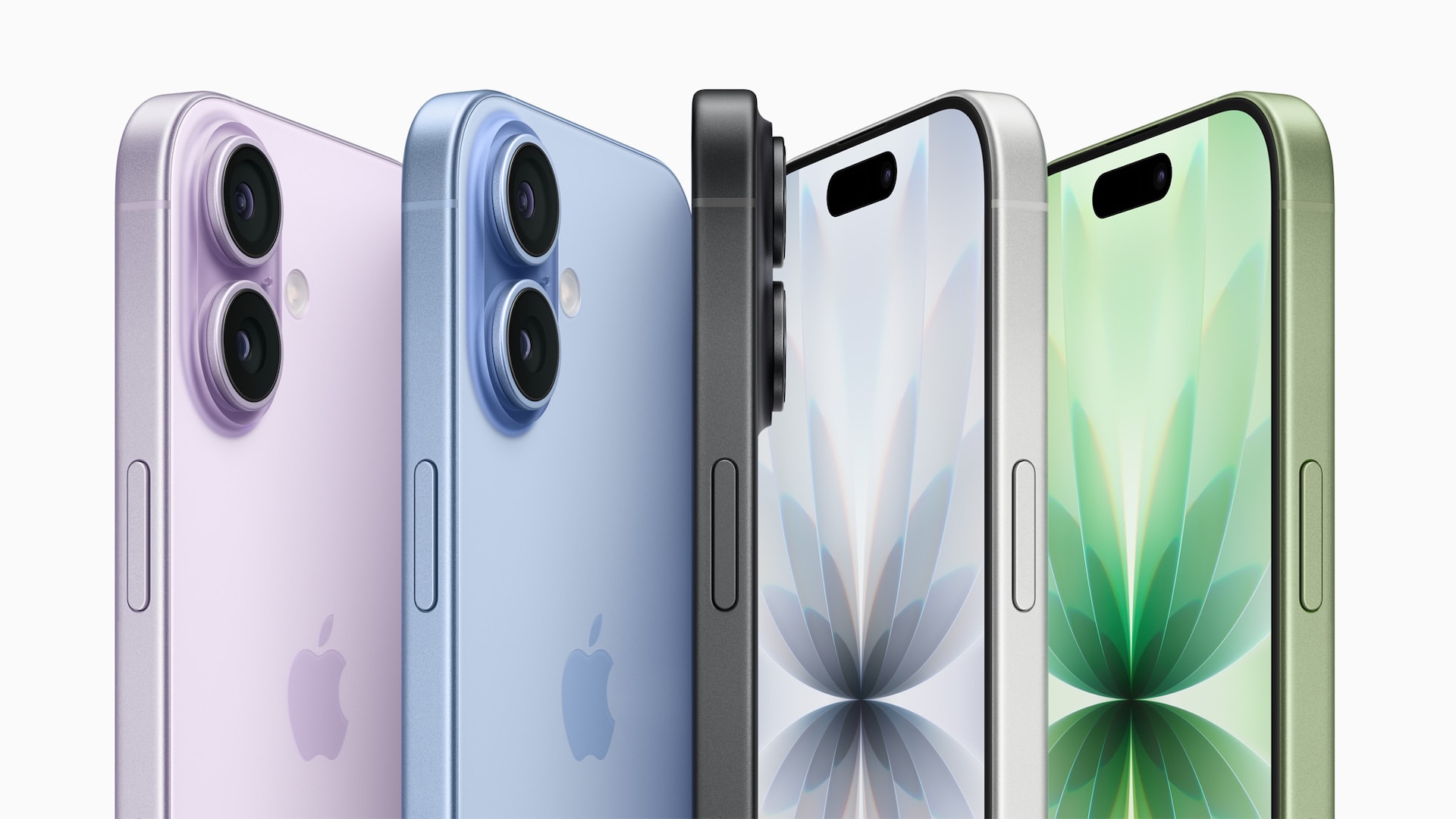
Beyond internal specifications, Apple's iPhones are renowned for their iconic design, and the front display plays a critical role in user interaction. One of the most significant design changes in recent years was the introduction of the Dynamic Island with the iPhone 14 Pro models. This innovative feature replaced the traditional notch, cleverly integrating the front-facing camera and Face ID sensors into an adaptive, pill-shaped cutout that dynamically expands and contracts to display alerts, activities, and background tasks. It transformed a potential design compromise into an interactive and useful element of the user interface.
Now, another design evolution appears to be on the horizon. Jeff Pu additionally believes that the regular iPhone 18 will feature a narrower Dynamic Island. This is a particularly interesting prediction because most of the rumors about a smaller Dynamic Island have primarily pertained to the iPhone 18 Pro models. Bringing this refined design to the base iPhone 18 would be another example of Apple trickling down premium features to its standard lineup, making sophisticated design elements more widely available.
From Pro to All: A Universal Design Improvement
The idea of a narrower Dynamic Island for the base iPhone 18 aligns with Apple's continuous efforts to maximize screen real estate and enhance the immersive viewing experience. A smaller cutout means less intrusion into the display, providing users with more usable screen space for watching videos, browsing the web, or using apps. This subtle refinement can significantly improve the aesthetic appeal and overall user satisfaction, making the front of the iPhone feel even more expansive and seamless.
Adding to this exciting possibility, Chinese leaker Ice Universe has also claimed that the smaller Dynamic Island will be adopted across the entire iPhone 18 lineup. If both Pu's and Ice Universe's predictions hold true, it would mean that every iPhone 18 model, from the base version to the Pro Max, would benefit from this refined front design. This move would unify the aesthetic across the entire generation, giving all users a more modern and uncluttered display experience.
Shrinking the Dynamic Island is no small feat from an engineering perspective. It requires miniaturizing the complex components housed within it, including the Face ID projector, infrared camera, flood illuminator, dot projector, and the front camera itself, all while maintaining their performance and reliability. Apple's ability to achieve this would underscore its prowess in hardware integration and manufacturing. The benefits of a narrower Dynamic Island extend beyond aesthetics; it frees up more pixel space for content, making notifications and system alerts feel less intrusive, and allowing apps to utilize more of the display.
This design evolution reflects Apple's philosophy of iterative improvement. Rather than radical overhauls, the company often refines existing features, making them more elegant and efficient over time. The transition of the Dynamic Island from a Pro-exclusive feature to a potentially smaller, more universal design element in the iPhone 18 lineup demonstrates a commitment to enhancing the user experience across all price points. It promises a visually cleaner front panel and a more harmonious integration of hardware and software for every user.
The A20 Chip: Powering the Next Generation
Driving the performance of both the iPhone 18 and iPhone 18e will be Apple's new A20 chip. Every year, Apple introduces a new generation of its custom-designed A-series chips, which are consistently lauded for their industry-leading performance, energy efficiency, and integrated graphics capabilities. These chips are a core reason why iPhones often feel faster and smoother than many competitors, despite sometimes having less RAM or lower clock speeds on paper. The tight integration between the chip and iOS allows for unparalleled optimization.
The A20 chip is expected to continue this tradition of excellence, building upon the strengths of its predecessors. While specific details are scarce at this early stage, we can anticipate significant improvements in several key areas. These will likely include enhanced CPU and GPU performance, leading to faster app launches, smoother gaming, and more fluid multitasking. More critically, the neural engine, which is responsible for artificial intelligence and machine learning tasks, is expected to receive a substantial upgrade. This boost in AI processing power will be crucial for supporting the aforementioned Apple Intelligence features, regardless of the RAM configuration.
The synergy between the A20 chip and the increased RAM (whether 9GB or 12GB) is vital. A powerful chip needs sufficient memory to feed it data quickly and efficiently, preventing bottlenecks that could hinder performance. Conversely, increased RAM needs a robust processor to effectively utilize its capacity. This combination ensures that the iPhone 18 and 18e will be well-equipped to handle the most demanding applications, advanced photography algorithms, and the complex on-device AI operations that are becoming increasingly central to the smartphone experience. The A20 chip promises to be a powerhouse, ensuring a responsive and future-ready experience for all users.
Apple's Strategic Moves and the Future Landscape
These potential upgrades for the iPhone 18 — particularly the RAM boost and the narrower Dynamic Island for the base model — offer intriguing insights into Apple's long-term strategy. The company appears to be making a conscious effort to bring "Pro-level" features to its standard lineup, democratizing high-end technology and making advanced capabilities accessible to a broader audience. This strategy could help maintain the iPhone's competitive edge in a saturated market, offering compelling reasons for users to upgrade even without opting for the most expensive models.
One of the driving forces behind these hardware enhancements is undoubtedly the push towards on-device artificial intelligence. As Apple invests heavily in its Apple Intelligence platform, the underlying hardware must be capable of supporting these sophisticated features. While there's still a debate over the exact RAM configuration, the general trend towards more memory and powerful chips clearly indicates Apple's preparation for a future where AI plays an even more central role in the daily smartphone experience. This move is also a response to the evolving competitive landscape, where Android manufacturers are increasingly touting high RAM counts and AI capabilities.
The role of industry analysts like Jeff Pu, Dan Nystedt, and Ming-Chi Kuo cannot be overstated in this pre-release period. They act as vital conduits of information, gathering insights from supply chains, component manufacturers, and industry contacts to piece together a picture of upcoming products. While their predictions can sometimes conflict, as seen with the RAM debate, they collectively offer a valuable glimpse into the potential innovations we can expect. Their reports help shape consumer expectations and provide context for Apple's eventual announcements.
Ultimately, these early rumors suggest that the iPhone 18 lineup, set for a March 2027 release, is shaping up to be a significant generational leap. With potential upgrades like increased RAM for enhanced performance and AI capabilities, alongside a refined Dynamic Island for an improved visual experience, Apple appears committed to pushing the boundaries of what a "standard" smartphone can achieve. These innovations promise to deliver a more powerful, elegant, and intelligent iPhone experience to users worldwide.
Conclusion: A Glimpse into Tomorrow's iPhone
The anticipation for Apple's future products is always high, and the early rumors surrounding the iPhone 18 suggest that the wait until its expected March 2027 release will be filled with exciting speculation. The potential for the base iPhone 18 to receive not one, but two "Pro-level" upgrades – a substantial 12GB RAM boost and a narrower Dynamic Island – marks a fascinating direction for Apple's product strategy. These enhancements could significantly elevate the standard iPhone experience, offering users more power, smoother multitasking, and a more immersive display, all while preparing the device for the next era of artificial intelligence.
While the exact specifications, particularly the RAM configuration, remain a subject of debate among prominent analysts like Jeff Pu and Ming-Chi Kuo, the overall trend points towards a more capable and refined iPhone. Whether it's 9GB or 12GB of RAM, both scenarios represent an advancement, and the A20 chip is poised to deliver cutting-edge performance across the board. The rumored narrower Dynamic Island across the lineup would be a welcome design refinement, making the iPhone's iconic front even more seamless and user-friendly.
As with all early predictions, these insights should be viewed with a degree of healthy skepticism until official announcements are made. However, they provide an exciting preview of what Apple might be planning for its next-generation smartphone. The iPhone 18 is shaping up to be a compelling device that could redefine expectations for Apple's standard offerings, setting a new benchmark for performance, design, and intelligent features. We look forward to seeing how these rumors materialize and what Apple ultimately unveils as the future of the iPhone.
This article, "Base iPhone 18 Tipped to Get These Two Pro-Level Upgrades" first appeared on MacRumors.com
Discuss this article in our forums
from MacRumors
-via DynaSage
