
Apple's Home Hub Will Have a Widget Gallery With iPhone Widget Support
Apple's New Home Hub: A Central Brain for Your Smart Home with a Dynamic Widget Gallery
Get ready for a significant new addition to Apple's lineup of devices designed for your home. Apple is reportedly developing an innovative home hub that seamlessly integrates its powerful Siri AI, promising to become the central command center for your digital life and smart home environment. This exciting new device is rumored to launch as early as this year, bringing with it a fresh approach to how families interact with technology in their shared spaces. At its core will be a revolutionary Widget Gallery, empowering users to personalize the content that appears on the device's home screen, making it truly adaptable to the unique needs of every household.
In today's interconnected world, smart home technology is no longer a luxury but an integral part of modern living. From controlling lights and thermostats to managing security systems and entertainment, the demand for intuitive, integrated solutions continues to grow. Apple, a company renowned for its user-centric design and robust ecosystem, has been steadily building its presence in the smart home arena through HomeKit and various accessories. However, the introduction of a dedicated home hub marks a pivotal moment, signaling Apple's ambition to offer a cohesive, visual, and intelligent interface for managing the complexities of a smart home. This isn't just another smart speaker; it's a display-equipped device designed to be glanceable, interactive, and deeply personal, yet suitable for the entire family. Its focus on a customizable Widget Gallery suggests a highly personalized experience, moving beyond static interfaces to offer dynamic, relevant information at a glance.
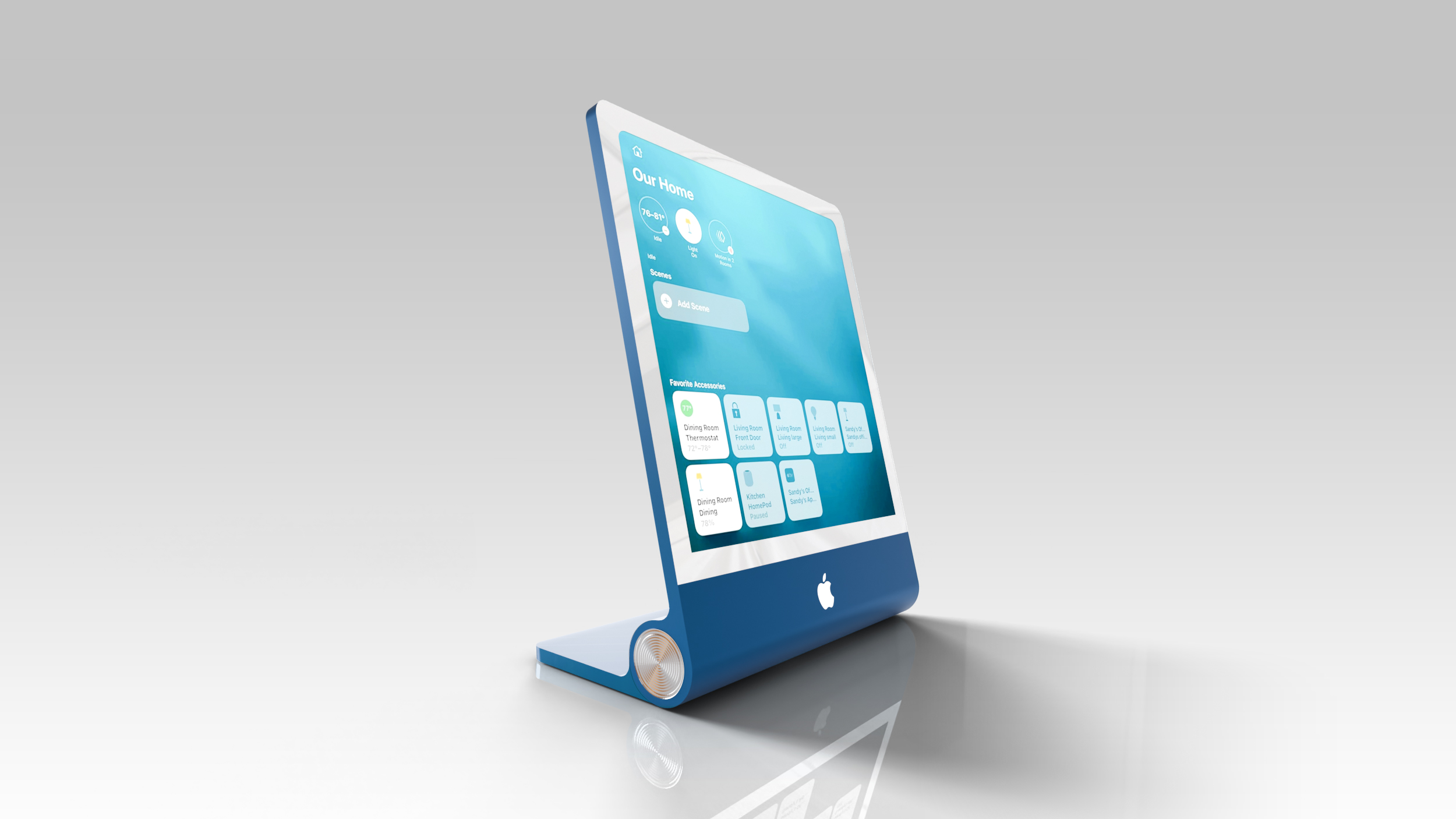
Unveiling the Widget Gallery: Insights from a Leak
The first hints of this innovative Widget Gallery, and indeed the home hub itself, emerged from an unexpected source: a leak related to an unreleased software update, specifically macOS Tahoe 26.7. This particular update inadvertently revealed a long list of unreleased Apple products, offering a fascinating glimpse into the company's future plans. Within the depths of this leaked software, developers discovered specific code strings that directly referenced the "Widget Gallery." These crucial strings were found embedded within a file identified as PosterKit-J490. For those familiar with Apple's internal development, such identifiers are goldmines of information. "J490" is understood to be the internal codename for this forthcoming home hub device, clearly linking the Widget Gallery feature directly to this new product.
The mention of "PosterKit" further illuminates Apple's design strategy for the home hub. PosterKit is Apple's underlying framework responsible for the sophisticated Lock Screen customization options available on its modern iPhones and iPads. This framework allows users to deeply personalize their Lock Screens with various styles, fonts, colors, and, crucially, widgets. The fact that the home hub utilizes a component linked to PosterKit strongly suggests that its home screen will offer a rich array of customization features. Users can likely expect to have similar levels of control over icons, widgets, and even different clock faces, echoing the personalization capabilities found on their mobile devices. This shared foundation not only streamlines development but also provides a familiar and intuitive user experience for anyone already accustomed to Apple's ecosystem. It implies a visual interface that is not only functional but also aesthetically pleasing and highly adaptable to individual preferences, allowing the home hub to blend seamlessly into any home decor while providing essential information at a glance.
Building on Familiarity: Widgets Across the Apple Ecosystem
Apple has a well-established history of implementing the Widget Gallery across its popular product lines. Users of iPhone, iPad, and Mac are already intimately familiar with this feature, using it to effortlessly add widgets to both their Home Screen and Lock Screen. This widespread adoption means that the functionality on the new home hub will feel instantly recognizable and intuitive to millions of existing Apple users. The home hub is set to incorporate a very similar mechanism, ensuring a consistent and user-friendly experience as you navigate your Apple devices.
The power of widgets lies in their ability to provide quick, glanceable information without requiring you to open a full application. On an iPhone, a weather widget can show you the current temperature and forecast at a glance. A calendar widget can display your next appointment. On a Mac, a Reminders widget helps you stay on top of your tasks directly from your desktop. These small, interactive modules are designed for efficiency and convenience. Translating this proven concept to a dedicated home hub makes perfect sense. Imagine a centralized display in your kitchen or living room showing family appointments, the current weather, smart home controls, or even a rotating photo album—all without needing to pick up another device. This continuity in design and functionality underscores Apple's commitment to creating a cohesive and integrated ecosystem, where features you love on one device seamlessly extend to another, enhancing usability and reducing the learning curve for new products. It’s about making information more accessible and interaction more natural within the shared environment of a home.
Seamless Integration: iPhone Widgets on Your Home Hub
One of the most exciting revelations from the leaked code is the deep integration planned between the home hub and your existing iPhone. The code indicates that widgets already installed on a linked iPhone will be intelligently suggested for display on the home hub. This mirroring capability is reminiscent of how iPhone widgets can appear on a Mac, even if the corresponding app isn't installed directly on the computer. This implies a highly synchronized experience where your personal ecosystem extends effortlessly to the shared family display.
Furthermore, the leaked information suggests that support for third-party app widgets will be a crucial component, in addition to Apple's own suite of applications. This is a vital aspect for any platform aiming for widespread adoption and utility. Imagine seeing a widget from your favorite smart doorbell app, a grocery list app, or a smart thermostat control, all integrated directly into your home hub's display. This opens up a world of possibilities for personalization and control, allowing users to consolidate their most important information and actions in one central location. When iPhone app widgets are displayed on the home hub, their information will be dynamically mirrored from the iPhone itself. This means real-time updates and consistent data, ensuring that the information you see on the hub is always current and accurate, without requiring separate configurations. For instance, if you have a travel app widget on your iPhone showing flight details, those same details could appear on the home hub, making it easy for anyone in the family to see important travel information at a glance. This level of synchronization reduces redundancy and ensures a fluid experience across your Apple devices.
The benefits of this iPhone widget support are manifold. For individual users, it means their personalized digital experience follows them into the home's shared space, without compromising on privacy (as we'll discuss shortly). For families, it creates a unified information hub where schedules, weather, news, and smart home controls can be accessed by everyone. The inclusion of third-party widget support is particularly significant because it demonstrates Apple's understanding that a truly useful smart home device must be open enough to integrate with the diverse range of services and products that users already rely on. This approach positions the home hub not as a closed ecosystem, but as an intelligent aggregator, bringing together disparate digital experiences into a cohesive, glanceable interface. Whether it's showing the status of your smart dryer from a dedicated appliance app or providing quick access to your favorite music streaming service, the home hub aims to be the digital canvas for your home's most essential information.
Prioritizing Privacy in a Shared Environment
In an era where digital privacy is paramount, especially for devices shared within a household, Apple is taking a thoughtful approach with its new home hub. While all users in the home will be able to see the general framework of the widgets installed on the device, the sensitive content displayed within those widgets will only become visible when the primary linked device (presumably an iPhone or iPad belonging to the widget's owner) is physically present within the home. This innovative privacy protection mechanism is crucial for maintaining personal data security in a multi-user environment.
Consider a scenario where you have a widget displaying your personal calendar appointments, or perhaps a messaging app showing recent notifications. If this information were always visible to anyone walking past the home hub, it could lead to unwanted exposure of private data. Apple's solution addresses this by creating a dynamic privacy fence. When your iPhone, recognized by the hub through its proximity (perhaps via Ultra Wideband or Bluetooth), is in the house, the hub "knows" you are present and can safely display your personal content within your designated widgets. The moment you leave, or if someone else is viewing the hub without your device present, that sensitive content would likely be obscured, redacted, or simply replaced with a generic placeholder, ensuring your personal information remains private.
This approach highlights Apple's deep commitment to user privacy, a cornerstone of its brand identity. It differentiates the home hub from some other smart displays that might offer more limited privacy controls or rely solely on voice recognition for user differentiation, which can be less robust. For families, this feature is invaluable. Parents can have their personal work schedules displayed without worrying about children accidentally viewing sensitive information. Teenagers can have their social media widgets without privacy concerns. The home hub becomes a shared resource for general information like weather, time, and shared family calendars, but transforms into a personalized information dashboard only when the relevant individual is present. This balance between shared utility and individual privacy is a complex challenge for smart home devices, and Apple's proposed solution, leveraging the presence of a linked personal device, appears to be an elegant and effective answer, further strengthening user trust in their smart home ecosystem.
Smart Stack: Intelligent Information at Your Fingertips
Enhancing the dynamic nature of the Widget Gallery, the new home hub will feature Apple's intelligent "Smart Stack." This clever feature automatically rotates through a curated selection of widgets, intelligently displaying the most relevant information to users throughout the day. It's designed to anticipate your needs and present timely updates without you having to manually search for them. While the Smart Stack operates autonomously, users will also retain the ability to manually flip through the different options within the stack, giving them full control over what they see. This blend of intelligent automation and user control epitomizes Apple's approach to technology: powerful, yet always putting the user in charge.
The concept of Smart Stack isn't new to the Apple ecosystem; it's a beloved feature already found on devices like the Apple Watch. On your wrist, the Smart Stack might show you your morning commute time when you wake up, switch to your next calendar appointment before a meeting, display weather alerts as they happen, and then suggest a workout based on your daily routine. This contextual awareness is incredibly powerful. On a home hub, the potential for Smart Stack to enhance daily life is even greater. Imagine waking up to a stack showing the day's family calendar, local news headlines, and the outdoor temperature. As the day progresses, it might transition to a grocery list before a shopping trip, security camera feeds when a package arrives, or reminders for evening tasks. In the evening, it could display controls for your smart lighting or a curated music playlist for relaxation.
The Smart Stack is not just about convenience; it's about reducing cognitive load. Instead of opening multiple apps or swiping through endless screens, the hub proactively presents information it believes you need most. Its intelligence stems from learning user habits, time of day, location, and even linked app data. For example, if you routinely check traffic before your morning commute, the Smart Stack will prioritize a traffic widget at that time. If you have an important meeting, your calendar widget will likely be front and center. The ability for users to manually override or browse the stack ensures that while the automation is helpful, it never feels restrictive. This intelligent curation of information transforms the home hub from a passive display into an active, helpful member of your household, always ready with the right information at the right moment, making your smart home experience more fluid and responsive than ever before.
App Support and a Focused Experience: No Full App Store
While the home hub promises a rich interactive experience, it's not expected to host its own full-fledged App Store. This distinction is crucial and points towards Apple's specific vision for the device: a focused, glanceable information and control center rather than a general-purpose tablet or a new computing platform. By omitting a comprehensive App Store, Apple can streamline the user experience, enhance security, and ensure the device remains dedicated to its core purpose of smart home management and family communication, avoiding the potential for feature bloat or distraction.
Despite the absence of an App Store, the home hub will be a highly capable device, supporting a core set of essential Apple applications. These include familiar tools like Safari for web browsing (likely in a simplified, glanceable format), Apple News for keeping up with current events, Apple Music for entertainment, Notes for quick jotting, Calendar for family scheduling, Photos for displaying memories, and, critically, the Home app for comprehensive smart home control. This selection underscores the device's role as a central information and entertainment hub for the household.
The interaction model for these apps is also intriguing. The leaked code suggests that tapping on an installed widget from the home screen could "launch a full app" with more detailed information. This doesn't necessarily mean a full-blown application environment like on an iPad. Instead, it likely refers to a more immersive view or an expanded interface within the hub's specific operating system, designed to provide deeper interaction without the full complexity of a typical app. For example, tapping an Apple Music widget might expand into a full-screen music player interface with album art and playback controls, rather than just a mini-player. Tapping a Photos widget could open a full-screen slideshow or a browser for your photo library. This design choice aims to offer sufficient functionality for common tasks directly on the hub, while reserving more intensive or niche app interactions for a linked iPhone or iPad. This strategic curation of app support, coupled with an absence of a full App Store, positions the home hub as a specialized, highly optimized device that delivers essential smart home and family functionality with simplicity and elegance, perfectly aligned with Apple's ecosystem philosophy.
Personalized Clock Faces and HomeKit Integration
Beyond information and app access, the Apple home hub is set to offer a layer of personal aesthetic customization. Code references a "Face Gallery," strongly indicating that users will be able to select from a variety of different clock options for the device's home screen. This feature draws a direct parallel to the extensive customization options available for Apple Watch faces, allowing users to choose a clock style that best suits their decor, mood, or the specific room the hub is placed in. From minimalist digital displays to more classic analog designs, and perhaps even customizable options that integrate photos or monograms, the Face Gallery ensures the home hub can be a beautiful and integrated part of any living space, not just a utilitarian screen.
Crucially for any Apple smart home device, the leaked information also indicates that the hub will be able to be seamlessly added to HomeKit scenes and automations, alongside other smart home accessories. This is a game-changer for Apple's smart home strategy. HomeKit is Apple's framework for securely controlling smart home devices, allowing users to manage everything from lights and thermostats to locks and sensors through the Home app or Siri. By integrating the new home hub into HomeKit, Apple ensures it acts as a central control point and a robust HomeKit hub itself.
Imagine the possibilities:
- As part of a scene: You could create a "Good Morning" scene that not only turns on your lights and adjusts the thermostat but also changes the home hub's clock face to a bright, energetic design and displays your personalized news and weather widgets.
- As an automation trigger: The hub, potentially equipped with environmental sensors, could trigger automations. For instance, if its ambient light sensor detects it's getting dark, it could activate a "Evening Mode" scene that dims lights, adjusts the display brightness, and switches to a calming clock face.
- Direct control: The hub's display and Siri integration will make it an intuitive interface for controlling all your HomeKit accessories. A quick tap on a widget could turn off all lights, or a simple voice command to Siri on the hub could lock your front door.
Design and Placement: A 7-inch Square for Your Home
From a hardware perspective, Apple's home hub is expected to feature a distinct 7-inch square display. This unique form factor sets it apart from typical rectangular tablets or smart displays, suggesting a deliberate design choice aimed at specific use cases and aesthetics within the home. The compact, balanced square shape could make it an ideal visual element that blends gracefully into various home environments, whether mounted on a wall or placed on a countertop.
The versatility of its placement options is another key highlight: the device will come with choices to either put it on a base or mount it directly on the wall. This dual functionality dramatically increases its utility and aesthetic integration.
- On a Base: Placed on a base, the home hub would be perfect for high-traffic areas like kitchen counters, nightstands, or living room side tables. In the kitchen, it could display recipes, timers, or a family calendar. On a nightstand, it might serve as a smart alarm clock, displaying weather and news snippets. Its 7-inch size is large enough to be easily readable from a short distance but small enough not to dominate a space.
- Wall Mounted: Wall mounting unlocks even greater potential, transforming the hub into a permanent, sleek fixture. Imagine it in a hallway displaying the family schedule, a rotating photo album, or acting as a dedicated control panel near the front door for your smart home devices. Wall mounting frees up valuable counter space and offers a clean, integrated look that traditional tablets or smart speakers cannot easily achieve.
The Future of Your Connected Home
Apple's new home hub, with its intuitive Widget Gallery, deep iPhone integration, robust privacy features, and seamless HomeKit compatibility, represents a significant leap forward in the smart home landscape. It promises to be more than just another gadget; it aims to be the central, intelligent display that simplifies and enriches daily life for every member of the household. By consolidating essential information, offering dynamic personalization, and providing a powerful interface for smart home control, this device is poised to redefine how we interact with technology in our most personal spaces.
As Apple continues to expand its ecosystem, the home hub stands as a testament to its vision of integrated, user-friendly technology that works harmoniously across all devices. It's a clear signal that Apple is serious about establishing a dominant presence in the smart home market, offering a sophisticated and secure solution that leverages the strengths of its existing platforms. For those eager to learn even more about this groundbreaking device, comprehensive information about its features, potential capabilities, and what it means for your connected living space can be found in our guide, which continuously tracks all the latest developments and rumors surrounding this exciting new addition to the Apple family.
This article, "Apple's Home Hub Will Have a Widget Gallery With iPhone Widget Support" first appeared on MacRumors.com
Discuss this article in our forums
from MacRumors
-via DynaSage
