
Apple Skipping iPhone 18 Launch This Year
Apple's Big Shift: Why the Standard iPhone 18 Might Not Arrive Until Next Year
Big news for Apple enthusiasts and the tech world! It seems the traditional September launch for the standard iPhone model is set for a significant shake-up. An indirect confirmation from Apple supplier Pegatron suggests that while premium iPhone models and a groundbreaking foldable device are on track for this year, the base model iPhone 18 will be delayed until early next year. This marks a notable change in Apple's long-standing iPhone release strategy, signaling a new approach to how the company brings its most popular product to market.
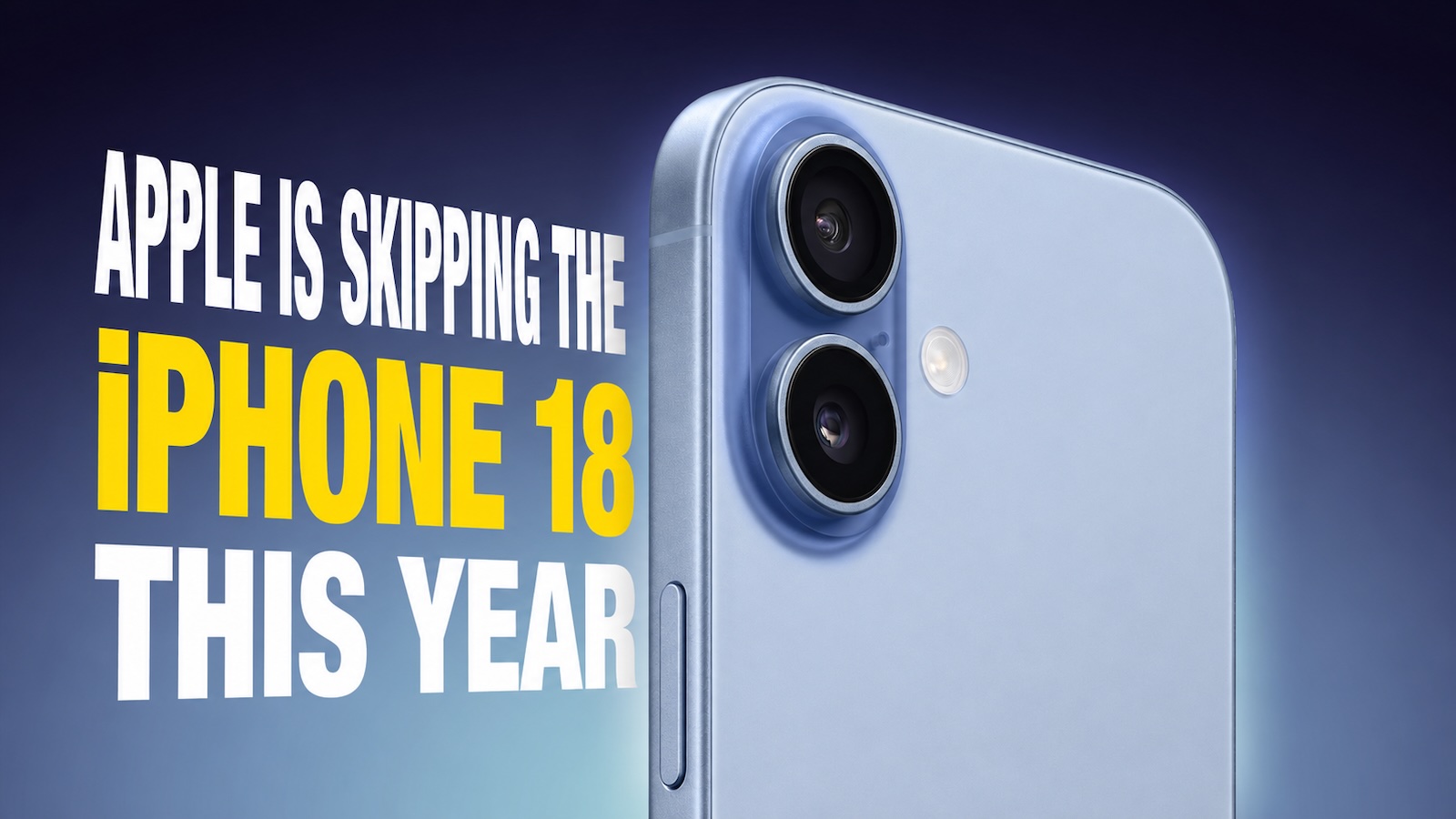
The information emerged during Pegatron’s second-quarter 2026 earnings call. According to Taiwan's Economic Daily News, Pegatron hinted that one of its major customers – widely understood to be Apple – is altering its usual smartphone shipment schedule. The report detailed Apple's plans to unveil the top-tier iPhone 18 Pro, iPhone 18 Pro Max, and an exciting new foldable "iPhone Ultra" in September. However, the standard iPhone 18 model is now expected to debut in the first quarter of 2027.
This staggered release would be a significant departure from previous years. Historically, every standard iPhone, from the iPhone 11 right up to the recent iPhone 17, has launched alongside its Pro and Pro Max counterparts in September. Pushing the release of the base model iPhone 18 until around March 2027 indicates a strategic shift that could have wide-ranging implications for Apple, its competitors, and consumers alike.
Why the Change? Unpacking Apple's Evolving Strategy
The move to split the iPhone 18 series launch isn't entirely a surprise for those closely following Apple's supply chain and industry rumors. Prominent sources like Apple supply chain analyst Ming-Chi Kuo and former The Information reporter Wayne Ma have been hinting at such a strategy shift over the past year. Earlier this year, another key Apple supplier, Largan Precision, also offered an indirect confirmation of this change, further solidifying the speculation.
But why would Apple, known for its consistent and highly anticipated annual September event, decide to change such a well-established pattern? Several factors likely contribute to this strategic pivot:
1. Adapting to a Maturing Smartphone Market
The global smartphone market is no longer in its rapid growth phase. It's maturing, with many consumers holding onto their devices for longer periods. This means Apple needs to find new ways to maintain interest, encourage upgrades, and capture different segments of the market. A staggered launch could help sustain momentum throughout the year, rather than concentrating all sales and marketing efforts into a single, intense period.
2. Product Diversification and Segmentation
Apple's iPhone lineup has become increasingly diverse, moving beyond just "good," "better," and "best." With Pro, Pro Max, and now potentially an "Ultra" foldable, alongside standard, 'e', and 'Air' models, the company is aiming to cater to a much broader spectrum of preferences and budgets. By spacing out these releases, Apple can give each product line its dedicated spotlight, allowing consumers to better understand the unique value proposition of each device without being overwhelmed by too many choices at once.
3. Easing Supply Chain and Manufacturing Pressures
Launching multiple, complex high-volume devices simultaneously puts immense pressure on Apple's vast global supply chain and manufacturing partners. Components, logistics, and assembly lines all need to perform flawlessly. By splitting the launch, Apple can potentially spread out these demands, leading to smoother production, fewer supply shortages, and better quality control. This could be particularly crucial for a potentially revolutionary device like the foldable iPhone Ultra, which might involve entirely new manufacturing processes and components.
4. Sustaining Media Buzz and Sales Cycles
A single September launch creates a massive, but ultimately finite, wave of media coverage and consumer excitement. By staggering releases, Apple can generate multiple "events" throughout the year, keeping the brand in the news cycle for longer. This sustained attention can help drive sales across different quarters, contributing to more consistent financial performance rather than relying heavily on the holiday shopping season following a September launch.
5. Responding to Consumer Buying Habits
With smartphones becoming increasingly capable and durable, consumers are upgrading less frequently. A delayed standard model might target a different upgrade cycle or cater to users who don't necessarily need the absolute bleeding edge features of the Pro models right away. It also allows Apple to potentially adjust the pricing or feature set of the standard iPhone 18 based on the initial market reception and sales performance of its premium siblings.
The New iPhone Lineup: A Tale of Two Launch Windows
The proposed new strategy effectively creates two distinct launch periods for new iPhone models, each targeting different segments of the market and offering unique innovations. Let's delve into the details of what to expect in each window:
September 2026: The Premium and Pioneering Frontier
This autumn will likely be reserved for Apple’s most advanced and cutting-edge devices, targeting early adopters, power users, and those seeking the ultimate iPhone experience:
- iPhone 18 Pro: September 2026
- iPhone 18 Pro Max: September 2026
- iPhone Ultra: September 2026
The iPhone 18 Pro and Pro Max: Setting New Benchmarks
As always, the Pro and Pro Max models are expected to feature the very latest advancements in mobile technology. This typically includes a new, more powerful A-series chip, significant camera improvements (larger sensors, advanced computational photography, potentially new lens technologies), enhanced display features (brighter, more energy-efficient ProMotion displays with dynamic refresh rates), and possibly new materials or design refinements. These devices are the workhorses for professionals and enthusiasts, pushing the boundaries of what a smartphone can do, especially in photography, videography, and demanding applications.
The Pro Max, with its larger screen and potentially longer battery life, caters to those who demand the biggest and best, often using their device as a primary computing tool for media consumption, gaming, and productivity tasks on the go.
The Revolutionary iPhone Ultra: Apple Enters the Foldable Race
Perhaps the most exciting and significant addition to the September lineup is the rumored foldable "iPhone Ultra." This device represents Apple's long-anticipated entry into the nascent but rapidly growing foldable smartphone market. Given the "Ultra" moniker, similar to the premium Apple Watch Ultra, we can expect this iPhone to be positioned as a top-tier, rugged, and feature-rich device, likely commanding a premium price.
Speculations about the iPhone Ultra suggest a sophisticated folding mechanism, perhaps a larger, more immersive internal display, and a smaller, functional external display. It's likely to integrate Apple's most advanced chip, a top-tier camera system, and unique software optimizations specifically designed to leverage its foldable form factor. The design could be focused on enhancing productivity by offering a tablet-like experience when unfolded or providing new ways to interact with apps and content. This device would directly challenge established players in the foldable space, such as Samsung, and could redefine user expectations for mobile devices. Its introduction signifies Apple’s commitment to innovation and readiness to explore new form factors that could shape the future of smartphones.
March 2027: Expanding Reach and Accessibility
The second launch window, occurring in the first quarter of the following year, appears to be dedicated to broader appeal and different price points, making the iPhone accessible to an even wider audience:
- iPhone 18: March 2027
- iPhone 18e: March 2027
- iPhone Air 2: March 2027
The Standard iPhone 18: The Core Experience, Refined
The standard iPhone 18, while delayed, will still be a highly capable and appealing device. Typically, these models inherit many of the core features and design elements from the previous year's Pro models, but at a more accessible price point. We can expect a powerful chip (likely the one introduced in the iPhone 17 Pro), a high-quality display, and a strong dual-camera system. The delay could mean that by March 2027, the standard iPhone 18 might launch with an even more polished software experience or benefits from slightly more mature manufacturing processes, ensuring robust supply.
This model targets the vast majority of consumers who seek a premium smartphone experience without necessarily needing the very latest, most advanced features or the Pro camera setup. It remains the backbone of Apple’s sales volume and will likely continue to be one of the best-selling smartphones globally.
The iPhone 18e: Entry Point to the Ecosystem
The introduction of an "iPhone 18e" suggests a new tier designed for even greater affordability. The 'e' could stand for 'essential' or 'economy,' indicating a device that strips back some of the more premium features to hit a lower price point. This could involve using an older generation chip, a standard LCD display instead of OLED, or a simpler camera setup. Such a model would be crucial for Apple in emerging markets and for consumers looking for an entry-level gateway into the Apple ecosystem, offering core iPhone functionality and access to iOS apps and services at a more competitive price. This strategy helps Apple compete against a flood of budget-friendly Android devices in various regions.
The iPhone Air 2: Blending Performance with Portability
An "iPhone Air 2" hints at a focus on design, specifically a thinner and lighter form factor. Building on the potential success of a first-generation "iPhone Air," this model would likely cater to users who prioritize sleek design, portability, and perhaps a slightly larger screen in a more manageable package than the Pro Max. It could feature a capable chip and camera, perhaps positioned between the standard iPhone and the Pro models in terms of features and price, offering a premium feel without all the Pro-level embellishments. The "Air" branding historically denotes a balance of performance and aesthetics, making it an appealing option for those who value form as much as function.
The Credibility of Indirect Confirmations
It’s important to understand why "indirect" confirmations from suppliers like Pegatron and Largan Precision carry significant weight. Apple is famously secretive about its unreleased products. Suppliers are bound by strict non-disclosure agreements and will never directly confirm upcoming devices or their specifications. However, during earnings calls, these companies discuss their business outlook, production schedules, and client forecasts.
When a major supplier indicates a change in the "usual smartphone shipment schedule" for a key customer (which everyone knows is Apple), or hints at shifts in production timelines, it provides a strong, albeit veiled, confirmation of rumors circulating in the industry. These are not mere leaks; they are strategic disclosures within financial reporting that reflect tangible shifts in manufacturing plans. When such statements align with predictions from renowned analysts like Ming-Chi Kuo, the likelihood of their accuracy increases dramatically.
Implications for Consumers and the Market
This staggered launch strategy will undoubtedly have implications for consumers. On one hand, it offers more options throughout the year. If you're eyeing a standard iPhone, you won't feel pressured to buy the Pro model in September just because it's the only "new" iPhone available. You can wait a few months for a model that might better suit your needs and budget. On the other hand, it could introduce a degree of confusion, as potential buyers might have to decide whether to wait for a specific model or purchase an earlier release.
For the broader smartphone market, Apple's move could trigger responses from competitors. If successful, other brands might also consider adjusting their release cycles to maintain sustained interest and better segment their product lines. This could lead to a more dynamic and spread-out calendar of smartphone launches throughout the year, rather than the traditional late-year rush.
Ultimately, this strategic shift highlights Apple's proactive approach to navigating a changing market landscape. By diversifying its product offerings and optimizing its release schedule, the company aims to solidify its market position, cater to a wider array of consumer preferences, and maintain its innovation leadership in the highly competitive smartphone industry.
The Road Ahead: Apple's Bold New Chapter
In total, as confirmed by insights from the iOS 27 beta codenames, six distinct new iPhone models are now slated to launch across these two critical periods by the end of March 2027. This ambitious rollout represents one of Apple's most comprehensive and segmented iPhone strategies to date, a clear indicator of the company's intent to capture diverse market segments and drive sustained engagement throughout the year.
The journey from the traditional annual September unveiling to this new, multi-phase launch plan underscores a significant evolution in Apple’s go-to-market strategy. It’s a testament to the challenges and opportunities presented by a mature yet still highly lucrative smartphone market. By carefully segmenting its offerings – from the premium Pro and experimental Ultra models to the accessible standard, 'e', and 'Air' variants – Apple is poised to address a broader spectrum of consumer needs and price points than ever before.
This strategic realignment is not merely about delaying a launch; it’s about optimizing product lifecycles, managing supply chain complexities, and maintaining continuous consumer interest. The foldable iPhone Ultra, expected in September, represents a significant leap in hardware innovation, signaling Apple's commitment to pushing technological boundaries. Meanwhile, the delayed standard iPhone 18, along with the 18e and Air 2 in March, reinforces the company's dedication to providing robust options for every user, ensuring the Apple ecosystem remains vibrant and accessible.
As the tech world eagerly anticipates these launches, one thing is clear: Apple is not afraid to break from tradition to forge a new path forward. This bold new chapter in the iPhone's history promises an exciting future, filled with diverse choices and sustained innovation that will undoubtedly shape the trajectory of the smartphone industry for years to come. The coming months will be crucial in observing how this two-phase strategy impacts sales, market share, and consumer perception, setting a precedent for how flagship smartphone brands might operate in an increasingly segmented and competitive global market.
This article, "Apple Skipping iPhone 18 Launch This Year" first appeared on MacRumors.com
Discuss this article in our forums
from MacRumors
-via DynaSage
