
Apple Says iPhone X is Now Obsolete
The End of an Era: Apple Declares iPhone X Obsolete
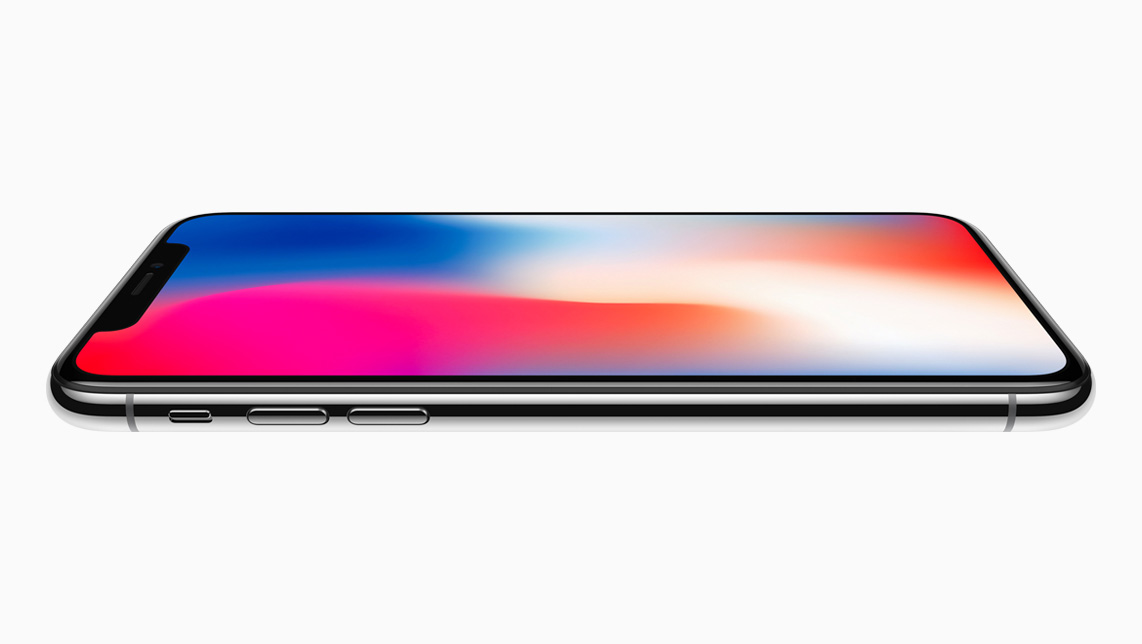
In a significant update for Apple enthusiasts and long-time iPhone X owners, Apple has officially added the groundbreaking iPhone X to its public-facing obsolete products list. This change, noted in an updated support document on Apple's website, marks a pivotal moment for a device that once revolutionized the smartphone landscape. For many, the iPhone X wasn't just another phone; it was a statement, a peek into the future, and now, it's a piece of history.
What "Obsolete" Truly Means for Your iPhone X
When Apple classifies a product as "obsolete," it carries significant implications for its owners. The most immediate and critical consequence is that an obsolete product, like the iPhone X now, is no longer eligible for repairs or any other hardware service directly from Apple Stores or authorized Apple Service Providers. This means if your iPhone X experiences a hardware malfunction – be it a cracked screen, a failing battery, or a more serious internal issue – Apple will no longer offer official support to fix it.
This policy is a standard practice within the tech industry, but for Apple users, it can be particularly impactful due to the integrated ecosystem and proprietary parts. For iPhone X owners, this announcement could prompt a crucial decision: either continue using the device as is, seek third-party repair options, or consider an upgrade.
The Difference Between "Vintage" and "Obsolete"
It's important to understand Apple's two classifications for older products: "vintage" and "obsolete."
- Vintage Products: These are products that Apple stopped distributing for sale more than five and less than seven years ago. While vintage, these products might still be eligible for service and parts, subject to parts availability. This classification provides a transition period for older devices, allowing users a window for official repairs.
- Obsolete Products: This is the final stage. Products that Apple stopped distributing more than seven years ago are moved to the obsolete list. At this point, Apple discontinues all hardware service. The company can no longer guarantee the availability of parts or service, making official repairs impossible. The iPhone X has now crossed this seven-year threshold since its discontinuation by Apple.
Understanding Apple's Obsolescence Policy
Apple's policy for deeming products obsolete is clearly defined. A product is considered obsolete once seven years have passed since the company stopped distributing it for sale. The iPhone X, which first launched in November 2017 to much fanfare, was notably discontinued by Apple in September 2018. While it might have remained available through select resellers for a period after that, Apple's internal clock for obsolescence starts from its own distribution halt.
This seven-year mark is a standard lifecycle for many electronic devices, reflecting a balance between product support, technological advancement, and parts availability. Over time, components for older devices become harder to source, and manufacturing processes evolve. By setting this clear policy, Apple manages its supply chain for repairs and encourages users to adopt newer, more secure, and feature-rich devices.
The iPhone X: A Revolutionary Device That Changed Everything
The iPhone X wasn't just an iteration; it was a revolution. Launched to commemorate the iPhone's tenth anniversary, it represented a bold leap forward for Apple, setting the stage for every iPhone that followed. When it debuted in November 2017, it immediately captured global attention with its radical redesign and groundbreaking features.
Key Innovations of the iPhone X
The iPhone X introduced several "firsts" for Apple, many of which are now standard across the iPhone lineup and have been widely adopted across the entire smartphone industry:
- First OLED Display: The iPhone X was the first Apple smartphone to feature an OLED (Organic Light Emitting Diode) display, which Apple branded as the "Super Retina Display." This technology allowed for truly black blacks, vibrant colors, incredible contrast, and improved energy efficiency compared to the LCD screens of its predecessors. It delivered a stunning visual experience that felt futuristic.
- Introduction of Face ID: Perhaps the most significant innovation was Face ID, Apple's sophisticated facial recognition system. This technology replaced the Touch ID home button, ushering in a new era of biometric authentication. Face ID utilized the TrueDepth camera system, which projected thousands of invisible infrared dots onto a user's face to create a detailed 3D map. This map was then used to securely unlock the phone, authenticate purchases, and log into apps. It was incredibly secure and convenient, working even in the dark and adapting to changes in appearance.
- The Disappearance of the Home Button: The removal of the iconic Touch ID home button was a daring design choice that defined the iPhone X's aesthetic. This allowed for a truly edge-to-edge screen, maximizing display real estate within a compact form factor. This design necessitated a complete overhaul of how users interacted with their iPhone, introducing a new set of intuitive swipe gestures for navigating the operating system, returning to the home screen, opening the app switcher, and accessing Control Center.
- Premium Design: The iPhone X boasted a luxurious design with a durable glass back, enabling wireless charging, and a polished surgical-grade stainless steel frame. This combination provided a premium feel and enhanced durability, contributing to its flagship status.
- The "Notch": While initially controversial, the notch at the top of the display housed the TrueDepth camera system and other essential sensors. This design element became an instant identifier for the iPhone X and influenced numerous other smartphone manufacturers to adopt similar cutouts in their own devices, proving the iPhone X's trendsetting power.
The iPhone X wasn't just a collection of features; it was a cohesive vision that fundamentally changed the user experience. It redefined what an iPhone could be and how we interact with our most personal devices.
The iPhone X's Journey: From Flagship to Discontinuation
Despite its revolutionary status, the iPhone X had a relatively short lifespan as Apple's flagship device. Introduced in November 2017, it was discontinued by Apple in September 2018, just shy of a year later. This swift removal from Apple's direct sales channels was unusual for a flagship iPhone, which typically remains available for at least two years, often at a reduced price.
The primary reason for its early discontinuation was the launch of its successors: the iPhone XS, iPhone XS Max, and the iPhone XR. Apple streamlined its product lineup, effectively replacing the iPhone X with the iPhone XS (which offered similar form factor and OLED screen with improved internals) and the more affordable, colorful iPhone XR (which popularized the Face ID design at a lower price point). This strategic move solidified Face ID and the notch design as the new standard across varying price segments.
While Apple stopped selling the iPhone X, it did remain available through third-party retailers and carriers for a period, allowing consumers to purchase the device until their existing stock was depleted. However, it's Apple's cessation of distribution that dictates the "obsolete" timeline.
Software Support and Beyond for the iPhone X
Even after being declared obsolete, the iPhone X isn't entirely without support, especially on the software front. Its final major software version compatibility was with iOS 16. This means the device no longer receives updates to the latest versions of iOS, such as iOS 17 or future releases.
However, Apple is committed to user security. While the iPhone X won't get new features from future iOS versions, Apple continues to release iOS 16 security updates for the device. These updates are crucial for patching vulnerabilities and protecting user data against emerging threats. This commitment ensures that even older devices remain reasonably secure for continued use, even if they don't benefit from the newest functionalities.
What Running on an Older iOS Version Means
For iPhone X users, remaining on iOS 16 has several implications:
- No New Features: You won't get the latest functionalities introduced in newer iOS versions, such as advanced customization options, new app features, or system-wide improvements.
- App Compatibility: While most apps will continue to work, some newer apps or updates to existing apps may eventually require a more recent iOS version, potentially limiting functionality or preventing installation.
- Performance: Older operating systems are generally less optimized for newer app features, and conversely, newer apps might run less smoothly on older OS versions or hardware.
Despite these limitations, the iPhone X running iOS 16 remains a capable smartphone for everyday tasks, communication, and media consumption, thanks to Apple's robust software design and continued security patches.
The Enduring Legacy of the iPhone X
The iPhone X didn't just fade away; it left an indelible mark on the smartphone industry. Its innovations were so profound that they quickly became the benchmark for modern smartphones, solidifying its place as a truly iconic device in Apple's history.
How It Shaped Future iPhones
Every subsequent iPhone model, up until the recent iPhone 15 Pro series which introduced the Dynamic Island, largely inherited the iPhone X's core design philosophy: the full-screen display, the absence of a home button, and Face ID as the primary biometric authentication method. The gestures introduced with the iPhone X became standard, and the TrueDepth camera system continued to evolve, enabling features like enhanced Portrait Mode and more sophisticated AR experiences.
Influence on the Wider Smartphone Industry
The iPhone X's influence extended far beyond Apple. The "notch" design, initially polarizing, became a widespread trend among Android manufacturers as they scrambled to offer their own versions of bezel-less displays. While many Android phones eventually moved to punch-hole cameras or under-display sensors, the initial wave of notched phones demonstrated the iPhone X's immediate and far-reaching impact on design language.
The focus on advanced facial recognition, OLED technology, and premium materials also pushed competitors to innovate, resulting in a richer, more diverse smartphone market overall. The iPhone X proved that consumers were ready for radical change and would embrace new ways of interacting with their devices.
What to Do If You Own an Obsolete iPhone X
For current iPhone X owners, the news of its obsolete status might raise questions about the future of their device. Here are some options and considerations:
1. Continued Use
Your iPhone X will not suddenly stop working. It will continue to function as before, running on iOS 16 and receiving security updates. For users who are satisfied with its current performance and don't require the latest features or official repairs, continued use is a perfectly viable option.
2. Third-Party Repairs
Since Apple will no longer service the iPhone X, your only repair option for hardware issues will be through independent, third-party repair shops.
- Pros: Can be more affordable, quicker turnaround, and potentially use non-OEM (Original Equipment Manufacturer) parts which might be easier to source.
- Cons: Quality of parts and service can vary greatly. Using non-Apple certified parts or unauthorized repairs can void any remaining limited warranty (though unlikely at this stage) and may lead to further issues down the line. Some features, like Face ID, might not work correctly if non-original components are used.
3. Upgrading Options
If your iPhone X is showing its age or if you desire the latest features and official support, upgrading is the most straightforward path.
- New iPhones: Apple's current lineup offers significant advancements in performance, camera technology, battery life, and new features.
- Refurbished iPhones: A more budget-friendly option is to consider a refurbished iPhone, perhaps a newer model like an iPhone 12 or 13, which offers a balance of modern features and cost savings, often with a warranty.
- Other Brands: This could also be an opportunity to explore Android devices or other smartphone brands if you're looking for a change.
4. Recycling
If you decide to retire your iPhone X, please consider recycling it responsibly. Apple has its own recycling programs, and many electronics retailers and local municipalities offer e-waste recycling services. This helps protect the environment by preventing harmful materials from entering landfills and allows valuable components to be reused or repurposed.
The Broader Context: Apple's Obsolescence Cycle and the Environment
Apple's policy regarding obsolete products isn't just about managing inventory; it's part of a larger cycle driven by technological progress, consumer demand, and environmental considerations.
Why These Policies Exist
- Technological Advancement: The pace of innovation in the tech world is relentless. New processors, camera sensors, battery technologies, and display types emerge constantly. Supporting older hardware indefinitely becomes economically and practically unfeasible.
- Parts Availability: Manufacturers stop producing components for older devices. After a certain period, stockpiles diminish, making repairs expensive or impossible.
- Security: While Apple provides security updates for older iOS versions, the latest security measures are often tied to newer hardware capabilities and software architectures. Encouraging upgrades helps maintain a higher overall security posture for its user base.
- Encouraging Upgrades: Like any business, Apple benefits from customers upgrading to new products, which drives sales and investment in future research and development.
Environmental Considerations and the "Right to Repair"
The issue of product obsolescence is closely tied to the growing global concern over electronic waste (e-waste). While companies like Apple do offer recycling programs, the rapid turnover of electronic devices contributes significantly to landfills.
This has fueled the "Right to Repair" movement, which advocates for consumers' and independent repair shops' right to repair their own electronic devices. Proponents argue that manufacturers should make parts, tools, and repair manuals more accessible. While Apple has made some strides in this area, offering self-service repair kits for some newer models, the designation of "obsolete" still effectively closes the door on official repair for older devices, adding complexity to the e-waste challenge.
The 2018 15-inch MacBook Pro Also Joins the List
Alongside the iPhone X, Apple also added the 2018 edition of the 15-inch MacBook Pro to its obsolete products list. This MacBook Pro model was known for its powerful Intel processors, the much-debated butterfly keyboard (which was later revised), and its dedicated graphics options. For owners of this particular laptop, the implications are the same: no more official hardware service from Apple or its authorized providers.
This move is also consistent with Apple's seven-year policy, as the 2018 MacBook Pro models would have been discontinued from distribution around late 2019 or early 2020. It underscores that this obsolescence policy applies across Apple's entire product line, from phones to computers, as each device eventually reaches its end-of-service life.
Looking Ahead: The Future of Apple Products and Longevity
The obsolescence of the iPhone X serves as a reminder of the finite lifespan of all electronic devices. As technology continues to advance at a breakneck pace, future iPhones and other Apple products will also eventually reach this point. However, Apple has also shown increasing commitment to sustainability and extending the software life of its devices.
While the hardware support window remains consistent, improvements in software optimization and the availability of self-service repair options might offer users more choices in the future. For now, the iPhone X’s transition to the obsolete list is a moment to reflect on its incredible impact and to appreciate the technological journey it represented.
Conclusion: A Fond Farewell to a Trailblazer
The iPhone X, a device that dared to be different and set new standards for smartphone design and functionality, has officially been designated as obsolete by Apple. This classification means an end to official repair services, marking a significant milestone in its lifecycle.
From its groundbreaking OLED display and innovative Face ID to its bold removal of the home button, the iPhone X was a true trailblazer. It not only celebrated a decade of iPhone innovation but also laid the foundation for the next generation of smartphones. Its legacy lives on in every full-screen iPhone that followed, and its impact on the wider tech industry is undeniable.
While its time for official support has come to an end, the iPhone X will be remembered as a pivotal device that redefined user expectations and pushed the boundaries of what a smartphone could be. For those still holding onto theirs, it remains a testament to cutting-edge technology from a not-so-distant past.
This article, "Apple Says iPhone X is Now Obsolete" first appeared on MacRumors.com
Discuss this article in our forums
from MacRumors
-via DynaSage
