
Apple Caught Off Guard by AI Demand for Mac Mini and Mac Studio
Apple has unexpectedly accelerated its desktop computer launch schedule to meet an extraordinary surge in corporate AI demand for Mac mini and Mac Studio systems. Business buyers are rapidly adopting these compact desktop machines to run complex local artificial intelligence models, reshaping Apple's corporate hardware strategy.
Why Unexpected AI Demand for Mac Mini and Mac Studio Shifted Apple's Launch Schedule
Apple traditionally follows a highly predictable product release calendar for its desktop Mac portfolio. For years, major desktop revisions have arrived during dedicated late-autumn launch events in October or November, well after the company's flagship iPhone announcements in September.
However, Apple broke from its long-standing operational schedule this week by officially announcing updated desktop Mac models surprisingly early. According to a comprehensive report published by The Information, an unprecedented surge in business orders driven by artificial intelligence workloads pushed Apple to accelerate its hardware rollout.
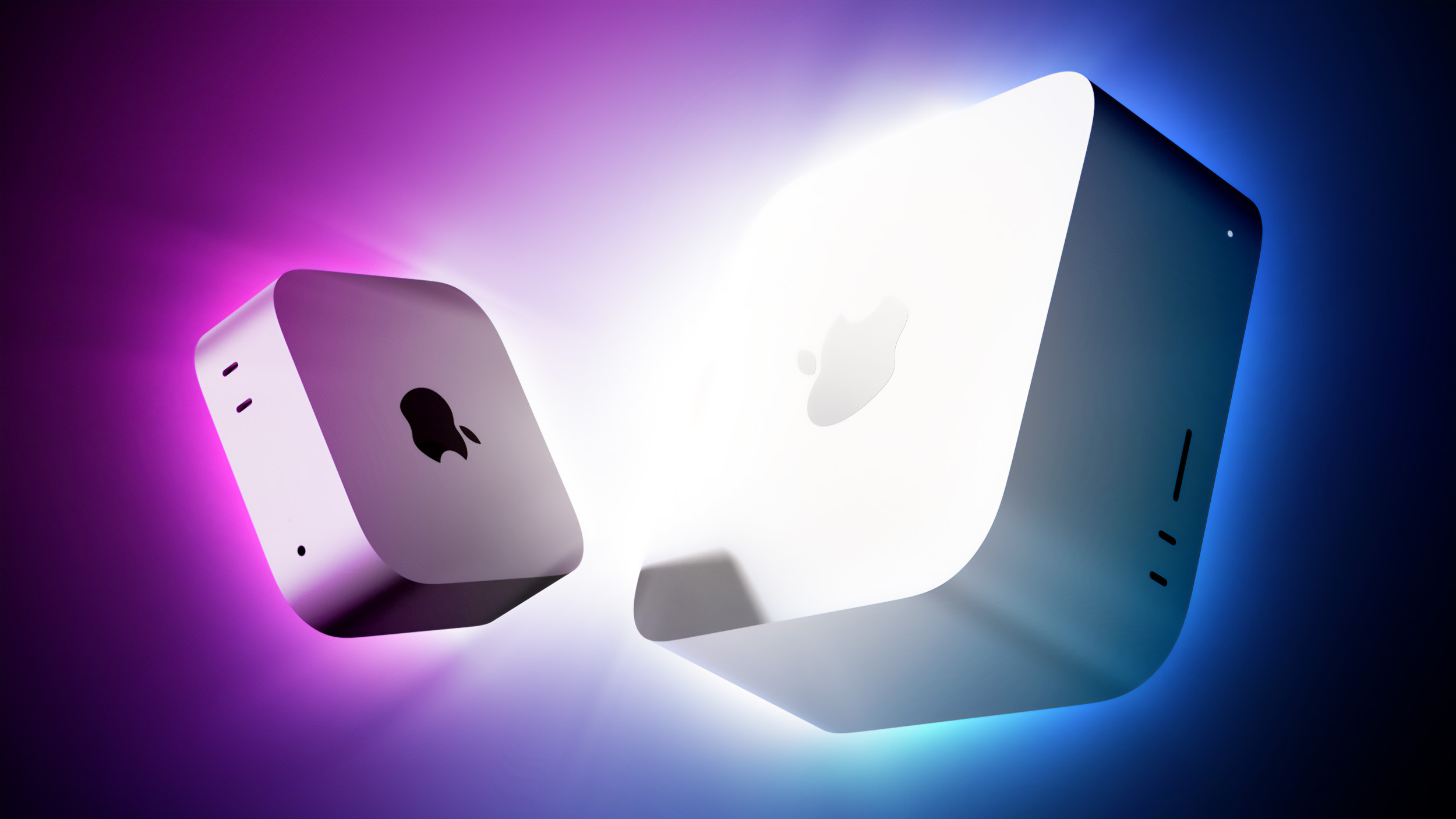
The unusual timing highlights a fundamental shift in how commercial enterprises view desktop Mac hardware. Rather than treating small desktop units as basic productivity workstations, corporate IT departments and machine learning engineering teams are deploying them as powerful local execution nodes for complex AI software.
This massive commercial pull forced Apple leadership to alter production timelines and bring new hardware to market ahead of its standard autumn window. The early launch ensures enterprise customers can access updated performance capabilities without waiting through the busy autumn launch cycle.
How Enterprise AI Demand Caught Apple by Surprise
Despite the massive commercial success of its latest desktop hardware, internal sources indicate that Apple was largely unprepared for the scale of enterprise interest. The company had not originally designed its compact desktop lineup to function as primary corporate artificial intelligence infrastructure.
According to industry reports, Apple lacked several fundamental organizational units required to support large-scale enterprise deployments when the hardware boom began:
- No Dedicated Enterprise Engineering Team: Apple did not maintain an engineering division dedicated specifically to customizing hardware or software features for business clients.
- Absence of Corporate Developer Relations Staff: The company lacked specialized developer support personnel focused on helping enterprise teams deploy machine learning models on Mac hardware.
- Lack of Formal Enterprise AI Strategy: Apple had not formulated an official corporate AI roadmap, leaving business buyers to independently discover the utility of desktop Macs for machine learning.
This structural gap meant Apple was initially unprepared to handle high-volume corporate procurement requests and technical integration queries. Yet, despite the complete absence of a targeted enterprise sales initiative, corporate buyers continued purchasing desktop units in record numbers.
The natural organic adoption demonstrated that high-performance unified memory and compact hardware design solved immediate pain points for software development organizations worldwide.
The June Business at the Park Event and Corporate Adoption
Hints of Apple's expanding footprint in the corporate sector emerged earlier this summer during an executive gathering titled Business at the Park held in June. The private event brought together senior technology executives from prominent international companies, including Ford, Disney, and leading artificial intelligence research firm Anthropic.
During the event, Apple showcased its commercial hardware ecosystem to corporate leaders, emphasizing efficiency, security, and desktop processing capabilities. Attendees reported that the compact Mac mini emerged as the absolute darling of the showcase.
Executives and technical managers praised the desktop unit's exceptional balance of low power consumption, small physical footprint, and robust compute capabilities. The enthusiastic reception confirmed that corporate IT departments were increasingly turning away from traditional tower servers in favor of versatile desktop units.
The feedback gathered during the June event provided clear evidence to Apple leadership that enterprise demand was accelerating rapidly. Business customers were no longer buying desktop computers one by one for office workers; they were procuring them in massive batches for developer infrastructure.
Clustering Mac Studio Desktops for Massive AI Models
To directly address the requirements of corporate software developers, Apple noticeably promoted the ability to link multiple Mac Studio units together into unified computing clusters. This marketing effort signaled a deliberate move to support high-end enterprise workloads.
By connecting multiple desktop units into a single high-performance cluster, engineering teams can combine the processing capabilities and memory capacity of several machines. This pooled resource environment enables organizations to run massive, multi-billion-parameter frontier AI models locally without relying on external cloud vendors.
Clustering provides significant operational benefits for enterprise machine learning teams:
- Scalable Pooled Memory: Multi-node desktop clusters allow developers to load giant frontier models that exceed the RAM capacity of a single machine.
- High-Speed Interconnects: Interconnected desktop units process complex token generation and inference tasks across multiple chips simultaneously.
- Enhanced Local Security: Keeping proprietary models inside corporate server rooms protects sensitive source code and business intelligence from third-party cloud exposure.
This explicit focus on multi-machine clustering represents a major marketing pivot for Apple. Rather than focusing exclusively on creative professionals like video editors, digital artists, and audio engineers, Apple is now actively courting enterprise IT architects and artificial intelligence researchers.
Private Cloud Compute Requests and Apple's Partner Strategy
As corporate interest in Apple's machine learning technology expanded, several large enterprise customers approached Apple with a unique request. Business buyers asked to purchase dedicated access to Apple's Private Cloud Compute infrastructure to host internal corporate data.
However, Apple reportedly turned down these enterprise requests to sell cloud compute access directly. Rather than entering the commercial cloud infrastructure market as a direct provider, Apple decided to rely on specialized partner companies to support corporate software execution.
To fulfill enterprise operational needs, Apple is leaning heavily on technical partners such as WebAI and Mount Thor. These partner companies build custom software execution environments, developer tools, and management frameworks specifically optimized for local Apple hardware.
By collaborating with partners like WebAI and Mount Thor, Apple enables corporate clients to run advanced AI workloads seamlessly on physical Mac hardware without requiring Apple to build out a traditional enterprise cloud platform.
Global Memory Shortages and Enterprise Supply Constraints
The sudden explosion in enterprise AI demand for Mac mini and Mac Studio units has created significant supply chain pressures. This surge in customer demand coincided directly with an acute global memory shortage affecting the global electronics industry.
Because artificial intelligence models require massive amounts of rapid-access memory, enterprise buyers consistently select maximum unified memory configurations when ordering hardware. This heavy concentration of demand for top-tier specifications quickly exhausted retail and commercial inventory.
As a result, high-end desktop configurations have remained out of stock for months at a time. Corporate procurement managers attempting to order dozens or hundreds of units for internal engineering teams have faced prolonged delivery delays.
The persistent stock shortages have created operational friction for corporate clients who need to deploy AI infrastructure rapidly. When hardware orders remain backordered for extended periods, enterprise buyers are forced to explore alternative hardware solutions to meet project deadlines.
Rising Competition: Mac Studio vs. Nvidia DGX Spark
With high-end Apple desktop configurations difficult to source due to global supply bottlenecks, enterprise buyers are actively looking at competing hardware platforms. One prominent competitor capturing enterprise market share is Nvidia's DGX Spark.
Launched late last year, the Nvidia DGX Spark is a compact AI desktop system designed specifically for local deep learning and model execution. The device features a small physical form factor remarkably similar to Apple's compact desktop footprint, making it a direct competitor in the compact workstation market.
Corporate technology buyers evaluating compact AI hardware solutions frequently compare the two ecosystems across key operational factors:
- Apple Mac Studio Clusters: Offers unified memory architecture and seamless integration with macOS development tools, making it ideal for teams running local frontier models on interconnected units.
- Nvidia DGX Spark: Features dedicated CUDA hardware architecture designed specifically for enterprise deep learning software stacks, offering rapid deployment for traditional AI frameworks.
- Apple Mac Mini: Provides an ultra-compact, cost-effective entry point for individual developers and smaller machine learning teams needing reliable local compute power.
The intense competition between Apple and Nvidia highlights the massive financial opportunities in the enterprise desktop hardware sector. If Apple cannot resolve supply bottlenecks for high-end memory configurations, rival hardware vendors like Nvidia stand to capture business buyers seeking immediate order fulfillment.
Why Enterprise Buyers Are Turning to Local Mac Hardware
The rapid adoption of compact Mac computers across major corporations highlights a broader industry shift toward decentralized local artificial intelligence infrastructure. For years, corporate IT strategy favored centralizing machine learning workloads in third-party public cloud environments.
However, running artificial intelligence models on local desktop hardware offers distinct financial and operational advantages that appeal directly to corporate decision-makers:
- Strict Data Privacy and Regulatory Compliance: Processing sensitive customer information and intellectual property locally eliminates the risks associated with transmitting data over public cloud networks.
- Predictable Capital Spending: Buying physical desktop hardware establishes a fixed capital expenditure, eliminating unpredictable monthly cloud API billing fees that scale rapidly with heavy usage.
- Low Latency Performance: Running models directly on local hardware eliminates network latency, providing software engineers with instantaneous feedback during model fine-tuning.
- Flexible Infrastructure Scaling: Engineering teams can incrementally expand compute capacity by simply adding more linked units to their existing local hardware clusters.
These compelling financial and security benefits explain why corporate executives from companies like Ford, Disney, and Anthropic have shown intense interest in Apple's desktop offerings.
The Evolving Landscape of Enterprise Hardware
Apple's unexpected release schedule demonstrates how fast consumer electronics manufacturers must adapt when enterprise adoption takes off organically. While Apple built its reputation on consumer smartphones and creative workstations, the rapid rise of local machine learning has thrust the company into the enterprise hardware spotlight.
To maintain its momentum, Apple will need to build out formal enterprise support structures. Establishing dedicated corporate engineering divisions and expanding developer relations teams will be critical steps as more Fortune 500 companies integrate Mac hardware into their artificial intelligence operations.
Furthermore, managing hardware supply chains during ongoing memory shortages remains a top operational challenge. Ensuring stable inventory levels for high-end memory configurations will determine whether Apple can satisfy sustained enterprise AI demand for Mac mini and Mac Studio computers over the coming years.
Essential Buyer Resources and Community Discussions
For enterprise IT managers, software developers, and technology enthusiasts following these hardware developments, several official resources and community forums provide updated availability and technical details:
- Review real-time purchasing availability and hardware updates on the Mac Studio (Buy Now) guide.
- Check current stock status and model options on the Mac Mini (Buy Now) buyer guide.
- Participate in community discussions within the dedicated Mac Studio forum section.
- Connect with developer peers in the official Mac mini discussion board.
- Read the original news announcement titled Apple Caught Off Guard by AI Demand for Mac Mini and Mac Studio published on MacRumors.com.
- Join the community thread to Discuss this article and share your enterprise setup experiences.
- Follow further industry reporting tagged under The Information topic section.
Conclusion
Apple's early launch of new desktop models marks a major turning point in corporate computing, driven largely by intense AI demand for Mac mini and Mac Studio systems across major enterprises. By continuing to expand multi-device clustering features and supporting partner tools from WebAI and Mount Thor, Apple is establishing its compact desktops as foundational hardware for local enterprise artificial intelligence deployment.
from MacRumors
-via DynaSage
