
Top Stories: 'iPhone Ultra' and Apple TV Rumors, iOS 27 Beta 3, and More
Apple's Latest Buzz: Foldable iPhone Ultra Delays, iOS 27 Innovations, and More!
The air around Apple's Cupertino headquarters is thick with anticipation as the annual iPhone event draws nearer, now just two months away. Yet, one of the most exciting and talked-about new devices, the rumored foldable "iPhone Ultra," remains shrouded in mystery regarding its exact launch date and initial availability. It seems we might be heading into a familiar territory, reminiscent of the iPhone X launch years ago, where the device made its grand debut at the September event but didn't actually become available for eager pre-orders until several weeks later. This scenario, while potentially frustrating for fans, highlights the complexities of bringing cutting-edge technology to market.
Beyond the intriguing saga of the iPhone Ultra, this past week has been bustling with other significant developments from the Apple universe. We saw the release of a third round of developer betas for iOS 27 and its related operating systems, offering a sneak peek into the future of Apple's software. Fresh rumors emerged about the upcoming iPhone 18 Pro models, detailing potential improvements that could redefine our smartphone experience. There was also a comprehensive update on the progress and expectations for the next-generation Apple TV, signaling a long-awaited refresh for the company's streaming and entertainment hub. Join us as we dive deeper into all these exciting details and more!
Top Stories: Diving Deep into Apple's Latest Developments
'iPhone Ultra' Expected to Follow the 'iPhone X Story' with a Delayed Launch
The tech world is abuzz with speculation surrounding Apple's venture into the foldable smartphone market, reportedly named the 'iPhone Ultra.' However, excitement is tempered by predictions from renowned analyst Ming-Chi Kuo, who suggests that Apple will likely "repeat the iPhone X story". This means the highly anticipated foldable iPhone could be unveiled alongside the standard iPhone 18 Pro and iPhone 18 Pro Max models at the September event, but its actual pre-order availability could be pushed back to a later date.
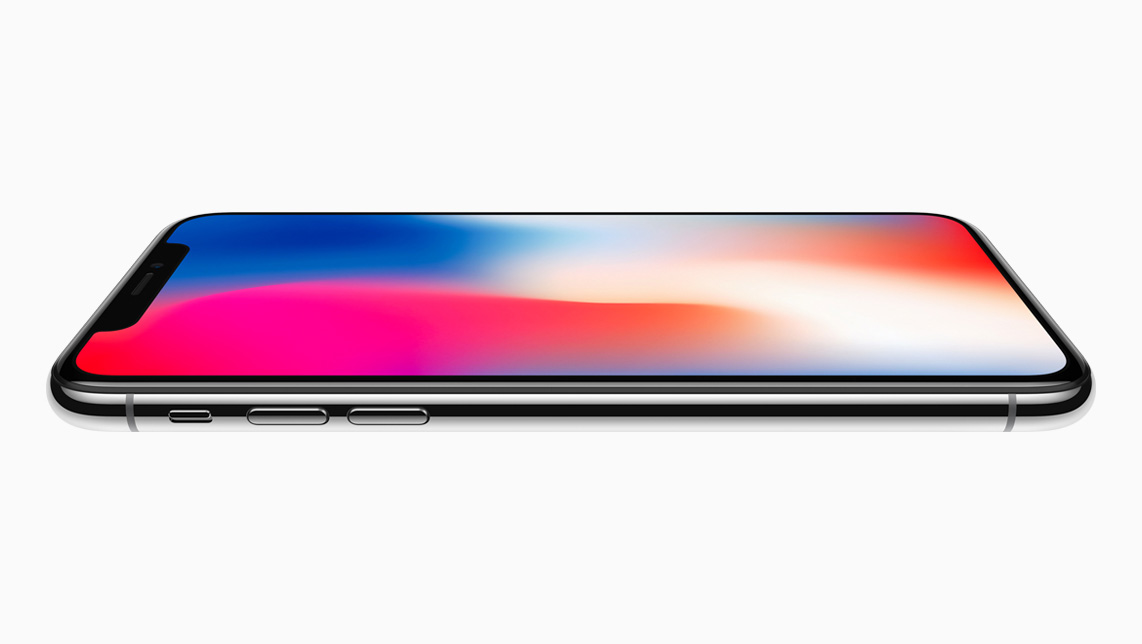
For those unfamiliar with the "iPhone X story," it's a significant chapter in Apple's history. Back in 2017, Apple introduced three new iPhones simultaneously: the iPhone 8, iPhone 8 Plus, and the revolutionary iPhone X. While the iPhone 8 models became available for pre-order just three days after their announcement on September 12th, the iPhone X, with its innovative Face ID and edge-to-edge OLED display, faced production hurdles. As a result, eager customers had to wait a full six weeks, until October 27th, for pre-orders to open. This delay caused considerable frustration but also built immense hype, eventually leading to record-breaking sales and solidifying the iPhone X's status as a technological marvel.
Kuo's analysis this week points to similar manufacturing challenges limiting the early production of the foldable iPhone, which is expected to carry the 'iPhone Ultra' moniker. Creating a reliable, durable, and aesthetically pleasing foldable display, along with the complex hinge mechanism, presents a significant engineering feat. These difficulties in scaling up production to meet initial demand are precisely what led to the iPhone X's staggered release. Consequently, Kuo believes that the 'iPhone Ultra' may launch commercially at some point after the more traditional iPhone 18 Pro models. This could mean a pre-order window opening as late as the fourth quarter of 2026.
The potential for a delayed launch for the iPhone Ultra is a double-edged sword. On one hand, it could build incredible anticipation and hunger for the device, mimicking the stratospheric demand seen for the iPhone X. On the other hand, it might test the patience of consumers, especially in a competitive market where other brands are already offering foldable alternatives. Apple's meticulous approach to quality control and user experience often means they won't rush a product to market until it meets their stringent standards. For a device as groundbreaking as a foldable iPhone, ensuring perfection from day one is paramount, even if it means a longer wait for consumers.
A foldable iPhone represents a monumental leap for Apple, potentially reshaping the smartphone landscape and how users interact with their devices. It promises a larger screen in a compact form factor, opening up new possibilities for multitasking, content consumption, and even creative work on the go. The technical hurdles, however, are immense, ranging from the durability of the flexible display and the seamless operation of the hinge to optimizing software for a dynamic screen environment. If the iPhone Ultra does indeed follow the iPhone X's launch trajectory, it will be a testament to the cutting-edge nature of its technology and Apple's commitment to delivering a polished, revolutionary product, even if it requires a little extra time.
Everything We Expect in the 2026 Apple TV 4K
The Apple TV 4K, a cornerstone of Apple's home entertainment strategy, hasn't received a significant update since 2022. This lengthy hiatus has left many users and analysts eagerly anticipating a refresh, and good news is on the horizon: an update is indeed planned for 2026. However, it appears Apple is strategically waiting to launch this new iteration until its groundbreaking Siri AI features, integrated within iOS 27, are fully released. This suggests a more profound integration between the Apple TV and Apple's broader intelligence ecosystem than ever before.
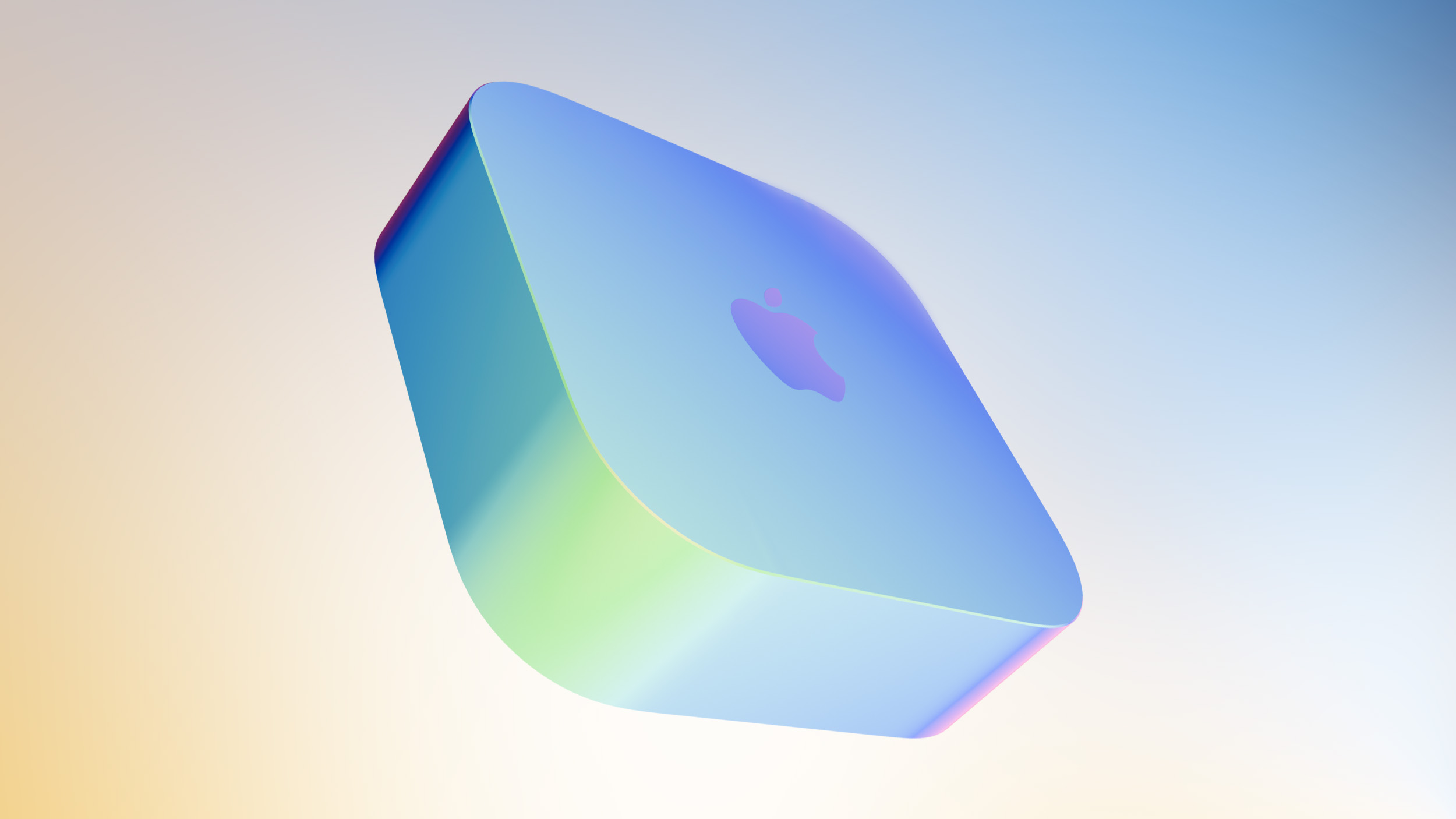
The current Apple TV 4K, while still a capable streaming device, is showing its age, especially compared to newer, more powerful competitors in the streaming box market. An update is crucial to maintain Apple's competitive edge and introduce features that leverage the latest advancements in processing power and artificial intelligence. We encourage you to check out our comprehensive recap of everything we're expecting for the next iteration of Apple's set-top box. This includes detailed discussions on rumored internal specifications, enhanced feature support, potential pricing adjustments, and, of course, the ever-important launch date.
What can we anticipate from the next-generation Apple TV 4K? A faster, more efficient chip is almost a certainty, which would significantly enhance performance for demanding apps, high-fidelity gaming via Apple Arcade, and seamless 4K HDR content playback. Enhanced gaming capabilities could include support for higher refresh rates and more powerful graphics processing, potentially rivaling entry-level gaming consoles. Furthermore, deeper integration with Apple's HomeKit smart home platform could turn the Apple TV into an even more central hub for managing connected devices, offering advanced automation and control options right from your living room screen.
The connection to Siri AI in iOS 27 is particularly exciting. This integration could revolutionize how we interact with our Apple TV. Imagine a Siri that understands more complex commands, offers personalized content recommendations based on viewing habits and even mood, and can seamlessly control smart home devices with greater contextual awareness. For instance, you might be able to say, "Siri, find me a suspenseful thriller, dim the lights, and set the thermostat to 72 degrees," and the Apple TV, powered by the new Siri AI, could execute all these commands effortlessly. This level of intelligent interaction would make the Apple TV not just a streaming device, but a truly smart entertainment and home control hub.
The Apple TV plays a vital role in Apple's ecosystem, acting as a portal for Apple Arcade gaming, Apple Fitness+, and a central HomeKit hub. An updated model, especially one with enhanced AI capabilities, would solidify its position as an indispensable device for users deeply embedded in the Apple ecosystem. It could also potentially attract new users looking for a premium, integrated smart home and entertainment experience. While pricing details are speculative, we expect Apple to continue offering a competitive package, possibly with different storage tiers, to cater to various user needs. The wait for this refresh has been long, but the promised integration with Siri AI suggests it will be well worth it.
Everything New in iOS 27 Beta 3: A Glimpse into the Future
Apple is relentlessly working to polish iOS 27, the next major iteration of its mobile operating system, ahead of its anticipated September public launch. This week marked a significant milestone with the release of the third developer beta, offering developers and keen observers a more refined look at the features and improvements coming to iPhones and iPads. This latest beta isn't just about bug fixes; it includes several notable new features that promise to enhance the user experience, making our devices more personal, intelligent, and efficient.
Among the most exciting changes is a more customizable Siri. This means users will have greater control over their digital assistant, potentially allowing for personalized responses, new voice options, and deeper integration with third-party applications. Imagine Siri learning your preferences over time, offering suggestions that are truly relevant to your daily routine, or even connecting seamlessly with your favorite apps to complete tasks with simple voice commands. This evolution of Siri aims to make it more intuitive, proactive, and genuinely helpful, moving beyond basic commands to become a more integral part of your digital life.
Another delightful addition is a fun new wallpaper action. While details are still emerging, this could signify anything from dynamic wallpapers that change based on context (time of day, weather, calendar events) to AI-generated wallpapers that are unique to each user. The ability to customize our device's appearance is a core part of personalizing the experience, and Apple seems to be taking it to the next level, potentially offering more interactive or visually stunning options that breathe new life into our home screens.
Beyond personalization, practical improvements are coming to two of Apple's most used apps: Photos and Shortcuts. The Photos app is expected to receive enhancements that leverage Apple Intelligence, making it smarter at organizing, searching, and even editing your memories. This could include more advanced AI-powered editing tools, better categorization of events and people, and innovative ways to share curated collections. For Shortcuts, the automation powerhouse, we anticipate improvements that make creating complex workflows even easier, allowing users to automate more aspects of their digital lives with greater flexibility and integration with system features. This could empower both casual users and power users to save time and streamline their daily tasks.
It's not just iPhones and iPads getting attention. On the Mac side, the new macOS beta, internally codenamed "Golden Gate," includes gorgeous new Golden Gate-themed wallpapers. These high-resolution images of the iconic San Francisco landmark are not only beautiful static backgrounds but can also double as captivating screen savers, adding a touch of elegance and local charm to your desktop experience. These visual updates contribute to the overall aesthetic refreshment that comes with a major operating system update.
For those eager to get their hands on iOS 27 and its companion operating systems before the official launch, public betas are just around the corner. Apple has indicated that public betas of the upcoming releases will be available sometime this month. This allows a broader audience to test the new features, provide feedback, and help Apple fine-tune the software before its general release in September. Participating in a public beta is a great way for users to experience the future of Apple's software firsthand, though it's always advisable to install beta software on a secondary device due to potential bugs.
Apple Intelligence Home Features: The Cost of Advanced Smart Home Control
Apple Intelligence, Apple's powerful suite of AI features, is set to revolutionize various aspects of the user experience across iOS 27, iPadOS 27, and macOS 27 Golden Gate. While many of these intelligent capabilities will be accessible to all compatible devices, some advanced features, particularly those integrated into the Home app, will come with a specific requirement: an iCloud+ subscription. Specifically, users looking to leverage the full potential of Apple Intelligence camera features in the Home app will require an iCloud+ plan starting at 2TB, as confirmed by Apple.
So, what exactly do these premium Home app features entail? In iOS 27, iPadOS 27, and macOS 27 Golden Gate, the Home app is getting a significant intelligence boost, transforming how users monitor and interact with their HomeKit Secure Video cameras. One of the standout features is the ability to generate written summaries for motion alerts. Instead of sifting through endless video footage, users will receive concise, AI-generated text summaries highlighting key events, allowing for quick understanding of what transpired without having to watch the full clip. This is a massive time-saver and makes monitoring home security much more efficient.
Furthermore, Apple Intelligence will enable the Home app to group footage from separate cameras, offering a comprehensive overview of activity across different areas of your home. Imagine having multiple cameras monitoring your front door, backyard, and living room; the Home app can now stitch together relevant clips to provide a unified narrative of events. It can also intelligently pull out "noteworthy recordings," using AI to identify important moments and present them to the user, eliminating the need to manually search for significant incidents. Lastly, the introduction of natural language search within camera footage is a game-changer. Users will be able to simply ask Siri or type queries like "Show me when the mail carrier arrived yesterday afternoon" or "Find all recordings of pets in the living room this morning," and the Home app, powered by Apple Intelligence, will accurately retrieve the relevant clips.
During WWDC, Apple announced that certain Apple Intelligence features would require an iCloud+ plan, but the specific tier was left unspecified. Now, we know that for these advanced Home app features, users will need to subscribe to the 2TB iCloud+ plan or higher, which typically costs $9.99 per month. This requirement stems from the significant cloud processing power and storage needed for these AI capabilities. Generating summaries, grouping footage, and performing natural language searches all require robust back-end infrastructure to analyze and store video data efficiently and securely. While some users might find the subscription cost an additional barrier, it underscores the sophistication and computational intensity of these intelligent features, offering a premium experience for those who prioritize advanced smart home security and convenience.
The move to gate certain AI features behind a higher-tier iCloud+ plan highlights Apple's strategy of offering a spectrum of services. Basic AI functionalities will likely be available to everyone, while more intensive, cloud-dependent features will be part of the premium subscription model. This approach allows Apple to monetize its substantial investment in artificial intelligence while offering advanced capabilities to users who value and are willing to pay for them. For homeowners relying on HomeKit Secure Video, the enhanced intelligence promises unparalleled control and insight, making the investment in a 2TB iCloud+ plan a compelling proposition for comprehensive peace of mind.
iPhone 18 Pro Battery Capacities Revealed by Regulatory Filings
Battery life remains one of the most crucial factors for smartphone users, and every year, there's immense anticipation regarding improvements in this area for the next generation of iPhones. This year is no different, with new Chinese regulatory certification filings seemingly confirming the battery capacities of Apple's upcoming iPhone 18 Pro and iPhone 18 Pro Max models. These filings, often a reliable source of pre-release information, provide a clear indication of how Apple plans to power its next flagship devices, suggesting notable enhancements, especially for the larger Pro Max variant.
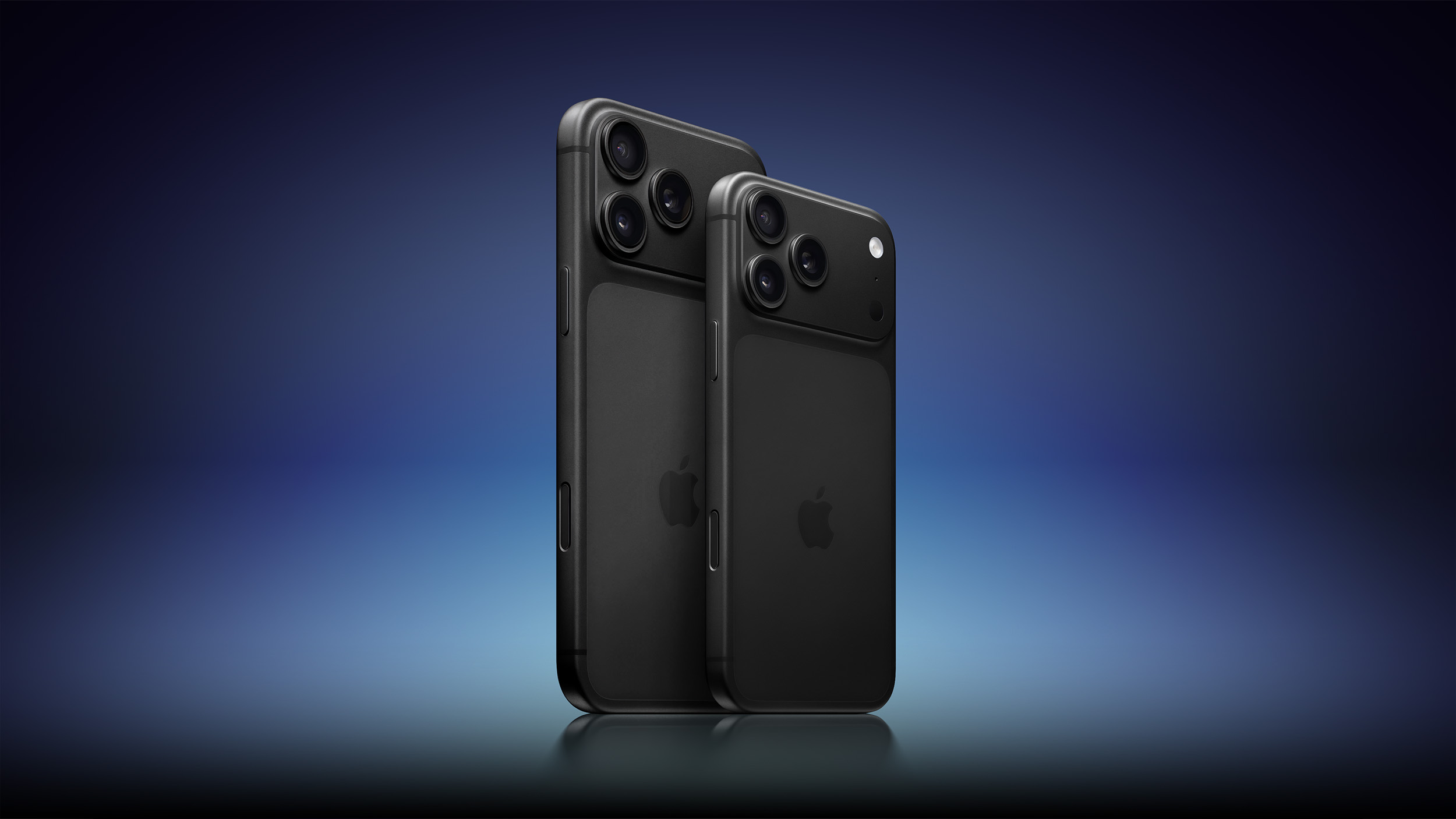
According to documents found in China's C3 database, brought to light earlier this week by the well-known leaker "Digital Chat Station" on Weibo, the standard iPhone 18 Pro is set to feature a battery rated at 4,056mAh in China and 4,288mAh in the U.S. This represents a modest increase compared to its predecessor, the iPhone 17 Pro, which had capacities of 3,988mAh and 4,252mAh. While this increase might seem slight, even a small boost in milliamp-hours (mAh) can translate into noticeable improvements in real-world battery life, especially when combined with more power-efficient processors and software optimizations that are typical of new iPhone generations. For users, this could mean an extra hour or two of usage on a single charge, or better endurance during intensive tasks like gaming or video streaming.
However, the more significant jump in battery capacity is observed in the iPhone 18 Pro Max. This larger model is reportedly rated for an impressive 5,391mAh in China and 5,567mAh in the U.S. This is a substantial leap from the iPhone 17 Pro Max's capacities of 4,823mAh and 5,088mAh, representing an increase of nearly 500mAh. Such a significant boost suggests that Apple is prioritizing extended battery life for its top-tier, largest iPhone. For power users, the iPhone 18 Pro Max has always been the go-to for maximum endurance, and this nearly 500mAh increase could translate into genuinely outstanding all-day battery performance, potentially pushing into two days of use for lighter users. This is a critical improvement, especially as users demand more from their devices, including always-on displays, advanced camera features, and high-refresh-rate screens.
Beyond the traditional iPhone Pro models, the foldable "iPhone Ultra" is also part of these battery revelations. It will reportedly include two distinct battery cells, registering at 1,921mAh and 2,962mAh, for a combined minimum rated capacity of 4,883mAh. The use of two separate battery cells is a common design choice for foldable phones. The flexible nature of these devices often necessitates distributing battery components across the two halves of the phone, allowing for structural integrity around the hinge mechanism and efficient space utilization. A combined capacity of 4,883mAh for a foldable device is competitive and suggests Apple is aiming for robust battery performance, despite the inherent challenges in designing power solutions for such innovative form factors. This capacity is close to that of the current iPhone 17 Pro Max, indicating that the foldable Ultra could offer comparable battery longevity despite its advanced screen technology.
These battery revelations, sourced from regulatory filings and reliable leakers, provide a strong indication of what to expect from the upcoming iPhones. While official confirmation will only come at Apple's event, the trends suggest a consistent effort to enhance battery life, ensuring that Apple's latest devices can keep up with the increasing demands of modern smartphone usage. For consumers, this means more time enjoying their devices and less time worrying about finding a charger.
When is Apple's 2026 Back to School Offer? Students and Educators Await!
As July rolls around, a familiar question begins to surface among students, educators, and parents alike: when will Apple's annual Back to School offer finally begin? This highly anticipated promotion provides significant savings and valuable incentives for those in the education sector looking to purchase new Macs or iPads. However, this year, we are still waiting for Apple to initiate its annual Back to School offer in key markets like the U.S. and Canada. The delay has sparked curiosity, especially considering Apple's recent historical timing for this event.
In recent years, from 2020 through 2025, Apple consistently launched its U.S. Back to School offer in June. This early start allowed students to make their purchases well before the academic year began, giving them ample time to prepare. However, looking further back in Apple's history, the company has sometimes waited until July to kick off the promotion. This year's deviation from the recent June pattern suggests a return to an older schedule or perhaps a strategic delay for other reasons, keeping everyone on the edge of their seats.
Last year's promotion was particularly enticing, offering college students and educational staff a valuable free accessory with the purchase of a qualifying Mac or iPad model. For instance, customers could receive a complimentary accessory like AirPods 4 or an Apple Pencil Pro, adding significant value to their educational technology investment. These bundled offers make Apple products even more appealing to students who rely on them for everything from note-taking and research to creative projects and staying connected.
What Apple plans to offer this year remains uncertain, adding to the suspense. Will it be AirPods again, or perhaps a different accessory that aligns with new product releases or educational trends? The details are eagerly awaited. However, there's a particular bittersweet note hanging over this year's potential promotion. Apple recently increased prices across all its Mac and iPad models. This price hike means that, while a free accessory is always welcome, the overall cost of entry for students and educators is now higher. This could make the promotion feel less like a generous discount and more like a necessary offset for the increased base prices, potentially dampening some of the usual enthusiasm.
The Back to School offer is a crucial part of Apple's strategy to engage with the educational market. By making its products more accessible and attractive to students and teachers, Apple fosters a new generation of users who become familiar and comfortable with its ecosystem. Despite the recent price adjustments, the promotion still represents a significant opportunity for those in education to acquire powerful tools that can enhance learning and productivity. As we move further into July, the educational community will be watching closely for Apple's official announcement, hoping for a generous offer that makes their academic year a little bit easier and more tech-savvy.
Stay Connected: The MacRumors Newsletter
In the fast-paced world of Apple news, staying on top of every announcement, rumor, and beta update can be a challenge. That's why, each week, we meticulously curate and publish an email newsletter designed to bring you the most important Apple stories directly to your inbox. It’s an invaluable resource, providing a bite-sized, yet comprehensive, recap of the week’s events. This digest is expertly crafted to hit all the major topics we’ve covered, tying together related stories to give you a big-picture view of the latest happenings in the Apple universe.
The newsletter is more than just a list of headlines; it’s a thoughtfully compiled summary that helps you understand the implications and connections between different news items, from the latest iPhone Ultra predictions to iOS 27 beta features and beyond. If you want to effortlessly stay informed and ensure you don't miss out on crucial developments, having top stories like the insightful recap above delivered straight to your email inbox each week is the perfect solution. Don't let the flood of daily news overwhelm you; let us distill it into an easy-to-read, comprehensive summary. Make sure you’re always in the loop – subscribe to our newsletter today!
This article, "Top Stories: 'iPhone Ultra' and Apple TV Rumors, iOS 27 Beta 3, and More" first appeared on MacRumors.com
Discuss this article in our forums
Conclusion: The Future of Apple is Bright and Busy
As we wrap up this detailed look into the latest Apple developments, it's clear that the tech giant is poised for a busy and transformative period. The looming launch event, just two months away, promises to unveil innovations that could once again redefine segments of the technology market. The 'iPhone Ultra' stands as a beacon of this ambition, pushing the boundaries of smartphone design with its foldable form factor. While its potential delayed launch, echoing the legendary iPhone X, might test the patience of some enthusiasts, it also underscores Apple's unwavering commitment to delivering highly polished and revolutionary products, even if it means waiting a little longer for perfection. The engineering challenges associated with a truly consumer-ready foldable device are immense, and Apple's cautious approach aims to ensure a flawless user experience from day one.
Beyond the hardware, the software landscape is evolving rapidly with iOS 27, iPadOS 27, and macOS 27 Golden Gate. The third developer betas have given us exciting glimpses into a more intelligent, customizable, and efficient future. Enhanced Siri capabilities, delightful new personalization options like dynamic wallpapers, and significant improvements to core apps like Photos and Shortcuts all point towards a more intuitive and powerful user experience. These software advancements are not merely incremental; they lay the groundwork for a deeper integration of Apple Intelligence across the entire ecosystem, making our devices more proactive and helpful in our daily lives.
The integration of Apple Intelligence, particularly within the Home app, marks a significant step forward for smart home technology. Features like AI-generated motion alert summaries, intelligent grouping of camera footage, and natural language search are poised to offer unprecedented levels of control and insight into our connected homes. While the requirement for a 2TB iCloud+ plan for these advanced features highlights their computational intensity and Apple's premium service model, the value proposition for enhanced security and convenience is undeniable for serious HomeKit users. This also signals Apple's strategic move to monetize its substantial investment in AI research and development.
On the hardware front, the confirmed battery capacity increases for the iPhone 18 Pro and, especially, the iPhone 18 Pro Max are welcome news. In an era where smartphones are central to everything from communication to entertainment and productivity, extended battery life is paramount. These significant boosts promise to keep users connected and productive for longer, directly addressing one of the perennial concerns of smartphone ownership. The dual-cell battery design for the foldable iPhone Ultra also reveals the intricate engineering required for its groundbreaking design, aiming to balance innovative form factor with robust power delivery.
Finally, the anticipated Back to School offer, though currently delayed from its usual timing, remains a crucial event for students and educators. Despite recent price adjustments across Macs and iPads, these promotions play a vital role in making Apple's powerful tools more accessible to the academic community. The specific incentives remain a mystery, but the underlying commitment to supporting education through technology is clear.
In essence, Apple is not just releasing new devices; it’s weaving a richer, more intelligent tapestry of hardware, software, and services. Each piece, from the potentially revolutionary iPhone Ultra to the smarter iOS 27 and the refreshed Apple TV, is designed to work in harmony, creating an ever more seamless and powerful ecosystem. The coming months will undoubtedly be filled with exciting announcements and revelations. We encourage you to stay tuned to MacRumors, and especially subscribe to our newsletter, to ensure you don't miss a single beat of this thrilling journey into Apple's future.
from MacRumors
-via DynaSage
