
Pokémon’s Next Lego Sets Are Cool But Good Lord, Those Prices
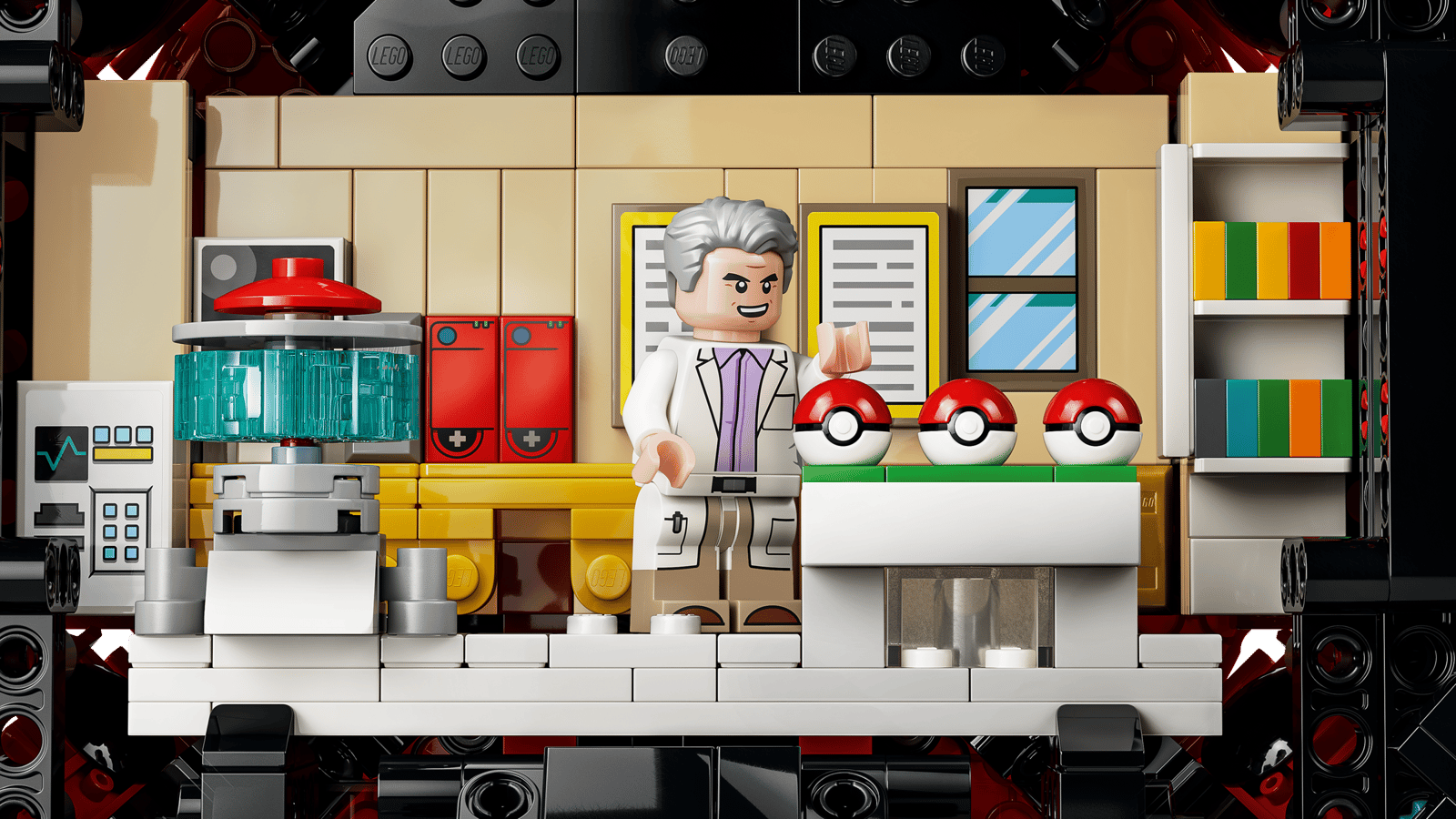
The Dream Lab: Why We Want a Professor Oak Set (Without Breaking the Bank)
For many of us who grew up with Pokémon, Professor Oak's Lab isn't just a building; it's the very genesis of our adventure. It’s where we first met our chosen starter, received our Pokédex, and embarked on a journey across the Kanto region. The image of that cozy, research-filled space, bustling with scientific equipment and the promise of discovery, is etched into our collective memory. It represents the starting line, the moment where endless possibilities unfurled before our eyes. That sense of nostalgia, combined with a love for tangible collectibles, fuels a powerful desire among fans: to own a physical piece of that iconic location. Imagine having a detailed, miniature version of Professor Oak's lab proudly displayed on your shelf – a constant reminder of where it all began. The idea itself is incredibly appealing, a perfect blend of childhood wonder and adult appreciation for craftsmanship.
However, as with many highly sought-after collector's items, the excitement often bumps up against a very real obstacle: the price. The desire for a faithful recreation of this legendary lab is strong, but the sentiment "I would love a little set of Professor Oak’s lab, but not for the price of a Switch" perfectly captures the dilemma. A Nintendo Switch console represents a significant investment, offering countless hours of interactive entertainment, new game experiences, and a portal to vast digital worlds. For a static display piece, no matter how lovingly crafted, to command a similar price point feels disproportionate to many enthusiasts. It highlights a common tension in the collectibles market: how to balance exquisite detail and limited production runs with the accessibility that allows more fans to enjoy these pieces without having to make a major financial sacrifice. This isn't just about saving money; it's about the perceived value and the sheer joy of adding a beloved piece to one's collection without feeling like you've had to choose between a cherished item and a major household purchase.
The Undeniable Allure of Oak's Lab: A Nostalgic Cornerstone
What exactly makes Professor Oak's lab so incredibly special that it warrants such fervent desire for a physical replica? It's more than just bricks and mortar; it's the symbolic heart of the Kanto region and, for many, the entire Pokémon franchise. This humble lab is where trainers, wide-eyed and eager, receive their very first Pokémon. Whether it was the fiery Charmander, the stalwart Bulbasaur, or the splashy Squirtle, that initial choice shaped countless virtual journeys. The lab is also the source of the Pokédex, the revolutionary device that allowed us to document and learn about the creatures inhabiting the Pokémon world. These elements combined make the lab an epicenter of discovery, learning, and the beginning of friendship between trainer and Pokémon.
Beyond its functional role, the aesthetic of Oak's lab contributes to its charm. It’s a place of organized chaos, filled with books, scientific instruments, strange beakers, and perhaps even a stray Poké Ball or two resting on a cluttered desk. This environment perfectly encapsulates Professor Oak's character: the wise, slightly eccentric, but ultimately brilliant Pokémon researcher. A collectible set would ideally capture these nuanced details – the specific layout, the color palette, the feel of a place dedicated to uncovering the mysteries of Pokémon. Fans envision tiny, meticulously crafted renditions of his computer, his bookshelves packed with tomes on Pokémon biology, and perhaps even a miniature version of the iconic map of Kanto. The desire isn't just for a generic building, but for a piece that truly reflects the specific details that made the location memorable and emotionally resonant.
The nostalgia factor is paramount here. For many adult collectors, owning a piece of Professor Oak's lab is a tangible link to a cherished past, a way to relive the innocence and excitement of their childhood. It's an opportunity to physically interact with a world that once existed only on a screen or in their imagination. Displaying such a set isn't just about showing off; it's about curating memories, sparking conversations, and feeling a continuous connection to a story that shaped a generation. This emotional investment is what drives the demand, making the quest for a perfectly designed and accessibly priced set a shared passion among the global Pokémon community.
Decoding the Collector's Mindset: Why Miniatures Captivate Us
The human fascination with miniatures is a long-standing phenomenon, and it's particularly pronounced in the world of pop culture collectibles. A miniature set of Professor Oak's lab taps into several deep-seated psychological triggers that make collecting so compelling. Firstly, there's the element of control and mastery. In a miniature world, everything is perfectly scaled and contained. Collectors can arrange, display, and even gently interact with these tiny worlds, creating a sense of order and personal ownership over a beloved fictional universe. It’s a way of bringing a piece of an expansive digital world into a small, manageable physical space.
Secondly, miniatures offer a unique blend of intimacy and detail. When something is shrunken down, our eyes are naturally drawn to its intricate components. A well-crafted miniature lab set would invite close inspection, revealing tiny details that might be overlooked in a larger context or even in the original game. Imagine spotting a minuscule Potion bottle, a tiny framed diploma on the wall, or even a miniature microscope on Oak's desk. These small touches transform a simple model into a storytelling device, enriching the connection to the source material. It's these "Easter eggs" and hidden elements that true fans cherish, rewarding their keen observation and deepening their appreciation for the product.
Furthermore, these sets serve as powerful conversation starters and display pieces. A Professor Oak's lab set isn't just for the owner; it's an object designed to be admired and discussed. It can evoke shared memories among fellow fans, leading to discussions about favorite starters, challenging gym battles, or personal anecdotes from their Pokémon journey. For many, a collection is a form of self-expression, a way to showcase their passions and personality without uttering a single word. A beautifully realized set, therefore, becomes a focal point in a room, drawing attention and initiating connections, solidifying its value beyond mere aesthetic appeal.
The Price Dilemma: Why a Switch is the Benchmark
The phrase "not for the price of a Switch" isn't an arbitrary comparison; it serves as a powerful benchmark for value in the modern consumer landscape, especially for entertainment and hobby items. A Nintendo Switch, in its various iterations, offers an incredible array of experiences. It's a versatile gaming console that provides access to hundreds of games, from epic adventures to casual puzzlers, playable at home or on the go. It represents hundreds, if not thousands, of hours of potential entertainment, often shared with friends and family. Its utility and replayability are immense, making its price point a well-understood measure of significant disposable income for many consumers.
When a collectible item approaches or exceeds the cost of such a versatile and long-lasting entertainment system, it forces a hard evaluation of perceived value. For a static display piece, no matter how detailed or iconic, to compete with the dynamic, interactive, and evolving experience of a gaming console, it must offer something truly extraordinary or cater to a very niche, high-end collector. The concern isn't just about the absolute dollar amount, but about the opportunity cost. Would a fan rather invest in a console that opens up entire new worlds, or a single, albeit beautiful, physical representation of one location within a digital world? This is where the price point becomes critical, separating aspirational items from truly accessible fan merchandise.
The cost of manufacturing also plays a significant role. High-quality collectibles often involve intricate molds, specialized materials, licensed intellectual property fees, and limited production runs, all of which drive up the final price. If a set aims for hyper-realism with premium materials like polystone resin or hand-painted details, its cost will inevitably soar. Mass-produced plastic items are cheaper, but often lack the intricate detail collectors crave. Finding that sweet spot where quality meets affordability is the perpetual challenge for manufacturers. For many fans, the "Switch price" sets an informal upper limit for how much they are willing to pay for a non-essential, purely aesthetic item, underscoring the need for a thoughtful approach to product development in the collectibles market.
Crafting the Ideal Oak's Lab Set: Balancing Dreams and Budgets
So, if the dream is a detailed Professor Oak's lab set without the premium price tag of a Nintendo Switch, what would such an ideal product look like? The key lies in intelligent design, tiered offerings, and a focus on what truly matters to the fans. Manufacturers could explore several strategies to make such a beloved piece more accessible while retaining its charm and quality. This isn't about cutting corners but about making smart choices that respect both the IP and the fan's wallet.
Tiered Offerings: From Starter to Master Builder
One effective strategy is to offer different versions of the lab at various price points. A "Starter Set" could focus on the most iconic elements: Professor Oak's desk, a small shelf with the three Kanto starter Poké Balls, and perhaps a miniature Oak figure. This entry-level option would be highly affordable, allowing casual fans to own a piece of the lab. A "Journeyman Set" could expand on this, adding more of the lab's interior, like a bookshelf, a computer station, or a research table with beakers. Finally, a "Master Set" could be the full diorama, complete with removable roof sections, exterior details like the bicycle parked outside, and possibly even LED lighting for dramatic effect. This allows fans to choose their level of investment and expand their lab over time, similar to how one might collect modular building sets.
Material Choices and Scale: Smart Design Decisions
The choice of materials is crucial. While premium resin offers unparalleled detail and weight, it also comes with a hefty cost. High-quality ABS plastic, especially when molded with precision and carefully painted, can achieve impressive results at a fraction of the price. The scale of the set also impacts cost significantly. A larger, minifigure-scale set would require more material and intricate molds than a smaller, more stylized 'chibi' or desktop-sized version. Focusing on a slightly smaller, yet still detailed, scale could make the set more production-friendly and thus more affordable for the consumer. Imagine a set designed to perfectly complement existing Pokémon figures, allowing fans to integrate it into their broader collections.
DIY and Modular Kits: Engaging the Fanbase
Another innovative approach could be to offer the lab as a high-quality model kit that fans assemble themselves. This not only reduces manufacturing labor costs but also adds an engaging, hands-on element to the product. Many collectors enjoy the process of building and customizing. Such a kit could come with detailed instructions, pre-colored parts, or even options for painting, offering a sense of accomplishment upon completion. Furthermore, a modular design where different sections of the lab (the main desk area, the research corner, the entrance) are sold separately as add-ons would allow fans to slowly build their complete vision of the lab without a massive upfront cost, turning the purchase into an ongoing hobby rather than a single large transaction.
The Evolving Landscape of Pokémon Merchandise: Beyond Figures
The world of Pokémon merchandise has grown exponentially since the franchise's inception, expanding far beyond simple trading cards and plush toys. Today, fans can find everything from high-end articulated figures and detailed statues to apparel, home goods, and even specialty electronics. This vast market demonstrates a strong demand for varied ways to interact with the Pokémon universe. Companies like Bandai, Good Smile Company, and even independent creators produce incredibly detailed items that cater to adult collectors. However, the price points for these premium items can often be substantial, pushing them into the "luxury" category rather than accessible fan merchandise.
Success stories in the collectibles market often involve finding innovative ways to blend quality with affordability. For example, some brands have found success with 'blind box' or 'gashapon' style collectibles, which offer small, charming figures at a low price, encouraging repeat purchases. Others, like certain LEGO-compatible building block brands, have tapped into the desire for intricate buildable models without the premium licensing costs, although official LEGO Pokémon sets remain a highly coveted, albeit often costly, dream for many. The challenge for an official Professor Oak's lab set, then, is to carve out its own niche – a sweet spot between a cheap, low-detail toy and an ultra-expensive, limited-edition diorama. This means learning from what works across the broader collectibles spectrum and adapting those lessons to the unique appeal of the Pokémon world.
The market has also seen a rise in "experiential" merchandise, such as escape rooms, themed cafes, and interactive events. While a physical lab set is a static item, its value can be enhanced if it connects to these broader fan experiences. For instance, imagine a QR code hidden within the set that unlocks exclusive digital content, or an accompanying app that provides lore and backstory for the items within the lab. These supplementary experiences can add perceived value without significantly increasing the manufacturing cost, making the overall package more appealing and justifying a slightly higher price point than a standalone plastic model. The future of Pokémon collectibles is likely to see even more integration between physical products and digital experiences, further enriching the fan's connection to the world of Kanto.
More Than Just Plastic: The Emotional Resonance of Collectibles
At its heart, the desire for a Professor Oak's lab set, or any cherished collectible, transcends mere consumerism. It's deeply rooted in emotional resonance, nostalgia, and a profound connection to storytelling. For many, Pokémon isn't just a game or a cartoon; it's a foundational memory, a shared cultural touchstone that shaped their understanding of friendship, adventure, and perseverance. A physical replica of Oak's lab isn't just a model; it's a tangible artifact of those formative experiences, a physical manifestation of a cherished past.
Holding such a piece in one's hands can transport an adult back to the innocent wonder of discovering their first Pokémon, the thrill of receiving their Pokédex, and the boundless excitement of a journey just beginning. It can be a stress reliever, a source of comfort, or simply a beautiful object that sparks joy. In an increasingly digital world, these physical connections to beloved franchises become even more significant. They offer a grounded, tactile reminder of stories and characters that have impacted our lives, providing a sense of continuity and comfort. For collectors, the act of acquiring, displaying, and curating these items is a ritual that reinforces their identity and celebrates their passions.
Moreover, these collectibles foster a sense of community. Sharing pictures of a newly acquired Professor Oak's lab set online, discussing its details with fellow fans, or even inspiring others to create their own custom versions strengthens the bonds within the Pokémon fandom. It's a way to connect with like-minded individuals who understand and appreciate the same deep emotional investment in a fictional world. This shared enthusiasm adds another layer of value to the item, transforming it from a solitary possession into a catalyst for connection and collective celebration. The intrinsic value of such a set isn't solely in its materials or craftsmanship, but in its ability to evoke powerful emotions and build bridges between fans across the globe.
The Future of Pokémon Collectibles: What Fans Truly Desire
As the Pokémon franchise continues to evolve, so too will the desires of its dedicated fanbase when it comes to collectibles. The yearning for a Professor Oak's lab set without the prohibitive cost of a Nintendo Switch speaks volumes about what modern collectors are truly looking for: accessible quality, thoughtful design, and a deeper connection to the core experience. The future of Pokémon collectibles should ideally lean into these fan-driven demands, moving beyond simple figures to more interactive, customizable, and emotionally resonant offerings.
One exciting possibility lies in greater fan involvement in the design process. Imagine a community poll to decide which specific details or characters to include in a lab set, or even a crowdfunding campaign that allows fans to directly contribute to the creation of their dream item. This level of engagement not only builds anticipation but also ensures that the final product truly aligns with what the community wants. Furthermore, future sets could incorporate more interactive elements, perhaps small, functional features like a light-up screen on Oak's computer, or interchangeable parts that allow for different display configurations, mimicking the dynamic nature of the games themselves.
Ultimately, the dream of a Professor Oak's lab set is a microcosm of a larger collector's aspiration: to bring the magic of a beloved fictional world into tangible reality, in a way that feels both special and achievable. It’s a call for manufacturers to listen to the passionate voices of their audience and to innovate in how they deliver high-quality, emotionally resonant products. By understanding the perceived value, the nostalgic pull, and the community aspect, the industry can create a future where iconic locations like Professor Oak's lab can grace our shelves, reminding us of where our adventures began, without requiring us to choose between a cherished display piece and a new console. The journey, much like a Pokémon trainer's, is all about evolution, and fans are ready for the next stage in collectible innovation.
from Kotaku
-via DynaSage
