
Pokémon Is Dropping One Of Its Most Underappreciated Games From Its Biggest Competition
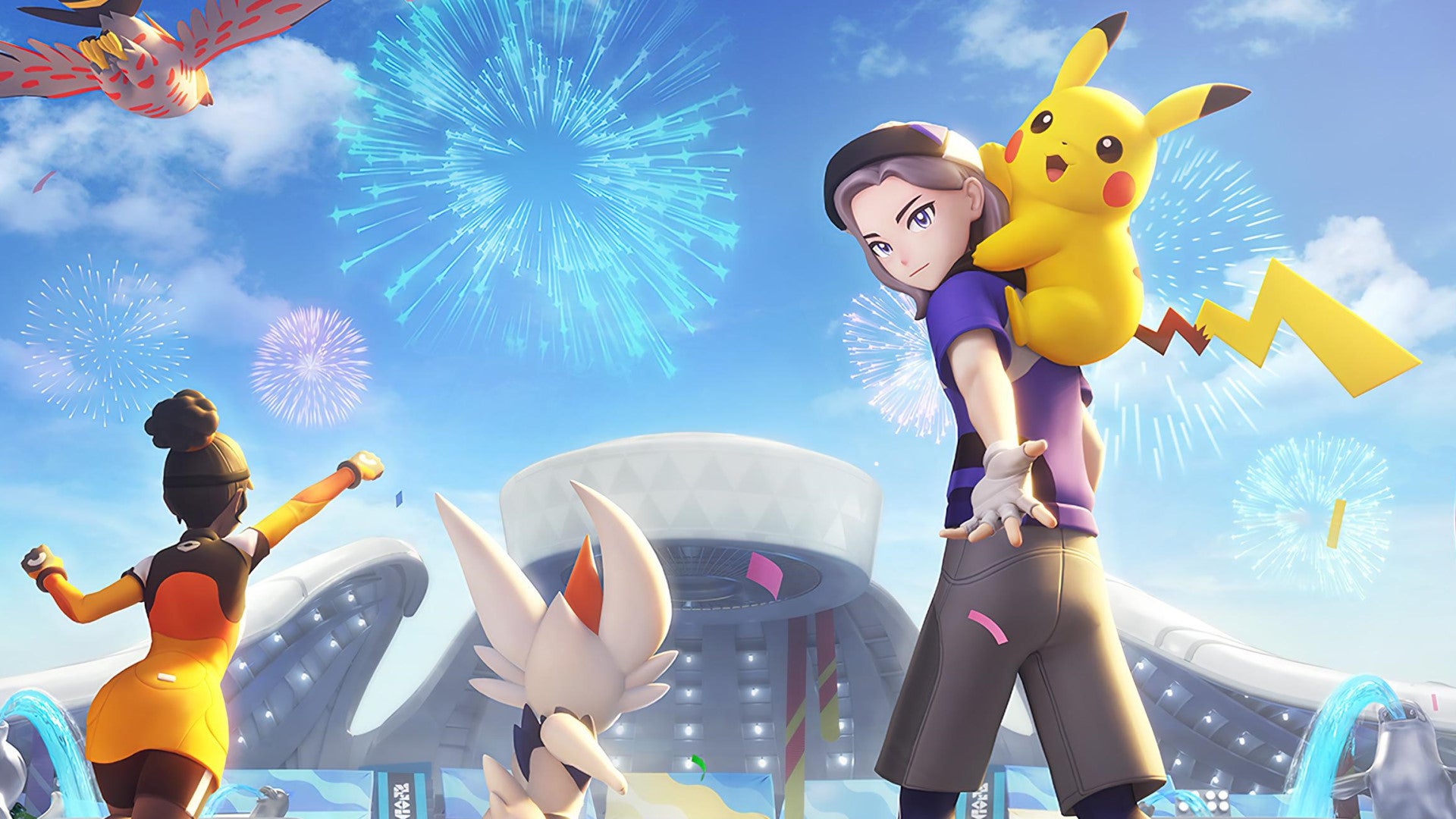
The Summit of Champions 2027: Why the Next World Championship Will Be a Little Smaller
The year 2027 is set to mark a pivotal moment in the history of competitive gaming, as organizers for the highly anticipated Global eSports World Championships have announced a significant change: the tournament will be "a little smaller." This news has sparked widespread discussion across the global eSports community, raising questions about what this reduction truly entails, why it's happening, and what it means for players, fans, and the future of professional gaming. While initial reactions might lean towards concern, a deeper look reveals that this strategic shift could be a crucial step towards a more sustainable and impactful eSports ecosystem.
For years, eSports has been characterized by explosive growth, with tournaments consistently breaking viewership records, expanding prize pools, and reaching new geographic territories. The World Championships, in particular, have stood as the pinnacle of this ambition, showcasing the best talent on grand stages, often in multiple host cities. The decision to scale back for 2027 suggests a conscious effort to recalibrate, moving away from a relentless pursuit of expansion towards a more refined and focused competitive experience. This isn't necessarily a step backward, but perhaps a calculated sidestep to strengthen the foundations of what has become a multi-billion dollar industry.
What "Smaller" Truly Means for eSports' Grandest Stage
When we hear a major event like the World Championships will be "smaller," it can conjure various images. In the context of eSports, this term is likely multi-faceted, touching upon several key areas that define the scale and grandeur of these global spectacles. It's not just about one simple cut; it’s a strategic re-evaluation that could impact everything from participant numbers to the overall spectator experience. Understanding these nuances is crucial to grasping the full implications of the 2027 changes.
Firstly, "smaller" could refer to a reduction in the number of participating teams. Historically, World Championships have often featured a broad representation from various regions, sometimes including wildcard entries that bring diverse competitive styles. A smaller tournament might mean fewer slots available, leading to intensified regional qualifiers and a more exclusive pool of top-tier teams competing on the main stage. This could elevate the quality of play by ensuring only the absolute best make it through, but it also means fewer opportunities for emerging regions or less-established organizations.
Secondly, the prize pool, a significant draw for both players and viewers, might see an adjustment. While eSports prize pools have shattered records year after year, especially in titles like Dota 2's The International, a "smaller" World Championship could imply a more modest, yet still substantial, total prize offering. This doesn't necessarily mean a less exciting competition, but it might signal a shift in investment strategies, perhaps redirecting funds towards player welfare, grassroots development, or regional circuits to foster talent growth at a foundational level. For insights into historical prize pools, you can often find detailed breakdowns on sites like Liquipedia.
Thirdly, the physical footprint of the event could be reduced. This might involve fewer host cities or a single, more centralized venue for the entire tournament. Past World Championships have sometimes traversed multiple locations for different stages (Play-Ins, Group Stage, Knockouts, Finals), offering fans in various regions a chance to experience the live action. A smaller footprint might simplify logistics and reduce environmental impact, but it could also limit accessibility for fans worldwide who crave the live spectator experience. The production value, while likely remaining high, might also be streamlined, focusing on efficiency without sacrificing core entertainment quality.
Lastly, the duration of the tournament itself might be condensed. Lengthy competitive seasons and multi-week world championship events demand significant resources and sustained attention from both competitors and audiences. A shorter, more intense schedule could offer a more focused narrative, keeping fans engaged with a rapid succession of high-stakes matches. This could also alleviate some of the pressure on players, who often face grueling schedules and extensive travel during these global events.
The Driving Forces Behind This Strategic Shift
The decision to make the 2027 World Championships smaller is not made lightly. It reflects a confluence of factors influencing the modern eSports landscape, pointing towards a phase of maturity and strategic recalibration rather than outright decline. Understanding these underlying forces is key to appreciating the long-term vision behind such a move.
One primary driver is the evolving economic climate and its impact on sponsorships. E-sports relies heavily on external investments from brands, ranging from tech companies to mainstream consumer products. Economic downturns or even a slowdown in global growth can lead to companies tightening their marketing budgets, making large-scale, multi-million-dollar sponsorships harder to secure. Organizers might be proactively adjusting the scale of the event to align with more realistic funding projections and ensure financial stability, rather than chasing unsustainable levels of expenditure. This proactive approach helps secure the long-term viability of the championship.
Another factor is the maturation of the eSports industry itself. After years of hyper-growth, where expansion was often the primary metric of success, the industry is now focusing more on sustainability and profitability. This means optimizing operations, reducing unnecessary costs, and ensuring that every investment yields a clear return. A "smaller" World Championship could be part of a broader strategy to move towards a financially healthier model, where quality and impact are prioritized over sheer size. This reflects a more business-savvy approach that many traditional sports have adopted over decades.
Publisher strategic decisions also play a crucial role. Game developers and publishers are the ultimate arbiters of their respective eSports ecosystems. They might decide that a more focused World Championship allows them to better manage their resources, invest more heavily in regional leagues, or experiment with new competitive formats. For instance, a publisher might choose to elevate the prestige of their regional championships, making the path to the World Championship even more challenging and meaningful. This can create stronger local fanbases and provide more opportunities for players within their home regions, ultimately building a more robust global competitive pipeline.
Furthermore, logistical complexities and the environmental impact of large-scale global events are increasingly under scrutiny. Hosting a massive multi-city tournament involves immense planning, coordination, and a considerable carbon footprint from international travel and venue operations. Streamlining the event could be a response to these challenges, making the tournament more manageable, efficient, and potentially more environmentally conscious. This aligns with broader societal trends towards sustainability and responsible event management.
Finally, there might be a strategic re-evaluation of viewership trends. While peak viewership numbers for grand finals remain impressive, sustained engagement throughout lengthy tournaments can be a challenge. A more condensed and focused event might aim to maximize peak engagement by concentrating the most compelling matches into a tighter schedule, ensuring that every game carries immense weight and excitement. This focus on concentrated quality rather than sprawling quantity could be a conscious effort to enhance the spectator experience and maintain high interest levels throughout.
Impact on the Heart of Competition: Players and Teams
For the professional players and the organizations that support them, the announcement of a "smaller" 2027 World Championship carries significant implications. Their careers, livelihoods, and aspirations are intrinsically tied to these tournaments, making any structural change a major point of discussion and adaptation.
One of the most immediate impacts will be the heightened intensity of regional qualifiers. With potentially fewer slots available at the global championship, the competition to qualify from each region will become even fiercer. Every match, every series in the run-up to the World Championship will carry immense weight, adding pressure to players and teams who are already operating at the peak of their abilities. This could lead to more compelling regional storylines and rivalries, but it also means that many talented teams who might have previously had a chance will now face an even tougher uphill battle.
The reduced number of spots could also translate to fewer professional opportunities overall. If fewer teams participate, fewer players will have the chance to experience the pinnacle of competitive gaming. This might impact the overall career longevity of some professionals and could make the path from amateur to pro even more arduous. Organizations will need to be even more strategic in their roster development and player retention, as the stakes for making it to the global stage become incredibly high.
From a psychological standpoint, the pressure on players could intensify. The World Championship represents the ultimate validation for many eSports professionals – a chance to prove themselves against the best in the world and etch their names into history. A smaller tournament, with its exclusivity, might amplify both the glory of victory and the sting of not qualifying. Mental fortitude and resilience will become even more critical traits for players navigating this more competitive landscape. Player welfare and support systems will need to evolve to address these increased pressures, ensuring that athletes can perform at their best without burning out.
Moreover, if there's an adjustment to the prize pool, it could directly affect player earnings and team revenue. While prize money is often a bonus rather than the sole income stream for top pros (salaries and sponsorships are key), a substantial prize pool is a huge motivator and a significant financial boost. A smaller prize pool might require teams and players to focus even more on securing strong sponsorship deals and managing their finances carefully. This could also shift the focus of some teams towards more sustainable long-term financial models rather than relying on one big tournament payout.
Ultimately, players and teams will need to adapt. This might involve a renewed focus on regional dominance, a more rigorous approach to training, and a deep understanding of the new competitive ecosystem. While the challenges are clear, this increased exclusivity could also make qualifying for and winning the World Championship an even more prestigious and sought-after achievement.
The Fan Experience: Adapting to a New Era
Fans are the lifeblood of eSports, driving viewership, generating hype, and creating the vibrant atmosphere that defines these events. A "smaller" World Championship will undoubtedly alter their experience, but these changes don't necessarily equate to a diminished one. It’s an opportunity for organizers to refine and concentrate the excitement.
One potential impact is that fans might experience a more condensed and high-stakes tournament. With fewer matches and potentially fewer teams, every single game could carry more weight, making for a thrilling spectator experience from start to finish. The narrative arcs might become more focused, allowing fans to develop deeper connections with the competing teams and players, as there's less "filler" and more direct action. This could foster more intense rivalries and memorable moments in a shorter span of time.
However, reduced accessibility for live attendance is a probable outcome. If the tournament focuses on a single, centralized venue or fewer host cities, fans in other regions might miss out on the opportunity to experience the thrill of a live World Championship event in person. This could lead to disappointment for some, but it also elevates the importance of the online viewing experience. Organizers will need to double down on high-quality broadcasts, interactive features, and community engagement initiatives to ensure that remote viewers feel just as connected to the action.
The shift towards a potentially more exclusive event could also change the perception of the championship. For some, it might elevate its prestige, making it feel even more like an elite gathering of the world's best. For others, it might feel less inclusive. It's crucial for organizers to communicate the rationale behind these changes transparently, emphasizing the commitment to competitive integrity and the long-term health of the sport. Building a strong narrative around the new format will be vital to maintain fan enthusiasm and buy-in.
Furthermore, a "smaller" World Championship might encourage fans to pay more attention to regional leagues and qualifiers. If the path to the global stage becomes tougher, the regional competitions will gain increased significance as the proving grounds for future champions. This could lead to a stronger appreciation for local talent and a more vibrant year-round competitive scene, rather than just focusing solely on the grand international events. Platforms like Esports.com or official game sites are excellent resources for following these regional stories.
Ultimately, the fan experience will depend on how effectively organizers leverage the new format. By prioritizing compelling storylines, top-tier production quality for online viewers, and clear communication, a smaller World Championship can still deliver an incredibly impactful and memorable experience, perhaps even fostering a deeper appreciation for the competitive journey.
A Publisher's Perspective: Rethinking Growth and Sustainability
From the vantage point of game publishers and tournament organizers, the decision to host a "smaller" World Championship in 2027 is a strategic recalibration, aimed at ensuring the long-term viability and health of their competitive titles. This isn't a sign of weakness but rather a mature approach to managing a rapidly evolving industry.
One of the most significant benefits for publishers is enhanced cost control. Producing and operating a global eSports World Championship is an incredibly expensive undertaking, involving massive venues, intricate production setups, extensive travel for staff and teams, and substantial prize pools. By scaling back certain elements, publishers can significantly reduce operational costs, allowing for more efficient resource allocation. These savings could then be reinvested into other areas, such as game development, improved server infrastructure, player development programs, or more sustainable regional league support.
This strategic shift also offers an opportunity for experimentation with tournament formats. The pressure to always be bigger can sometimes stifle innovation. A smaller, more focused event might allow publishers to test out new competitive structures, scheduling methods, or broadcast innovations in a controlled environment. For example, they might experiment with unique match formats, interactive fan engagement tools, or even different ways to integrate sponsors without overwhelming the audience. This agility can be crucial for an industry that is still relatively young and constantly evolving.
Moreover, focusing on a smaller, more centralized event can simplify logistics. Managing international travel, visas, equipment transport, and multiple venue setups across different countries is a monumental task. Streamlining these elements reduces the potential for logistical mishaps, delays, and administrative overhead, allowing the organizers to concentrate on delivering a flawless competitive experience. This increased efficiency can lead to a higher quality event overall.
However, publishers must also navigate potential risks. The primary concern is the perception of decline. After years of touting unprecedented growth, a "smaller" championship might be misconstrued by some as a sign that eSports is struggling. This makes transparent communication and a clear narrative about the strategic benefits of the new approach absolutely critical. Publishers need to articulate how this decision contributes to a stronger, more sustainable future, rather than just being a cost-cutting measure.
Another risk is potential community backlash if the changes are not well-received, particularly regarding reduced opportunities for teams or less accessibility for fans. Maintaining strong community relations and actively listening to feedback will be paramount. Ultimately, this move reflects a publisher's long-term vision, prioritizing stability and refined excellence over continuous, potentially unsustainable, expansion. It’s a bold step that could lay the groundwork for a more robust and resilient competitive future for their games.
The Broader eSports Ecosystem: What This Signals for the Future
The decision to make the 2027 World Championships smaller is not an isolated event; it's a tremor that reverberates across the entire eSports ecosystem, offering vital clues about the industry's direction. This strategic adjustment could very well be a harbinger of a more mature, sustainable, and perhaps even more stable future for competitive gaming.
Firstly, it signals a shift from a "growth at all costs" mentality to one of sustainability and profitability. For years, eSports operated much like a startup, prioritizing rapid user acquisition, viewership numbers, and market share expansion. Now, as the industry matures, the focus is increasingly on building financially sound models, ensuring that leagues, tournaments, and organizations can thrive without constant reliance on venture capital or unsustainably large publisher subsidies. This move suggests that the industry is collectively entering a phase where economic prudence is taking precedence, similar to traditional sports which have long focused on long-term financial health.
Secondly, it could indicate a consolidation within the eSports landscape. Smaller tournaments, fewer teams, and a more concentrated competitive calendar might mean that only the strongest, most well-managed organizations and the most popular game titles will continue to dominate the global stage. This isn't necessarily negative; it could lead to higher quality competition as resources are focused on fewer, but better, operations. However, it also presents challenges for smaller teams and emerging games trying to break into the established hierarchy.
Thirdly, this change might reinforce the importance of regional leagues. If the global World Championship becomes more exclusive, the regional leagues and championships will naturally gain more prestige and significance as the primary battlegrounds for qualification. This could lead to increased investment in regional circuits, stronger regional fanbases, and a more robust competitive ecosystem that feeds into the global stage. Players might find more consistent opportunities within their home regions, potentially reducing the strain of constant international travel and cultural adjustments. This decentralization could strengthen the global eSports pyramid from the base up.
Moreover, this signals an industry that is learning to adapt and evolve. E-sports is still relatively young compared to traditional sports, and it's constantly experimenting with formats, monetization, and audience engagement. This adjustment for 2027 could be seen as an ongoing evolutionary process, where the industry refines its approach to ensure longevity. It’s a testament to the fact that eSports is dynamic and responsive to both internal challenges and external market forces.
Ultimately, the "smaller" 2027 World Championships may be a key moment in eSports' journey towards becoming a truly established and enduring global phenomenon. It suggests a focus on building robust foundations, fostering sustainable growth, and delivering a consistently high-quality experience, even if that means temporarily pulling back on sheer scale.
Looking Ahead: The Opportunities Within Contraction
While the notion of a "smaller" World Championship might initially sound like a limitation, it paradoxically opens up a wealth of opportunities for innovation, refinement, and a healthier future for eSports. This recalibration is not just about cutting costs; it's about optimizing the competitive experience and fostering sustainable growth in new ways.
One significant opportunity lies in the development of new tournament formats. With the pressure to always expand removed, organizers can become more creative with how the championship is structured. This could involve innovative group stage designs, unique playoff brackets, or even experimental modes of play that keep the competition fresh and exciting. A streamlined event allows for more flexibility and a willingness to test concepts that might be too risky for a sprawling, multi-million dollar production. This could lead to a more dynamic and unpredictable competitive landscape, enhancing viewer engagement.
The increased focus on exclusivity and quality could also foster deeper storylines and rivalries. When only the absolute best teams make it to the global stage, every match becomes a clash of titans. Fans will have fewer teams to track, allowing for more concentrated narratives around specific players, team legacies, and regional pride. This kind of intense, focused competition can create legendary moments and cultivate rivalries that resonate deeply within the community, becoming defining chapters in eSports history. The fewer distractions, the clearer the hero's journey.
Furthermore, a more contained World Championship might allow organizers to invest more heavily in specific aspects of the fan experience. With reduced logistical complexity, resources can be redirected towards cutting-edge broadcast technology, more engaging pre- and post-show content, interactive fan zones (even for online viewers), or premium viewing parties globally. The goal shifts from accommodating the largest number of people to providing the most impactful and immersive experience for those who engage, whether in person or online.
This strategic shift also offers a chance to double down on player well-being and development. If fewer funds are allocated to extravagant event components, more can be invested in player support systems, mental health resources, training facilities, and long-term career planning. This ensures that the athletes, who are the bedrock of the entire industry, are well-supported, fostering a healthier and more sustainable professional environment. The industry can move towards a model where player longevity and overall health are as important as peak performance.
Lastly, a "smaller" World Championship might indirectly boost grassroots eSports. If the top-tier global stage becomes harder to reach, it could inspire more talent to develop through local and national tournaments. Increased focus and investment in regional circuits would provide clearer pathways for aspiring professionals, ensuring a constant flow of new talent into the system. This strengthens the entire competitive pyramid, making the journey to the top even more meaningful and impactful.
Conclusion: Embracing Change for a Stronger Future
The announcement that the 2027 Global eSports World Championships will be "a little smaller" is a significant moment, marking a pivot in the industry's trajectory. Far from signaling a decline, this strategic adjustment represents a conscious evolution towards a more mature, sustainable, and impactful future for competitive gaming. It's a move dictated by economic realities, industry maturation, and a desire to refine the competitive experience for both players and fans.
While the changes will undoubtedly bring challenges – particularly for aspiring teams and some fans who might face reduced accessibility – they also open doors to immense opportunities. We can anticipate more intense competition, deeper narratives, and a renewed focus on the quality of the broadcast and the overall competitive product. Publishers are signaling a commitment to financial health and long-term viability, ensuring that eSports remains a vibrant and thrilling spectacle for decades to come.
As the eSports world moves towards 2027, the conversation will shift from "how big can we get?" to "how good can we be?" This isn't just about cutting costs; it's about optimizing an entire ecosystem, strengthening regional circuits, and fostering a truly elite global championship that is both prestigious and sustainable. The future of eSports, though potentially different in scale, promises to be just as, if not more, captivating and professionally sound. Embracing this change will be key to unlocking its full potential.
from Kotaku
-via DynaSage
