
PlayStation 6, Project Helix Will Almost Certainly Be Digital-Only, Launch in 2028, Analysts Say
The End of an Era: Why Sony's Move to All-Digital Gaming in 2028 Changes Everything
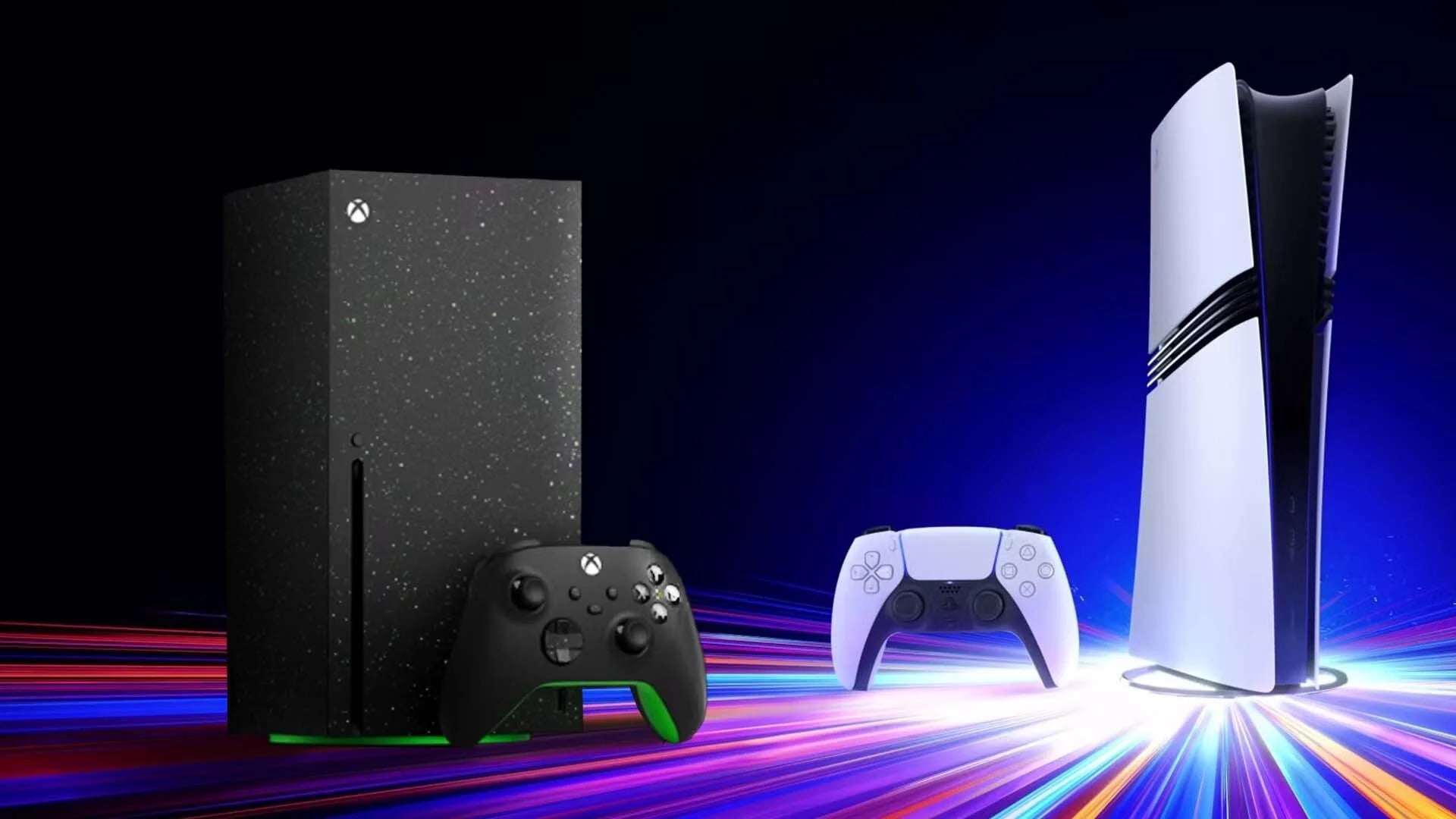
The gaming world is buzzing with a monumental announcement that could reshape how we experience console gaming forever. Sony's hypothetical decision to discontinue physical discs for its PlayStation consoles starting in 2028 signals a profound shift. This isn't just a minor change; it's a statement that declares, emphatically, that there's no longer a place for disc drives in the future of PlayStation. If the console can't read discs, then including a disc drive simply makes no sense, adding unnecessary cost and complexity. This move, while perhaps anticipated by many, still sends shockwaves through the community, forcing us to re-evaluate our relationship with game ownership and the future of our favorite pastime.
For decades, the ritual of buying a new game involved a trip to a store, browsing shelves, and unwrapping a physical copy. That tactile experience, the smell of a new game manual (a rarity these days!), and the satisfying click of a disc sliding into its tray have been core parts of the gaming experience. But as technology evolves and consumer habits change, the digital frontier has become increasingly dominant. Sony's bold step in 2028 is not just about removing a piece of hardware; it's about fully embracing a digital-first future, challenging long-held traditions, and opening up both exciting possibilities and significant concerns for players and the industry alike. Let's delve into what this means for everyone involved.
Understanding the Shift: Why Now?
The move to an all-digital console might seem drastic to some, but it's a logical culmination of trends that have been gathering momentum for years. The gaming landscape has been steadily shifting away from physical media, driven by a combination of technological advancements, economic considerations, and evolving player preferences. This isn't a sudden pivot but rather an acceleration of an ongoing evolution, with Sony now taking a definitive stance.
The Rise of Digital Convenience
One of the primary drivers behind this digital transition is convenience. In today's fast-paced world, instant gratification is highly valued. Digital downloads offer unparalleled ease: you can purchase a game from your couch, download it instantly (or pre-load it before launch), and start playing without ever leaving your home. There's no need to travel to a store, wait for shipping, or worry about scratched discs. Your entire game library is accessible at your fingertips, often synced across devices or easily re-downloadable. Services like the PlayStation Store and PlayStation Plus have made digital acquisition a seamless part of the modern gaming experience. The ability to switch between games without swapping discs, or to pick up a new release the moment it drops at midnight, has become an undeniable draw for millions.
Cost Savings for Manufacturers
From a manufacturing standpoint, moving away from disc drives offers substantial cost savings for Sony. A Blu-ray drive is a complex and relatively expensive component to integrate into a console. Removing it streamlines the production process, reduces the number of parts needed, and eliminates the costs associated with licensing disc technologies. Furthermore, by going all-digital, Sony no longer incurs the expenses related to manufacturing physical discs, printing box art, packaging, and the intricate logistics of distributing physical copies to retailers worldwide. These savings, while potentially passed on to consumers in the form of cheaper digital-only consoles, also contribute directly to the company's profit margins, making the business case for this shift incredibly strong.
Environmental and Supply Chain Considerations
Beyond economics, there are also environmental and supply chain benefits to an all-digital future. The production of physical discs and their plastic cases contributes to waste. Shipping these physical products globally generates a significant carbon footprint. By eliminating physical media, Sony can reduce its environmental impact, aligning with growing corporate responsibility goals. Moreover, relying solely on digital distribution significantly simplifies the supply chain, making it less vulnerable to disruptions, as seen during recent global crises. This increased resilience ensures games can reach players more reliably and efficiently, reducing potential delays and inventory issues that have plagued the industry in the past.
The Impact on Gamers: A New Reality
For the average gamer, Sony's pivot to an all-digital future is perhaps the most impactful change. It fundamentally alters how we acquire, own, and interact with our games. While some aspects will undoubtedly be embraced, others are sure to spark debate and nostalgia for the way things used to be.
Game Ownership and Resale
The most significant concern for many players revolves around game ownership. When you buy a physical disc, you legally own that copy of the game. You can lend it to a friend, sell it used, or keep it on your shelf as a collector's item. With digital games, you typically don't "own" the game in the same way; you purchase a license to play it. This license is tied to your account and cannot be resold or transferred. This means the used game market, a vital part of the gaming ecosystem for budget-conscious players and retailers alike, will effectively cease to exist for PlayStation titles. While this benefits publishers by ensuring every copy sold is a new, full-price purchase, it strips players of a key right they've enjoyed for decades. The long-term preservation of digital titles also becomes a concern: what happens to your library if a console's digital storefront eventually closes down, as has happened with older platforms?
Pricing and Sales Dynamics
Without the competition from physical retailers or the used game market, game publishers gain even more control over pricing. While digital distribution removes some costs, there's no guarantee that game prices will decrease. In fact, some worry that without the pressure of physical sales, digital prices could remain high, or sales events might become less frequent or less generous. On the other hand, the direct relationship between publisher and consumer through digital storefronts could lead to more dynamic pricing, flash sales, and unique bundles. Subscription services like PlayStation Plus Premium might become even more central, offering access to vast libraries for a monthly fee, potentially offsetting the higher cost of individual digital purchases. The landscape of how we pay for games is definitely shifting.
Digital Storefronts and Access
An all-digital future means complete reliance on Sony's digital storefronts. While these platforms are generally robust, they are not immune to outages, server issues, or eventual shutdowns. Access to your purchased games relies entirely on your account, the internet connection, and the continued operation of Sony's digital infrastructure. This raises questions about game preservation for future generations. If servers for older PlayStation consoles are eventually decommissioned, will players lose access to their digital libraries? This dependency also means your gaming experience is tied to your internet connection; slow speeds or outages can prevent downloads, updates, or even verification of your game licenses, making truly offline play a more complicated affair.
Convenience vs. Collection
For many, the convenience of digital gaming is a clear winner. No more swapping discs, no clutter, and your entire library is always ready to go. However, a significant portion of the gaming community cherishes physical collections. There's a joy in displaying your favorite games, admiring the box art, and having a tangible connection to the titles you love. This move will disappoint collectors and those who value the physicality of their entertainment media. The shift marks a definitive end to this aspect of the hobby, favoring utility and minimalism over the traditional collector's ethos.
Storage Space and Bandwidth
As games grow ever larger in file size, an all-digital ecosystem places a greater burden on console storage and internet bandwidth. Players will need larger internal or external hard drives, and fast, reliable internet connections will become even more crucial for downloading massive game files and subsequent updates. This could pose a barrier for players in regions with limited or expensive internet access, or for those who simply prefer not to invest in additional storage solutions.
The Industry Landscape: Adapting to Change
Sony's decision reverberates throughout the entire gaming industry, affecting everyone from game developers and publishers to brick-and-mortar retailers. Each segment will need to adapt to this new paradigm, with some finding new opportunities and others facing significant challenges.
Game Publishers and Developers
For game publishers and developers, the all-digital shift presents a mixed bag of opportunities and challenges. On the positive side, direct digital sales mean higher profit margins as middlemen (retailers, distributors) are cut out of the equation. This can lead to increased investment in game development, potentially fostering more innovative and ambitious projects. Publishers will also have direct access to valuable player data, allowing for more targeted marketing, personalized recommendations, and a deeper understanding of player engagement. However, the increased reliance on a single digital storefront also means greater dependency on Sony's platform policies and fees. Developers will need to ensure their digital titles are optimized for discoverability within the PlayStation Store, as visibility becomes paramount in a purely digital marketplace.
The Future of Retailers
This news is perhaps most devastating for traditional video game retailers like GameStop. Their business model has historically relied heavily on the sale of new and used physical games. With physical PlayStation discs disappearing, a huge segment of their inventory and revenue stream will vanish. These retailers will be forced to pivot dramatically, focusing more on merchandise, accessories, digital gift cards, and potentially becoming hubs for gaming communities or esports events. Some may not survive the transition, marking a significant change in the physical retail landscape for gaming.
Evolution of Console Design
Without the need to accommodate a disc drive, future PlayStation consoles (post-2028) can be designed to be significantly slimmer, lighter, and potentially cheaper to manufacture. This allows for more flexibility in industrial design, potentially leading to more aesthetically pleasing or compact devices. The internal space previously occupied by the drive can be repurposed for better cooling, larger storage, or other components that enhance performance. This could lead to a new generation of PlayStation consoles that prioritize digital efficiency and sleek form factors, following the path already taken by consoles like the PS5 Digital Edition and Xbox Series S.
A Look at the Competition: Xbox and Beyond
While Sony's 2028 announcement marks a definitive moment, the industry's shift towards digital has been ongoing, with competitors already making significant strides in this direction. This move from PlayStation will undoubtedly influence the strategies of other major players in the console space.
Xbox's Head Start in Digital
Microsoft's Xbox ecosystem has been aggressively pushing the digital agenda for years. The Xbox Series S launched as an all-digital console, demonstrating confidence in a disc-less future. More importantly, Xbox Game Pass has become a paradigm-shifting subscription service, offering hundreds of games for a monthly fee, including all first-party titles on day one. This model heavily favors digital distribution and provides a compelling value proposition that reduces the perceived need for individual game purchases, whether physical or digital. Sony's move could be seen as an attempt to catch up or even surpass Microsoft's digital leadership, emphasizing that the entire industry is trending in this direction.
PC Gaming's Digital Prowess
PC gaming has long served as the blueprint for an all-digital ecosystem. Platforms like Steam, Epic Games Store, and GOG have demonstrated for well over a decade that a vibrant, thriving gaming community can exist almost entirely without physical media. PC gamers are accustomed to digital libraries, frequent sales, and the convenience of downloading games. This long-standing success story provides strong evidence that a console market can also successfully transition to a purely digital model, drawing lessons and best practices from the PC space.
Nintendo's Hybrid Approach
Nintendo currently occupies a unique position with its hybrid console, the Switch. While digital sales on the eShop are growing rapidly, physical game cartridges remain incredibly popular, especially for children and collectors. Nintendo's smaller cartridge format and focus on portability make physical media a distinct advantage in some scenarios. It will be interesting to see if Sony's aggressive push influences Nintendo's long-term strategy. Will they eventually follow suit, or will they maintain their physical option to cater to a specific segment of the market that values the tangible aspects of gaming?
The Pros and Cons of an All-Digital Future
As with any major industry shift, the move to an all-digital PlayStation brings with it a set of distinct advantages and disadvantages that will shape the gaming experience for years to come. Understanding both sides of the coin is crucial for appreciating the full scope of this evolution.
Advantages of Going Digital-Only
The benefits of a purely digital ecosystem are compelling. For starters, it offers unmatched convenience. Players can access their games instantly, anywhere, without the need to manage physical media. This contributes to a cleaner, clutter-free gaming setup. From an environmental perspective, eliminating plastic discs and cases, along with the associated shipping, significantly reduces waste and carbon footprint. For console manufacturers, removing the disc drive can lead to lower manufacturing costs, potentially resulting in more affordable console prices for consumers. Furthermore, digital distribution allows for greater flexibility in terms of game updates, patches, and even the ability for developers to deliver iterative content more easily. Pre-loading games before launch day is also a huge convenience, ensuring players can jump in the moment a game releases.
Disadvantages and Concerns
However, the transition is not without its drawbacks. The most prominent concern is the loss of true game ownership and the inability to resell or lend games. This directly impacts consumers' rights and eliminates the used game market, which many rely on for affordability. Digital games are tied to accounts, making them vulnerable to account suspensions or the eventual shutdown of digital storefronts for older platforms, raising questions about long-term game preservation. Furthermore, players become entirely dependent on their internet connection for downloads, updates, and even game verification. Those with limited data caps or slow internet speeds will face significant challenges. The absence of physical media also means the end of game collecting as a hobby, impacting those who cherish tangible copies and the art associated with them. Lastly, competition from physical retailers often puts downward pressure on game prices, and without it, there's a risk of digital prices remaining consistently high.
Addressing the Backlash: Sony's Strategy
Sony is well aware that such a significant change will not be universally embraced. The announcement in 2028 will undoubtedly be met with a mix of excitement, apprehension, and outright backlash from segments of the gaming community. How Sony manages this transition and communicates its benefits will be critical to its success.
To mitigate negative reactions, Sony will likely focus heavily on the advantages of digital gaming: convenience, instant access, environmental responsibility, and potentially more affordable console hardware. They may introduce new incentives, such as enhanced subscription services like PlayStation Plus Premium with even larger libraries or exclusive digital perks for early adopters. Cloud gaming integration could also be highlighted as a seamless evolution, making the concept of physical media feel even more antiquated. Transparent communication about game preservation strategies and assurances for long-term access to purchased digital libraries will also be paramount to assuage fears. Ultimately, Sony's strategy will likely involve a combination of emphasizing the benefits, offering compelling new services, and framing the shift as an unavoidable, positive evolution for the future of gaming, rather than a step backward.
The Future of Console Gaming
Sony's move to an all-digital future is not just about discs; it's a window into the broader trajectory of console gaming. This decision highlights a fundamental shift in how we access, consume, and even perceive our games, pushing the industry further into a service-oriented, cloud-enabled era.
The Rise of Cloud Gaming
The ultimate frontier in digital gaming is cloud gaming. Services like PlayStation Plus Premium's streaming options and Xbox Cloud Gaming allow players to stream games directly to various devices without needing powerful local hardware or even large downloads. While still in its early stages, cloud gaming promises a future where the "console" could become less of a physical box and more of a service. Sony's disc-less future positions them perfectly to lean even harder into cloud infrastructure, potentially making game accessibility universal across devices, from smart TVs to mobile phones, without ever touching a download.
Subscription Models as the New Norm
With physical media gone, subscription services are poised to become even more central to the console experience. Xbox Game Pass has already set a high bar, offering a vast library of games for a monthly fee. PlayStation has responded with its tiered PlayStation Plus service, which includes extensive game catalogs. In an all-digital world, these subscriptions offer incredible value, providing access to hundreds of titles without the need for individual purchases. They also foster ongoing engagement and potentially allow players to try more games than they would traditionally buy. This model benefits publishers through recurring revenue and could become the dominant way many gamers interact with their library.
Beyond the Box: The Console's Evolving Role
As gaming becomes increasingly digital, and especially with the rise of cloud streaming and subscription services, the traditional role of the console itself is evolving. While dedicated hardware will always offer the best performance and tailored experiences, the "box" might become less about housing a disc drive and more about being a powerful gateway to a vast digital ecosystem. Future consoles might be smaller, more specialized, or even integrate more seamlessly into other home entertainment devices. Sony's 2028 announcement forces us to consider that the console as we know it is merely a transitional form, and its identity will continue to shift dramatically in the coming decades.
Sony's hypothetical decision to eliminate physical discs by 2028 marks a defining moment in the history of console gaming. It's a bold leap into a future that prioritizes digital convenience, environmental responsibility, and streamlined manufacturing, fundamentally altering the landscape for players and the industry. While it brings undeniable advantages in terms of accessibility and cost reduction for the manufacturer, it also raises significant questions about game ownership, preservation, and the cherished tradition of physical collecting.
The end of physical discs on PlayStation is not merely a technical adjustment; it's a philosophical shift. It acknowledges that the industry has moved past a physical-first mentality, fully embracing the digital age. Gamers will need to adapt to this new reality, weighing the convenience of instant access against the tangibility of a physical collection. While some mourn the loss of an era, others will undoubtedly embrace the efficiencies and innovations this all-digital future promises. Regardless of individual preferences, one thing is clear: the gaming world is evolving, and Sony is making sure PlayStation is at the forefront of that transformation, ushering in a new chapter where the disc drive becomes a relic of a bygone era.
from Kotaku
-via DynaSage
