
Nintendo Classic Donkey Kong Arcade Getting The $200 Lego Treatment May Have Just Leaked
Building Nostalgia: The Allure of LEGO Arcade Cabinets, From Donkey Kong to Pac-Man
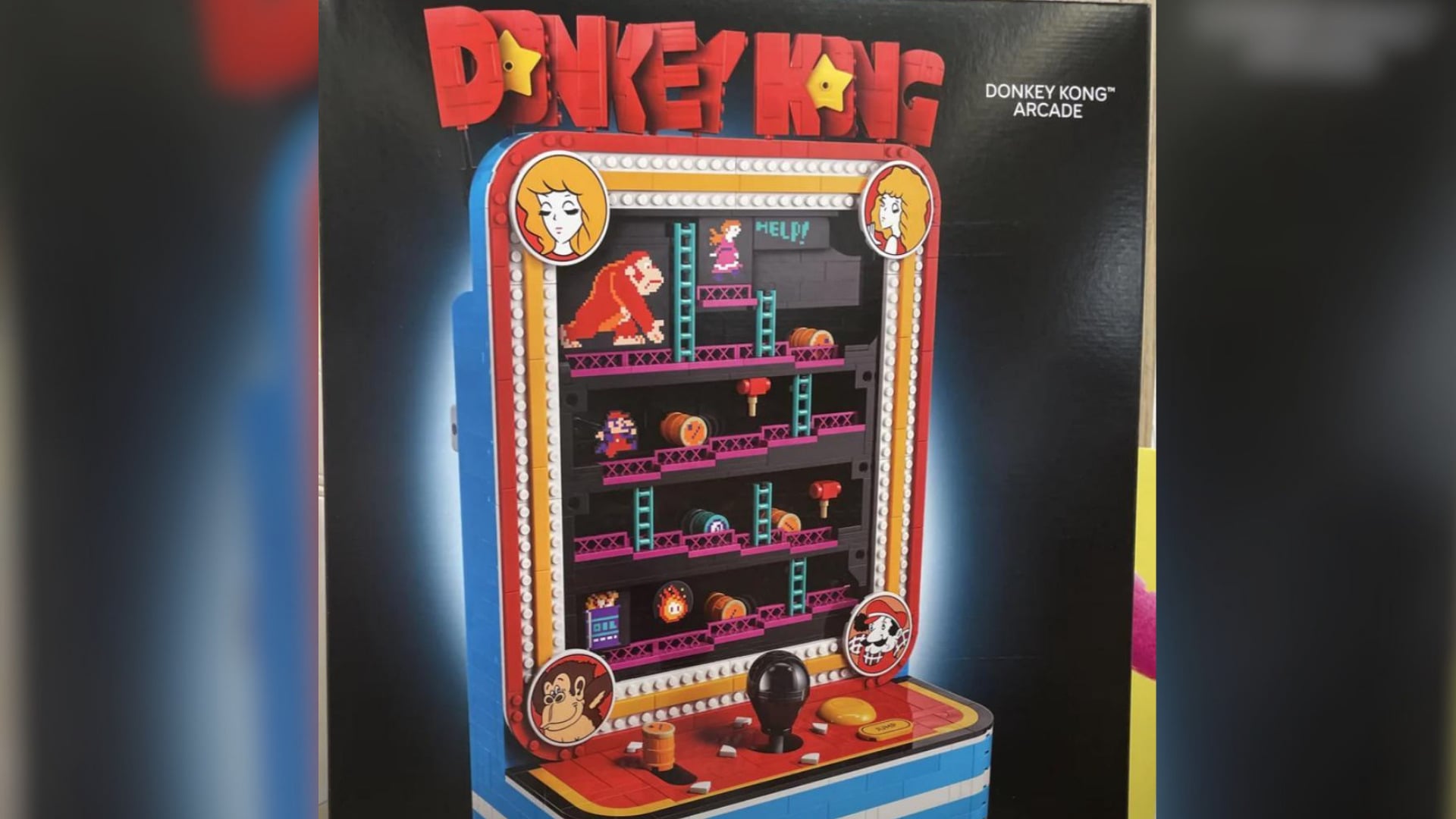
The world of LEGO has always been about bringing imagination to life, brick by brick. For many adults, this means recreating cherished memories from their childhoods. One of the most exciting trends in recent years has been the rise of detailed LEGO sets and fan creations based on classic arcade games. When we look at this fantastic image of a Donkey Kong LEGO cabinet, the immediate thought is often how it compares to other well-known LEGO arcade models. Indeed, it seems like this one is simpler than the iconic Pac-Man LEGO cabinet, but simplicity often hides a unique charm and ingenious design.
The appeal of combining LEGO with retro gaming is powerful. It taps into a deep well of nostalgia for a generation that grew up pumping quarters into these machines. For others, it's a way to appreciate the artistry and cultural impact of early video games in a new, tangible format. These LEGO arcade cabinets aren't just toys; they are intricate models that celebrate gaming history, offering a satisfying building experience and a stunning display piece. They connect us to a time when games were simpler, yet incredibly engaging, capturing the essence of the golden age of arcades.
The Magic of LEGO Arcade Creations
What makes LEGO arcade cabinets so captivating? It’s a blend of several factors. First, there's the immediate recognition factor. Games like Donkey Kong and Pac-Man are cultural touchstones. Their distinctive cabinet designs, bright colors, and iconic characters are instantly recognizable, even to those who may not have played them extensively. Recreating these shapes and details with LEGO bricks is a fascinating design challenge, requiring builders to think creatively about how to translate curved lines and intricate graphics into a blocky medium.
Second, the building process itself is incredibly rewarding. Assembling hundreds or even thousands of small pieces to form a recognizable object offers a sense of accomplishment. It's a mindful activity that allows builders to disconnect from daily stresses and focus on a tangible project. For adults, these complex LEGO sets are often marketed as a form of "play for grown-ups," providing a creative outlet that harkens back to simpler times while challenging their spatial reasoning and problem-solving skills.
Third, these models serve as fantastic display pieces. Whether placed on a desk, a shelf, or in a dedicated game room, a LEGO arcade cabinet is a conversation starter. It allows fans to show off their passion for both LEGO and retro gaming. Many builders go the extra mile, adding custom lighting, minifigure scenes, or even functional elements to enhance the display value of their creations. They become miniature monuments to gaming history, beautifully crafted from plastic bricks.
Donkey Kong: An Icon of Arcade History
Donkey Kong is a monumental title in video game history. Released by Nintendo in 1981, it introduced the world to Jumpman (who would later become Mario), Princess (later Pauline), and the titular ape. It revolutionized gaming with its innovative level design, focus on platforming, and compelling narrative, even if it was a simple damsel-in-distress story. The original Donkey Kong arcade cabinet itself is iconic, with its distinct red and blue color scheme, classic joystick, and the unforgettable artwork featuring Donkey Kong at the top of the structure, holding Pauline captive while Mario attempts a daring rescue.
A LEGO interpretation of the Donkey Kong cabinet, as seen in the image, naturally draws upon these instantly recognizable features. While it might appear "simpler" in its overall construction compared to some other LEGO arcade models, this simplicity is often a strength. Donkey Kong's cabinet design is quite linear and blocky, making it a perfect candidate for LEGO recreation. The challenge lies in capturing the intricate details within that simplicity: the screen showing the game's ladders and barrels, the control panel with its single joystick and button, and the vibrant side art. A great LEGO Donkey Kong cabinet would use clever brick techniques to depict the game's distinct pixel art and the dynamic scene on its side panels.
Imagine the joy of building the signature four levels of the game within the screen area, even if just in static brick form. The possibility of including tiny LEGO minifigure versions of Mario, Pauline, and Donkey Kong would add incredible charm and playability. Perhaps even a small barrel piece that can be "rolled" down a ramp. The colors would be crucial: the bright red, blue, and yellow that define the original cabinet would need to be accurately represented to evoke that perfect nostalgic feeling. Its charm lies in its immediate visual connection to a game that set the stage for modern platformers and introduced one of gaming's most enduring characters.
The Pac-Man Arcade: A Masterpiece of LEGO Engineering
When we compare the potential simplicity of a Donkey Kong LEGO cabinet to the actual LEGO Icons Pac-Man Arcade set (10302), it becomes clear why the Pac-Man model is often considered more complex. Released in 2022, the Pac-Man set is a testament to LEGO's engineering prowess and commitment to detailed, functional models for adult builders. It doesn't just recreate the look of the Pac-Man cabinet; it brings a significant part of the game to life through ingenious mechanical functions.
The Pac-Man LEGO set features a hand-cranked mechanism that allows Pac-Man and the ghosts (Blinky, Pinky, Inky, and Clyde) to move around a light-up maze. This is where its complexity truly shines. The internal gears, levers, and hidden components needed to make this function smoothly are a marvel of LEGO design. Building this intricate mechanism is a significant part of the experience, offering a deeper challenge than simply stacking bricks to form an outer shell. The set also includes an arcade coin slot that lights up, a small separate display stand for a buildable quarter, and even a miniature buildable arcade scene hidden behind a removable panel, featuring a Pac-Man minifigure playing the game. These layers of detail and interactive features make the Pac-Man set an incredibly rich and engaging build.
The design also perfectly captures the vibrant yellow and blue aesthetic of the original Pac-Man cabinet. From the "Game Over" screen detail to the joystick and button, every element is meticulously replicated. The fact that it includes both a static display mode and a functional, animated maze makes it a dual-purpose masterpiece: a beautiful static model and an interactive tribute to one of gaming's most beloved characters. Its complexity is not just about the number of pieces, but the intricate functionality it incorporates, pushing the boundaries of what a LEGO model can do.
The Appeal of Official LEGO Sets vs. Fan Creations (MOCs)
The contrast between a potential Donkey Kong LEGO model and the official Pac-Man set highlights the difference between fan-designed MOCs (My Own Creations) and official LEGO products. Fan creations often start with a pure passion for the subject matter and a desire to see it in brick form. They can be incredibly innovative, pushing boundaries in terms of scale, detail, and theme, as they are not constrained by commercial viability, piece count limitations, or a need for mass-production stability.
Official LEGO sets, on the other hand, go through a rigorous development process. They must be stable, repeatable for millions of customers, cost-effective to produce, and meet safety standards. They also often aim for a broader appeal, incorporating elements that make them attractive to both builders and collectors. The Pac-Man set is a prime example of LEGO taking a fan-favorite concept and refining it into a commercial product with astounding functionality and detail. Many official sets are born from the LEGO Ideas platform, where fans submit their designs for consideration, and if enough support is gathered, LEGO reviews them for potential production.
The image of the Donkey Kong cabinet could be a fantastic MOC, a concept render, or even a future LEGO Ideas submission. Its potential simplicity, when compared to Pac-Man, might make it more accessible for builders or perhaps a starting point for more complex fan modifications. It embodies the spirit of creative building that LEGO fosters – taking an idea and bringing it to life with the bricks at hand.
Beyond the Cabinet: The Broader World of LEGO and Retro Gaming
The trend of LEGO arcade cabinets extends beyond just Pac-Man and the dream of a Donkey Kong model. LEGO has ventured into other nostalgic gaming territories, notably with the LEGO Nintendo Entertainment System (NES) set. This incredibly detailed model not only recreates the classic console but also includes a buildable retro television with a scrolling screen featuring Super Mario Bros. It's another example of LEGO pushing the boundaries of interactive display models, bringing a beloved piece of gaming hardware to life with incredible accuracy and charm.
These sets cater to a growing demographic of adult fans of LEGO (AFOLs) who are also passionate about gaming. It's a cross-pollination of hobbies that creates unique and highly desirable collectibles. For many, LEGO is not just a toy for children; it's a sophisticated building system that allows for artistic expression, technical challenges, and the creation of detailed scale models. When combined with the rich history of video games, the possibilities are endless. Imagine future sets based on other iconic consoles like the Atari 2600 or Sega Genesis, or perhaps other famous arcade cabinets like Space Invaders, Asteroids, or Centipede. Each of these offers unique design challenges and opportunities for innovative LEGO mechanics.
The success of these nostalgia-driven sets also speaks to LEGO's evolving strategy. Recognizing the significant adult market, LEGO has invested heavily in "Icons" and "Adults Welcome" lines, creating more complex, detailed, and display-oriented models that appeal to older builders. This strategy not only expands their market but also solidifies LEGO's position as a premium brand for creative expression across all age groups. It shows that play and creativity are not limited by age.
The Enduring Charm of Retro Gaming
Why do these retro games continue to resonate so strongly decades after their initial release? Part of it is pure nostalgia; they evoke simpler times, childhood memories, and a sense of wonder. But there's more to it. Many of these games, like Donkey Kong and Pac-Man, were incredibly well-designed. They featured simple yet addictive gameplay loops, memorable characters, and satisfying challenges. They pioneered genres and established fundamental mechanics that are still used in modern games today.
The arcade experience itself was also a significant part of the appeal. The sights, sounds, and communal atmosphere of an arcade were unique. Games were designed to be challenging, encouraging players to master them for bragging rights or to achieve a high score on the leaderboards. Recreating these arcade cabinets in LEGO form is a way to capture a piece of that experience, a tangible link to a vibrant era of entertainment. It allows us to physically hold a piece of that history, appreciating the designs that once captivated millions.
Furthermore, retro gaming offers a refreshing contrast to the complexity of modern video games. Without elaborate graphics, open worlds, or extensive storylines, these classic titles distill gaming down to its purest form: skill, strategy, and quick reflexes. This purity of design is highly appealing, making them timeless. A LEGO model of these cabinets celebrates that purity, offering a static representation of a dynamic, engaging experience.
The Craft of Building: Beyond the Instructions
For many LEGO enthusiasts, the true fun begins after building an official set or upon seeing an inspiring MOC like the Donkey Kong cabinet. It's about modification, customization, and creating something truly unique. Builders might take the official Pac-Man set and add custom lights, modify the internal mechanism, or even create a larger arcade scene around it. With a conceptual Donkey Kong cabinet, the possibilities for creative expansion are even greater. How would you design the screen to show the levels? What minifigures would you include? How would you replicate the barrel toss? These are the questions that drive the LEGO community.
The online community plays a huge role in this. Platforms like LEGO Ideas, Flickr groups, and fan forums are filled with builders sharing their MOCs, techniques, and insights. This collaborative environment fosters creativity and pushes the boundaries of what's possible with LEGO bricks. Seeing a brilliant design for a Donkey Kong cabinet can inspire countless others to try their hand at building their own versions or similar retro arcade machines. It’s a testament to the versatility of LEGO as a medium for both following instructions and unleashing pure, unbridled creativity.
Whether it’s sourcing specific rare pieces from BrickLink, experimenting with different color combinations, or designing complex internal structures, the craft of LEGO building is a hobby that offers endless opportunities for learning and personal growth. It encourages patience, attention to detail, and a structured approach to problem-solving, all while being incredibly fun and satisfying.
Looking Ahead: What Other Arcade Legends Could Be Next?
Given the success of the Pac-Man and NES sets, and the evident desire for more retro gaming models, it's exciting to imagine what other arcade classics LEGO might tackle next. A Donkey Kong cabinet seems like a natural fit, given its cultural significance and recognizable design. But the possibilities don't stop there.
- Space Invaders: The iconic green aliens, pixelated laser cannon, and distinct sound effects could translate into a fascinating LEGO build, perhaps with a scrolling alien movement mechanism.
- Asteroids: Its vector graphics would pose a unique challenge for LEGO, but a clever use of translucent bricks and sharp angles could capture its aesthetic.
- Centipede: The vibrant colors and segmented centipede body could make for a visually striking and potentially articulated model.
- Street Fighter II: A more modern classic, a cabinet featuring Ryu and Ken engaged in battle, along with their distinct special moves, would be a dream for many fighting game fans.
- Galaga: Another Namco classic, known for its challenging gameplay and distinct enemy formations, could offer a similar charm to Pac-Man.
Each of these iconic games presents its own set of design challenges and opportunities for LEGO designers to incorporate creative functions and details. The beauty of these machines lies in their unique visual language, which LEGO bricks are uniquely equipped to replicate. As long as there's a demand for nostalgia and a love for building, the future of LEGO arcade cabinets looks bright, promising more intricate and rewarding builds for enthusiasts worldwide.
Conclusion: Celebrating the Intersections of Play
From the intriguing simplicity of a potential Donkey Kong LEGO cabinet to the mechanical marvel of the official Pac-Man set, the world of LEGO arcade machines offers something truly special. It's where the timeless joy of building meets the enduring legacy of video game history. These creations are more than just models; they are celebrations of innovation, nostalgia, and the universal appeal of play.
Whether you're a seasoned AFOL, a retro gaming enthusiast, or simply someone who appreciates ingenious design, these LEGO arcade cabinets invite you to reconnect with your inner child and marvel at the creativity possible with simple plastic bricks. They remind us that some of the greatest joys come from combining our passions and building something truly awesome. So, grab some bricks, delve into the world of pixels and plastic, and start building your own piece of gaming history. What classic arcade game would you love to see in LEGO form next?
from Kotaku
-via DynaSage
