
Love And Deepspace Petitions Demanding Devs ‘Bring Back’ Sexy Wolf Man Amass Over 300,000 Signatures
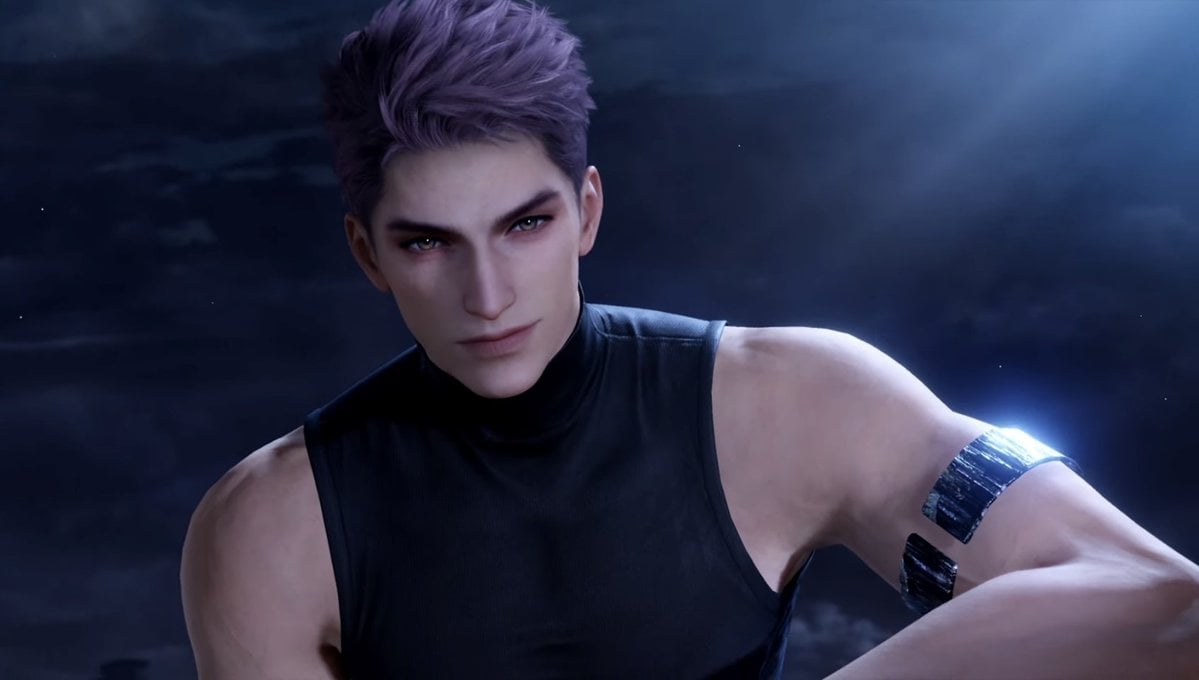
The Mystery of Valko's Disappearance: Love And Deepspace Fans Demand Answers
The virtual world of Love And Deepspace, a popular mobile otome game, has been shaken by a bewildering event that has left its dedicated community in an uproar. A beloved character, known as Valko, has seemingly vanished without a trace from the game. This sudden and unexplained removal has ignited a firestorm of discussion across social media platforms and fan forums, with thousands of players echoing a single, frustrated question: "where wolf?" The charismatic "sexy wolf-man" who captivated many players has simply disappeared, leaving a void and a community demanding clarity from developer Papergames.
In the realm of live-service mobile games, player loyalty is built not just on engaging gameplay but also on deep emotional connections to the characters. When one of these cherished figures is suddenly pulled from the roster, it's more than just a content update; it can feel like a personal loss to the players who have invested their time, emotions, and sometimes, considerable money into building relationships with these virtual companions. The case of Valko in Love And Deepspace stands as a stark reminder of this delicate balance between game development decisions and player sentiment.
This blog post dives deep into the heart of the Valko mystery, exploring what Love And Deepspace is, who Valko was to the community, the immediate fallout from his removal, the rampant speculation surrounding Papergames' decision, and the broader implications for player trust and the future of live-service gacha games. We'll examine why this incident has resonated so strongly with fans and what it means for the ongoing relationship between players and game developers in an ever-evolving digital landscape.
Who is Valko and What is Love And Deepspace?
Before delving into the specifics of Valko's vanishing act, it's crucial to understand the game and the character himself. Love And Deepspace is a highly anticipated 3D sci-fi romance otome game developed by Papergames, a company renowned for its visually stunning and emotionally rich titles like Love Nikki-Dress Up Queen and Mr. Love: Queen's Choice. Launched with much fanfare, the game immerses players in a futuristic world where they take on the role of a female protagonist with unique powers, navigating a complex narrative filled with mystery, danger, and, most importantly, compelling romantic interests.
As an otome game, Love And Deepspace focuses heavily on character interaction and relationship development. Players engage with various male love interests, each with distinct personalities, backstories, and visual designs. The core gameplay loop often involves story progression, mini-games, and a gacha system where players can unlock new character cards, outfits, and interactive content. The appeal lies in the deep dives into character personalities and the sense of building a personal connection with these virtual partners, making the "hubs" of interaction particularly crucial for player retention and enjoyment.
Valko, the character at the center of this controversy, quickly rose to prominence among the game's initial roster of romantic interests. Described by fans as a "sexy wolf-man," his design often featured elements associated with canines – perhaps sharp features, unique hair styling, or even subtle animalistic traits in his expressions and mannerisms. His allure wasn't just physical; many players were drawn to his mysterious aura, his potential for complex character development, and the unique romantic dynamic he offered. He represented a distinct archetype within the game's diverse cast, filling a niche that resonated deeply with a significant portion of the player base. His presence was a key factor in attracting certain players to the game, and his absence now creates a glaring void.
The Sudden Shock: Valko's Unexplained Removal
The story of Valko's removal is characterized by its abruptness and the complete lack of official communication surrounding it. Players, accustomed to regular updates and patch notes from developers, suddenly discovered that Valko was no longer accessible or referenced within the game. This wasn't a gradual phasing out or a storyline-driven departure; it was as if he had never existed, or had been digitally erased from the game's universe overnight. This sudden disappearance caught the entire community off guard, sparking confusion, disbelief, and ultimately, anger.
For many players, the discovery was made during routine gameplay sessions. They might have logged in expecting to interact with Valko, perhaps to progress his personal story line, or to utilize a Valko-themed card in battle. Instead, they found his character model missing, his voice lines absent, and any in-game events or content related to him no longer available. This unceremonious removal felt like a betrayal of the emotional investment players had made. Imagine dedicating hours to a character, spending resources to acquire his unique items through the gacha system, and then waking up to find he's simply gone.
The most frustrating aspect for the community was the silence from Papergames. In the age of live-service games, transparency and proactive communication are paramount. Players expect to be informed about significant changes, especially those involving core game content like character rosters. The absence of any official announcement, explanation, or even a simple acknowledgement of Valko's disappearance only fueled the flames of discontent. This lack of communication left players feeling disrespected and ignored, turning a puzzling incident into a full-blown crisis of confidence in the developer.
The Roar of the Community: #BringBackValko Trends
Predictably, the vacuum created by Valko's removal and Papergames' silence was quickly filled by the collective voice of the player base. Social media platforms, particularly Twitter (now X), Reddit, and various Discord servers dedicated to Love And Deepspace, erupted with an outpouring of frustration, demands for answers, and heartfelt pleas for Valko's return. The hashtag #BringBackValko began trending, demonstrating the sheer scale of the community's distress and their organized efforts to get the developer's attention.
Players shared screenshots of Valko's missing content, discussed their personal attachments to the character, and expressed their disappointment in Papergames' handling of the situation. Fan art, emotional testimonials, and even satirical memes flooded online spaces, all united by the common goal of raising awareness and pressuring the developers for an explanation and, ideally, a reversal of the decision. This widespread outcry highlighted the intense emotional investment players often have in characters within narrative-driven games. For many, Valko was more than just pixels on a screen; he was a source of entertainment, comfort, and a significant part of their gaming experience.
The community's reaction wasn't just about anger; it was also about concern for the game's future. Players questioned the stability of a game where characters could be removed without warning, fearing that other beloved figures might face similar fates. This sentiment added another layer of urgency to their demands, turning the individual loss of Valko into a broader concern for the integrity and trustworthiness of Love And Deepspace as a long-term entertainment platform. The collective voice amplified the message: this wasn't just a minor glitch; it was a significant breach of player trust.
Speculation and Rumors: Why Would Papergames Remove a Popular Character?
In the absence of official information, the community naturally resorted to speculation, generating a plethora of theories about why Papergames might have taken such an drastic and seemingly counter-productive step. These theories ranged from the plausible to the outlandish, reflecting the frustration and confusion within the player base. Understanding these rumors helps illustrate the complex factors that can influence game development and character management in live-service titles.
One prominent theory revolves around **storyline changes or future narrative directions**. Perhaps Valko's character arc was deemed incompatible with an upcoming major plot development, or the writers decided to streamline the cast to focus on other love interests. While plausible, such a significant narrative shift usually comes with in-game explanations or foreshadowing, which was notably absent. Another possibility is **legal issues or intellectual property disputes**. Character designs, names, or backstories can sometimes infringe on existing copyrights, or there could be contractual disagreements with original creators or voice actors. Such situations often lead to rapid character alterations or removals, though developers usually try to provide a vague legal reason if possible.
Other theories include **character performance or popularity issues**. Despite Valko being described as "sexy" and popular, it's possible that internal data showed his engagement metrics (how often players interacted with him, how much they spent on his gacha banners) were lower than perceived, leading developers to reallocate resources. Conversely, there might have been **controversy surrounding his design or portrayal**. In diverse gaming communities, certain character aspects can sometimes spark backlash, leading developers to quietly remove or redesign content. This is a sensitive area, but a possibility nonetheless. Finally, simpler, more technical explanations like a **significant bug or unresolvable technical glitch** affecting Valko's character model or systems were also considered, though this typically results in a temporary disablement rather than a permanent, silent deletion.
It's important to stress that these are all unconfirmed theories. The lack of transparency from Papergames only allows these rumors to fester, creating an environment of mistrust and fueling further discontent. For players, understanding the 'why' behind such a major decision is crucial for moving forward, even if the reason is unpalatable. Without it, the feeling of being in the dark only intensifies their frustration.
The Impact on Player Experience and Trust
The sudden and unexplained removal of Valko has had a profound impact on the player experience and, more critically, on the trust players place in Papergames. In free-to-play gacha games like Love And Deepspace, player loyalty and willingness to spend real money are directly tied to a sense of stability, fairness, and the promise of ongoing, consistent content. When a core element like a beloved character disappears, this foundation begins to crumble.
For those who had invested heavily in Valko, whether through time spent grinding for his materials, money spent on his gacha banners for rare cards and outfits, or emotional energy poured into his storyline, his disappearance feels like a significant loss of investment. This can lead to a sense of betrayal and a reluctance to spend more on the game, fearing that other characters or content might similarly vanish. The gacha model thrives on the allure of collecting and building up a roster of desired characters; if that roster can be arbitrarily altered, the core appeal is severely undermined.
Beyond monetary investment, the emotional connection players forge with characters in otome games is a powerful driver of engagement. Valko was not just a collection of pixels; he was a virtual companion, a narrative device, and a source of enjoyment. His removal breaks that connection, leaving players feeling hurt and disrespected. This emotional breach can be far more damaging to a game's long-term health than any technical bug. New players joining Love And Deepspace might also be deterred if they hear about such incidents, questioning the reliability of the game and its developers. The potential for a negative reputation can spread quickly, impacting future player acquisition and overall game growth.
Precedents in Gaming: When Beloved Characters Vanish
While Valko's case is particularly stark due to the absolute lack of explanation, the gaming world has seen its share of controversies involving character changes or disappearances. Developers often face difficult decisions regarding game balance, narrative direction, or monetization strategies that can lead to altering or removing characters. However, the key differentiator in how these situations play out often lies in the developer's communication strategy.
In some instances, characters are temporarily removed due to game-breaking bugs or technical issues. Players understand that such measures are necessary for game stability, especially if developers are transparent about the problem and provide an estimated timeline for the character's return. Other times, characters might undergo significant reworks or redesigns based on player feedback, aiming to improve their gameplay mechanics or visual appeal. While these changes can sometimes be met with resistance, an open dialogue with the community can help manage expectations and foster acceptance.
More controversially, characters are sometimes removed or changed due to external pressures, such as censorship, evolving cultural sensitivities, or legal disputes. These situations are often delicate for developers to navigate, but even then, a vague acknowledgement of "unforeseen circumstances" or "external factors" can go a long way in appeasing a frustrated player base. The complete radio silence from Papergames regarding Valko's removal stands in stark contrast to how many other game companies have attempted to handle similar, albeit often less severe, situations. The lesson from history is clear: player communities are more forgiving of difficult news than they are of being ignored.
The Developer's Dilemma: Balancing Vision with Player Demands
Papergames, like any game developer, operates within a complex ecosystem where creative vision, business objectives, and player expectations constantly intersect. The decision to remove a character like Valko, especially one that was seemingly popular, is unlikely to have been made lightly. Developers have to weigh numerous factors, from narrative integrity and future content plans to resource allocation and intellectual property management. However, the way such decisions are communicated, or not communicated, can make all the difference in maintaining a healthy relationship with their player base.
In live-service games, the concept of a "developer's vision" is often a dynamic one, influenced by ongoing player feedback and performance metrics. While developers certainly have the right to guide their game's direction, the nature of these games also implies an ongoing social contract with the players. Players invest their time and money with the expectation that the game will evolve in a way that continues to be enjoyable and respectful of their prior investments. When a decision as significant as character removal happens without explanation, it suggests a disconnect between the developer's internal processes and the community's experience.
The challenge for Papergames now is to reconcile their internal reasons for Valko's removal with the intense backlash from their community. Ignoring the outcry could lead to further erosion of trust, a decline in player engagement, and potentially, a significant financial impact. Finding the right balance involves acknowledging player feedback, providing transparent (if not fully detailed) explanations, and demonstrating a commitment to addressing the community's concerns. This delicate balancing act is a cornerstone of successful live-service game management, and its absence can prove to be a costly oversight.
What Happens Next? Paths Forward for Love And Deepspace
The future of Valko in Love And Deepspace, and indeed the future relationship between Papergames and its player base, hinges on the developer's next move. There are several paths Papergames could take, each with different implications for the game's community and its overall trajectory.
One possibility is a **full explanation and Valko's return**. This would undoubtedly be the most welcomed outcome by fans. Papergames could issue a detailed apology, explain the reasons behind the temporary removal (perhaps citing technical or legal difficulties that have now been resolved), and announce Valko's reintroduction into the game. This would go a long way in rebuilding trust and demonstrating a commitment to their players. A less ideal but still acceptable scenario for some fans might be a **clear explanation without Valko's return**. If the character's removal is truly permanent due to insurmountable reasons (e.g., severe legal disputes, irreconcilable narrative conflicts), providing a transparent explanation, coupled with potential compensation for affected players (e.g., in-game currency, exclusive items), could help the community understand and eventually move on, albeit with lingering disappointment.
Another path, and arguably the most damaging, is **continued silence**. If Papergames chooses to ignore the outcry and simply move forward with other content updates, it would send a clear message to players that their feedback and concerns are not valued. This could lead to a significant exodus of players, a decline in revenue, and long-term damage to the company's reputation. Finally, there's the possibility of **introducing a new character to fill the void**. While this might seem like a way to divert attention, without addressing the core issue of Valko's disappearance, it's unlikely to fully satisfy the community and might even exacerbate their frustration if it feels like a dismissive gesture.
Ultimately, the ball is in Papergames' court. Their response will define not only the fate of Valko but also the enduring perception of Love And Deepspace as a game that respects its players and values their emotional investment. The community is watching, eagerly awaiting any sign of communication or action.
A Call to Action for Fans and Developers
The Valko incident in Love And Deepspace serves as a powerful case study in the dynamics between game developers and their communities. For fans, it's a stark reminder of the power of their collective voice. Continuing to express concerns respectfully and constructively on official channels and relevant platforms is crucial. Utilizing hashtags like #BringBackValko not just for trending but for sharing well-articulated feedback, personal stories, and constructive criticism can be more impactful than isolated complaints. Engaging in civil discourse, even amidst frustration, helps maintain credibility and focuses attention on the core issue rather than devolving into unproductive negativity. Remember, your voices are a vital part of shaping the games you love. For players, sites like Mobile Gamer or RPGFan often cover such community stories, and collective attention can sometimes prompt a response.
For Papergames, this situation presents a critical opportunity to reaffirm its commitment to its player base. Open and honest communication, even when delivering difficult news, is the bedrock of trust in live-service gaming. Addressing the community directly, explaining the situation with as much transparency as possible, and acknowledging the emotional impact on players would be a significant step towards healing the rift. Moving forward, establishing clear guidelines for character management and communication protocols for major changes could prevent similar incidents. Developers should view player feedback not as criticism to be feared, but as a valuable resource for improving their games and fostering a loyal community.
The ideal outcome for everyone involved is a resolution that satisfies the community, respects the developer's position, and ultimately strengthens Love And Deepspace as a vibrant and trusted gaming experience. This requires empathy and effort from both sides. The hope is that Papergames will step up to the challenge and provide the answers that thousands of fans are desperately seeking.
Final Thoughts: The Enduring Power of Virtual Relationships
The intense reaction to Valko's disappearance from Love And Deepspace is a testament to the enduring power of virtual relationships in modern gaming. In games like these, characters are not merely assets; they become integral parts of a player's imaginative world, offering companionship, romance, and an escape into a richly crafted narrative. The emotional investment in these characters runs deep, and when that connection is abruptly severed without explanation, the fallout can be significant and far-reaching.
The "where wolf?" cry from the community is more than just a playful pun; it embodies a collective bewilderment and a yearning for a beloved character to return. It underscores the unique nature of otome games and other narrative-heavy titles, where the bond between player and character is often the primary draw. As Love And Deepspace continues its journey, how Papergames handles this controversy will undoubtedly become a defining moment in its history. Will they listen to their community and provide the clarity and resolution so many are asking for, or will Valko remain a mysterious absence, forever etched in the memory of a passionate fanbase?
The saga of Valko serves as a powerful reminder for all game developers: the virtual worlds you create are inhabited by real people with real feelings. Nurturing those connections through clear communication and respectful engagement is just as important as the code and art that bring those worlds to life. The fate of Valko, the "sexy wolf-man," and the trust of the Love And Deepspace community hangs in the balance, awaiting a resolution that hopefully honors the dedication and passion of its players.
from Kotaku
-via DynaSage
