
Love And Deepspace Devs Decide To Cancel New Werewolf Love Interest After Fans Reportedly Send Them Cow Shit
When Passion Turns Toxic: Unpacking the Extreme Fan Backlash Against "Love And Deespace" and Valko
The world of video games is built on passion. From the dedicated creators who pour their hearts into virtual worlds to the players who spend countless hours exploring them, emotion runs deep. This passion often fosters incredible communities, shared experiences, and a vibrant culture. However, sometimes, this intensity can boil over, transforming into something far less constructive, even shocking. This was vividly demonstrated by a recent incident involving the popular visual novel, "Love And Deespace," and the introduction of its new character, Valko. The reaction from a segment of the fanbase was so extreme that it transcended mere criticism, leading to an incredibly bizarre and disturbing form of protest: sending actual physical waste to the game's development headquarters.
This incident serves as a stark reminder of the volatile relationship that can sometimes exist between game developers and their most ardent followers. It forces us to examine the nature of fan "ownership," the boundaries of acceptable feedback, and the challenges faced by creators navigating an increasingly vocal and demanding player base. While the act of sending unwanted items is an isolated and highly unusual event, the underlying tensions it exposed are common themes in modern gaming culture. Let's delve deeper into what "Love And Deespace" is, why Valko's arrival caused such an uproar, and what this extreme reaction tells us about the dynamics of fan engagement in the digital age.
Understanding "Love And Deespace": A Beloved Romance Simulation
Before we dive into the controversy, it's essential to understand the context. "Love And Deespace" isn't just any game; it's a highly acclaimed visual novel and romance simulation title that has captivated a dedicated global audience for years. Known for its intricate storytelling, compelling lore, and a diverse cast of charismatic characters, the game allows players to forge deep, emotional connections with various love interests. Its success lies not only in its engaging narrative but also in the rich world-building that blends elements of fantasy, sci-fi, and personal drama.
The developers had meticulously crafted a universe where player choices genuinely impacted outcomes, making each playthrough feel unique and personal. Fans praised the nuanced character development, the well-written dialogue, and the sense of agency players felt in shaping their own romantic destinies. Over time, certain characters became fan favorites, leading to countless discussions, fan art, and passionate debates within the community about ideal pairings and desired story arcs. This strong emotional investment is key to understanding the intensity of the reaction when something perceived as fundamental to the game's identity was challenged. The community had, in many ways, grown alongside the game, nurturing a sense of collective ownership over its unfolding narrative.
Valko: The New Werewolf on the Block and the Catalyst for Outrage
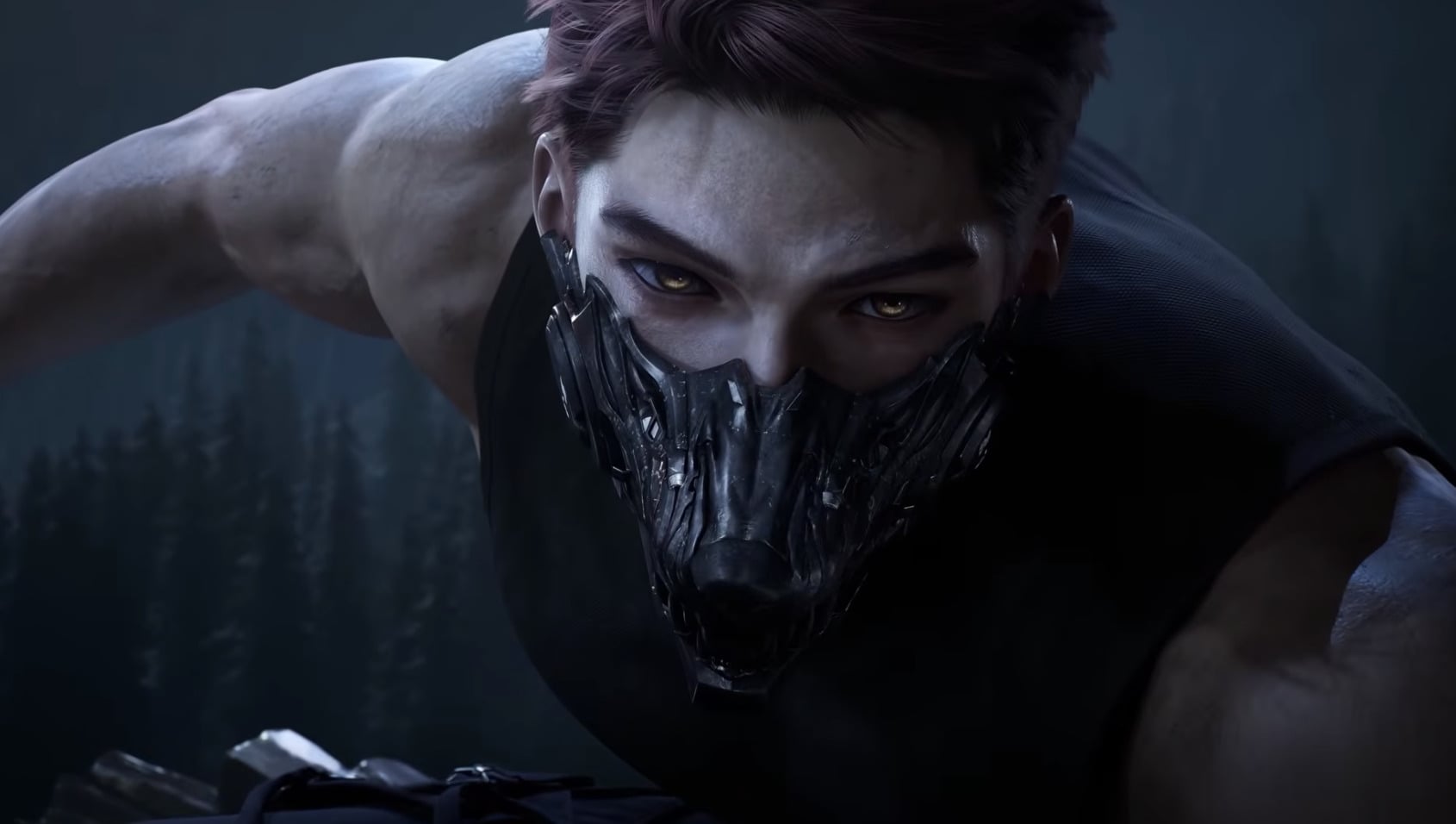
The heart of the "Love And Deespace" controversy was the introduction of Valko, a brand-new love interest. From the accompanying image, Valko is depicted as a striking werewolf character, exuding a sense of mystery and power. While adding new characters to an evolving game can often inject fresh excitement, Valko's arrival was met with a storm of negativity that quickly escalated. The specific details of his introduction are crucial here.
Often, new characters are introduced gradually, perhaps through a side story or as part of a major expansion, allowing the community time to adjust and anticipate. However, reports suggest that Valko's integration felt abrupt and, to many players, forced. In a game celebrated for its established romantic dynamics, many fans felt his inclusion disrupted the delicate balance of existing relationships and potential pairings they had invested in emotionally. Players had spent years cultivating relationships with other beloved characters, and the sudden prominence of Valko, particularly if he seemed to overshadow or sideline existing favorites, was perceived as a betrayal of their prior investments.
Furthermore, there were concerns about Valko's characterization itself. While a werewolf love interest could be an intriguing concept, some players found his personality or backstory to be underdeveloped or inconsistent with the established tone of "Love And Deespace." Was he a "Mary Sue" character, seemingly perfect and effortlessly winning the player's affection without earning it? Did his narrative arc feel contrived or rushed, especially compared to the richly detailed stories of other romanceable characters? These factors compounded the frustration, leading many to believe that the developers were either out of touch with their player base or deliberately ignoring their preferences in favor of a new, potentially less popular, direction. The collective sentiment was that Valko wasn't just a new option; he was a disruptive force.
The Deep Roots of Fan Discontent: Why So "Pissed Off"?
The extreme reaction to Valko wasn't merely about disliking a new character; it stemmed from deeper issues within the "Love And Deespace" community and the broader gaming landscape. Several factors likely converged to create this perfect storm of outrage.
Breaking Established Canon and 'Ships'
In visual novels and dating sims, players often develop strong attachments to specific character pairings, known as "ships." The developers of "Love And Deespace" had built a world where these relationships were central. If Valko's introduction was perceived to threaten or invalidate these long-standing fan-favorite relationships, it could trigger immense frustration. For instance, if Valko was suddenly positioned as the "true love" or if existing routes were made less appealing to push players towards him, it would feel like a direct assault on the player's personal narrative and choices. This sense of having their emotional investment disregarded is a common trigger for fan backlash.
Perceived Disrespect for Player Investment
Players invest not just time and money into games like "Love And Deespace," but also significant emotional energy. They form bonds with characters, speculate about future storylines, and build communities around these shared experiences. When developers make creative decisions that are seen as fundamentally altering the game's core identity or ignoring years of community feedback, it can feel like a direct disrespect to that investment. The introduction of Valko, especially if it deviated sharply from what the community envisioned for the game's progression, might have been interpreted as the developers telling players that their opinions didn't matter.
Poor Communication from Developers
Often, fan outrage can be mitigated (or exacerbated) by how developers communicate with their community. If the "Love And Deespace" team introduced Valko without much explanation, or if they dismissed early negative feedback, it could have intensified the "pissed off" sentiment. Transparency, acknowledging player concerns, and explaining creative decisions – even unpopular ones – can go a long way in maintaining goodwill. A perceived lack of engagement or an arrogant stance from the development studio can quickly turn a passionate fanbase into an angry mob.
The "Ownership" Mentality of Fandom
A pervasive issue in modern fandom is the "ownership" mentality, where dedicated fans feel they have a legitimate stake in the creative direction of a franchise. While this can foster deep engagement, it can also lead to entitlement. When developers deviate from what a segment of the fanbase expects or desires, these fans may view it not as a creative decision but as a personal affront or even a betrayal. This feeling can be particularly strong in games where player choice is a core mechanic, as players feel they are not just consumers but co-creators of the experience. Valko's introduction likely triggered this sense of violated ownership for many players who felt the game was no longer "theirs."
The Unthinkable Protest: Sending Turds to Headquarters
Among the myriad forms of fan protest – online petitions, review bombing, social media campaigns, boycotts – sending physical waste to a company's headquarters stands out as exceptionally extreme and, frankly, disturbing. This goes far beyond legitimate criticism or even aggressive online vitriol. It crosses a line into harassment and potentially illegal activity.
A Symbol of Utter Disgust and Frustration
The act of sending turds is a visceral, unmistakable expression of disgust. It communicates a level of contempt and anger that words alone, even the most vitriolic, might not convey. For those "extra pissed off fans," it was likely an attempt to ensure their message, however reprehensible, could not be ignored. It's a primal, boundary-pushing act designed to shock, offend, and demand attention. It signifies a complete breakdown of respectful communication and indicates a belief that all other avenues of protest have failed, or that the developers are so beyond reason that only such a drastic, offensive measure could get through to them.
Crossing the Line: From Feedback to Harassment
While players have every right to voice their opinions, however negative, there is a clear distinction between constructive criticism, even harsh feedback, and outright harassment. Sending biohazardous material to a workplace is not just an act of protest; it's a violation of personal and professional boundaries. It creates a hostile and unsafe environment for employees, affecting their morale and potentially posing health risks. This behavior moves beyond the realm of consumer dissatisfaction and enters the territory of criminal harassment and malicious mischief. It's a tactic that is universally condemned, not just for its offensive nature, but for undermining any legitimate grievances a fanbase might have. When actions become this extreme, they overshadow the initial cause of the protest, turning the focus onto the perpetrators' unacceptable behavior rather than the game's perceived shortcomings.
Psychological Underpinnings of Extreme Actions
What drives individuals to such extremes? While it's impossible to generalize for every individual involved, such actions often stem from a combination of factors:
- Anonymity and Online Echo Chambers: The relative anonymity of online communities can embolden individuals to suggest or participate in actions they might never consider in person. Echo chambers, where like-minded individuals reinforce each other's anger, can escalate grievances into a collective fervor that loses touch with reality.
- Feeling Unheard: A profound sense of being ignored or dismissed by developers can breed intense frustration. When players feel their voices are not being heard through conventional channels, some might resort to increasingly shocking methods to feel impactful.
- Emotional Investment Turning Sour: The deep emotional connection players have with games can, when betrayed, turn into equally deep resentment. This passion, once a source of joy, can become a source of intense anger when expectations are not met.
- Desire for Maximum Impact: The goal of such an act is often to make the most extreme statement possible, to provoke a reaction that cannot be ignored. Unfortunately, this often backfires, harming the credibility of the entire community.
The Broader Landscape: Fan Feedback, Developer Response, and Community Management
The "Love And Deespace" incident, while extreme, highlights ongoing challenges in the relationship between game developers and their communities.
The Double-Edged Sword of Passionate Fandoms
Passionate communities are invaluable assets for any game. They generate hype, provide free marketing, create user-generated content, and offer invaluable feedback. However, this same passion can turn toxic. When fans feel their investment is disrespected or their expectations are unmet, that passion can manifest as intense negativity, harassment, and even threats. Developers walk a tightrope, trying to cultivate engagement without giving in to every demand or being overwhelmed by hostile feedback.
The Importance of Effective Communication
Transparent and consistent communication is paramount. Developers need to articulate their creative vision, explain major decisions, and actively listen to feedback. This doesn't mean developers must capitulate to every whim of the player base, but rather engage in a dialogue that fosters mutual understanding. When "Love And Deespace" introduced Valko, did they prepare the community? Did they explain the creative rationale? Or was it a sudden change that left fans feeling blindsided? Proactive communication can often defuse potential blow-ups before they reach critical mass. Community managers play a vital role here, acting as a bridge between the development team and the players, helping to manage expectations and relay information effectively.
Navigating Creative Vision vs. Fan Expectations
Ultimately, a game is the product of its creators' vision. While listening to feedback is crucial, developers also have the right and responsibility to guide their own artistic direction. The challenge lies in finding a balance. Sometimes, a creative decision, like introducing a controversial character such as Valko, might be integral to a long-term story arc that players haven't yet seen. Other times, it might genuinely be a misstep. Distinguishing between valid constructive criticism and reactionary, entitled demands is a skill developers are constantly refining. It's a difficult line to walk, as alienating a significant portion of the player base can have severe commercial consequences, yet caving to every demand can stifle innovation and originality.
The Role of Social Media in Amplifying Reactions
Social media platforms have revolutionized fan engagement, enabling direct communication between players and developers. However, they also amplify both positive and negative reactions at unprecedented speeds. A minor grievance can quickly spiral into a trending topic, creating immense pressure on studios. The anonymity and instantaneity of platforms like Twitter, Reddit, and Discord can turn a handful of disgruntled players into a perceived army, making it harder for developers to gauge the actual sentiment of their broader player base versus a vocal minority. The "Love And Deespace" outcry undoubtedly gained significant traction and intensity through these digital channels before escalating to the physical, extreme protest.
Moving Forward: Lessons from the Valko Controversy
The "Love And Deespace" incident involving Valko and the extreme fan reaction serves as a sobering case study in the complex dynamics of modern gaming. While the vast majority of players engage respectfully, the actions of a few "extra pissed off fans" can cast a long shadow, prompting important reflections for both developers and players.
For developers, the key takeaways involve prioritizing clear, empathetic communication, managing community expectations through transparency, and understanding the deep emotional investment players place in their creations. While creative vision is paramount, fostering a dialogue can prevent misunderstandings and build trust. This might involve earlier engagement on new character introductions, more detailed explanations for significant narrative shifts, and robust community management that allows for constructive feedback without enabling harassment. The long-term health of a game like "Love And Deespace" depends on nurturing its community while staying true to its artistic goals.
For players, the incident is a powerful reminder that while passion is a cornerstone of gaming culture, it must be tempered with respect. Expressing dissatisfaction is a fundamental right, but there is an undeniable line between criticism and harassment. Sending turds, or engaging in any form of personal attack or unlawful behavior, not only harms the individuals targeted but also discredits the entire community's legitimate concerns. It shifts the narrative from valid critiques of game development to the unacceptable behavior of a few, ultimately hindering positive change.
The future of "Love And Deespace" will undoubtedly be shaped by how its developers navigate this backlash and continue to engage with their player base. This incident underscores that the relationship between creators and consumers in the digital age is more intimate and fraught with more potential for both incredible collaboration and intense conflict than ever before. Striking the right balance between creative freedom, community input, and respectful discourse remains an ongoing, essential challenge for the entire gaming industry.
from Kotaku
-via DynaSage
