
LEGO Considering Bondi Blue iMac G3 Set
The Iconic iMac G3 Could Become a LEGO Set: A Deep Dive into Design, Nostalgia, and the LEGO Ideas Process
Exciting news has recently emerged, sparking joy among enthusiasts of classic Apple design and LEGO builders alike! LEGO announced that a remarkable fan-submitted project—a detailed LEGO recreation of the legendary iMac G3—has progressed to "Parking Lot" status on its globally renowned "Ideas" platform. This unique designation is a significant step, signaling that the project is far from being dismissed. Instead, it indicates a very real and promising chance that this nostalgic tribute could soon become an official LEGO set, available for purchase and enjoyment by fans worldwide. For many, this isn't merely about assembling plastic bricks; it’s about commemorating a pivotal, era-defining piece of technology that forever altered the landscape of personal computing.
Imagine the delight of holding a meticulously crafted, brick-built version of that vibrant, translucent computer that not only revolutionized computing but also injected much-needed personality into a traditionally staid industry. The mere thought conjures a powerful wave of nostalgia for anyone who remembers the iMac G3's groundbreaking debut and its immediate impact. The journey of this particular LEGO set, from the passionate vision of a single fan to a serious contender for official production, beautifully illustrates the strength of community engagement, the boundless potential of creative expression, and the enduring appeal of truly iconic designs that transcend their original purpose.

Unlocking Creativity: Understanding the LEGO Ideas Platform
For those who might be new to this exciting concept, the LEGO Ideas platform stands as a brilliant and innovative initiative from the LEGO Group. It serves as a direct bridge between the company and its vast, global community of fans, empowering them to submit their own unique and imaginative designs for potential future LEGO sets. This platform is not just a showcase for creativity; it's a strategic tool for LEGO to discover fresh ideas, identify emerging trends, and gauge market interest directly from its most dedicated consumers. The process is designed to be accessible yet rigorous, ensuring that only the most compelling and viable projects move forward:
- Project Submission: The journey begins with a fan, often referred to as a "Fan Designer," creating a detailed proposal. This typically involves designing either a digital model using LEGO software or a physical prototype using actual bricks. The submission includes high-quality images from various angles, a comprehensive description outlining the set's concept, features, and target audience, and explanations of any unique building techniques or pieces used. This initial stage requires significant dedication and ingenuity to capture the essence of the proposed model effectively.
- Gathering Community Support: Once a project is officially submitted, it enters the crucial support phase. Here, it needs to garner votes from other LEGO fans around the world. To progress to the next stage—the official LEGO Review—a project must accumulate at least 10,000 "supporters" within a specific timeframe (often around two years). This democratic voting system acts as a powerful filter, ensuring that only projects with broad appeal and significant public interest are considered further. It demonstrates a project's potential market demand and fan enthusiasm.
- The LEGO Review Board Evaluation: Upon successfully reaching the 10,000-supporter milestone, the project is then submitted to the expert LEGO Review Board. This highly specialized board is comprised of experienced LEGO designers, product managers, marketing specialists, and intellectual property (IP) experts. Their role is to thoroughly assess the project's viability from multiple angles. Key considerations include the originality and quality of the design, its playability and building experience, adherence to LEGO's safety standards, its fit within the overall LEGO brand portfolio, potential market appeal, and, crucially, the feasibility and cost-effectiveness of producing the set on a large scale. They also meticulously check for any potential intellectual property conflicts, especially if the design is based on an existing brand or franchise, which is a major factor for licensed properties like Apple.
- The Final Decision: After a period of intense review, the board makes its definitive decision, which can fall into one of three categories:
- Approved for Production: This is the dream outcome for any Fan Designer. The project is officially selected to become a real LEGO set. The original creator often gets the incredible opportunity to collaborate directly with LEGO designers to refine their model for mass production. As a token of appreciation and recognition, the Fan Designer typically receives a percentage of the set's sales and full credit for their groundbreaking idea, cementing their place in LEGO history.
- Project Rejected: Unfortunately, many promising projects do not make it past the review stage. Reasons for rejection can vary widely, including not aligning with LEGO's brand values, being too complex or expensive to manufacture efficiently, conflicts with existing or planned LEGO product lines, or unresolved issues related to intellectual property. While disappointing, this outcome is part of the rigorous selection process.
- "Parking Lot" Status: This is a special, intermediate status, as is the case with the iMac G3 project. When a project enters the "Parking Lot," it signifies that LEGO sees substantial potential and genuine interest in the idea but requires more time for deeper investigation and resolution of specific, often complex, challenges. This typically involves navigating intricate issues such as securing licensing agreements from third-party brands (like Apple), conducting more extensive market research, or exploring different design approaches to ensure feasibility and profitability. It's a hopeful sign that LEGO is actively working behind the scenes to make it happen, rather than giving an outright "no."
This dynamic and engaging system has been instrumental in bringing numerous beloved sets to market, ranging from intricately detailed architectural masterpieces to iconic pop culture references. It effectively bridges the gap between the imaginative desires of the fan community and the robust product development cycle of the LEGO Group, fostering an incredibly vibrant ecosystem of creativity, innovation, and shared passion.
The Genesis of a Digital Legend: terauma's iMac G3 Recreation
The story of this particular LEGO set proposal, which has captured the imaginations of so many, began its remarkable journey in August 2025. It was then that a highly skilled and passionate LEGO fan, known within the community by the moniker "terauma," unveiled their breathtaking recreation of Apple's undeniably iconic 1998 iMac G3. What immediately set this submission apart from countless others was its utterly faithful and heartfelt tribute to a device that was much more than just a computer; it was a bona fide cultural phenomenon, a design statement that echoed across industries. With a keen eye for historical accuracy and aesthetic impact, terauma wisely chose to render the LEGO model in the instantly recognizable "Bondi Blue" color. This specific hue perfectly encapsulated the playful yet profoundly revolutionary spirit of the original iMac, making the LEGO version resonate deeply with those who remembered its vibrant splash onto the tech scene.
The Indelible Mark: Exploring the Enduring Legacy of the iMac G3
To truly grasp the profound significance and widespread excitement surrounding this potential LEGO project, it is essential to delve into the rich history and transformative impact that the original iMac G3 had upon its release. Launched in August 1998, the iMac G3 was anything but "just another personal computer." It represented a desperate, all-or-nothing gamble by a struggling company teetering on the brink of collapse, and a bold, visionary statement from its prodigal founder, Steve Jobs, who had recently returned to lead Apple. At that time, the personal computer industry was largely characterized by drab, beige-colored boxes and uninspired, utilitarian designs, lacking any sense of aesthetic flair or user-friendliness.
Steve Jobs' Transformative Vision: Simplicity, Elegance, and User Focus
When Steve Jobs made his triumphant return to Apple in 1997, the company was drowning in a complex, bloated product line that lacked focus and clear direction. Jobs swiftly initiated a radical simplification strategy, famously sketching a 2x2 grid on a whiteboard to categorize Apple's offerings into consumer/professional and desktop/portable segments. The iMac G3 was the very first product to emerge from this intensely focused and streamlined strategy. It was meticulously designed to cater specifically to the consumer desktop market, aiming to provide an accessible, enjoyable, and aesthetically pleasing computing experience. Jobs' core philosophy was unequivocally clear: prioritize the user experience above all else, imbue products with elegant and distinctive design, and champion simplicity in both form and function. While the "i" in iMac was initially intended to signify "internet" – highlighting its unprecedented ease of use for getting online – it quickly evolved in the public consciousness to represent a broader spectrum of positive attributes, including "individuality," "imagination," and "innovation."
A Design Revolution: Breaking Free from the Beige Monotony
The iMac G3 was nothing short of a design revolution, shattering every conventional notion of what a personal computer should look like. Its distinctive, egg-shaped, translucent case was a radical departure, allowing users to catch intriguing glimpses of the internal components – a feature almost unheard of at the time. This wasn't merely a whimsical stylistic choice; it was a deliberate declaration of transparency, an open invitation to peek behind the digital curtain, and a resounding rejection of the dull, anonymous, and purely utilitarian aesthetic that had defined personal computers for decades. The original "Bondi Blue" color, thoughtfully named after the famous Bondi Beach in Australia, was incredibly vibrant, approachable, and utterly captivating. It heralded a brand-new era where technology could, and indeed should, be fun, deeply personal, and even a statement of fashion. This bold design choice initiated a significant shift in consumer electronics, proving that aesthetics could drive sales and create emotional connections.
Key design elements that contributed to the iMac G3's iconic status included:
- The All-in-One Form Factor: Breaking away from the traditional separation of monitor and CPU tower, the iMac G3 integrated both into a single, compact unit. This innovative approach dramatically reduced cable clutter, simplified setup, and conserved precious desk space, significantly enhancing user convenience and promoting a cleaner, more organized workspace. It was an early forerunner of today's minimalist desktop setups.
- The Revolutionary Translucent Casing: The colored, see-through plastic shell was a design marvel. It transformed the computer from a mysterious black box into an inviting object, proudly showcasing its internal technology rather than concealing it. This pioneering design language rapidly influenced the aesthetics of countless other consumer electronic devices, from telephones to toasters, inspiring a wave of transparent gadgets.
- The Distinctive "Hockey Puck" Mouse: While its compact, circular design was somewhat controversial for its ergonomics (often leading to user discomfort during extended use), the matching, visually distinctive "hockey puck" mouse perfectly complemented the iMac's playful, rounded aesthetic. It was an unmistakable accessory that solidified the computer's unique identity.
- The Cohesive Matching Keyboard: In keeping with Apple's meticulous attention to detail, the keyboard was also thoughtfully designed to harmonize with the translucent color scheme of the main unit. This created a highly cohesive, visually appealing, and unified workstation, reinforcing the idea that a computer could be a piece of integrated design.
- The Bold Omission of the Floppy Drive: In a daring and foresightful move, Apple chose to eliminate the then-ubiquitous floppy disk drive from the iMac G3. This decision, though initially met with considerable criticism and even confusion, proved to be visionary. Instead, Apple championed the nascent Universal Serial Bus (USB) ports and an integrated CD-ROM drive, pushing the industry unequivocally towards newer technologies and, ultimately, digital distribution and networking. It was a clear signal of where computing was headed.
The iMac G3 was an immediate and resounding commercial triumph, single-handedly revitalizing Apple and laying the foundational groundwork for its subsequent string of design-led, market-defining products, including the iPod, iPhone, and iPad. It profoundly educated the world that computers could be much more than mere functional tools; they could be objects of beauty, desire, and personal expression. More importantly, it cultivated a deep, emotional connection between users and their technology, a bond that continues to define the Apple brand today.
The LEGO Creation: A Meticulous Homage in Bricks
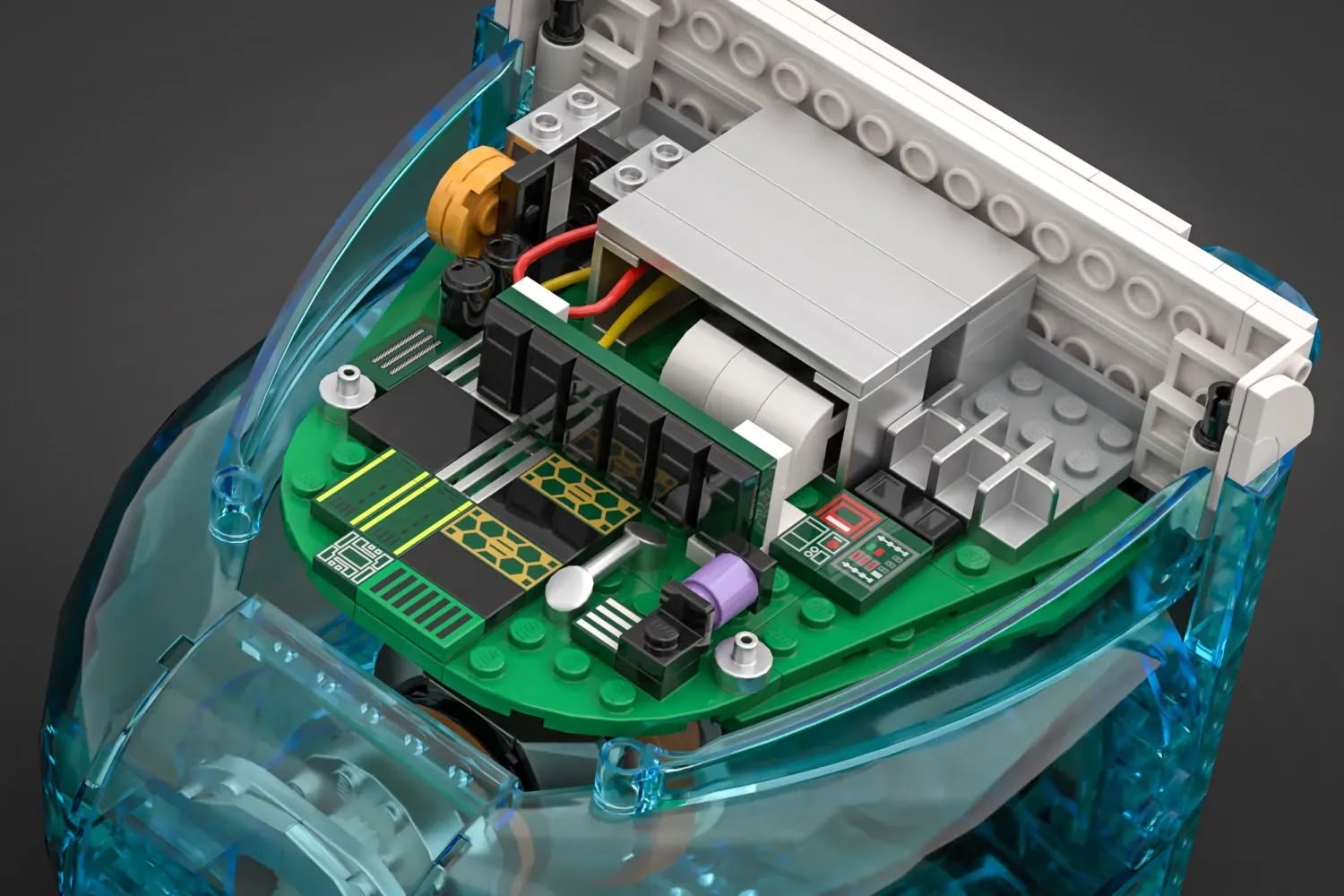
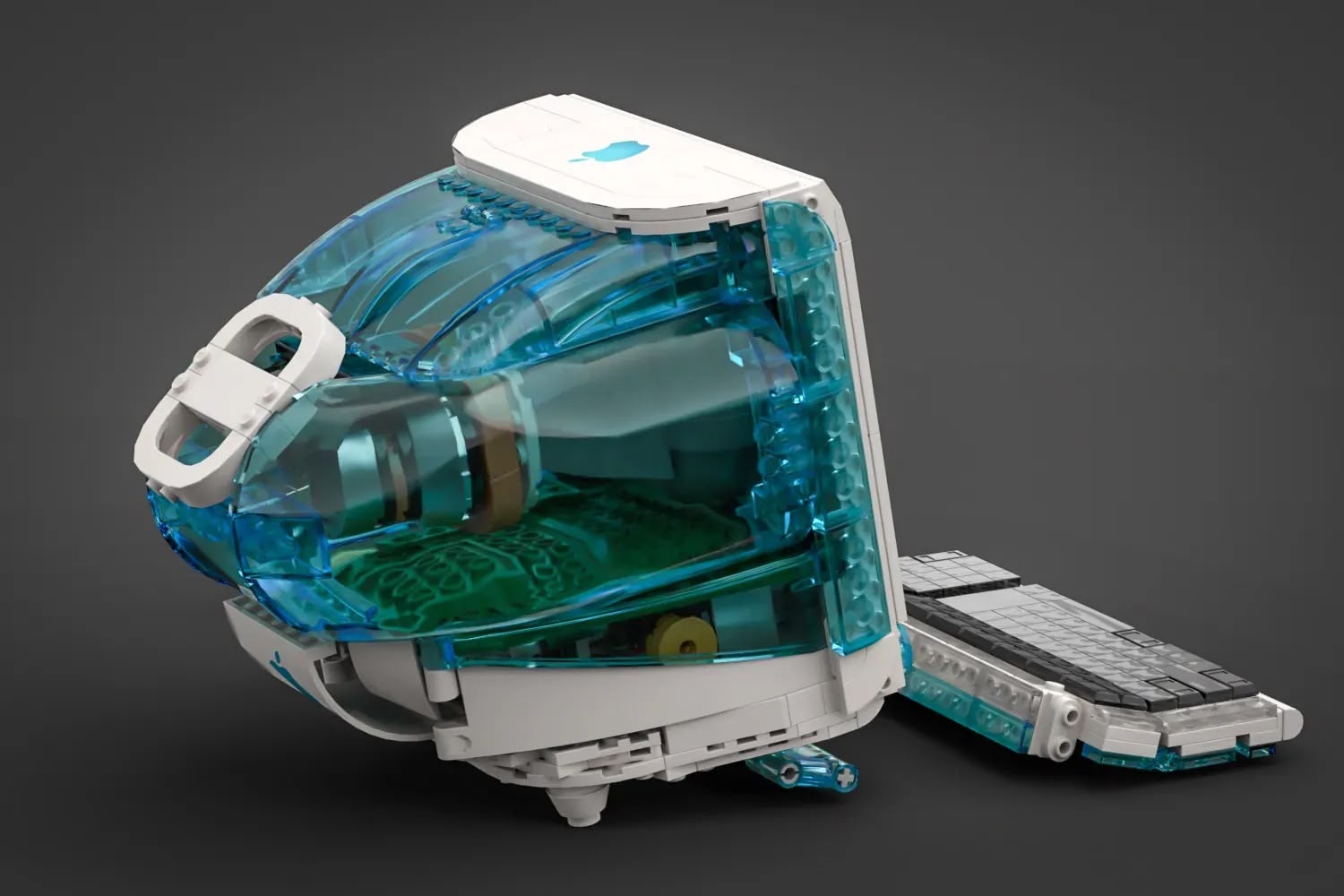
terauma's LEGO rendition is nothing short of a masterful achievement, brilliantly capturing the distinctive look, vibrant colors, and tactile feel of the original iMac G3. The creator's exceptional attention to detail is evident in every brick, replicating the iMac G3's iconic features with remarkable accuracy and artistic flair. The strategic use of translucent blue LEGO pieces is particularly inspired and impressive, closely mimicking the original Bondi Blue plastic and faithfully allowing for that characteristic, intriguing peek into the "guts" of the machine. This was not a simplistic, blocky model; it was an intricately designed masterpiece that thoughtfully embraced and elevated the very spirit of the original Apple product.
The meticulous attention to detail extends even to the interior of the LEGO model. The design ingeniously incorporates brick-built representations of the internal components that were so revolutionary in the original computer. These include a miniature cathode ray tube (CRT) – the bulky, yet essential, screen technology that dominated displays of that era – and a cleverly constructed circuit board. These subtle, yet profoundly accurate, touches elevate the set far beyond a mere external replica, transforming it into a miniature engineering marvel. Such details appeal deeply to both seasoned LEGO enthusiasts, who appreciate ingenious building techniques and clever part usage, and devoted Apple fans, who admire historical accuracy and the celebration of design heritage.
To complete the authentic ensemble, the accompanying "hockey puck" mouse and the perfectly matching keyboard are also faithfully recreated in LEGO form. These accessories, while serving crucial functional roles in the original iMac, now stand as charming, instantly recognizable details in the LEGO version, significantly enhancing its overall appeal and amplifying its nostalgic value. This is a set that is clearly designed not just to sit passively on a display shelf, but to evoke cherished memories, spark lively conversations about technological history, and serve as a tangible link to a pivotal moment in design and computing.
The Significance of "Parking Lot" Status: A Promising Indicator
The successful journey of terauma's extraordinary design, which garnered the requisite 10,000 supporters and subsequently underwent a thorough evaluation by the specialized LEGO Ideas team, is in itself a monumental achievement. However, its subsequent assignment to the exclusive "Parking Lot" status injects an additional layer of intrigue and, crucially, a strong sense of hope for its future. It is a well-known fact within the LEGO Ideas community that a significant number of fan-submitted projects receive outright rejections during or immediately after the initial review phase. The compelling fact that LEGO is dedicating additional time and resources to thoroughly consider the iMac G3 set strongly suggests a genuine and profound interest from the company, coupled with a belief in its substantial potential as an official product.
Deciphering the "Parking Lot": More Than Just a Holding Pattern
When a project enters the "Parking Lot," it's far more than a simple delay or a temporary holding pattern; it's a strategic move that signifies LEGO's recognition of the project's strong potential while acknowledging the need to meticulously resolve specific, often intricate, issues before a final decision can be made. In the particular case of the iMac G3, the most probable and significant hurdle is navigating the complexities of intellectual property (IP) licensing. Apple, Inc. is globally renowned for its meticulously controlled brand image, distinctive design language, and fiercely protected patents and trademarks. For LEGO to proceed with producing an official iMac G3 set, they would almost certainly be required to secure explicit permission and a formal licensing agreement from Apple. This involves a delicate dance of legal and commercial negotiations.
Negotiating such high-stakes agreements can be an extraordinarily lengthy and intricate process. It typically involves multiple rounds of discussions between legal teams, marketing departments, product development strategists, and top executives from both companies. Key discussion points would undoubtedly include the precise representation of Apple's brand elements, the scope of intellectual property usage, royalty structures, specific product details, and how the set aligns with both companies' brand identities. This complex and time-consuming negotiation process alone can more than adequately explain why LEGO would need extended time for review. Crucially, it serves as a powerful indicator that LEGO perceives the potential commercial and brand value of this set to be high enough to warrant engaging in these often challenging discussions, rather than simply dismissing the project outright due to IP complexities.
Historical Precedent: From Parking Lot to Production Success
The "Parking Lot" status should not be viewed as a dead end; rather, it is a temporary, yet often promising, phase that has a history of leading to positive outcomes. For instance, several highly anticipated and beloved LEGO Ideas sets, such as the elegantly designed Downton Abbey project and the evocative The Old Man and the Sea set, both spent considerable time in the "Parking Lot" before eventually receiving official approval for production. These success stories offer substantial encouragement for the iMac G3 project, demonstrating that with strategic patience and diligent effort from LEGO's dedicated team, fan-driven dreams can indeed transform into tangible, brick-built reality. It unequivocally means that the iMac G3 set has successfully cleared an initial, rigorous quality and desirability bar, and is now undergoing a much more serious and in-depth phase of consideration, closer than ever to becoming a reality.
The Competitive Review Process and the iMac G3's Unique Journey
The iMac G3 set was part of the highly competitive third 2025 LEGO Ideas review round, a period that saw an impressive total of 75 qualifying ideas vying for selection. Out of this vast pool of creative submissions, only a very select few were ultimately chosen to become official LEGO sets. Crucially, a small, elite group of four projects, including the compelling iMac G3, were granted the coveted "Parking Lot" status for further, more intensive consideration, while the overwhelming majority of the remaining projects were, regrettably, rejected. This places the iMac G3 project in an exceptionally privileged group, powerfully underscoring its unique appeal, its strong perceived viability, and its significant potential in the discerning eyes of the LEGO Review Board.
Projects can remain in the "Parking Lot" for an extended duration, sometimes spanning up to three distinct review cycles. This prolonged timeline is strategically designed to provide ample opportunity for intricate negotiations, exhaustive market assessments, and detailed feasibility studies to take place. This extended period of consideration serves as a clear and unambiguous indication that LEGO is approaching this decision with utmost seriousness, investing substantial resources, and diligently exploring every conceivable avenue to bring the iMac G3 set to store shelves and into the hands of eager builders.
The Universal Appeal: Retro Tech, Nostalgia, and the Allure of Collectibles
The compelling potential success of the iMac G3 LEGO set resonates deeply with several powerful and converging cultural trends. These include the widespread resurgence of interest in retro technology, the profound emotional wellspring of nostalgia, and the ever-growing market for unique, collectible items. In a contemporary era largely dominated by sleek, minimalist designs and uniform aesthetics, the vibrant, transparent, and undeniably playful aesthetic of the iMac G3 stands out as a joyful, vivid reminder of a distinctly different, more colorful time in technological innovation.
The Enduring Charm: Why Retro Tech Continues to Captivate
There is an undeniably strong and pervasive cultural pull towards vintage electronics. For a vast segment of the population, devices like the iMac G3 represent more than just obsolete hardware; they symbolize simpler times, serve as tangible links to early personal computing experiences, or embody a particular design aesthetic that has since been largely abandoned. Owning a piece of retro tech is akin to possessing a slice of technological history, much in the same way that classic cars evoke a powerful sense of automotive heritage and craftsmanship. A LEGO set offers fans a unique opportunity to own a faithful representation of this history in an interactive, engaging, display-worthy, and creatively satisfying format, appealing to both builders and collectors.
Nostalgia: A Powerful Emotional and Commercial Driver
Nostalgia is an incredibly potent and deeply rooted human emotion, and savvy brands frequently leverage it to forge powerful, meaningful connections with consumers. For adults who vividly recall growing up with or admiring the original iMac G3, this LEGO set would transcend the definition of a mere toy. It would become a cherished memento, a captivating conversation starter, and an artistic display piece that powerfully evokes a flood of fond memories. It speaks directly to the innate joy of technological discovery, the wonder that these pioneering machines once inspired, and the feeling of stepping into a vibrant, digital future. The set taps into a collective memory, transforming a historical object into a contemporary treasure.
The Ever-Expanding Collectible Market
LEGO sets themselves hold significant value in the collectible market, particularly those based on popular intellectual properties or designs with historical significance. An official LEGO iMac G3 would undoubtedly appeal to a highly diverse and enthusiastic audience. This includes dedicated LEGO collectors always seeking unique additions, ardent Apple enthusiasts keen to celebrate their brand's heritage, design aficionados who appreciate iconic industrial design, and virtually anyone with a passion for innovative technology and its cultural impact. Its truly unique subject matter and retro appeal would ensure its prominent place as a distinctive, highly desirable, and potentially valuable item within any collection, spanning both the LEGO and tech collectible communities.
What Lies Ahead? Charting the Course for the LEGO iMac G3
LEGO has, reassuringly, affirmed its commitment to sharing further updates regarding the future trajectory of the iMac G3 project. The journey from "Parking Lot" status to final "Approved" production can indeed be protracted and filled with various complexities, but the very fact that this iconic design remains actively on the table represents a significant victory in itself. The ongoing discussions with Apple, if indeed the primary reason for the extended review, represent a substantial and dedicated effort by LEGO to overcome potential barriers and bring this beloved, fan-favorite design to glorious fruition. Such high-level corporate interactions underscore the seriousness of LEGO's interest.
It is important to acknowledge that not all Apple-related LEGO Ideas projects have enjoyed such favorable prospects. A previous fan proposal for a LEGO Apple Store, for instance, underwent a similar submission and rigorous review process but was ultimately rejected outright by the LEGO Review Board. This stark contrast unequivocally highlights the specific, compelling appeal and the perceived greater viability of the iMac G3 design. It strongly suggests that this particular project possesses intrinsic qualities—perhaps its historical significance, unique design, or broader nostalgic resonance—that resonated far more powerfully and favorably with the discerning LEGO Review Board.
As it stands, the ultimate future of the LEGO iMac G3 set remains balanced on a fine edge, yet the prevailing signs are overwhelmingly encouraging. Its progression to the "Parking Lot" status serves as a powerful testament to LEGO's serious consideration and its evident willingness to actively pursue and overcome potential obstacles, most likely related to intellectual property. For now, dedicated fans and nostalgic enthusiasts can continue to harbor strong hope and eagerly anticipate further official news on whether this iconic, colorful piece of technological history will soon be available in its delightful, brick-built form.
The exciting potential for an official LEGO iMac G3 set is a profound testament to the enduring power of groundbreaking design, the boundless and passionate creativity of the global fan community, and the LEGO Group's steadfast commitment to continuously exploring and embracing exciting new ideas. Whether you identify as an ardent Apple aficionado, a dedicated LEGO builder, a keen collector, or simply someone who deeply appreciates cultural icons that transcend their original purpose, this particular project is undeniably one to watch with bated breath.
This article, "LEGO Considering Bondi Blue iMac G3 Set" first appeared on MacRumors.com
Discuss this article in our forums
from MacRumors
-via DynaSage
