
It’s Ridiculous That Square Enix Is Charging Fans Full Price To Make Octopath Traveler Look Slightly Shinier
Is an "Improved Resolution" Upgrade Worth $60? Let's Talk About Game Pricing
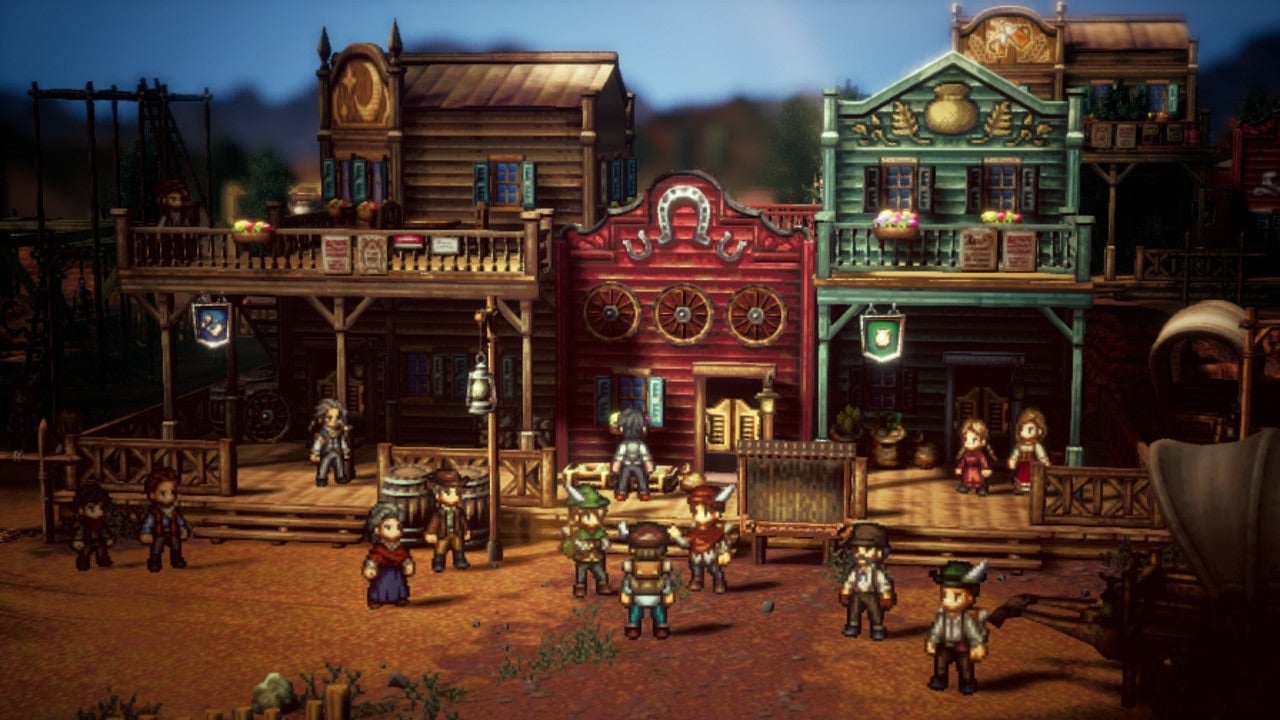
In the exciting world of video games, new consoles and technologies constantly push the boundaries of what's possible. We're always eager for better graphics, smoother gameplay, and more immersive experiences. However, a question often comes up that sparks heated debates among players and industry insiders alike: Is simply getting "improved resolution" worth paying another full price, like $60, for a game you already own? This is a sentiment many gamers feel, especially when big publishers like Square Enix release updated versions of popular titles.
The transition from one generation of gaming consoles to the next, like from PlayStation 4 to PlayStation 5, or Xbox One to Xbox Series X/S, often brings promises of enhanced visuals and performance. Developers revisit their most beloved games, adding features like 4K resolution, higher frame rates, better textures, and faster loading times. While these improvements are undoubtedly welcome, the way they are offered to consumers can cause frustration. Sometimes, these upgrades are free for existing owners, a goodwill gesture that builds loyalty. Other times, they come with a price tag, ranging from a small fee to the cost of a brand-new game. It's in these instances, particularly when the improvements seem minimal or primarily focused on resolution, that players start to wonder if they're truly getting their money's worth.
The Rise of the "Next-Gen Upgrade"
Historically, when a new console generation arrived, it meant leaving older games behind or playing them through backward compatibility, often without significant enhancements. The idea of "remasters" and "definakes" changed this, offering older titles with updated graphics and sometimes new content. However, the current trend involves games released late in a console generation, then later updated for the new generation. This is where the debate truly intensifies. Publishers often face a dilemma: Should they offer these upgrades for free to reward loyal customers and encourage continued engagement, or should they charge for the extra development work and capitalize on the new hardware's capabilities?
For many players, especially those who bought a game at launch on the previous generation console, being asked to pay again for what feels like a basic graphical bump can be insulting. They've already supported the game and the developers. The expectation is that if they upgrade their hardware, the games they own should automatically look and perform better if possible, or at least offer a reasonably priced upgrade path. The argument "improved resolution is not worth $60" encapsulates this frustration, suggesting that merely seeing crisper visuals or a slightly smoother framerate doesn't justify buying the same game twice, especially when no new story content, gameplay mechanics, or significant features are added.
What Exactly Does "Improved Resolution" Mean?
Before we dive deeper into the value proposition, let's understand what "improved resolution" actually entails. In simple terms, resolution refers to the number of pixels displayed on your screen. Higher resolution means more pixels, leading to a sharper, more detailed image. For example, upgrading from 1080p (Full HD) to 4K (Ultra HD) means four times as many pixels, resulting in significantly clearer visuals, especially on larger screens. Alongside resolution, other common "next-gen" improvements include:
- Higher Frame Rates: Moving from 30 frames per second (fps) to 60 fps or even 120 fps makes gameplay feel much smoother and more responsive.
- Better Textures: More detailed surface patterns on objects and characters.
- Ray Tracing: Advanced lighting techniques that create more realistic shadows, reflections, and global illumination.
- Faster Loading Times: Thanks to solid-state drives (SSDs) in new consoles, games load almost instantly.
- New Controller Features: Utilizing haptic feedback and adaptive triggers for a more immersive experience.
While improved resolution is a noticeable change, it's often just one piece of a larger package of enhancements. The core of the player's complaint isn't that resolution isn't good, but whether *just* that, or a package predominantly featuring it, warrants a full-game price tag.
The Developer and Publisher Perspective
From the viewpoint of game developers and publishers, creating these next-gen upgrades isn't always a simple flick of a switch. While some games are designed with scalability in mind, optimizing a game for new hardware often requires significant resources. Teams need to:
- Recode or Adapt Engine Features: To take full advantage of new console architectures.
- Optimize Assets: Textures and models might need to be refined or re-created for higher resolutions.
- Implement New Technologies: Integrating features like ray tracing, haptic feedback, or faster loading can be complex and time-consuming.
- Quality Assurance: Rigorous testing is needed to ensure stability and performance on the new platforms.
All of this costs money: salaries for engineers, artists, QA testers, and project managers. Publishers argue that charging for these upgrades helps cover these development costs, especially for games that might not generate new full-price sales otherwise. For companies like Square Enix, which invest heavily in large, graphically intensive RPGs, recouping development expenses is crucial for future projects. They might see these upgrades as a way to extend the lifespan of a successful game and generate additional revenue from a pre-existing player base, particularly if the original game was released years prior.
Furthermore, there's a strategic element. By offering a paid upgrade, publishers can sometimes bundle it with new content, like story DLC or cosmetic packs, making the overall package more appealing and seemingly better value. However, this often leads to a chicken-and-egg scenario where players feel the new content *should* be part of a season pass or a separate purchase, and the graphical upgrade *should* be free.
The Player's Perspective: Value and Expectations
On the other side of the fence are the players, who often feel a sense of ownership and loyalty to the games they love. When they invest $60 or $70 in a game at launch, they expect a complete experience. The arrival of a new console generation, for many, signifies a natural evolution of their gaming setup. They anticipate that their existing library, where possible, will transition smoothly and benefit from the new hardware's power without an additional significant cost.
This expectation isn't entirely unfounded. Many developers and publishers *do* offer free next-gen upgrades. Games like Cyberpunk 2077, Doom Eternal, and Assassin's Creed Valhalla provided free updates for existing owners. This sets a precedent and raises the bar for what players expect. When a publisher chooses to charge for these upgrades, especially if the enhancements are perceived as purely visual and not transformative to the gameplay, it can lead to feelings of being exploited or nickel-and-dimed.
The "improved resolution is not worth $60" argument also touches on the concept of digital ownership. In an era where physical media is declining, many gamers feel they are merely licensing a game, not truly owning it. This feeling is intensified when they're asked to pay again for what amounts to a patch or an enhancement to a product they've already "purchased." It raises questions about consumer rights and the long-term value of digital game libraries.
Consider the psychological aspect: if a player has already spent 50-100 hours in a game, they've experienced its narrative and gameplay. A graphical upgrade, while nice, doesn't fundamentally change that core experience. For some, it might be worth a smaller fee, say $5-10, as a donation for the developers' continued work. But a full $60 often feels like an entirely new purchase, and if the *game itself* isn't new, the value proposition diminishes significantly.
Finding a Balance: What Makes an Upgrade "Worth It"?
So, where is the line? What makes a next-gen upgrade "worth it" from a consumer's perspective?
Meaningful Enhancements Beyond Resolution
If an upgrade offers more than just resolution and frame rate, it becomes more compelling. This could include:
- New Story Content or Expansions: Like the Intergrade DLC for Final Fantasy VII Remake Intergrade, which added a new episode, it's easier to justify a price tag if substantial new gameplay is included.
- Significant Visual Overhauls: Not just resolution, but completely rebuilt assets, improved lighting, environmental details, and character models that truly transform the game's look.
- Quality-of-Life Improvements: Faster travel, better UI, accessibility options, or rebalanced gameplay that genuinely enhances the overall experience.
- New Game Modes: Adding a multiplayer component or an arcade mode that wasn't present in the original.
Fair Pricing Models
The price point is critical. Options for fair pricing include:
- Free Upgrades: For a limited time after launch, or for specific editions of the game.
- Smart Delivery/Cross-Buy: Microsoft's Smart Delivery program or PlayStation's cross-buy options ensure you own the best version for your console at no extra cost. This is the gold standard.
- Tiered Pricing: A small fee ($10-20) for purely graphical upgrades, with a higher price if new content is bundled.
- Bundles: Offering the next-gen version alongside new DLC at a slight discount for existing owners.
Transparency and Communication
Publishers need to be clear about what an upgrade offers and why it costs what it does. Vague promises or hiding the true extent of improvements can erode trust. Clear communication about development costs, the scope of work, and the value added can help players understand the pricing decisions.
The Broader Implications for the Gaming Industry
This debate about paid next-gen upgrades reflects a larger tension in the gaming industry concerning value, consumer expectations, and publisher profitability. As development costs continue to soar, especially for AAA titles, publishers are constantly seeking new revenue streams. However, pushing too hard on these streams, particularly with practices perceived as anti-consumer, can lead to significant backlash, damaging brand reputation and potentially impacting future sales.
For Square Enix and other major players, striking the right balance is crucial. They have iconic franchises and passionate fan bases. Alienating these fans with what they perceive as unfair pricing for incremental improvements can have long-term consequences. In a competitive market, where players have an ever-growing backlog and new games releasing constantly, every purchasing decision is weighed carefully.
Furthermore, the practice of charging full price for minimal upgrades can also contribute to "remaster fatigue," where players grow tired of seeing older games re-released with slight enhancements, rather than truly innovative new experiences. While remasters have their place, especially for older titles that genuinely need a ground-up rebuild or were inaccessible on modern platforms, charging for minor "resolution" bumps on relatively recent games feels different.
Ultimately, the choice to buy a paid upgrade rests with the individual consumer. Some will gladly pay for the best possible visual and performance experience, regardless of the cost. Others will hold firm to their principles, waiting for sales or simply sticking with the last-gen version. This ongoing dialogue between players and publishers is vital for shaping the future of game pricing and how we value digital content in an evolving technological landscape.
Conclusion: A Call for Greater Value and Understanding
The sentiment that "improved resolution is not worth $60" is a powerful one, highlighting a disconnect between what players expect from next-gen upgrades and what some publishers offer. While development costs are real, and enhancing games for new hardware requires effort, the perceived value must align with the asking price. When the primary enhancement is merely a bump in resolution and frame rate, many players feel that a full game price tag is excessive, especially if they already own the base game.
For the health of the industry and the satisfaction of its dedicated players, a more consistent approach to next-gen upgrades is needed. Free upgrades or a nominal fee for purely graphical improvements, coupled with clear communication about the scope of work, would likely foster greater goodwill and trust. When new, substantial content is offered alongside technical enhancements, then a higher price becomes much more justifiable. Ultimately, it's about respecting the player's investment and ensuring that every dollar spent translates into a genuinely enhanced and valuable gaming experience, not just a slightly prettier version of something they already have.
from Kotaku
-via DynaSage
