
It’s Not Just You, Everyone Is Mad At Roku’s Horrible Update
The Modern Streaming Dilemma: When Ads and Algorithms Hijack Your Entertainment
Remember the good old days of streaming? You’d pick a movie or show, press play, and just... watch it. No endless commercials, no bizarre recommendations trying to push content you’d never choose. Today, that simple pleasure often feels like a distant memory. Many users are growing increasingly frustrated with how streaming platforms, once heralded as the future of entertainment, are prioritizing aggressive advertising and often perplexing algorithms over a smooth, enjoyable user experience.
This feeling isn't unique to one platform; it's a growing sentiment across the streaming landscape. What began as a promise of on-demand, commercial-free content has, for many, evolved into a new form of television, one that’s arguably even more intrusive than traditional cable in some respects. The core complaint boils down to a fundamental question: are these services "fixing" things that weren't broken, just to squeeze more money out of our attention?
We're talking about the pervasive push of ads – not just a few, but a barrage that interrupts and detracts from the viewing pleasure. And then there are the algorithms, the unseen forces that dictate what we see, what we're recommended, and sometimes, what we're even allowed to discover easily. While algorithms can be helpful, too often they feel manipulative or simply incompetent, leading to a sense of digital clutter rather than curated ease. Let's dive deeper into why this is happening, its impact on us, and what it means for the future of our digital entertainment.
The Ad Overload Epidemic: From Commercial-Free Bliss to Constant Interruption
The allure of early streaming services was largely their ad-free nature. For a monthly fee, subscribers could escape the relentless commercial breaks of linear television. This was a revolutionary concept, offering unprecedented control and uninterrupted viewing. Fast forward to today, and that promise has significantly eroded. Most major streaming platforms now offer ad-supported tiers, and even premium, ad-free subscriptions are not entirely immune to promotional content or sponsored placements.
How Ads Have Infiltrated Streaming
The journey from no ads to many ads has been a gradual, often stealthy one. Initially, it might have been a short pre-roll ad before content. Then came longer ad breaks, often replicating the structure of traditional TV commercials. Now, we see a multitude of ad types:
- Pre-roll Ads: Commercials played before your chosen content begins.
- Mid-roll Ads: The most disruptive, these interrupt your show or movie mid-scene, often at awkward moments.
- Post-roll Ads: Ads played after your content finishes, often promoting other shows or products.
- Banner and Overlay Ads: Non-intrusive (initially) ads that appear on the screen during playback or on the user interface. These have become more aggressive, sometimes taking up significant screen real estate.
- Home Screen Ads: Promotional banners or large tiles on the platform's home screen, often indistinguishable from actual content recommendations.
- Sponsored Content: Entire sections or rows dedicated to promoted shows or movies, sometimes from external advertisers or lesser-known partners, blurring the line between organic recommendations and paid placements.
This proliferation of ad formats means that even if you're not seeing traditional commercial breaks, you're constantly exposed to marketing messages. The user experience is no longer about seamless consumption; it's about navigating a gauntlet of advertisements designed to capture your attention and monetize every second of your screen time.
The Impact on User Experience and Psychology
The constant bombardment of ads has several negative impacts. Firstly, it disrupts immersion. Imagine watching a suspenseful thriller or a heartwarming drama, only for a loud commercial for car insurance or fast food to abruptly cut in. This doesn't just annoy; it breaks the spell, making it harder to engage with the storytelling.
Secondly, there's the issue of repetition. Streaming services often have a limited pool of ads, leading to viewers seeing the same commercials over and over again. This "ad fatigue" breeds resentment and can make the viewing experience incredibly grating. Instead of making us want to buy a product, it makes us want to switch off the service altogether.
Furthermore, the perceived value of the service diminishes. Many subscribers feel cheated when they're paying a monthly fee (even for an ad-supported tier) only to be subjected to what feels like an endless commercial break. It blurs the line between a premium entertainment service and traditional broadcast TV, but without the benefit of being "free." This monetization strategy, while profitable for companies, risks alienating the very audience they rely on.
Why Companies Do It: The Revenue Imperative
The simple answer to "why so many ads?" is revenue. Running a streaming service is incredibly expensive. Content creation, licensing, infrastructure, and marketing all cost billions. As the streaming wars intensify and subscriber growth slows in mature markets, companies are under immense pressure from investors to demonstrate profitability.
Advertising offers a lucrative pathway to boost income. By introducing ad-supported tiers, platforms can attract price-sensitive consumers while simultaneously generating revenue from advertisers. They can also use granular user data to target ads more effectively, theoretically making them more valuable to brands. However, this pursuit of profit often comes at the expense of the user experience, creating a tension that defines the modern streaming landscape.
The Double-Edged Sword of Algorithms: Friend or Foe?
Beyond ads, algorithms play an increasingly central role in how we interact with streaming platforms. On the surface, algorithms are designed to be helpful. Their primary purpose is personalization – to learn our preferences and recommend content we're likely to enjoy, thereby enhancing discovery and engagement. In theory, this sounds fantastic. In practice, it’s often a mixed bag.
When Algorithms Go Wrong: Frustration and Manipulation
While a well-tuned algorithm can introduce us to hidden gems, many users find themselves in an algorithmic loop that feels more like a cage than a curated journey. Here’s how algorithms can become a source of frustration:
- The Echo Chamber Effect: Algorithms tend to recommend more of what you've already watched or similar popular content. While this can be good, it also limits genuine discovery. You might get stuck in a "genre bubble," never seeing content that falls outside your perceived preferences, even if you might enjoy it.
- Pushing Unwanted Content: Sometimes, algorithms seem to push content that simply doesn't align with your tastes, or worse, promote low-quality original content from the platform itself, likely due to internal mandates rather than genuine user preference. This can feel like digital clutter, making it harder to find what you actually want.
- Lack of Transparency: How do these algorithms work? Why am I seeing this recommendation? Users rarely get insight into the logic behind the suggestions. This lack of transparency leads to distrust and a feeling that the platform isn't working for them, but rather for its own internal metrics.
- Algorithmic Manipulation and Monetization: The most concerning aspect is when algorithms are designed not just to predict preference, but to *influence* behavior or prioritize monetized content. This could mean subtly promoting shows that have a higher licensing cost, that are exclusive to the platform, or even sponsored content that pays for placement, regardless of its relevance to your actual interests. The line between recommendation and manipulation becomes increasingly blurred.
- Privacy Concerns and Data Collection: For algorithms to work, they need data. A lot of it. Every click, every pause, every search, every rewatch is logged and analyzed. While this data helps personalize your experience, it also feeds massive advertising profiles, raising significant privacy concerns about how much information these platforms collect and how it's used beyond simply recommending your next show.
This intricate web of data collection and algorithmic decision-making can make the streaming experience feel less about entertainment and more about being a data point in a vast commercial ecosystem. Users want control and agency over their entertainment choices, not to be shepherded by an invisible, often inscrutable, digital hand.
Roku: A Case Study in the Shifting Sands of Streaming Monetization
The sentiment expressed earlier, "Stop fucking things up just to shove more ads and algorithm nonsense into my face," perfectly captures the growing frustration, and devices like Roku are often at the center of this discontent. Roku started as a simple, affordable gateway to streaming, known for its user-friendly interface and wide selection of apps. It was a beloved device for cord-cutters looking for an alternative to cable.
The Evolution of Roku's Business Model
Over the years, Roku's business model has significantly evolved. While hardware sales remain a component, the company has increasingly shifted its focus to its "Platform" segment, which includes advertising, content distribution (like The Roku Channel), and user data monetization. This shift means that Roku is no longer just selling you a box; it's selling you access to an ecosystem, and that ecosystem is designed to generate recurring revenue.
This strategic pivot has led to more aggressive monetization tactics:
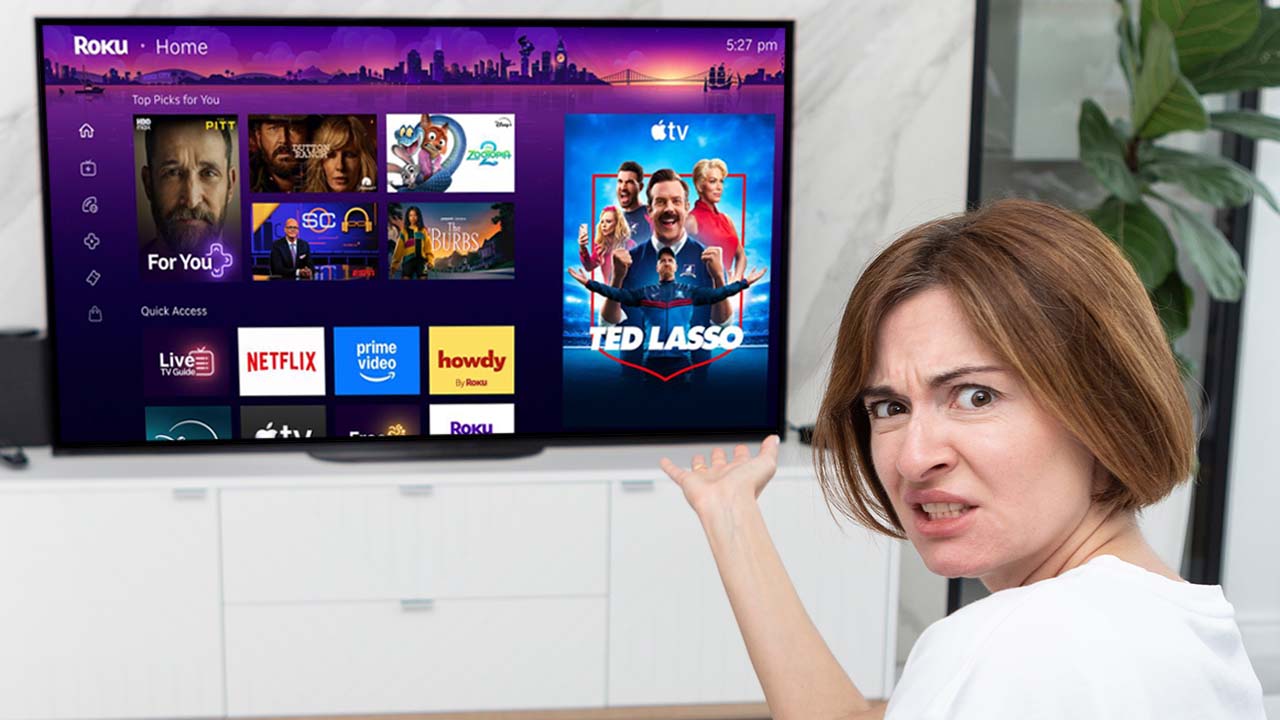
- Home Screen Dominance: Roku's home screen, once a clean grid of app icons, now prominently features large, rotating ad banners. These ads are often for third-party products, services, or even promoted content on The Roku Channel, making them inescapable.
- The Roku Channel Push: While a free, ad-supported streaming service can be appealing, The Roku Channel is often heavily promoted, sometimes aggressively, on the device's interface. This can feel like the platform is prioritizing its own content over the diverse selection available from other apps.
- Increased Ad Load: Even within third-party apps on Roku devices, the general trend for ad-supported tiers is an increased ad load. Roku also inserts its own ads in certain contexts, blurring the lines of who is showing you what.
- Data for Advertising: Roku collects extensive data on user viewing habits and activity on its devices. This data is then used to target ads more precisely, making the advertising not just more frequent, but also more personal, which can feel invasive to some users.
The tension here is clear: Roku needs to grow its platform revenue to satisfy investors, but doing so by increasing ads and manipulating content discovery risks alienating its loyal user base who originally bought into the promise of simple, open streaming.
The Broader Implications for the Future of Streaming
This trend of ad saturation and algorithmic overreach has significant implications for the entire streaming industry and how we consume media.
The "Cable-ification" of Streaming
One of the biggest concerns is that streaming is becoming more and more like the traditional cable TV it was supposed to replace. With rising subscription costs, bundles of multiple services, and now pervasive advertising, many users feel they are simply paying more for a fragmented, ad-filled experience that increasingly resembles the old model. This "cable-ification" undermines the original value proposition of cord-cutting.
Erosion of Trust and User Loyalty
When platforms prioritize profit over user experience, trust erodes. Users feel exploited, and their loyalty wanes. While switching streaming services is relatively easy, the accumulated frustration can lead to subscription fatigue, where consumers simply give up on trying to piece together an ideal entertainment package. This could drive users back to piracy or push them towards niche, ad-free alternatives that truly respect their attention.
The Search for True Ad-Free Alternatives
As the mainstream streaming services become more ad-laden, there will be an increasing demand for truly ad-free experiences. This might mean paying a higher premium, or it might mean a resurgence of interest in services that commit to a user-first, ad-minimal approach. The market may eventually segment, with some services becoming pure ad-delivery vehicles and others maintaining a pristine, premium, ad-free status for a higher price.
What Can Users Do? Reclaiming Your Streaming Experience
While it might feel like you're powerless against the tide of ads and algorithms, there are steps you can take to reclaim some control over your streaming experience and signal to platforms what you truly value.
1. Vote with Your Wallet
- Choose Ad-Free Tiers: If your budget allows, opt for the premium, ad-free subscription tiers. This directly tells the service that you value an uninterrupted experience and are willing to pay for it.
- Cancel Subscriptions: If a service's ad load or algorithmic push becomes unbearable, cancel your subscription. Provide specific feedback during the cancellation process about *why* you are leaving. This data is invaluable to companies.
- Rotate Subscriptions: Instead of subscribing to many services at once, consider rotating them. Subscribe to one or two for a few months, watch what you want, then cancel and switch to another. This reduces overall cost and exposure to constant ads across multiple platforms.
2. Provide Direct Feedback
- Use Customer Support: Contact the platform's customer support and politely but firmly express your concerns about ad frequency, algorithmic recommendations, or other issues.
- Social Media: Use platforms like X (formerly Twitter), Facebook, or Reddit to voice your frustrations. Companies often monitor social media for public sentiment.
- Surveys and Forums: Participate in any user surveys or official forums provided by the streaming service. These are direct channels for your opinions to be heard.
3. Explore Alternatives and Device Settings
- Ad Blocker Settings (where applicable): While difficult for most in-app streaming, some browser-based streaming might benefit from ad blockers. However, this is often a cat-and-mouse game.
- Privacy Settings: Dive into the privacy settings on your streaming device (like Roku) and the individual streaming apps. Limit ad personalization, data sharing, and tracking where possible. This can help reduce the invasiveness of targeted ads.
- Alternative Hardware: If your current streaming device is too aggressive with ads on its home screen or interface, consider exploring other options like Apple TV, Nvidia Shield, or even smart TVs with different operating systems, which might offer a cleaner, less ad-centric experience.
4. Curate Your Content Deliberately
- Rate Content: Actively rate shows and movies you watch (thumbs up/down, star ratings). This helps the algorithm understand your preferences better and can lead to more relevant recommendations.
- Use Watchlists: Build a watchlist of content you genuinely want to see, rather than just passively browsing recommendations.
- Seek External Recommendations: Don't rely solely on the platform's algorithm. Look to trusted critics, friends, or online communities for diverse content suggestions.
Conclusion: A Call for Balance
The core problem isn't advertising or algorithms in themselves; it's the lack of balance and the feeling of exploitation. Ads can exist without being overwhelming, and algorithms can genuinely enhance discovery without being manipulative. What users are truly asking for is a return to a user-centric experience, where platforms respect their attention and intelligence.
Streaming services, including market leaders like Roku, need to listen to their users. The long-term success of these platforms hinges not just on their ability to monetize, but on their ability to retain subscribers by delivering a truly enjoyable and valuable entertainment experience. If the current trajectory of incessant ads and confusing algorithms continues, the promise of streaming will be lost, replaced by a frustration that mirrors the very problems it originally set out to solve. It's time for platforms to stop "fixing" what isn't broken with intrusive monetization, and instead focus on what users truly want: seamless, enjoyable, and genuinely personalized entertainment.
from Kotaku
-via DynaSage
