
iOS 27 Beta Hints at New Apple Product Such as 'AirPods Ultra'
Unveiling Apple's Next Big Thing: iOS 27 Beta Hints at Revolutionary 'AirPods Ultra' or Smart Glasses
The tech world is abuzz once again, as a fascinating discovery within the second iOS 27 developer beta has sent ripples of speculation through the industry. According to intricate code uncovered by the keen eye of app designer and developer Sam Henri Gold, Apple appears to be on the cusp of introducing a groundbreaking new product that could fundamentally change how we interact with technology.
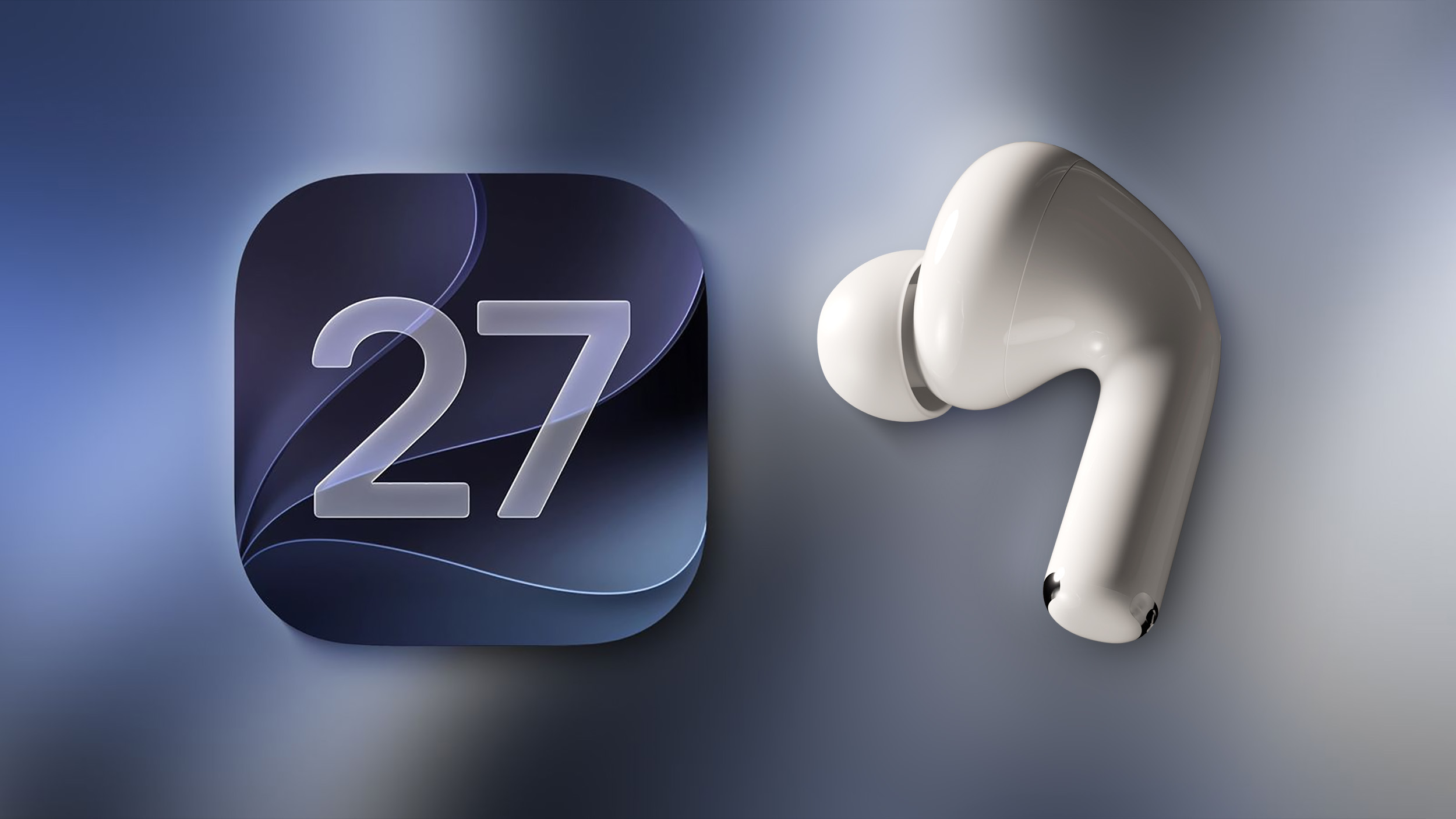
This isn't just a minor update; the unearthed code points to a device codenamed "B790" that possesses a truly unique capability: it can relay "two images from cameras on either side of [a] user's head." This tantalizing description immediately sparks visions of advanced wearables, pushing the boundaries of what we expect from personal tech. While Gold initially theorized that this might refer to Apple's long-rumored smart glasses, a closer look at Apple's development pipeline suggests an even more imminent and perhaps surprising contender: AirPods equipped with cameras, affectionately dubbed "AirPods Ultra."
The Mystery Device: B790 and Its Dual Cameras
The core of the excitement lies in the specific wording found in the iOS 27 beta. The mention of a device, internally designated B790, capable of capturing images from two cameras positioned on either side of a user's head is unprecedented for any existing Apple product. Current iPhones have multiple cameras, but none are designed for this specific wearer-centric, peripheral vision capture. This strongly suggests a new category of wearable device, one that integrates visual input directly into the user's personal space.
The implications of such a setup are profound. Imagine a device that can continuously or on-demand capture what you see, allowing for real-time analysis and interaction. This moves beyond passive listening (AirPods) or glanceable information (Apple Watch) into a realm where the device can "understand" your immediate visual environment.
The Contenders: Smart Glasses vs. Camera-Equipped AirPods
When new hardware hints emerge from Apple's software, the speculation often revolves around two major categories: smart glasses and advanced AirPods. Both have been subject to numerous rumors over the years, and the B790 codename fits neatly into either possibility, albeit with varying degrees of likelihood.
Apple Smart Glasses: The Visionary Future
Apple's smart glasses have been the subject of tech whispers for almost a decade. Conceptualized as a device that could overlay digital information onto the real world, akin to augmented reality, these glasses are often seen as the next evolution of personal computing. The idea of "two images from cameras on either side of a user's head" aligns perfectly with what one would expect from a pair of smart glasses designed to perceive and interact with the environment. Such cameras would be crucial for spatial awareness, object recognition, and creating immersive AR experiences.
However, industry insiders, including reports from Bloomberg, suggest that Apple's smart glasses, reportedly codenamed "N50," are still a bit further out in development, with a potential launch in late 2027. While incredibly exciting, the technological hurdles — from battery life and form factor to social acceptance and robust AR capabilities — are immense.
AirPods Ultra: A More Imminent Reality?
This brings us to the more "likely" possibility, as suggested by Gold and other analysts: camera-equipped AirPods, perhaps branded as "AirPods Ultra." The reasoning behind this centers on Apple's established development patterns and the relatively closer codename. The current AirPods Pro 3, for instance, were internally codenamed B788. The close proximity of B790 to B788 suggests a product that is perhaps an iteration or a closely related branch of the existing AirPods family, rather than an entirely new form factor like smart glasses.
Reports indicate that Apple is indeed actively working on "AirPods Ultra" with built-in cameras, and that this project is reportedly further along in development. Integrating cameras into AirPods might seem unconventional at first, but considering Apple's history of pushing boundaries, it opens up a fascinating array of possibilities.
What Could Camera-Equipped AirPods Ultra Do?
The idea of AirPods with cameras presents a compelling vision for a new type of wearable. Far from being a mere gimmick, these cameras could unlock a host of features that elevate the AirPods experience beyond audio. Here's how "AirPods Ultra" could revolutionize personal technology:
- Enhanced Situational Awareness: The dual cameras could continuously monitor the user's surroundings. Imagine walking down a street and receiving subtle audio cues about an approaching vehicle you might not have seen, or being alerted to a potential tripping hazard. This could be a significant accessibility feature.
- Contextual Siri: This is perhaps the most exciting prospect. With visual input, Siri could become incredibly context-aware. If you're looking at a restaurant, you could simply ask, "Siri, what's their most popular dish?" or "Siri, what are their opening hours?" without needing to pull out your phone. The cameras would provide the visual context for Siri's queries.
- Visual Intelligence at Your Fingertips (or Ears): As we'll delve into later, Visual Intelligence is a key feature. With cameras in your AirPods, you could point your head at an unfamiliar object – say, a rare bird in a tree or a complex piece of machinery – and Siri could provide instant, spoken information about it.
- Hands-Free Photography/Videography: While likely not intended for professional-grade content, discreet, hands-free capture could be useful. Imagine documenting a moment by simply looking at it and giving a voice command, without interrupting the experience by fumbling for your phone. This could be for quick visual notes, short clips, or capturing ephemeral moments.
- Accessibility Features: For individuals with visual impairments, these cameras could be revolutionary. They could identify objects, read signs aloud, navigate unfamiliar environments, or even describe scenes in real-time.
- Fitness and Health Monitoring: Beyond tracking movement, cameras could potentially monitor posture during exercise, provide feedback on form, or even detect changes in your environment that might impact your health or safety.
- Augmented Audio Experiences: Imagine AR, but primarily driven by sound. The cameras could identify specific elements in your environment, and the AirPods could then play spatially aware audio relevant to those elements. For example, walking past a museum exhibit and hearing a detailed description of the artwork you're looking at, perfectly synchronized.
The integration of cameras into AirPods represents a bold step for Apple, transforming a personal audio device into a powerful sensory hub. It aligns with Apple's long-term strategy of creating devices that are deeply integrated into users' lives, offering seamless and intuitive interaction with the digital and physical worlds.
Visual Intelligence: The Brain Behind the Vision
Whether it's AirPods Ultra or Apple Glasses, the true magic behind these camera-equipped wearables lies in a powerful underlying technology: Visual Intelligence. This isn't a completely new concept for Apple; it's a feature that's already beginning to show its capabilities on existing devices.
What is Visual Intelligence?
At its core, Visual Intelligence is Apple's advanced computational photography and machine learning system designed to understand and interpret the visual world. It allows devices to recognize objects, text, landmarks, and even abstract concepts within images or video feeds. It's the technology that powers features like Live Text, Visual Look Up, and enhanced photography modes on iPhones.
On the iOS 27 operating system, Visual Intelligence takes a significant leap forward. It's now accessible through the Camera app via a new "Siri" mode on the iPhone 15 Pro and newer models. This integration signifies Apple's intent to make Visual Intelligence a central pillar of user interaction, moving it from a passive background process to an active, user-initiated feature.
Visual Intelligence on New Wearables: Real-World Applications
The code found in iOS 27 beta specifically instructs Visual Intelligence on how to function on the mystery B790 device. It clearly states that the feature works with a wide range of identifiable elements: landmarks, text, and known objects. The examples cited – the Eiffel Tower in Paris and a common coffee mug – perfectly illustrate the breadth of its capabilities, from monumental structures to everyday items.
Let's elaborate on the "house plant" example provided in the original text:
Imagine you're wearing your new camera-equipped AirPods Ultra. You glance at a beautiful, unfamiliar house plant in a friend's home. Instead of pulling out your phone, opening a plant identification app, and taking a picture, you simply look at the plant. Silently, the cameras in your AirPods capture the visual data. Visual Intelligence processes this, identifies the plant, and Siri, through your AirPods, whispers information directly into your ear: "That's a Monstera Deliciosa, also known as the Swiss Cheese Plant. It's native to tropical forests of Southern Mexico and Panama and thrives in bright, indirect light."
This seamless, almost telepathic interaction is the promise of Visual Intelligence integrated into a hands-free wearable. The possibilities extend far beyond house plants:
- Travel and Exploration: Look at a historic building or a monument, and Siri provides its history, architectural details, or nearby attractions. Glance at a foreign sign, and Siri translates it in real-time.
- Shopping and Product Information: Looking at a product on a shelf? Siri could tell you its ingredients, compare prices with online retailers, or even highlight reviews.
- Learning and Education: Point your head at a diagram, a scientific specimen, or a complex piece of art, and receive instant explanations and context. This could transform how students and lifelong learners acquire information.
- Accessibility for All: For those with reading difficulties, Siri could read text from menus, documents, or street signs aloud. For visually impaired users, it could describe scenes, identify people, or help navigate through unfamiliar spaces.
- Everyday Utility: Lost your keys? The system could potentially help you scan your environment. Can't remember what something is called? Look at it, and Siri provides the name.
Visual Intelligence, combined with the power of generative AI and Siri's conversational capabilities, stands to make these new wearables incredibly intuitive and helpful, dissolving the barrier between the digital assistant and the physical world around you.
/System/Library/AssetsV2/com_apple_MobileAsset_UAF_IF_PlannerOverrides/purpose_auto/9aaa6a204118137235983cc3f1eecae8a125c550.asset/AssetData/PCC/system_prompt_metadata/system_prompt.json seems to hint at some smart glasses codenamed B790 pic.twitter.com/IEmbfleth4
— sam henri gold (@samhenrigold) July 3, 2026
Apple's Wearable Strategy: A New Era of Ambient Computing
The code uncovered by Sam Henri Gold, while not revealing extensive details, serves as yet another compelling indication that Apple is aggressively pursuing the development of more camera-equipped wearables. This strategy aligns perfectly with the broader industry trend towards ambient computing – where technology seamlessly integrates into our environment and responds to our needs intuitively, without requiring explicit interaction with a screen or keyboard.
Apple has already laid significant groundwork in the wearable space with the immense success of the Apple Watch and AirPods. Both devices excel at providing information and interaction in a subtle, personal manner. The Apple Watch monitors health and fitness, delivers notifications, and enables quick interactions on the wrist. AirPods provide unparalleled audio quality and enable seamless voice control via Siri, discreetly connecting users to their digital lives.
The introduction of cameras into these wearables represents a natural, yet transformative, next step. It allows Apple to extend the "senses" of its devices beyond hearing and touch to include sight. This shift could unlock an entirely new paradigm of user experience, where devices don't just respond to commands but proactively assist and inform based on what they (and you) are seeing.
The Vision of "Spatial Computing" Expands
With products like the Apple Vision Pro, Apple has introduced the concept of "spatial computing" – a new way of interacting with digital content that blends it seamlessly with your physical space. While Vision Pro is a high-end, immersive experience, camera-equipped AirPods Ultra or smart glasses could bring elements of spatial computing to a much broader audience in a more lightweight, everyday format. They could act as anchors for spatial audio, visual cues, and contextual information that enhances your perception of the real world without fully immersing you in a virtual one.
This layered approach to wearables – from the deeply immersive Vision Pro to the subtle and ever-present AirPods Ultra – suggests a comprehensive strategy by Apple to cater to diverse user needs and scenarios, all centered around a more natural and integrated interaction with technology.
Timing and Outlook: Late 2027 and Beyond
According to the latest reporting from reputable sources like Bloomberg, both the "AirPods Ultra" and the more ambitious smart glasses are currently slated for a launch in late 2027. This timeline positions them as a major part of Apple's future product roadmap, potentially coinciding with or following major advancements in iOS and other Apple operating systems (perhaps even iOS 28, if the Glasses are indeed further out).
A late 2027 launch gives Apple sufficient time to refine the hardware, optimize the software (especially Visual Intelligence and Siri integration), and address potential challenges such as battery life, ergonomic design, and crucial privacy considerations. The simultaneous development of two such innovative, camera-equipped wearables indicates a strong belief within Apple that these devices represent the next frontier of personal technology.
Challenges and Opportunities
While the prospects are exciting, Apple will undoubtedly face challenges in bringing these products to market:
- Privacy: Integrating cameras into everyday wearables raises significant privacy concerns, both for the user and those around them. Apple will need to implement robust privacy features and clear indicators when cameras are active.
- Design and Comfort: For AirPods Ultra, incorporating cameras without significantly increasing size or weight will be crucial for comfort and wearability. For smart glasses, achieving a stylish, lightweight, and socially acceptable design has been a hurdle for many companies.
- Battery Life: Running dual cameras and advanced Visual Intelligence processing on a tiny wearable will demand significant power, making long-lasting battery life a critical engineering challenge.
- User Adoption: Introducing entirely new ways of interacting with technology often requires a period of adjustment. Apple's ability to demonstrate clear, compelling use cases will be key to widespread adoption.
Despite these hurdles, Apple's track record of perfecting and popularizing emerging technologies suggests that if anyone can make camera-equipped wearables a mainstream success, it's them. The integration with the existing Apple ecosystem – iPhone, Apple Watch, iPad, and Mac – will provide a powerful advantage, ensuring seamless connectivity and functionality.
The Road Ahead: A Glimpse into Apple's Future
The discovery in the iOS 27 beta is more than just a fleeting rumor; it's a tangible piece of evidence from Apple's own software, pointing towards an exciting, camera-enabled future. Whether we see the immediate arrival of "AirPods Ultra" or a more distant launch of full-fledged smart glasses, one thing is clear: Apple is preparing to fundamentally reshape our interaction with the digital world by granting our personal devices the power of sight.
This will usher in a new era of proactive assistance, seamless information delivery, and deeply contextual experiences, making our technology not just smart, but truly intuitive. Keep your eyes – and ears – peeled, because Apple's next big innovation might just be worn on your head.
This article, "iOS 27 Beta Hints at New Apple Product Such as 'AirPods Ultra'" first appeared on MacRumors.com
Discuss this article in our forums
from MacRumors
-via DynaSage
