
How Sonic Mania Saved Sega’s Blue Hedgehog And The Series
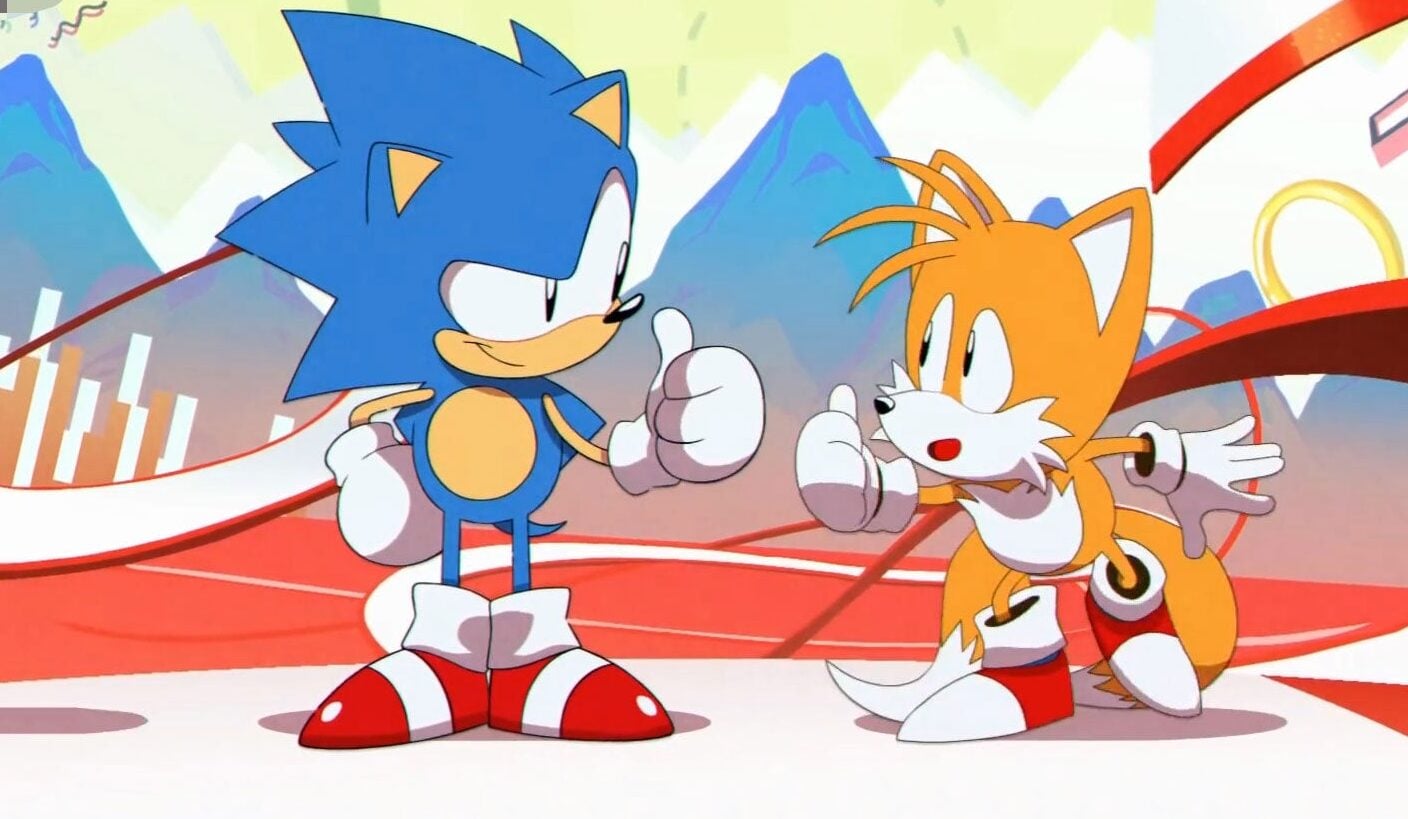
The Making of Sonic Mania: A Deep Dive into Sonic's Perfect 2D Revival
In 2017, as the iconic blue hedgehog, Sonic, celebrated his 35th anniversary, something truly special happened. Sega, the company behind Sonic, brought out a new game that felt both fresh and incredibly familiar: Sonic Mania. This game wasn't just another entry in the long-running series; it was a loving tribute, a passion project, and a masterful return to Sonic's 2D roots, captivating both long-time fans and new players alike. But what went into making this highly praised game? How did Sega manage to capture the magic of the original 16-bit era while also introducing exciting new ideas? Let's explore the fascinating story behind the development of Sonic Mania, a game that redefined what a modern classic could be.
For years, many fans had wished for a return to the classic 2D gameplay that made Sonic famous on the Sega Genesis. While the series had ventured into 3D with varying success, there was a strong desire for the pixel-perfect precision, fast-paced platforming, and catchy tunes of the early games. This sentiment grew stronger over time, creating a unique opportunity for Sega to listen to its community and deliver exactly what they wanted. Sonic Mania emerged as the answer, not just celebrating an anniversary, but also honoring the very essence of what makes Sonic special.
The Genesis of a Dream: How Sonic Mania Came to Be
The story of Sonic Mania doesn't start with a big corporate meeting at Sega's headquarters. Instead, it begins with the dedication of a few talented fans. Christian Whitehead, known online as 'Taxman,' was a programmer who had already earned Sega's trust. He had previously developed the "Retro Engine," a custom game engine that allowed him to create enhanced remakes of classic Sonic games like Sonic CD (2011) and the mobile versions of Sonic the Hedgehog (2013) and Sonic the Hedgehog 2 (2013). These remakes were praised for their faithfulness to the originals, along with clever improvements and new features, showing that Whitehead understood the core appeal of classic Sonic gameplay.
Whitehead's work demonstrated that it was possible to recreate the authentic feel of the Genesis games, even on modern platforms, and perhaps even build upon them. His passion and technical skill caught the eye of Sega producer Kazuyuki Hoshino and brand manager Aaron Webber. They saw the potential in bringing someone with such a deep understanding of the franchise's roots into an official project. The idea was simple yet revolutionary: what if Sega empowered a fan developer to create a brand-new classic 2D Sonic game?
This decision marked a significant shift for Sega. Instead of relying solely on internal teams, they embraced external talent and the vibrant fan community. It was a risky move, but one that ultimately paid off handsomely, allowing for a level of authentic passion that might have been difficult to achieve otherwise. The goal was clear: create a game that felt like a lost title from the Sega Saturn era, a direct sequel to the beloved Genesis games, but with modern polish.
A Dream Team: The Talents Behind the Pixels
Christian Whitehead couldn't build Sonic Mania alone. Sega helped assemble a remarkable team of developers, many of whom had also been active in the Sonic fan game community. This collection of talent brought together different strengths, ensuring every aspect of the game was handled with expert care:
- Christian Whitehead (Taxman): The mastermind behind the Retro Engine and lead programmer, ensuring the game felt just right.
- Simon Thomley (Stealth) from Headcannon: A renowned fan game developer who brought incredible level design expertise, particularly in creating new zones and re-imagining classic ones. His deep knowledge of Sonic's physics and movement was crucial.
- PagodaWest Games: Responsible for much of the stunning pixel art and animation. Their artists breathed life into every sprite, background, and visual effect, crafting an aesthetic that honored the 16-bit era while pushing its boundaries.
- Tee Lopes: The brilliant composer who created the unforgettable soundtrack. His ability to blend iconic Sonic sounds with fresh, energetic compositions was key to the game's identity.
- Tom Fry and Jared Kasl: Key artists who contributed significantly to the game's visual style and character animations.
This decentralized team, working remotely across different continents, was a testament to modern game development. Communication and collaboration were essential, and the shared love for Sonic acted as a powerful unifying force. The project truly felt like a labor of love, driven by people who genuinely wanted to make the best classic Sonic game possible.
Revisiting Classic Zones and Crafting New Wonders
One of Sonic Mania's greatest strengths lies in its clever mix of old and new. The game features remixed versions of classic zones from Sonic the Hedgehog, Sonic the Hedgehog 2, Sonic CD, and Sonic the Hedgehog 3 & Knuckles. But these weren't simple copy-and-paste jobs. Each returning zone, like Green Hill Zone, Chemical Plant Zone, or Stardust Speedway, was given a fresh twist.
The developers approached these classic levels by introducing a "second Act" that dramatically changed the layout, added new gimmicks, and threw in unexpected challenges. For instance, Chemical Plant Zone Act 2 introduced bouncy goo and massive syringes that could propel Sonic through the level, completely transforming the experience. This approach kept the nostalgia factor high while ensuring that even veteran players found something new and exciting to discover.
Alongside these brilliant remixes, Sonic Mania introduced entirely new zones that quickly became fan favorites. Levels like Studiopolis Zone, Mirage Saloon Zone, Press Garden Zone, and Titanic Monarch Zone showcased incredible creativity in level design, visuals, and music. Studiopolis, with its vibrant TV studio theme, pop-up cameras, and satellite dishes, felt like a lost level from the Genesis era, brimming with charm and inventive mechanics. Mirage Saloon offered desert vistas and unique platforming challenges, while Press Garden immersed players in a lush, paper-themed printing press. The final level, Titanic Monarch, provided an epic, multi-stage climax.
The level design philosophy was meticulously crafted to balance speed and exploration. Players could blast through levels at breakneck speed, but hidden pathways, alternative routes, and secret collectibles rewarded those who took the time to explore. A new mechanic, the "Drop Dash," was also introduced, allowing players to instantly boost into a roll upon landing after a jump, further enhancing the flow and speed of gameplay. This small but significant addition became an instant classic, feeling completely at home within Sonic's moveset.
The Art Style: Pixel-Perfect Precision
The visual appeal of Sonic Mania is undeniable. The game masterfully recreates the iconic pixel art style of the Sega Genesis, but with a modern flair. While staying true to the limited color palettes and sprite-based graphics of the 16-bit era, the developers pushed the boundaries with higher resolution sprites, more detailed animations, and dynamic visual effects that simply weren't possible on older hardware.
Every sprite, from Sonic's confident stance to Knuckles' powerful punches and Tails' iconic flight, was lovingly crafted with incredible attention to detail. The backgrounds are vibrant and alive, often featuring multiple layers of parallax scrolling that create a stunning sense of depth and speed. From the flickering neon lights of Studiopolis to the swirling leaves in Press Garden, the environments are packed with personality and visual storytelling.
This commitment to authentic pixel art, combined with subtle modern enhancements, ensured that Sonic Mania looked exactly how fans remembered the classic games looking, even if their memories were a little rose-tinted. It was a perfect blend of nostalgia and technical refinement, a visual feast that celebrated the history of pixel art in games.
The Soundtrack: A Symphony of Speed and Nostalgia
No classic Sonic game is complete without an incredible soundtrack, and Sonic Mania delivers on this front spectacularly. Tee Lopes, the game's primary composer, created a score that is nothing short of a masterpiece. His music perfectly captures the energetic, adventurous spirit of the original games while introducing fresh, memorable melodies.
Lopes's talent lies in his ability to blend classic Genesis-style synth sounds with modern production techniques. He crafted original tracks for the new zones that immediately became fan favorites, such as the funky beats of Studiopolis Zone, the adventurous tones of Mirage Saloon Zone, and the majestic theme of Titanic Monarch Zone. These new compositions feel like natural extensions of the classic Sonic sound, full of hooks and driving rhythms that perfectly complement the fast-paced gameplay.
Equally impressive are his remixes of classic zone themes. He managed to take beloved tracks and infuse them with new energy, often adding unexpected breakdowns, instrumental flourishes, and expanded arrangements that made them feel both familiar and brand new. The soundtrack is not just background music; it's an integral part of the Sonic Mania experience, elevating every jump, spin, and dash with its infectious energy. The music is so beloved that many fans consider it one of the best video game soundtracks of its generation.
Celebrating Sonic's 35th Anniversary: The Perfect Tribute
Sonic Mania was released during Sonic the Hedgehog's 35th anniversary year, making it much more than just a new game; it was a celebratory event. For years, the Sonic franchise had struggled to consistently capture the critical acclaim of its early days, particularly with its 3D entries. Fans often debated which direction the series should take, and the classic 2D games remained a nostalgic touchstone.
Sonic Mania served as the ultimate anniversary gift to fans. It acknowledged the rich history of the franchise, paid homage to its most beloved era, and proved that the classic 2D formula was still incredibly potent and fun. By entrusting the project to passionate fan developers, Sega demonstrated a willingness to listen to its community and embrace their insights.
The game wasn't just a nostalgic trip; it was a statement. It showed that Sonic's core appeal – speed, exploration, and vibrant worlds – could be successfully reinterpreted for a modern audience without sacrificing its retro charm. It bridged the gap between different generations of Sonic fans, giving older players the authentic experience they craved and introducing newer players to the magic of classic 2D platforming in a fresh, exciting way.
Challenges and Triumphs of Development
Developing Sonic Mania was not without its hurdles. The team was spread across the globe, requiring constant communication and coordination. Building a game that needed to feel exactly like a classic while also offering new elements demanded incredible precision and a deep understanding of Sonic's intricate physics.
There was also the pressure of fan expectations. Reviving such a beloved part of a major franchise meant that every detail would be scrutinized. The developers had to balance their creative vision with Sega's brand guidelines and the high standards set by the original games. However, the collaborative spirit and shared passion within the team, combined with Sega's trust in their expertise, allowed them to overcome these challenges.
The triumph came with the game's release. Sonic Mania was met with overwhelming critical acclaim, often hailed as one of the best Sonic games in decades. Reviewers praised its faithful recreation of classic gameplay, its inventive level design, fantastic art style, and stellar soundtrack. Fans showered it with adoration, celebrating it as the perfect return to form for the blue blur. This success validated Sega's unconventional development strategy and the hard work of the entire team.
The Impact and Enduring Legacy of Sonic Mania
The success of Sonic Mania had a profound impact on the Sonic franchise. It demonstrated that there was a massive demand for high-quality 2D Sonic games and that the classic formula still held immense appeal. It revitalized interest in the series' roots and encouraged Sega to continue exploring classic-style games. Its commercial success proved that the market was ripe for this kind of experience.
Following its initial release, Sonic Mania received an expansion titled Sonic Mania Plus (also known as Sonic Mania Encore). This DLC added two beloved characters from Sonic's history, Mighty the Armadillo and Ray the Flying Squirrel, each with unique abilities that offered new ways to play through the existing levels. It also introduced an "Encore Mode" with remixed level layouts and a new "Competition Mode" for multiplayer fun. This expansion further cemented Sonic Mania's status as a complete and essential package for any Sonic fan.
Sonic Mania's influence can be seen in subsequent Sonic titles, such as Sonic Superstars (2023), which aimed to capture a similar 2D classic feel but in a 2.5D graphical style. It proved that empowering passionate creators, even if they come from the fan community, can lead to incredible results and breathe new life into established franchises.
Looking Ahead: The Future of 2D Sonic
Sonic Mania set a new benchmark for 2D platformers and for the Sonic series itself. It showed that innovation doesn't always mean abandoning tradition, but rather understanding it deeply and building upon it with respect and creativity. The game's enduring popularity and critical success continue to spark discussions about the future of 2D Sonic.
Fans eagerly await what might come next in the classic style, hoping that the lessons learned from Mania's development will continue to shape future projects. Whether it's another collaboration with fan developers or an internal project inspired by Mania's triumphs, one thing is clear: the spirit of classic 2D Sonic is alive and well, largely thanks to the incredible effort and love poured into Sonic Mania.
Conclusion: A Labor of Love, A Timeless Classic
Sonic Mania is more than just a video game; it's a testament to the power of passion, community, and creative collaboration. From its origins as a fan project to its official release as Sega's perfect 35th-anniversary tribute, every aspect of its development was imbued with a deep understanding and love for the blue blur. Its stunning pixel art, exhilarating level design, and unforgettable soundtrack came together to create an experience that not only paid homage to the past but also set a new standard for the future of 2D platforming.
By bringing together talented individuals who understood the very essence of what makes Sonic special, Sega delivered a game that resonated deeply with fans around the world. Sonic Mania stands as a shining example of how a franchise can successfully revisit its roots, proving that true classics never truly fade away; they just wait for the right team to bring them back to life, faster and more vibrant than ever before. It remains a timeless classic, a celebration of Sonic's legacy, and a beacon of hope for what the series can achieve when it truly embraces its heritage.
from Kotaku
-via DynaSage
