
Hideo Kojima Finds It Really Sad That Sony Is Killing PlayStation Game Discs
Hideo Kojima's Urgent Warning: The Future of Our Digital Legacy and the Vanishing World of Physical Media
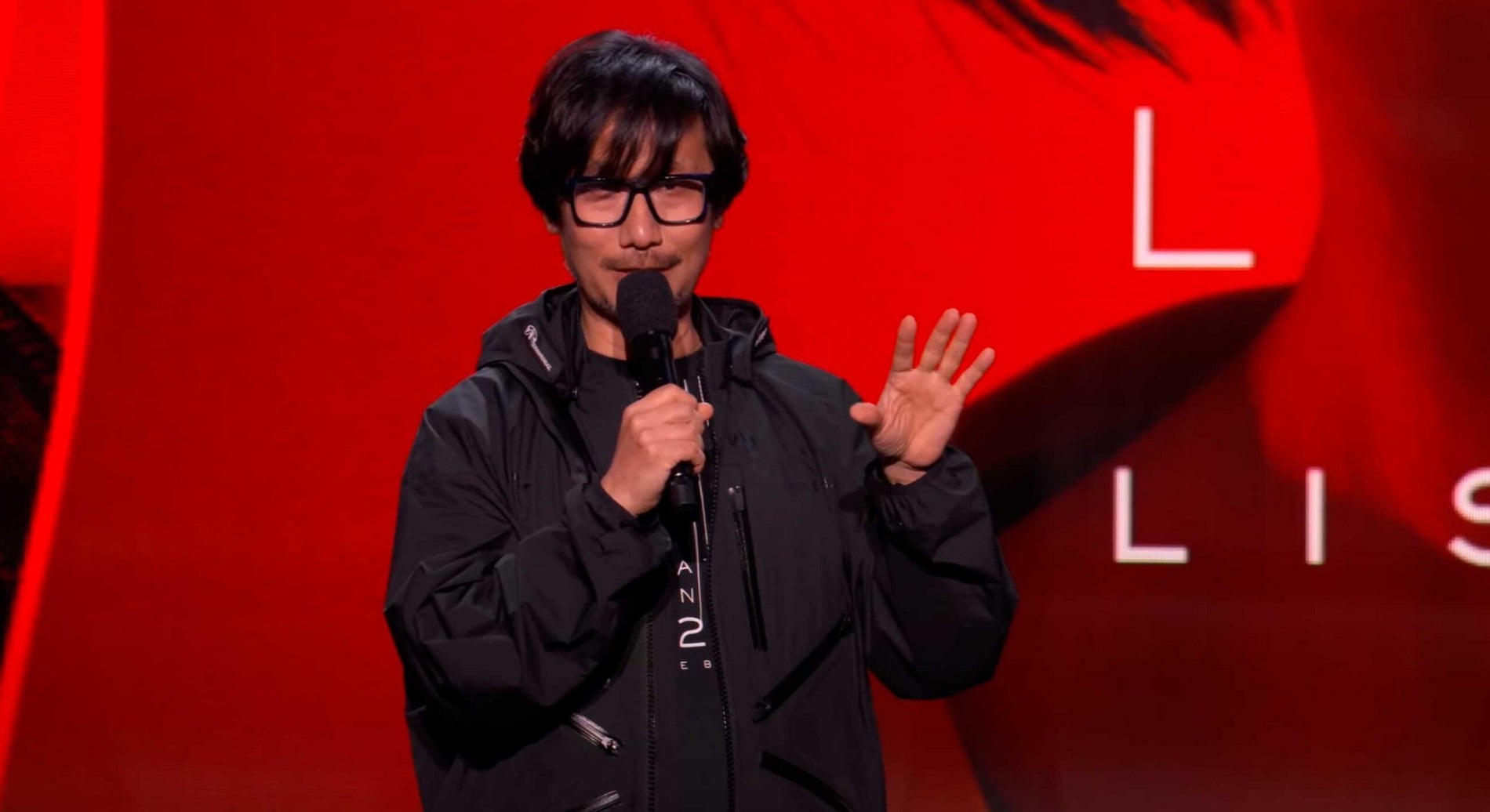
In a world increasingly dominated by digital downloads, streaming services, and cloud storage, a concerning voice has emerged from the world of video games. Hideo Kojima, the visionary director behind iconic titles like "Metal Gear Solid" and the upcoming "Death Stranding 2," has issued a stark warning about the potential dangers of a future completely devoid of physical media. His concern is not just a nostalgic longing for simpler times, but a profound reflection on what we stand to lose as a society if we completely abandon tangible forms of entertainment and information.
Kojima's statement touches upon a crucial debate that has been simmering for years: the balance between the convenience of digital content and the enduring value of physical items. While digital distribution offers instant access and seemingly endless choices, it also raises fundamental questions about ownership, preservation, and the very nature of cultural heritage. Understanding Kojima's warning requires us to delve into what physical media truly represents and what a world without it might entail.
The Tangible vs. The Ephemeral: What is Physical Media?
When we talk about physical media, we're referring to any form of entertainment or information that you can physically hold in your hands. This includes a vast array of formats that have evolved over decades: vinyl records, cassette tapes, CDs, VHS tapes, DVDs, Blu-ray discs, game cartridges, floppy disks, books, and magazines. These items are distinct because they exist independently of a server or a continuous internet connection. They are objects that can be bought, sold, traded, lent, and most importantly, truly owned.
For decades, physical media was the only way to consume media. If you wanted to watch a movie, you rented a VHS or bought a DVD. If you wanted to play a game, you inserted a cartridge or a disc. This created a culture of collecting, of browsing shelves in stores, and of experiencing the artwork and accompanying materials that often came with these physical packages. The act of engaging with media was a multi-sensory experience, involving not just the content itself but the physical object that housed it.
Hideo Kojima's Vision: A Director's Concern for Preservation
Hideo Kojima is renowned not only for his groundbreaking video games but also for his deep appreciation of cinema and other art forms. His games are often cinematic in scope, with complex narratives, rich characters, and a strong emphasis on atmosphere and world-building. For a creator with such a profound connection to storytelling and artistic expression, the idea of cultural works disappearing or becoming inaccessible is a deeply personal and professional concern.
The Love for Cinema and Its Tangible Form
Kojima has frequently spoken about his love for movies. He is known to be an avid film collector, possessing a vast personal library of physical films. This passion highlights a key aspect of his warning: the value of a film, a game, or any piece of art is often tied to its permanence. A physical movie collection is a testament to cinematic history, a personal archive that can be revisited at any time, regardless of whether a streaming service decides to remove a title or a digital storefront closes down.
Imagine a scenario where your favorite classic film is suddenly unavailable to stream because licensing rights expired, or the platform you used to buy it no longer exists. If you own the Blu-ray, this isn't an issue. You simply put the disc in and watch it. For Kojima, this security of access is paramount. He understands that art, once created, should be a lasting legacy, not a transient commodity subject to the whims of digital distributors.
From Games to Art: The Universal Threat
Kojima's warning, while stemming from his experience as a game director, extends beyond just video games. It encompasses all forms of media – music, books, films. The underlying fear is the potential loss of cultural memory. If all media becomes purely digital, and access to that digital media is controlled by third-party companies, then those companies effectively become the gatekeepers of our shared cultural history. They can decide what remains available, what is altered, and what disappears entirely. This centralized control over art and information poses a significant threat to artistic freedom, historical record-keeping, and public access to knowledge.
The Allure of Physical Media: Why We Hold On
Despite the undeniable convenience of digital media, many consumers and creators continue to advocate for physical formats. There are several compelling reasons why physical media holds a unique and irreplaceable value.
True Ownership and Control
Perhaps the most significant argument for physical media is the concept of true ownership. When you buy a physical game disc or a movie Blu-ray, you own that specific copy. You can keep it forever, even if the company that made it goes out of business or decides to stop supporting it. You can lend it to a friend, sell it, or pass it down to future generations. This is a stark contrast to digital purchases, which are often licenses to access content, not outright ownership. If a digital storefront closes or your account is terminated, your access to "purchased" content can vanish overnight.
The Joy of Collecting and Display
For many, physical media offers a tangible joy that digital files simply cannot replicate. Building a collection of games, movies, or books is a hobby in itself. The artwork on the covers, the weight of a book, the feel of a vinyl record – these sensory experiences enhance the overall enjoyment. A bookshelf filled with beloved titles, a display cabinet showcasing rare game editions, or a wall adorned with album covers contributes to a sense of personal curation and pride. These collections often reflect a person's identity and passions, serving as conversation starters and cherished possessions.
Preservation for Future Generations
Physical media plays a critical role in preserving our cultural heritage. Archives, libraries, and museums rely on physical copies to maintain historical records of films, music, and games. These physical artifacts can be accessed and studied years, or even decades, after their initial release, providing invaluable insights into past eras. Digital content, without careful and continuous migration to new formats, is surprisingly fragile and susceptible to "digital rot" – the phenomenon where files become unreadable over time due to outdated software or hardware, or simply because the servers hosting them are shut down.
A Sense of History and Authenticity
Each physical item carries a story. A well-worn game cartridge might evoke memories of childhood. A signed album cover adds a layer of personal connection to an artist. Physical media often includes supplementary materials like art books, instruction manuals, or behind-the-scenes content that enriches the primary work. These elements provide context, deepen appreciation, and offer a more complete historical record of the creative process. In a purely digital world, such extras are often stripped away or presented in a less engaging format.
The Double-Edged Sword of Digital: Convenience vs. Consequence
The shift towards digital media has been driven by undeniable advantages: convenience, accessibility, and often lower production costs. However, these benefits come with a significant set of drawbacks that Hideo Kojima and others are rightly concerned about.
The Illusion of Ownership
As mentioned, a digital purchase is rarely an actual purchase of the content itself. Instead, it's typically a license to access that content under specific terms and conditions. This means the digital distributor retains ultimate control. They can revoke access, alter the content (e.g., removing scenes from films, censoring language in books), or even shut down the service entirely, making your "purchased" items inaccessible. The recent trend of companies removing content that users "bought" is a chilling reminder of this vulnerability, illustrating that in the digital realm, you're merely a tenant, not an owner.
The Peril of Server Shutdowns and Digital Rot
Digital content is intrinsically tied to servers and specific technological ecosystems. When a company decides to shut down the servers for an old game, or when a digital storefront goes defunct, all the content tied to it can become inaccessible. This has already happened with numerous games and even movies that were exclusively available digitally. Furthermore, digital files themselves are not immortal. They require ongoing maintenance, migration to new formats, and compatible hardware/software to remain readable. Without dedicated efforts, much of our early digital heritage could simply vanish.
DRM and Content Control
Digital Rights Management (DRM) is technology designed to control how digital content can be used, copied, and accessed. While intended to prevent piracy, DRM can often act as a barrier to legitimate consumers. It can restrict lending, sharing, or even playing content on certain devices. This level of control gives publishers immense power over the lifecycle of a product, potentially dictating when and how long you can enjoy something you've "bought." This contrasts sharply with physical media, which, once purchased, generally allows for unrestricted personal use.
Dependence on Internet Connectivity
While less of an issue for offline content, many digital media experiences require a constant internet connection for authentication, updates, or even to stream the content itself. This creates a dependency that can be problematic in areas with unreliable internet access or during outages. Physical media, once installed or loaded, often provides a fully self-contained experience, free from network interruptions.
Game Preservation: A Race Against Time
The video game industry, being relatively young compared to film or literature, faces unique and urgent challenges in terms of preservation. Many early games were released on formats that are now obsolete, and even modern digital-only games present significant hurdles.
The Challenges of Digital-Only Games
A growing number of games are released exclusively in digital format, without any physical counterpart. When the storefronts that host these games eventually close, or when publishers decide to delist them, these games can become entirely unavailable. This phenomenon, often referred to as "digital delisting," means entire works of art and entertainment can be lost to time. Without a physical copy, there's no backup, no independent artifact to fall back on. This is especially problematic for smaller indie games or experimental titles that might only ever exist digitally.
Emulation and Its Limitations
Emulation – the process of running software designed for one system on another – is often touted as a solution for game preservation. While valuable, emulation is not a perfect answer. It requires significant effort to develop and maintain emulators, and it doesn't always perfectly replicate the original experience. Legal grey areas surrounding ROMs (digital copies of game cartridges/discs) further complicate matters. Moreover, if a game was only ever released digitally, and its servers are gone, creating an archival copy for emulation can be incredibly difficult, if not impossible.
The Role of Libraries and Archives
Just as libraries collect books and films, there's a growing movement for libraries and archives to collect and preserve video games. However, this is far more challenging with digital-only releases. Libraries need to contend with licensing restrictions, DRM, and the ever-changing technical requirements of digital software. Physical copies, though susceptible to degradation over time, offer a much more straightforward path to long-term archiving and access. They are self-contained units that don't rely on external servers or complex authentication systems.
The Cultural Impact: Losing Our Collective Memory
Hideo Kojima's warning resonates deeply because it touches upon the very fabric of our culture. Art, in all its forms, is a reflection of its time. It tells us about who we were, what we valued, and how we imagined the future. If vast swathes of our digital media become inaccessible, we risk losing significant pieces of our collective memory.
Imagine a future where historians struggle to study early 21st-century popular culture because the games, films, and music of that era were predominantly digital and have since vanished from accessible platforms. It would be akin to having vast libraries of ancient texts disappear, leaving critical gaps in our understanding of human history. The digital age, for all its advancements, poses a unique challenge to historical continuity and cultural permanence.
Finding a Balance: A Hybrid Future?
It's unlikely that physical media will ever entirely disappear, particularly for niche markets, collectors, and those who prioritize ownership. However, the trajectory is clearly towards greater digital adoption. The challenge, then, is to find a sustainable balance that harnesses the convenience of digital while safeguarding the principles of preservation and ownership that physical media offers.
One potential solution could be a hybrid model where digital purchases come with robust, permanent access guarantees, perhaps even the option to download an offline-capable, DRM-free version of the content. Another approach could involve more proactive efforts by publishers and platform holders to archive their past works, ensuring that even delisted titles remain accessible to libraries, researchers, and dedicated fans through legitimate means.
There's also a growing call for "digital ownership" to be legally redefined to grant consumers more rights over their purchased digital content, making it truly equivalent to owning a physical item. This would involve legal frameworks that protect consumers from sudden content removal or account termination without proper recourse.
What Can We Do? Consumers, Creators, and Companies
Hideo Kojima's warning is not just a lament but a call to action for everyone involved in the creation and consumption of media.
For Consumers: We can continue to support physical media when it's available, especially for titles we deeply cherish. We can advocate for stronger consumer rights regarding digital purchases and demand greater transparency from digital platforms about their content retention policies. Spreading awareness about the importance of preservation is also key.
For Creators: Developers, directors, musicians, and authors have a vital role in ensuring their legacies endure. This might involve pushing for physical releases, exploring open-source approaches for older titles, or working with archival institutions to ensure their work is preserved. They can also advocate for business models that prioritize permanence over fleeting digital access.
For Companies: Publishers, distributors, and platform holders bear the greatest responsibility. They should implement robust archiving strategies for their digital libraries, explore models that grant true ownership to consumers, and consider partnering with cultural institutions for long-term preservation. A forward-thinking approach would involve building sustainable digital ecosystems that prioritize the longevity of content, rather than solely focusing on immediate revenue generation. This also means being transparent about what "buying" digital content actually entails and offering clear pathways for consumers if content is removed.
Conclusion: A Call to Action for Our Digital Age
Hideo Kojima's warning about a world without physical media is a timely and critical one. It forces us to confront uncomfortable truths about the ephemeral nature of digital content and the potential loss of our shared cultural heritage. While the convenience of digital is undeniable, we must not sacrifice the foundational principles of ownership, accessibility, and preservation in its pursuit.
The future of media doesn't have to be a stark choice between physical and digital. Instead, it should be a thoughtful integration of both, where the benefits of each are maximized and their weaknesses mitigated. By understanding the value of physical media, advocating for stronger consumer rights in the digital realm, and demanding greater responsibility from companies, we can work towards a future where our stories, our games, our films, and our music remain accessible for generations to come. Kojima's concern is a powerful reminder that some things are too precious to be left entirely to the cloud.
from Kotaku
-via DynaSage
