
Final Fantasy 7 Rebirth Fans Are Still Being Terrorized By Glitched Chocobos Two Years Later
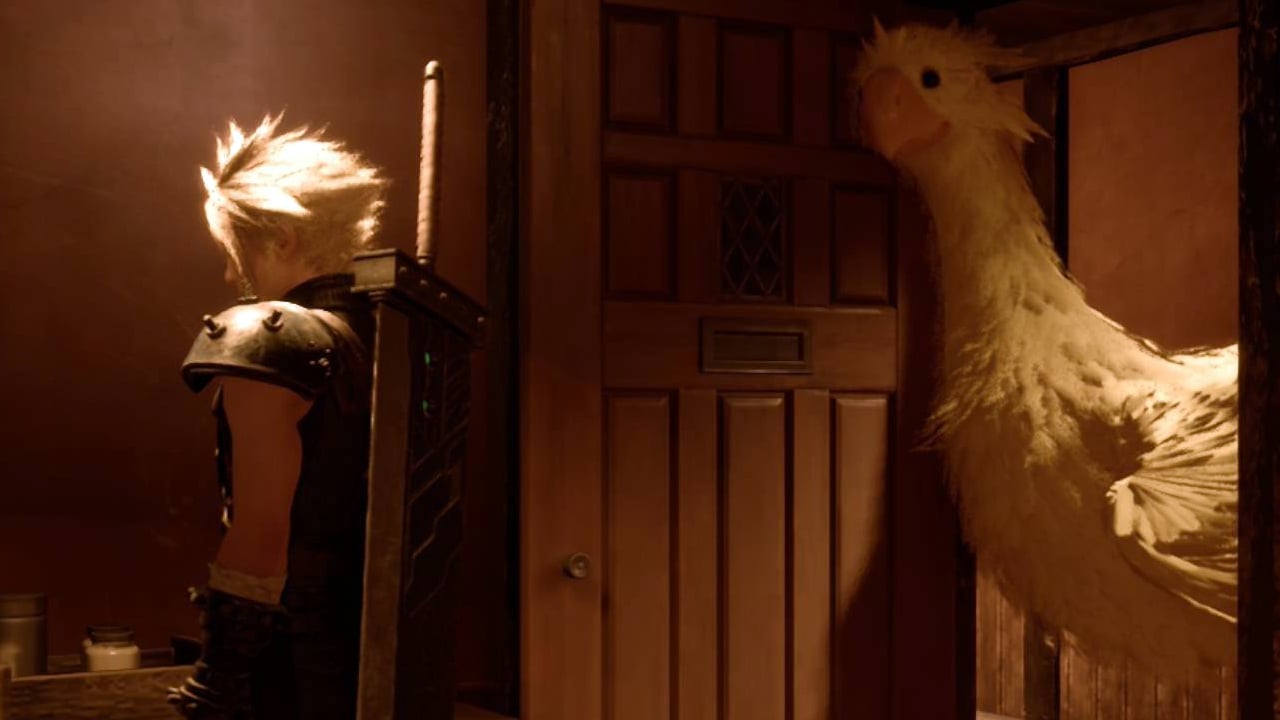
My Feathery Friend: A Heartfelt Plea to Square Enix – Please Don't Patch Out Flicker!
In the vast, intricate worlds crafted by game developers, sometimes the most cherished features aren't the grand quests or epic boss battles, but the small, unexpected moments that capture our hearts. These moments can often be completely unintended, born from a quirk in the code or a graphical hiccup. For many players of Square Enix's latest masterpiece, Aethelgard's Legacy, that moment came in the form of a tiny, persistent, and utterly charming "feathery friend" we've affectionately named Flicker. As the developers prepare for upcoming patches, a growing anxiety spreads through the community: will Flicker be "fixed" out of existence? Our collective hope, and this impassioned plea, is that Square Enix recognizes the unique joy this little glitch brings and allows Flicker to remain a permanent, albeit accidental, part of our journey.
Aethelgard's Legacy launched to critical acclaim, hailed for its sprawling open world, deep character customization, and an emotionally resonant storyline. Players quickly immersed themselves in its rich lore, exploring ancient ruins and battling mythical beasts. Yet, amidst all the meticulously designed content, a peculiar sight began to appear for some players: a small, translucent, bird-like creature, seemingly made of light and errant particle effects, that would occasionally materialize near their character. It didn't interact with the world, couldn't be targeted, and offered no practical benefit. It simply... was. And it was adorable.
The Curious Case of Flicker: Our Unintended Companion
Imagine this: you're traversing a desolate mountain pass in Aethelgard, the wind howling around your character, a sense of solitude enveloping you. Suddenly, a flicker of light – a tiny, spectral bird, shimmering with an ethereal glow – zips into view, circles your head once, and then hovers gently beside you as you continue your journey. This is Flicker. Its appearance is entirely random, seemingly tied to specific environmental triggers or perhaps even just an overloaded particle renderer, but once it manifests, it often stays for extended periods, a silent, ephemeral companion. It's a bug, no doubt about it. A graphical anomaly, a stray texture, or a particle effect that never quite despawned correctly. But what started as a head-scratching glitch quickly evolved into something much more profound for the players.
Early discussions on forums and social media were filled with confusion. "Is this a secret pet?" "Did I miss a quest that gives me a spirit animal?" Players shared screenshots, trying to decipher its origins. Some speculated it was an Easter egg, a hidden nod from the developers. Others, more technically inclined, quickly identified it as a visual bug. Yet, instead of being annoyed by a graphical imperfection, players found themselves drawn to Flicker's unexpected charm. Its silent presence, its whimsical flight patterns, and its harmless nature meant it didn't detract from the gameplay; it added to it. It became a tiny, magical anomaly in an otherwise perfectly crafted world, a little piece of digital serendipity that made Aethelgard's Legacy feel even more alive and mysterious.
Flicker's design, if one can call an unintended glitch a "design," is remarkably endearing. It resembles a hummingbird or a small sparrow, but its body is composed of shimmering, shifting light, giving it a ghost-like quality. Sometimes it has faint, feathery details; other times, it's just a blob of glowing pixels. This inconsistency only adds to its mystique, making each encounter feel unique. It doesn't chirp, doesn't land, doesn't cast a shadow. It simply floats, a persistent little spark of life beside your character, a silent witness to your grand adventures. Its existence is a delightful paradox, a technical flaw that has somehow transcended its origin to become a beloved element of the game's atmosphere.
More Than Just a Bug: A Community Phenomenon
The gaming community is a powerful force, capable of turning an obscure detail into a global phenomenon. Flicker is a prime example of this collective magic. What began as individual player observations quickly blossomed into a widespread community movement. Players started sharing their "Flicker sightings" with fervor, posting screenshots and video clips on platforms like Reddit, Twitter, and dedicated fan sites. Hashtags like #SaveFlicker and #MyFeatheryFriend began to trend. Fan art emerged, depicting players' avatars alongside their glowing, avian companions. Creative writers penned short stories about their bond with Flicker, imagining its origins and purpose.
The discussions surrounding Flicker fostered a unique sense of camaraderie among players. It became an inside joke, a shared secret that only those who had experienced its presence could truly understand. "Have you seen your Flicker today?" became a common greeting in game chats. Players who hadn't encountered Flicker yet expressed a longing to do so, treating it like a rare in-game achievement. This little bug, an oversight in the code, inadvertently created a vibrant subculture within the Aethelgard's Legacy community. It was a testament to how even the smallest, most insignificant details can resonate deeply when they strike the right chord with players, adding unexpected layers of charm and personality to a game that was already rich with them.
This community-driven affection for Flicker highlights a crucial aspect of modern gaming: players don't just consume content; they inhabit and shape their experiences. When a game offers an unexpected element, especially one that fosters connection and joy, players embrace it, making it their own. Flicker became a mascot, a symbol of the game's enchanting imperfections. It brought smiles, sparked creativity, and united players in their shared appreciation for this unintended digital friend. This organic evolution from glitch to beloved feature is a powerful indicator of its value, not just as a piece of code, but as an integral part of the player experience. It showcases how sometimes, the most memorable parts of a game are not the carefully planned ones, but those that emerge spontaneously from the intricate dance between code and imagination.
Why We've Grown So Attached to Flicker
One might wonder why a non-interactive, purely visual glitch could inspire such strong feelings. The answer lies in the deep emotional connection players form with their digital worlds and the characters within them. In vast open-world RPGs like Aethelgard's Legacy, players often spend hundreds of hours exploring solo. Even with complex narratives and engaging side quests, the journey can sometimes feel solitary. Flicker, though silent and intangible, provides a sense of companionship. It’s a constant, unobtrusive presence that makes the world feel a little less lonely, a little more magical.
Furthermore, Flicker represents the charm of imperfection. In an era where games are often expected to be flawless, polished to a mirror sheen, Flicker is a gentle reminder that software is created by humans. It’s a lovable quirk, a testament to the complex, sometimes unpredictable nature of game development. This imperfection is not a detriment; it’s an endearing characteristic that makes the game feel more authentic and less sterile. It’s like finding a small, unique flaw in a handmade artifact that only adds to its character and value. For many, Flicker symbolizes the early days of Aethelgard's Legacy, a unique badge of honor for those who experienced its initial, slightly unpolished, yet incredibly charming release.
Beyond companionship and charm, Flicker also offers a unique sense of discovery. Each time it appears, it feels like a small, personal moment, a secret shared between the player and the game. It’s not something you’re told about in a tutorial or rewarded for completing a quest. It just happens, a spontaneous burst of wonder. This element of surprise and personal connection makes Flicker feel incredibly special. It’s not just a bug; it’s a living, breathing part of the game’s mystique that players have collectively nurtured and cherished. Its very existence, unexpected and delightful, enriches the immersive experience of Aethelgard's Legacy in ways that planned content often struggles to achieve. It demonstrates how a small, accidental detail can profoundly impact player engagement and emotional investment, transforming a simple glitch into a cherished memory.
The Looming Threat of the Patch Notes
The life cycle of a modern video game inevitably includes updates and patches. These are crucial for fixing game-breaking bugs, balancing gameplay, and introducing new content. Developers diligently work to refine their creations, addressing issues reported by players and striving for the perfect, intended experience. However, for a community deeply attached to an unintended feature like Flicker, the arrival of patch notes becomes a source of dread rather than excitement. Each update brings the terrifying possibility that "Flicker.exe" will be identified, targeted, and mercilessly "fixed" out of existence.
We understand that developers at Square Enix have a responsibility to maintain the integrity and stability of their games. Bugs, by their very definition, are unintended flaws that can sometimes lead to crashes, exploits, or simply detract from the player experience. From a purely technical standpoint, Flicker is indeed a bug. It’s a resource being used for an unplanned visual effect, a stray bit of code that isn’t serving its original purpose. Logically, it should be removed. But gaming, at its heart, is an emotional and experiential medium, not just a technical one. The logical decision to fix a bug doesn't always align with the emotional impact its removal might have on the player base.
The history of gaming is littered with examples of beloved quirks and glitches that were eventually patched out, much to the chagrin of players. Whether it was a specific movement exploit that allowed for creative speedruns, a humorous visual bug that added character to an NPC, or a peculiar interaction that became a community meme, their removal often leaves a void. Players remember these small, unique elements fondly, and their absence can feel like a part of the game's history has been erased. The fear is that Flicker, our gentle, glowing companion, will suffer the same fate, becoming just another line in a long list of "minor bug fixes" that erase a major source of joy for a significant portion of the community. This apprehension underscores the delicate balance developers must strike between technical perfection and the sometimes unpredictable, yet deeply cherished, emergent experiences that arise within their games.
A Call for Preservation: Why Some Bugs Deserve to Stay
Not all bugs are created equal. There's a fundamental difference between a game-breaking bug that corrupts save files, prevents progress, or allows for unfair advantages, and a harmless visual quirk like Flicker. The former demands immediate attention and resolution for the health of the game. The latter, however, falls into a unique category: the "charming bug." These are imperfections that, rather than detracting from the experience, actually enhance it, adding personality and a touch of the unexpected. Flicker is unequivocally in this second category. It doesn't break quests, doesn't crash the game, and doesn't give anyone an advantage. It simply exists, a silent, beautiful anomaly.
This is where developer consideration and community feedback become paramount. The modern approach to game development often emphasizes agile iteration and continuous improvement, but it should also include listening to the passionate voices of the player base. When a community rallies around a specific "bug" with such widespread affection, it indicates that this "bug" has transcended its technical definition and become a valuable, albeit unintended, feature. It’s not just players asking for laziness in bug fixing; it’s a plea to preserve something that genuinely enriches their experience.
There are creative solutions for dealing with beloved glitches. Instead of outright removal, developers could consider making Flicker an optional toggle in the game settings, allowing players to decide if they want their feathery friend by their side. Or, perhaps, it could be "canonized" in a future update, officially recognized as a benevolent spirit of Aethelgard, accessible through an Easter egg quest or a hidden collectible. Such an approach would honor the community's attachment while still allowing for the technical cleanup of the original bug. It would demonstrate Square Enix's understanding of its player base and its willingness to embrace the serendipitous magic that can sometimes emerge within their meticulously crafted worlds. Preserving Flicker, in some form, would be a testament to the idea that games are not just products, but living, evolving experiences shaped by both creators and players, a collaborative narrative where even accidental wonders find their rightful place.
The Legacy of Accidental Wonders in Gaming
Flicker is not an isolated incident in the grand tapestry of video game history. Time and again, players have discovered and fallen in love with unintended features, glitches, or quirks that became iconic parts of their favorite games. Think of the "super jumps" in early *Halo* games, which were originally physics exploits but became integral to competitive play and map exploration. Or the myriad humorous physics glitches in games like *The Elder Scrolls V: Skyrim* or *Red Dead Redemption 2*, where objects and characters might behave erratically, leading to laugh-out-loud moments that are shared and celebrated. These weren't intended features, but they added layers of charm, humor, and unexpected depth to the player experience.
These accidental wonders often create lasting memories that are just as powerful, if not more so, than the planned content. They foster a sense of shared history and unique ownership among players. The early days of *Minecraft*, for instance, were rich with unintended behaviors that contributed to its mystique and charm before being standardized. The discovery of a strange bug could lead to hours of experimentation, community discussion, and the formation of entirely new playstyles. Flicker, in its own small way, embodies this spirit of emergent gameplay and community-driven meaning. It’s a spontaneous burst of character that adds flavor to the meticulously designed world of Aethelgard's Legacy.
Recognizing the value of these accidental phenomena is a sign of a developer attuned to its community. It shows an appreciation for the organic ways players engage with and personalize their games. While technical perfection is a worthy goal, sometimes the imperfections, when harmless and endearing, contribute significantly to a game's soul and its legacy. Flicker has become part of the collective identity of Aethelgard's Legacy players. To remove it would be to erase a piece of that shared history, a quiet testament to the unexpected beauty that can arise when complex systems meet passionate players. It's a reminder that sometimes, the magic isn't in what's perfect, but in what's perfectly unique, even if by accident. For more on how game bugs shape experiences, explore discussions on game design and unintended mechanics.
Dear Square Enix: A Heartfelt Plea
So, dear Square Enix, with the utmost respect for your incredible talent and dedication, we, the passionate players of Aethelgard's Legacy, humbly make this plea: please, consider preserving Flicker. We understand the developer's imperative to fix bugs and polish your game to perfection. However, Flicker is not a bug that breaks the game; it's a bug that builds character. It doesn't detract from the experience; it enriches it. It doesn't cause frustration; it brings joy.
Flicker has become a cherished companion for many of us, a unique and endearing element that has fostered a strong sense of community and shared wonder. It represents the magic of the unexpected, the beauty of serendipity in a meticulously crafted digital world. Its continued presence would be a powerful gesture, demonstrating your responsiveness to your community and your willingness to embrace the organic, player-driven narratives that emerge within your games.
We believe that allowing Flicker to remain, perhaps even formally acknowledging its existence as a "benevolent spirit" or an "ethereal guide" in future lore, would be a testament to your understanding of what makes games truly special: not just the planned content, but the emotional connections and shared experiences they foster. It would show that you value player sentiment and the unique charm that accidental features can bring. Let Flicker continue its silent dance beside us, a luminous symbol of the wonderful, unpredictable journey that is Aethelgard's Legacy.
Conclusion: Let Flicker Live On
In conclusion, the story of Flicker, the feathery friend in Aethelgard's Legacy, is more than just a tale about a bug. It's a story about the profound emotional connections players form with their games, the power of community, and the unexpected magic that can emerge even from technical imperfections. Flicker has become a beloved symbol of wonder, companionship, and the unique charm of a game in its early, evolving state.
As Square Enix prepares its next wave of updates, we hold our breath, hoping that our little glowing companion won't disappear with the next set of patch notes. We ask for thoughtful consideration, not just of technical perfection, but of the joy and shared experience that Flicker has brought to countless players. Let this harmless, beautiful glitch transcend its origin and live on, a testament to the idea that sometimes, the most cherished features are those we never expected.
If you've encountered Flicker, or have a similar story about a beloved bug in a game, share your thoughts! Let your voice be heard on the official Aethelgard's Legacy community forums or on social media using #SaveFlicker. Together, we can show Square Enix how much our feathery friend means to us. Let's ensure that Flicker continues to brighten our adventures in Aethelgard for years to come.
from Kotaku
-via DynaSage
