
Fed Up Destiny 2 Fans Make A Game To Throw Tomatoes At Ex-Bungie CEO Pete Parsons
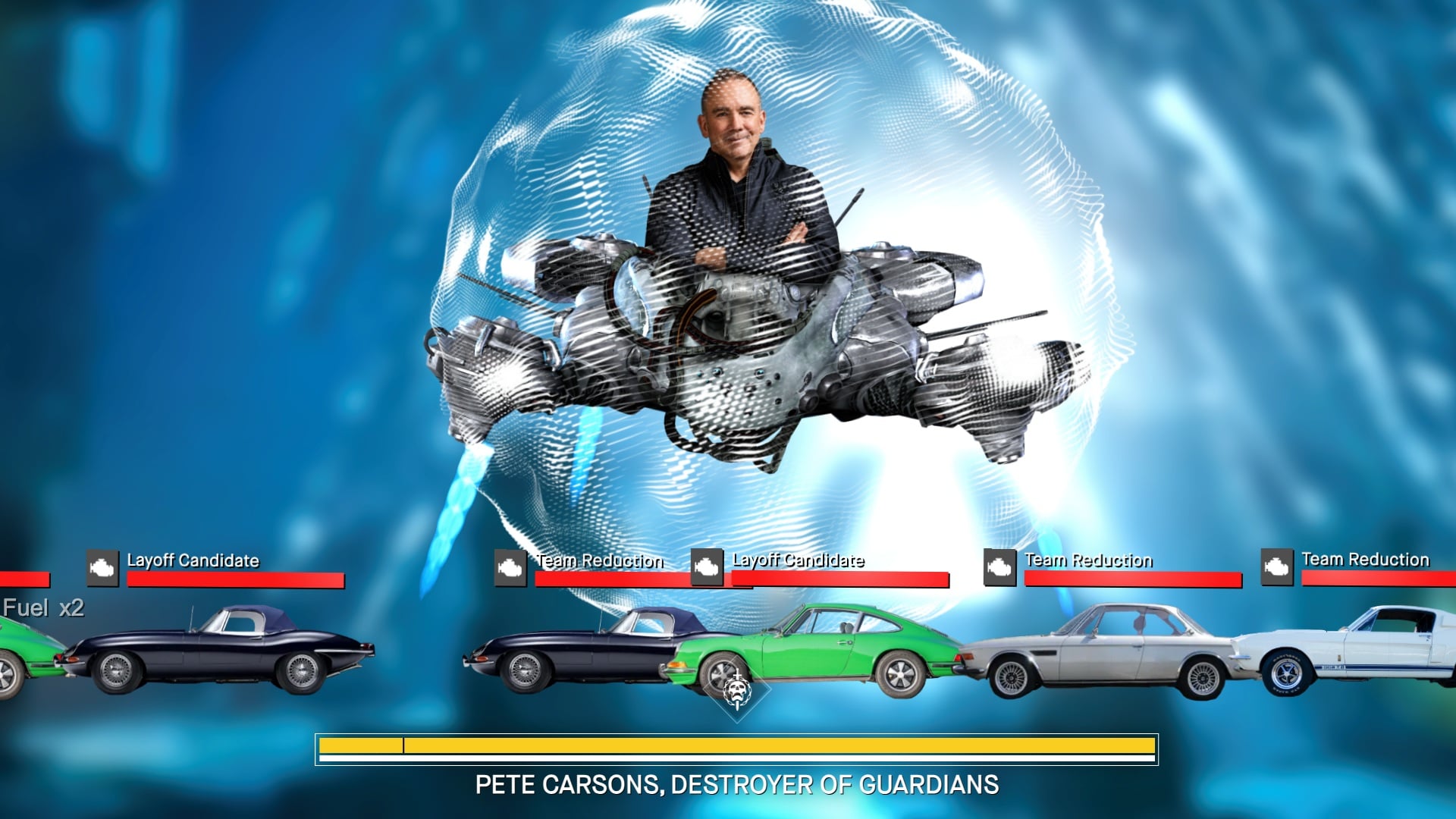
The Road Less Traveled: How a Passion for Classic Cars Led to an Executive's Departure
In the fast-paced world of corporate leadership, where decisions can impact thousands and balance sheets are scrutinized daily, the personal lives of top executives often remain behind a veil of privacy. However, every so often, a story emerges that captivates and educates, shedding light on the intricate dance between personal passion and professional responsibility. One such story is that of Arthur Parsons, a prominent figure in the technology sector, who in 2025, made headlines not for a groundbreaking innovation or a stellar earnings report, but for his departure from Apex Innovations, a company he helped build, amidst revelations of his multi-million dollar investments in classic cars.
This isn't merely a tale of an executive leaving a company; it's a deep dive into the allure of classic automobiles, the complexities of executive conduct, and the delicate balance between personal hobbies and corporate duties. How did a passion for vintage vehicles escalate to a point where it factored into the end of a high-flying career? Let's explore the journey of Arthur Parsons, the irresistible draw of classic cars, and the lessons learned from this compelling situation.
Arthur Parsons: A Visionary's Ascent
Arthur Parsons was once considered a titan at Apex Innovations. Joining the company in its early stages, he quickly rose through the ranks, his strategic acumen and relentless drive making him an indispensable asset. As Chief Operating Officer, Parsons was instrumental in scaling Apex from a promising startup into a global powerhouse, known for its innovative software solutions and robust market presence. Colleagues admired his sharp intellect, his ability to foresee market trends, and his dedication to the company's growth. Under his leadership, Apex Innovations saw consistent revenue growth, successful product launches, and a significant expansion into international markets.
Parsons was not just a numbers man; he was known for his charismatic leadership style, often seen motivating teams and inspiring innovation. His career trajectory was a textbook example of corporate success, marked by strategic foresight and a hands-on approach that earned him respect across the industry. He was the kind of executive whose name was synonymous with progress and achievement, and his future at Apex Innovations seemed limitless, perhaps even destined for the CEO role.
The Irresistible Allure of Classic Cars
Beyond the boardrooms and quarterly reports, Arthur Parsons harbored a deep, growing passion for classic automobiles. For many, a classic car is more than just a mode of transport; it's a piece of history, a work of art, and a symbol of engineering excellence from a bygone era. These vehicles represent a tangible connection to the past, embodying the dreams and designs of their time. Parsons found solace and excitement in the intricate mechanics, the timeless aesthetics, and the stories embedded within each vintage machine.
The world of classic car collecting is a unique blend of passion, investment, and connoisseurship. It's a realm where historical significance, rarity, originality, and condition dictate value. From iconic muscle cars of the 60s to elegant European grand tourers, each car holds a distinct charm. For Parsons, it wasn't just about owning these magnificent machines; it was about the thrill of the chase, the meticulous restoration process, and the camaraderie among fellow enthusiasts. What started as a modest hobby, perhaps with a single cherished vehicle, gradually escalated into a serious pursuit.
More Than Just a Hobby: The Investment Aspect
It's important to understand that classic cars can also be significant investments. Over the past few decades, certain models have outperformed traditional asset classes, becoming sought-after items for wealthy collectors and investors alike. The market for vintage vehicles is influenced by global economic trends, auction results, and collector demand. As prices soared for rare models, Parsons, with his keen financial mind, likely saw an opportunity not just for personal enjoyment but also for substantial returns.
The appeal of classic cars as an investment lies in their tangible nature and the emotional connection they forge. Unlike stocks or bonds, you can see, touch, and even drive a classic car. This tangible asset, combined with its potential for appreciation, made it a compelling alternative for managing wealth, especially for someone like Parsons who possessed considerable personal resources. He began to acquire a diverse collection, each purchase a testament to his growing passion and perceived financial acumen in this specialized market.
Millions Spent: The Growing Collection and Its Implications
As the years progressed, Parsons' classic car collection grew in size, prestige, and value. Reports indicated that his spending climbed into the millions, acquiring rare Ferrari models, vintage Porsches, and meticulously restored American muscle cars. This level of expenditure, while potentially within his personal means, began to raise eyebrows. Top executives are expected to maintain not only a high level of professional conduct but also to project an image that aligns with the company's values and public perception.
Initially, the spending was discreet, a private indulgence. However, as the collection expanded and became more widely known in elite collecting circles, details began to surface. Public appearances at high-profile car shows and auctions, along with luxury storage and maintenance costs, painted a picture of extravagant wealth and a significant time commitment. While there was no direct accusation of impropriety regarding company funds, the sheer scale of his personal spending and the attention it garnered started to create subtle ripples within Apex Innovations.
The Subtle Shift: Distraction and Perception
One of the critical challenges for any executive with a demanding hobby is managing the line between personal interest and professional duty. For Parsons, the passion for classic cars began to consume a noticeable portion of his time and mental energy. While it's natural for individuals to have outside interests, an executive's role requires unwavering focus and dedication. There were whispers that Parsons' attention seemed increasingly divided, that he was often preoccupied with car-related matters, even during work hours, or that he was traveling frequently to attend auctions or oversee restorations.
Beyond the practical implications of time management, there was the issue of perception. In a corporate environment, especially in publicly traded companies, the image of its leadership is paramount. An executive known for spending millions on luxury items might inadvertently create an impression of detachment from the day-to-day realities of employees or a lack of focus on the company's core mission. This perception, whether accurate or not, can erode trust among shareholders, employees, and the public, potentially impacting the company's reputation.
The Crossroads: Personal Passion Meets Professional Ethics
The unfolding situation with Arthur Parsons highlights a crucial point: the intersection of personal passion and professional ethics for those in leadership roles. Companies often have codes of conduct that extend beyond direct financial malfeasance, touching upon conflicts of interest, use of company resources, and even activities that might bring the company into disrepute. While collecting classic cars is not inherently unethical, the scale of Parsons' involvement raised questions.
Fiduciary Duty and Conflict of Interest
Executives hold a fiduciary duty to their company and its shareholders, meaning they must act in the best interest of the organization. While Parsons' car spending was largely personal, the sheer amount of wealth tied up in illiquid assets (like classic cars, which can take time to sell) could be seen as a distraction from prudent financial planning, especially if it was consuming mental bandwidth that should have been dedicated to Apex Innovations. Furthermore, any potential use of company contacts, resources, or even just influence to facilitate his personal collecting could constitute a conflict of interest, even if subtle.
For instance, if Parsons used company time to manage his collection, engaged company staff for related tasks, or if his car connections led to business dealings that blurred lines, it would be a clear breach. Even without direct conflict, the appearance of one can be damaging. The board of directors at Apex Innovations likely faced immense pressure to address these concerns, not only to protect the company's integrity but also to reassure investors about the stability and focus of its leadership.
The Inevitable Departure in 2025
The culmination of these factors led to Arthur Parsons' departure from Apex Innovations in 2025. While the official statements were typically diplomatic, citing "mutual agreement to pursue other opportunities," the underlying context pointed to an inability to reconcile his extensive personal endeavors with the demands of his executive role. The decision, though perhaps difficult, underscored the company's commitment to maintaining focus and integrity at the highest levels of leadership.
Sources close to the situation suggested that the board of directors, after extensive discussions, determined that Parsons' significant engagement in the classic car market was creating too many distractions and raising too many questions. It wasn't necessarily about wrongdoing, but about the optics and the allocation of executive attention. A leader of Parsons' caliber needs to be fully engaged, and his passion for cars, while admirable on a personal level, had begun to overshadow his professional responsibilities in the eyes of the board and key stakeholders.
This event serves as a stark reminder that for those at the pinnacle of the corporate ladder, the boundaries between personal and professional life are often blurred, and personal choices can have profound professional consequences. The company's decision to part ways with a successful executive like Parsons demonstrated a firm stance on corporate governance and the importance of leadership accountability. For more on corporate governance standards, you might refer to resources like the OECD Principles of Corporate Governance.
The Aftermath and Parsons' Legacy
Arthur Parsons' departure sent ripples through Apex Innovations. While the company reassured stakeholders that it was business as usual, a significant leadership void was created. The search for a successor began, a process that can be both time-consuming and impactful on company morale. For Parsons, leaving Apex Innovations meant a dramatic shift in his professional life, but it also offered an opportunity to fully immerse himself in his passion.
It's speculated that Parsons has since dedicated himself entirely to the classic car world, potentially establishing a high-end restoration business, a curated dealership, or simply focusing on expanding and managing his personal collection. While his corporate career at Apex Innovations concluded under unusual circumstances, his legacy there remains complex. He was a driving force behind many successes, yet his exit highlighted the pressures and expectations placed upon top executives.
His story serves as a valuable case study for business schools and corporate ethics committees. It's a testament to how even the most talented individuals can find their personal passions clashing with their professional obligations, especially when those passions involve high-value assets and significant time commitments. The narrative of Arthur Parsons is not one of outright failure but rather a cautionary tale about the delicate equilibrium required in the upper echelons of corporate power.
Lessons Learned: Balancing Passion and Professionalism
The story of Arthur Parsons offers several key takeaways for individuals, businesses, and executive leadership:
1. The Importance of Clear Boundaries
For executives, understanding and maintaining clear boundaries between personal hobbies and professional responsibilities is crucial. While a personal life is essential, it should not detract from one's ability to perform core duties, or create an impression of divided loyalty. Leaders must be conscious of how their extracurricular activities are perceived by colleagues, employees, shareholders, and the public.
2. Transparency and Communication
Open communication with the board of directors or relevant stakeholders about significant personal commitments or investments can help mitigate potential issues before they escalate. While not every personal detail needs to be disclosed, anything that might reasonably impact one's professional role or the company's reputation warrants consideration and discussion.
3. Managing Perception
Perception is often reality in the corporate world. An executive's actions, even if perfectly legal and ethical, can be misinterpreted or create an unfavorable impression if not managed carefully. Leaders must be mindful of the image they project and how it aligns with the company's values and public expectations.
4. The Cost of Distraction
High-level executive roles demand intense focus and dedication. Any activity that significantly distracts from these core responsibilities, whether it's a demanding hobby or another venture, can ultimately affect performance and lead to difficult decisions for the company.
5. Companies Need Clear Policies
Businesses, especially those with high-profile executives, should have clear and comprehensive codes of conduct that address potential conflicts of interest, time commitments, and even guidelines on external activities that could reflect on the company. These policies should be regularly reviewed and communicated.
6. The Value of Hobbies
It’s also important not to demonize hobbies. Personal passions can be a source of stress relief, creativity, and personal growth, which can ultimately make an executive more effective. The challenge lies in ensuring these passions enhance, rather than hinder, professional life. The key is moderation and ensuring that the pursuit of a hobby doesn't eclipse professional duties or lead to a conflict of interest.
Conclusion: A High-Octane Farewell
Arthur Parsons' story is a fascinating blend of corporate ambition, personal passion, and the complex ethical landscape of executive leadership. His departure from Apex Innovations in 2025, largely influenced by his multi-million dollar classic car collection, serves as a poignant reminder that even the most successful careers can pivot dramatically when personal pursuits grow to monumental proportions.
It highlights the immense pressure on top executives to not only deliver results but also to embody the values and focus expected of their positions. While Parsons might now be enjoying the open road in one of his prized possessions, his journey offers valuable insights into the delicate balancing act required at the pinnacle of the corporate world. His high-octane farewell from Apex Innovations will undoubtedly remain a compelling chapter in the annals of business leadership, prompting discussions about responsibility, passion, and the choices that define a career.
from Kotaku
-via DynaSage
