
Everything Coming in the 2026 Apple TV 4K
The Apple TV 4K, Apple's premier streaming and entertainment hub for your living room, hasn't received a significant update since 2022. For technology enthusiasts and smart home aficionados, this two-year wait has been a long one, creating considerable anticipation for what's next. We're now looking ahead to a planned refresh in 2026, but it appears Apple is strategically holding off the launch. The reason? A groundbreaking overhaul of Siri, powered by new artificial intelligence, which is slated to debut with iOS 27. This means the next Apple TV won't just be faster; it will be smarter, deeply integrated into Apple's burgeoning AI ecosystem.
This upcoming model is poised to be more than just a media player; it's set to become an even more central pillar of your smart home, a powerful gaming console, and a sophisticated assistant, all thanks to a blend of advanced hardware and revolutionary software. While the wait has been prolonged, the signals suggest that Apple is cooking up a device that is truly future-proof, ensuring it can handle the demands of tomorrow's streaming, gaming, and AI-driven interactions. Let's delve into everything we expect to see in the 2026 Apple TV 4K, from its unchanging design to its internal brain transplant and the intelligent new features that are causing this significant delay.
Design: Familiar Form, Future Functionality
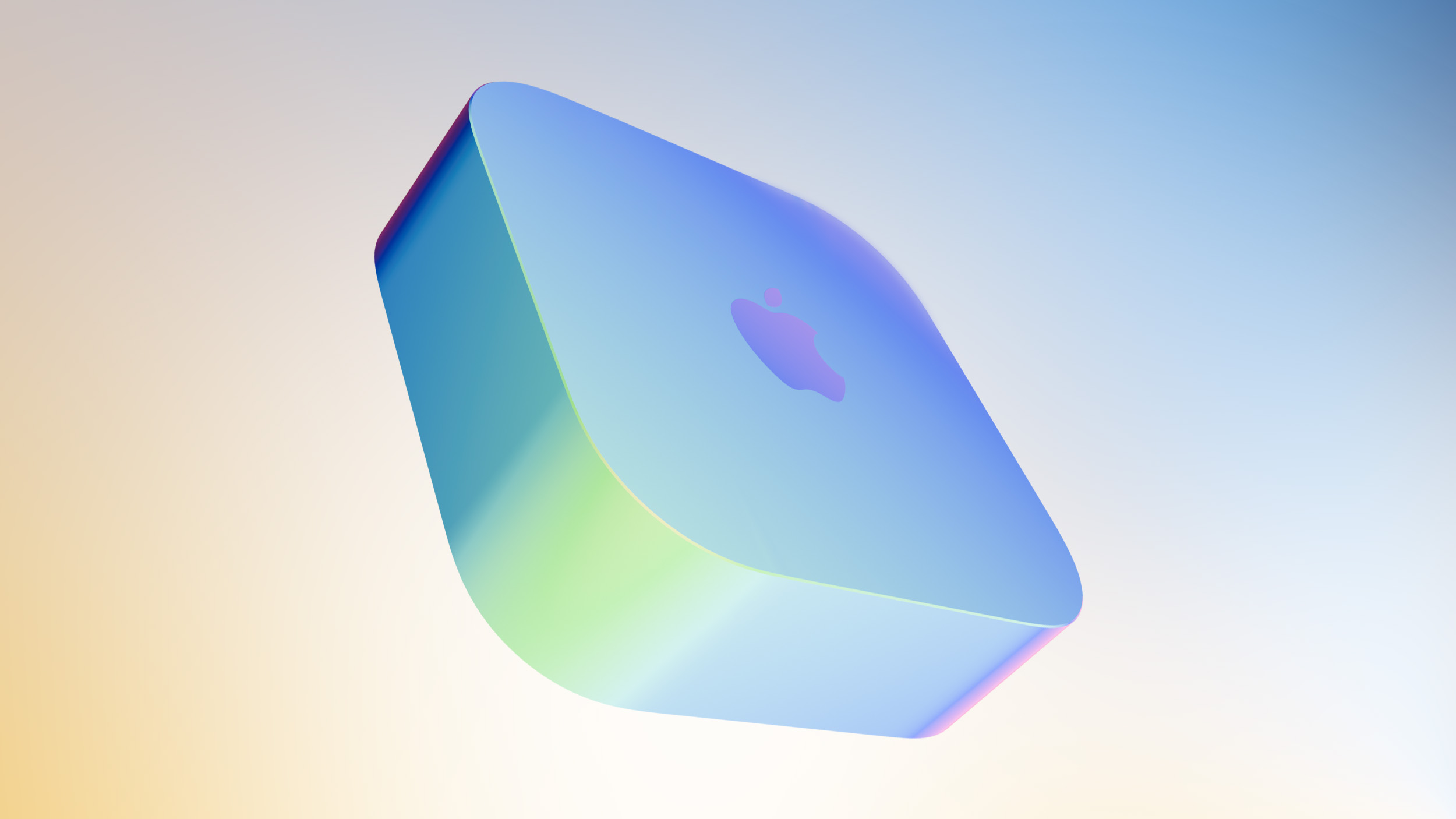
When it comes to the external appearance of the Apple TV, history tells us that Apple prefers consistency and subtlety. Unlike iPhones or Apple Watches, which often receive aesthetic overhauls, the Apple TV's design updates are few and far between. This trend is set to continue with the 2026 model. Sources indicate that the next Apple TV will retain the familiar "squircle" shape – a blend of a square and a circle – that has defined its look for years. This understated design philosophy ensures that the device seamlessly integrates into any entertainment setup, blending into the background rather than drawing attention to itself.
The device will also continue to be crafted from a black plastic material. This choice is not merely aesthetic; it's functional. Black is a classic color that complements most home electronics and decor, allowing the Apple TV to sit discreetly beneath your television. The plastic construction is durable, lightweight, and helps with thermal management, especially crucial for a device that might run demanding apps or games. Apple's focus here is on utility and integration, ensuring the Apple TV is a reliable, unobtrusive component of your entertainment system. We anticipate that the 2026 Apple TV will be virtually indistinguishable from the current model from the outside, meaning no changes to its size, height, or overall physical appearance. This consistency in design reflects Apple's philosophy for devices that are meant to be set up once and blend into the environment, offering powerful performance without visual fanfare. For those hoping for a radical new look, this might be disappointing, but for many, the existing compact and elegant design is already ideal.
Maintaining the same exterior design also offers practical benefits. It ensures compatibility with existing mounts, stands, and other accessories designed for the current Apple TV 4K. This commitment to a tried-and-true form factor allows Apple to pour its engineering resources into what truly matters for a streaming box and smart home hub: the internal components and software experience. In Apple's ecosystem, design isn't just about looks; it's about the overall user experience, and for the Apple TV, that experience is best served by a device that is felt, not necessarily seen, making its internal upgrades all the more impactful.
A Powerful New Engine: The A-Series Chip Upgrade
While the exterior design of the 2026 Apple TV 4K might remain familiar, the biggest and most exciting upgrade will be found beneath its sleek black casing: a brand new A-series chip. This internal brain transplant is crucial, as the chip dictates everything from the smoothness of the user interface to the graphical fidelity of games and the responsiveness of AI features. This isn't just about raw speed; it's about unlocking new capabilities and future-proofing the device for years to come.
The A17 Pro: A Game Changer for Apple TV
Current rumors strongly suggest that Apple is planning to equip the next Apple TV 4K with the A17 Pro chip. This powerful chip first made its debut in the iPhone 15 Pro models, marking a significant leap in mobile processing power. Compared to the A15 Bionic found in the current Apple TV, the A17 Pro represents a substantial upgrade across the board. For anyone considering purchasing an Apple TV soon, this rumored chip alone is a compelling reason to wait for the 2026 model.
What makes the A17 Pro so special? It's built on a cutting-edge 3-nanometer process technology. In simple terms, this means that Apple engineers have managed to pack an even greater number of transistors into a smaller physical space. The benefits are threefold: faster processing speeds, improved energy efficiency (meaning less power consumption and less heat generated), and the ability to handle more complex tasks simultaneously. For a device like the Apple TV, which is often running for extended periods and handling high-resolution content, these improvements translate directly into a smoother, more reliable, and more powerful user experience.
The A17 Pro also brings two significant hardware acceleration features that will profoundly impact the Apple TV experience:
- Hardware-Accelerated Ray Tracing for Gaming: For the first time, console-quality gaming on Apple TV will get a serious boost. Ray tracing is an advanced rendering technique that simulates the physical behavior of light, resulting in incredibly realistic lighting, shadows, and reflections in video games. This technology, previously reserved for high-end PCs and dedicated gaming consoles, will make games played on the Apple TV look far more immersive and lifelike. Imagine water reflecting its surroundings with stunning accuracy, or dynamic shadows creating a truly cinematic atmosphere in your favorite titles. This feature signifies Apple's growing ambition in the gaming space, positioning the Apple TV 4K as a more serious contender for casual and even some more demanding gamers. The A17 Pro’s powerful GPU, combined with its dedicated ray tracing hardware, will ensure that future Apple Arcade titles and other games look their absolute best on your big screen.
- Hardware-Accelerated AV1 Decoding for Streaming: Beyond gaming, the A17 Pro significantly enhances the Apple TV's core function: streaming. It supports hardware-accelerated AV1 decoding. AV1 is a newer, open-source video codec that offers superior compression efficiency compared to older codecs like H.264 or even HEVC. This means that streaming services can deliver the same video quality at lower bitrates, or even higher quality at existing bitrates, saving bandwidth and improving the streaming experience, especially for 4K and future 8K content. With hardware decoding, the Apple TV can process AV1 streams efficiently without taxing the main CPU, leading to smoother playback, less buffering, and better energy consumption. As more streaming platforms adopt AV1, the 2026 Apple TV will be perfectly positioned to deliver the highest quality content with optimal performance. This ensures that your streaming experience is not only beautiful but also efficient, adapting to the evolving landscape of online video delivery.
Connecting to Apple Intelligence and Future Possibilities
Crucially, the A17 Pro is also the oldest chip Apple currently manufactures that supports Apple Intelligence, the company's new suite of AI features. This is a critical link, as the integration of Apple Intelligence is precisely why the new Apple TV's launch has been delayed. The powerful Neural Engine within the A17 Pro is essential for processing on-device AI tasks, enabling the smarter Siri and other intelligent functionalities that will define the next generation of Apple devices. This chip is also currently used in the iPad mini 7, demonstrating its versatility and capability across different product lines.
Given the prolonged delay in updating the Apple TV, it's also within the realm of possibility that Apple might choose to equip the device with an even newer chip, such as the A18 or A19. If the launch is pushed further into 2026 or even early 2027, Apple might decide to use its latest mobile silicon to ensure maximum longevity and performance, particularly for increasingly demanding AI features. An A18 or A19 would likely offer incremental improvements in raw speed, even greater power efficiency, and, most importantly, a more powerful Neural Engine specifically optimized for Apple Intelligence, making the device even more capable of handling complex on-device AI computations. This would further solidify its role as a central hub for Apple's AI ecosystem.
Alongside a chip upgrade, a RAM (Random Access Memory) update is also highly likely. Modern operating systems and applications, especially those incorporating sophisticated AI models, demand more RAM for smooth operation. If the Apple TV is indeed going to feature significant Apple Intelligence support, increased RAM would be vital for faster multitasking, quicker app switching, and efficient processing of AI algorithms directly on the device. This combination of a powerful new A-series chip and expanded RAM will ensure that the 2026 Apple TV 4K is not just a modest upgrade, but a truly transformative leap forward in performance and intelligence.
The Dawn of Smarter Siri and Apple Intelligence on Apple TV
Perhaps the most significant and compelling reason for the delayed launch of the new Apple TV 4K is its deep integration with Apple's groundbreaking new artificial intelligence features, collectively known as Apple Intelligence, and the subsequent transformation of Siri. Reports confirm that the next Apple TV is technically "ready to launch," but new, smarter Siri capabilities are the primary holdup. Apple is committed to releasing this device alongside a vastly improved version of Siri, which is currently being tested within iOS 27, iPadOS 27, and macOS 27.
What is Apple Intelligence?
Apple Intelligence is not just a single feature but a suite of powerful AI capabilities designed to personalize and enhance the user experience across Apple's devices. It leverages generative AI models to provide contextually aware assistance, improve productivity, and facilitate more natural interactions. For the Apple TV, this means a device that can truly understand your preferences, anticipate your needs, and interact with you in a far more sophisticated manner than ever before.
Siri's Transformation: Beyond Basic Commands
The current iteration of Siri, while functional, often falls short in understanding complex requests, maintaining context, or performing multi-step actions. The new, smarter Siri, powered by Apple Intelligence, aims to revolutionize this. Imagine a Siri that:
- Understands Context: Instead of rigid commands, you'll be able to speak more naturally. For example, you might ask, "Find that action movie with the actor from the new sci-fi show I watched last week," and Siri will intelligently connect your past viewing habits with your current request, identifying both the actor and relevant movie.
- Performs Multi-Step Actions: You could say, "Dim the living room lights, set the thermostat to 72 degrees, and then start my evening chill playlist on Apple Music," and Siri would execute all commands sequentially, interacting with various smart home devices and apps seamlessly.
- Offers Proactive Assistance: Over time, Siri will learn your viewing patterns, preferred genres, and even who typically watches certain shows. It could then proactively suggest, "It's Friday night, would you like to continue watching that documentary series, or perhaps try this new comedy that matches your taste?"
- Deep App Integration: The new Siri will have a much deeper understanding of the content within your apps. You could ask it to find a specific scene within a movie you own, summarize the plot of an episode, or even help navigate complex settings menus verbally. This will make the Apple TV a much more accessible and intuitive device for all users.
Bloomberg's renowned Apple analyst, Mark Gurman, has explicitly stated that the Apple TV's launch is directly linked to these "new artificial intelligence features." Apple had initially hoped to roll out these AI-powered Siri features in spring 2026, but the company encountered unexpected challenges and was "still experiencing issues with Siri." As a result, Apple postponed the debut of these features until iOS 27, which is now slated for a September 2026 launch. This means that no new Siri capabilities will be seen across any Apple device until then, necessitating a synchronized delay for all hardware waiting on this critical software milestone.
This strategic delay highlights Apple's commitment to delivering a polished and fully integrated AI experience from day one. They don't want to release a new Apple TV that then receives a major Siri upgrade months later; they want it to launch with its full, intelligent potential realized. The implications extend beyond the Apple TV itself. Along with the updated streaming box, other anticipated smart home devices, such as a rumored home hub and a new version of the HomePod, are also waiting in the wings for Siri AI's grand debut. This suggests Apple is preparing a comprehensive, interconnected smart home ecosystem, with the new Siri at its very heart.
The demanding nature of these updated Siri features, especially those that involve complex on-device processing and contextual understanding, is another strong reason for the expected hardware upgrades. Processing sophisticated AI models efficiently often requires more RAM and a faster, more capable chip with a powerful Neural Engine. Therefore, if your primary interest lies in experiencing the truly smarter Siri and the full suite of Apple Intelligence features on your Apple TV, waiting for this 2026 model becomes not just advisable, but essential, as the current model simply won't have the horsepower or the software integration to deliver that experience.
Cutting-Edge Connectivity for the Future of Entertainment
Beyond raw processing power and intelligent software, the 2026 Apple TV 4K is also expected to receive significant upgrades in its connectivity suite, ensuring it can handle the demands of future streaming, gaming, and smart home interactions. These enhancements will provide faster, more reliable connections, critical for a device that serves as a central hub for digital entertainment and smart home management.
Wi-Fi 7: The New Standard for Speed and Stability
One of the most anticipated connectivity upgrades is the inclusion of Apple's advanced N1 networking chip, which will bring support for Wi-Fi 7. Wi-Fi 7, also known as 802.11be or Extremely High Throughput (EHT), is the latest generation of Wi-Fi technology, promising substantial improvements over its predecessors like Wi-Fi 6 and Wi-Fi 6E. For a streaming device, these improvements are paramount:
- Blazing Speeds: Wi-Fi 7 offers theoretical peak speeds that are significantly faster than Wi-Fi 6E, ensuring that even the most demanding 4K and future 8K video streams play back flawlessly, without buffering or quality degradation. This is also a boon for downloading large games and app updates in mere moments.
- Lower Latency: Crucial for real-time applications like cloud gaming and video conferencing, lower latency means quicker response times and a more fluid, interactive experience.
- Support for the 6GHz Band: Like Wi-Fi 6E, Wi-Fi 7 utilizes the less congested 6GHz frequency band, in addition to the traditional 2.4GHz and 5GHz bands. The 6GHz band acts like an "express lane" for your data, offering wider channels and less interference from older devices or neighboring networks. This ensures a clean, fast connection, which is exactly what you want for a device constantly streaming high-bandwidth content.
- Multi-Link Operation (MLO): Wi-Fi 7 introduces MLO, allowing devices to simultaneously transmit and receive data across multiple frequency bands (e.g., 2.4GHz, 5GHz, and 6GHz). This enhances throughput, reduces latency, and provides greater reliability by allowing the device to intelligently switch or combine bands for optimal performance, even in challenging wireless environments.
The integration of Wi-Fi 7 will make the 2026 Apple TV 4K incredibly resilient to network congestion and capable of handling future advancements in streaming technology. It ensures that your entertainment experience remains smooth and uninterrupted, even as internet speeds and content resolutions continue to climb.
Bluetooth 6 and Enhanced Smart Home Capabilities with Thread and Matter
The new Apple TV 4K is also expected to upgrade its Bluetooth capabilities, likely to Bluetooth 6. This is important for connecting a wide array of accessories, including game controllers, wireless earbuds and headphones (such as AirPods), keyboards, and various smart home devices. While specific enhancements for Bluetooth 6 are often incremental, they typically include:
- Improved Range and Stability: Ensuring more reliable connections across larger spaces.
- Enhanced Energy Efficiency: Extending the battery life of connected accessories.
- Faster Pairing and Switching: Making it quicker and easier to connect and manage multiple devices.
These improvements will contribute to a more seamless and responsive experience when using your favorite peripherals with the Apple TV, whether you're gaming with friends or enjoying private listening.
Furthermore, Apple's N1 chip is also designed to support Thread, a low-power, mesh networking protocol specifically developed for smart home devices. This means the 2026 Apple TV will continue to serve as a crucial component of your smart home ecosystem, acting as a:
- Thread Border Router: The Apple TV acts as a bridge, connecting the Thread network (where low-power smart home devices like sensors, light bulbs, and locks communicate) to your home's Wi-Fi and the broader internet. This allows you to control Thread-enabled devices even when you're away from home, enhancing reliability and responsiveness for your smart home setup.
- Matter Hub: Alongside its role as a Thread border router, the Apple TV will continue its function as a central hub for Matter-compatible smart home devices. Matter is a universal open-source standard that enables different smart home products from various brands to communicate with each other seamlessly. By supporting Matter, the Apple TV simplifies smart home setup and management, allowing you to control all your compatible devices—regardless of brand—through the Home app or Siri. This commitment to Matter and Thread solidifies the Apple TV's position not just as an entertainment device, but as a robust and future-proof foundation for your entire intelligent home, further integrating it into Apple's broader ecosystem vision.
The Siri Remote: Subtle Refinements for Enhanced Control
The Siri Remote has seen several iterations over the years, evolving from a controversial touch-centric design to its current, more widely accepted form with a dedicated clickpad and traditional buttons. With the launch of a new Apple TV 4K, it's certainly possible that Apple will introduce a new Siri Remote alongside it. While radical changes are unlikely given the remote's recent refinements, Apple is known for its attention to detail, and there are several areas where subtle improvements could enhance the user experience.
What might Apple change? Potential refinements could include:
- Ergonomic Improvements: While the current remote is comfortable, Apple might tweak its shape, material, or button placement for an even better in-hand feel, perhaps adding a more textured back for grip or slightly repositioning the volume/power buttons.
- Enhanced Siri Button: With the advent of a much smarter, AI-powered Siri, the dedicated Siri button might see an upgrade. This could mean a more sensitive microphone array for better voice pickup, or perhaps even a new haptic feedback mechanism to confirm Siri activation or understanding.
- "Find My" Integration: A feature frequently requested by users, integrating Apple's "Find My" technology into the Siri Remote would be a game-changer for those who often misplace their remote in the couch cushions. This would allow users to ping the remote from their iPhone, causing it to emit a sound, similar to how AirPods or AirTags can be located.
- Improved Battery Life or Charging: While the current remote's battery life is generally good, Apple could implement further efficiency gains or explore new charging methods, though sticking with USB-C is most probable.
- New Materials or Finishes: A subtle change in finish, perhaps a more durable or fingerprint-resistant material, could be introduced without altering the overall design.
Given that the focus of the new Apple TV is heavily on internal processing power and AI capabilities, any changes to the Siri Remote are likely to be evolutionary rather than revolutionary. They will aim to complement the enhanced software experience and improve the practical usability of the device, rather than redesigning its core interaction methods. The goal will be to make the remote even more intuitive and less prone to being lost, ensuring it remains an indispensable part of the Apple TV experience.
Pricing: A Premium Device for a Premium Experience
Historically, there have been whispers and rumors of a potential price drop for the Apple TV, particularly as it has gone without an update for an extended period. The idea was that Apple might try to make its streaming box more competitive by lowering the entry barrier. However, recent developments suggest that a lower price for the 2026 Apple TV 4K is highly unlikely, and we might even see a slight increase.
A significant indicator against a price drop is Apple's June 2026 price increase for many of its existing products, including the current 2022 Apple TV 4K, as well as various Mac and iPad models. This broader pricing adjustment across Apple's product lines reflects global economic conditions, component costs, and Apple's premium market positioning. When even existing models are seeing price hikes, it becomes very difficult to justify a reduction for an upcoming, more advanced version.
Furthermore, the 2026 Apple TV 4K is not just a minor refresh; it's slated to be a substantial upgrade. It will feature a cutting-edge A-series chip (likely A17 Pro or even newer A18/A19) built on advanced 3-nanometer technology, bringing with it hardware-accelerated ray tracing and AV1 decoding. It will boast next-generation Wi-Fi 7 connectivity and Bluetooth 6. Most significantly, it will integrate Apple Intelligence and a vastly smarter Siri, representing a massive investment in AI research and development. These are premium features and technologies that come at a cost.
Apple positions its products at the higher end of the market, offering a premium user experience, robust software support, and a tightly integrated ecosystem. The 2026 Apple TV 4K will deliver a level of performance, intelligence, and smart home integration that goes well beyond what standard streaming sticks offer. Therefore, a pricing strategy that reflects these advanced capabilities, potentially maintaining the current high-end price point or even seeing a modest increase, seems far more probable than a price reduction. Buyers will be investing in a device that is future-proofed for the next generation of streaming, gaming, and AI-driven smart home control.
Launch Date: Synchronized with Apple's AI Debut
The launch date for the 2026 Apple TV 4K is intrinsically linked to the debut of Apple Intelligence and the new, smarter Siri. With Siri AI now firmly set to launch in September 2026, coinciding with the release of iOS 27, we can confidently anticipate the new Apple TV being refreshed right around that same timeframe.
Apple typically holds its major Fall Keynote event in September, where it traditionally unveils new iPhone models, Apple Watches, and the latest versions of its operating systems (iOS, iPadOS, watchOS, macOS, tvOS). Introducing the new Apple TV 4K alongside these flagship products and the public release of iOS 27 makes perfect strategic sense for several reasons:
- Unified Marketing Message: Launching the new Apple TV alongside new iPhones allows Apple to present a cohesive narrative around the power and pervasiveness of Apple Intelligence across its entire ecosystem. The Apple TV can be showcased as a crucial component of this AI-driven future for the smart home.
- Immediate Showcase of New Features: By releasing the Apple TV concurrently with iOS 27, the device can immediately demonstrate the full capabilities of the smarter Siri and Apple Intelligence. This avoids a situation where users get new hardware but have to wait for the core software features that define its "newness."
- Strategic for Holiday Shopping: A September launch positions the new Apple TV perfectly for the lucrative holiday shopping season. Consumers looking to upgrade their home entertainment systems or invest in smart home technology will find a compelling new option available well in advance of Black Friday and Christmas.
- tvOS 27 Integration: The new Apple TV will, of course, run the latest version of tvOS, likely tvOS 27, which will be deeply integrated with the new AI capabilities. A simultaneous launch ensures a seamless and optimized software experience from day one.
While unforeseen production challenges or further software refinements could always lead to minor adjustments, the strong tie to iOS 27 and Siri AI makes September 2026 the most solid and logical prediction for the debut of the next-generation Apple TV 4K. It promises to be a launch that brings not just faster hardware, but a genuinely smarter and more integrated entertainment and smart home experience.
In conclusion, the 2026 Apple TV 4K is shaping up to be far more than a routine hardware refresh. It represents Apple's ambition to weave advanced artificial intelligence into the fabric of our homes, transforming how we interact with our entertainment and smart devices. With a powerful new chip, next-generation connectivity, and a truly intelligent Siri at its core, this device promises to be a cornerstone of Apple's ecosystem for years to come. For those in the market for a new streaming box, the message is clear: the wait will be worth it.
This article, "Everything Coming in the 2026 Apple TV 4K" first appeared on MacRumors.com
Discuss this article in our forums
from MacRumors
-via DynaSage
