
Doom Designer John Romero Says He Hopes People Are Preserving id Software’s History Amid Reported Xbox Bloodbath
A Call for Empathy in the Shifting Sands of Gaming: A Veteran Dev's Poignant Message Amidst Industry Layoffs
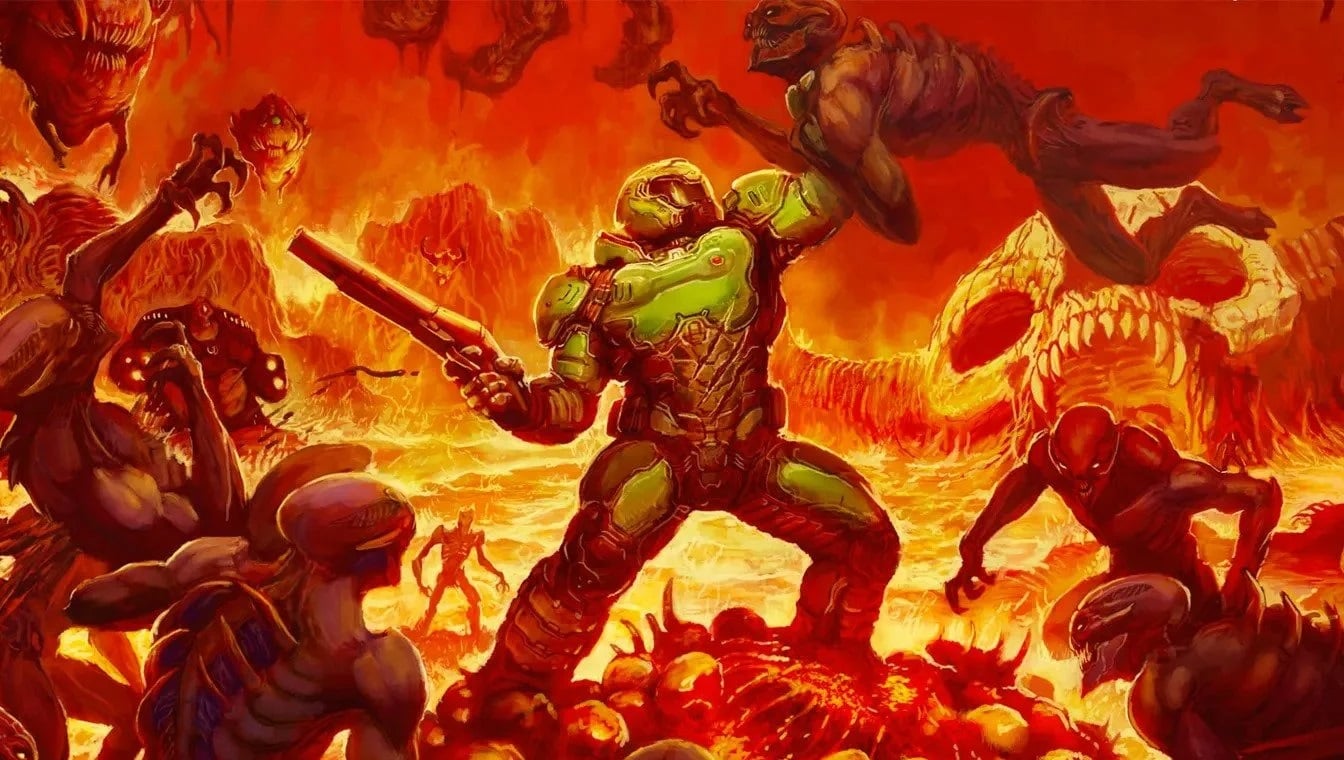
The image above, depicting the iconic Doom Slayer locked in an eternal struggle against overwhelming demonic forces, often serves as a powerful metaphor for perseverance. In the fast-paced, often brutal world of video game development, this relentless fight is not just against fictional monsters, but sometimes against the very tides of the industry itself. Recently, a poignant moment underscored this reality when a truly legendary figure in game development, a veteran whose vision has shaped the landscape of interactive entertainment for decades, stepped forward to offer heartfelt condolences. This wasn't for a lost battle in a game, but for the very real human cost of recent widespread layoffs across the gaming sector. What makes his message particularly impactful is the stark reflection it casts: his own studio had reportedly faced significant cuts from Microsoft just a year prior. It’s a harsh reminder that even the most established and celebrated creative minds are not immune to the unpredictable forces shaping modern game development.
This gesture of solidarity from a developer who understands the pain firsthand resonates deeply within a community often characterized by its passion, creativity, and resilience. It highlights a recurring and worrying trend in the industry: moments of immense growth and innovation are frequently followed by periods of consolidation and job losses. These cycles, while sometimes framed as necessary restructuring, leave behind a trail of disrupted careers, shattered dreams, and a profound sense of uncertainty. For many, the dream of creating worlds and telling stories through games is a lifelong ambition, and to see that dream abruptly cut short by corporate decisions is a difficult pill to swallow. This blog post aims to delve into the implications of this veteran developer's message, exploring the underlying causes of industry volatility, the human stories behind the statistics, and what these events mean for the future of game development.
The Echoes of a Year Ago: When Studios Face the Axe
Imagine dedicating years, perhaps even decades, to building a creative sanctuary, a place where innovative ideas flourish, and talented individuals collaborate to bring virtual worlds to life. Then, almost overnight, that sanctuary is shaken by the tremors of corporate restructuring. This was the reported reality for the veteran developer's studio approximately twelve months ago. His team, a group of dedicated professionals, found themselves caught in the crosshairs of Microsoft's strategic adjustments, enduring significant layoffs that reshaped their future. This wasn't an isolated incident, but rather a pattern that has unfortunately become all too familiar in the wake of large-scale acquisitions.
When technology giants like Microsoft acquire established game studios, the initial promise often revolves around providing greater resources, stability, and the freedom to innovate. However, the reality post-acquisition can often be far more complex. Integration into a larger corporate structure frequently leads to redundancies, as functions are merged, duplicate roles eliminated, or projects deemed not to align with the new parent company's long-term vision are cancelled. These decisions, while often rationalized as necessary for operational efficiency or market alignment, have profound human consequences. Developers who pour their hearts and souls into their craft suddenly face unemployment, uncertainty, and the daunting task of finding new opportunities in a competitive landscape.
The situation faced by this veteran developer's studio a year ago serves as a powerful microcosm of this broader industry trend. It underscores the fragility of even successful studios once they become part of a larger corporate machine. The enthusiasm that accompanies a major acquisition can quickly give way to anxiety as employees wonder about their future, their roles, and the very identity of the studio they helped build. For many, the artistic freedom and unique culture that defined their independent existence can be diluted or lost entirely under new management. The emotional toll of these transitions cannot be overstated, extending beyond mere job loss to impact professional identity and creative spirit. You can read more about the challenges of post-acquisition integration here.
The Unseen Battle: A Developer's Empathy
Fast forward a year, and the same developer, having navigated the turbulent waters of their own studio's cuts, now extends a hand of solace to others experiencing similar pain. This act of empathy is not just a polite gesture; it's a profound statement that reverberates across the industry. It speaks to a shared understanding of the precariousness of creative work in a highly commercialized environment. When someone of his stature, someone who has not only survived but thrived for decades in game development, voices such condolences, it carries immense weight. It acknowledges a collective struggle, validating the feelings of frustration, fear, and sadness that accompany job losses.
His message is a reminder that behind every layoff statistic are real people with families, mortgages, and personal ambitions. It cuts through the corporate speak of "synergies" and "optimizations" to address the human element directly. In an industry where individual contributions are often lauded, but collective security can be fleeting, such solidarity is crucial. It helps foster a sense of community, letting those affected know they are not alone. This sentiment is particularly vital in an industry often characterized by intense competition and long working hours, where personal sacrifice for the sake of a project is common. When that sacrifice is met with sudden dismissal, the sense of betrayal can be immense.
This veteran developer's empathy also highlights a growing awareness of the need for greater support systems and stability within game development. It prompts questions about ethical leadership, sustainable business practices, and the responsibility of large corporations towards the creative talent they acquire. His voice becomes a beacon, not just of sympathy, but perhaps also an unspoken call for change, urging the industry to look beyond quarterly reports and consider the long-term health and well-being of its most valuable asset: its people. Understanding the psychological impact of job loss is critical, and you can explore more about it in articles like this one.
Beyond the Headlines: Understanding the Industry's Volatility
The current wave of layoffs, and those from a year ago, are not isolated incidents but symptoms of deeper structural issues within the video game industry. Understanding these underlying pressures is key to comprehending why even successful studios and experienced developers find themselves vulnerable.
Economic Pressures and Escalating Costs
Developing a modern AAA video game is an incredibly expensive undertaking. Budgets for major titles can easily run into hundreds of millions of dollars, sometimes even exceeding the production costs of Hollywood blockbusters. These escalating costs are driven by several factors: the demand for ever-more realistic graphics, complex gameplay mechanics, extensive voice acting, elaborate motion capture, and increasingly large open worlds. Each additional feature, each graphical fidelity bump, means more artists, programmers, designers, and animators, working for longer periods. The return on investment for such colossal expenditures relies heavily on blockbuster sales, making the industry highly risk-averse. A single underperforming title can wipe out years of profit, leading publishers to make difficult decisions to cut costs elsewhere.
Technological Shifts and Adaptation Challenges
The pace of technological change in gaming is relentless. New game engines, advancements in artificial intelligence, the emergence of virtual and augmented reality, and the growing prominence of cloud gaming continually shift the goalposts. While these advancements offer exciting new possibilities for game design and player experience, they also demand significant investment in research and development, retraining of staff, and adaptation of existing workflows. Studios that struggle to keep up with these shifts, or those whose core competencies become less relevant, can quickly find themselves at a disadvantage. The pressure to innovate constantly, while managing existing projects, creates a high-stress environment where missteps can be costly.
Publisher and Investor Influence: The Growth Mandate
Many large game studios are either owned by massive corporations or funded by venture capitalists who expect consistent, exponential growth. This "growth at all costs" mentality often prioritizes short-term financial gains over long-term creative health. Publishers might push for aggressive release schedules, demand pivots to more lucrative genres (like live-service games), or mandate cost-cutting measures to appease shareholders. This external pressure can stifle creativity, lead to crunch culture, and ultimately contribute to studio closures or widespread layoffs when projects don't meet ambitious financial targets. The drive for predictable revenue streams often clashes with the unpredictable nature of creative development, creating inherent tension.
The Acquisition Treadmill: Consolidation and Integration
The past decade has seen a significant trend of consolidation in the gaming industry, with major players like Microsoft, Sony, and Tencent acquiring numerous independent studios. While acquisitions can bring financial stability and access to larger distribution networks, they also come with a significant risk of post-merger integration challenges. As mentioned earlier, the acquired studio's culture, workflows, and even entire teams might not perfectly align with the parent company's structure. This often leads to "synergy" targets that result in redundancies and job cuts as the larger entity seeks to streamline operations. The initial promise of creative freedom can sometimes devolve into a struggle for identity and autonomy within a corporate giant. The history of gaming is littered with examples of beloved studios that lost their way after being acquired, a cautionary tale for many developers. For further analysis on industry consolidation, consider reading reports from gaming market analysts like those found at this link.
The Human Cost: Stories Behind the Numbers
Beyond the economic rationales and corporate strategies, it's vital to remember that each layoff statistic represents a human story. The impact of losing a job in such a specialized and passionate field can be devastating, affecting individuals, their families, and the broader creative ecosystem.
Disrupted Careers and Financial Strain
For many game developers, their career path is not just a job but a calling. They spend years honing specialized skills, often moving across countries to work on dream projects. A sudden layoff can halt a promising career trajectory, forcing individuals to restart their job search in a highly competitive market. Beyond the professional setback, the financial strain is immediate and severe. Mortgages, rent, family expenses – all come under pressure. For those on visas, job loss can even mean the threat of deportation, adding an unbearable layer of stress. The industry has a global talent pool, and these immigration challenges are a very real concern for many skilled workers.
Mental Health Strain and Burnout
The gaming industry is notorious for its "crunch" culture, where developers often work extremely long hours, including nights and weekends, especially leading up to project deadlines. This intense environment, coupled with the pressure to constantly innovate and the fear of job insecurity, takes a heavy toll on mental health. Layoffs exacerbate this, leading to increased anxiety, depression, and burnout. Even for those who retain their jobs, the fear of being next can create a toxic work environment, reducing morale and productivity. The constant cycle of uncertainty undermines the very passion that draws people into game development in the first place.
Loss of Creative Freedom and Innovation
When studios are dismantled or creative teams are significantly cut, it's not just jobs that are lost; it's also a wealth of collective experience, unique perspectives, and innovative ideas. Often, independent studios thrive on a distinct creative vision and a close-knit team culture. When these are disrupted by external forces, the very essence of what made them special can evaporate. This can lead to a homogenization of games, as larger publishers prioritize safer, more profitable ventures, potentially stifling experimental and groundbreaking titles. The industry needs diverse voices and bold ideas to truly advance, and layoffs often prune these critical elements.
The Talent Drain
Repeated cycles of layoffs risk driving talented individuals out of the game industry altogether. Faced with instability and poor working conditions, many skilled programmers, artists, and designers might seek more secure employment in other tech sectors, such as software development, animation for film and TV, or even entirely different fields. This "talent drain" weakens the overall industry, making it harder for studios to find experienced professionals for future projects, and potentially leading to a decline in the quality and innovation of games produced. The investment in human capital is immense, and losing it represents a significant, often unquantifiable, cost.
Lessons from the Abyss: Navigating the Future
While the challenges are formidable, the gaming industry is also one of immense creativity and resilience. The veteran developer's message, while acknowledging the pain, also implicitly calls for a more sustainable and humane future. What can be learned from these recurrent setbacks?
For Developers: Adaptability and Community
Individual developers can proactively build resilience. This includes diversifying skill sets to be adaptable to different projects and technologies, continuously learning new tools, and expanding their professional networks. The rise of the independent game development scene, often characterized by smaller teams and direct player engagement, offers an alternative path for those seeking more creative control and stability. Moreover, strengthening developer communities, both online and offline, can provide crucial support, mentorship, and opportunities during times of uncertainty. Platforms and groups like Indie Dev Collective offer valuable resources.
For Studios: Sustainable Practices and Valuing Talent
Studios, particularly those that remain independent or are newly formed, can focus on building sustainable business models that prioritize employee well-being alongside financial success. This means realistic project timelines, avoiding excessive crunch, transparent communication with staff, and investing in continuous training and development. Ethical leadership that values long-term creative output over short-term profit surges is paramount. Fostering a culture where employees feel respected, heard, and secure can lead to greater loyalty, higher quality work, and ultimately, more successful and innovative games. Progressive studios understand that talent is their most precious asset.
For Publishers and Investors: A Long-Term Vision
Larger publishers and investors have a critical role to play in stabilizing the industry. This involves adopting a longer-term investment perspective, allowing studios the time and resources needed for genuine innovation, rather than demanding rapid returns. Re-evaluating aggressive acquisition strategies to ensure more thoughtful and humane integration processes is essential. Prioritizing employee welfare and fostering diverse, inclusive work environments can ultimately lead to a more robust and creatively vibrant industry. A healthy workforce is the bedrock of a healthy industry, and this requires responsible stewardship from the top. For insights on responsible investment in gaming, see reports by organizations like Gaming Investment Ethics.
The Role of Collective Action
The conversation around collective action, such as the formation of unions or developer advocacy groups, is growing within the industry. While complex, these efforts aim to provide a stronger voice for developers, advocate for better working conditions, and establish clearer protections against arbitrary layoffs and exploitative practices. Such movements seek to balance the power dynamic between corporate entities and individual creative workers, pushing for industry-wide standards that ensure fair treatment and greater job security. While a sensitive topic, it's an increasingly relevant discussion in an evolving industry.
The Enduring Spirit: A Call for Resilience and Innovation
The veteran developer's message, coming a year after his own experience, is a stark reminder that even the titans of the industry are navigating treacherous waters. Yet, like the relentless Doom Slayer in the image, the spirit of game development is one of enduring resilience. It's a field powered by an unparalleled passion for creating immersive experiences, telling compelling stories, and pushing the boundaries of technology and art. Despite the economic headwinds and the painful human cost of restructuring, the drive to innovate and connect with players remains strong. Every challenge presents an opportunity for the industry to learn, adapt, and build a more stable, empathetic, and ultimately, more creative future.
The gaming world has always found a way to reinvent itself, to emerge stronger and more vibrant from periods of uncertainty. From the arcade boom to the console wars, and now into the age of digital distribution and cloud gaming, the industry has proven its capacity for evolution. The current challenges, while daunting, can serve as a catalyst for a renewed focus on ethical practices, sustainable growth, and most importantly, the unwavering value of the people who bring these incredible virtual worlds to life. It's a call for the industry to not just survive, but to truly thrive, by valuing its human heart above all else.
Conclusion
The veteran developer's heartfelt condolences, offered a year after his own studio faced significant cuts from Microsoft, serve as a potent symbol of both the volatility and the enduring empathy within the video game industry. It underscores a harsh reality: in an era of rapid consolidation and escalating development costs, job security can be an elusive dream, even for those at the pinnacle of their craft. Yet, his message also provides a beacon of hope, reminding us of the powerful bonds within the developer community and the shared commitment to their craft.
As we navigate these complex times, it becomes ever more crucial to acknowledge the human stories behind the corporate headlines. Understanding the economic pressures, technological shifts, and the often-overlooked emotional toll on developers is the first step towards building a more resilient and humane industry. The path forward demands not only continued innovation in game design but also a fundamental shift towards more sustainable practices, ethical leadership, and a profound respect for the talented individuals who pour their lives into creating the games we love. Only by fostering an environment of stability, support, and genuine empathy can the gaming world truly live up to its boundless creative potential, ensuring that the battles fought are confined to the virtual realm, and not within the lives of its dedicated creators.
from Kotaku
-via DynaSage
