
Apple Watch Accounts for 90% of AI Smartwatch Shipments
Apple's Dominance in Edge AI Smartwatches: A Deep Dive into the Future of Wearable Tech
In a rapidly evolving world where technology increasingly intertwines with our daily lives, smartwatches have emerged as indispensable companions, offering everything from timekeeping to critical health monitoring. A new frontier in this wearable revolution is "Edge AI," and fresh data reveals that Apple is significantly leading the charge.
According to the latest insights from Counterpoint Research, Apple secured an astonishing 90% of all Edge AI-capable smartwatch shipments in the first quarter of 2026. This isn't just a minor lead; it's a commanding market position that highlights Apple's pioneering efforts and strategic investments in on-device artificial intelligence.
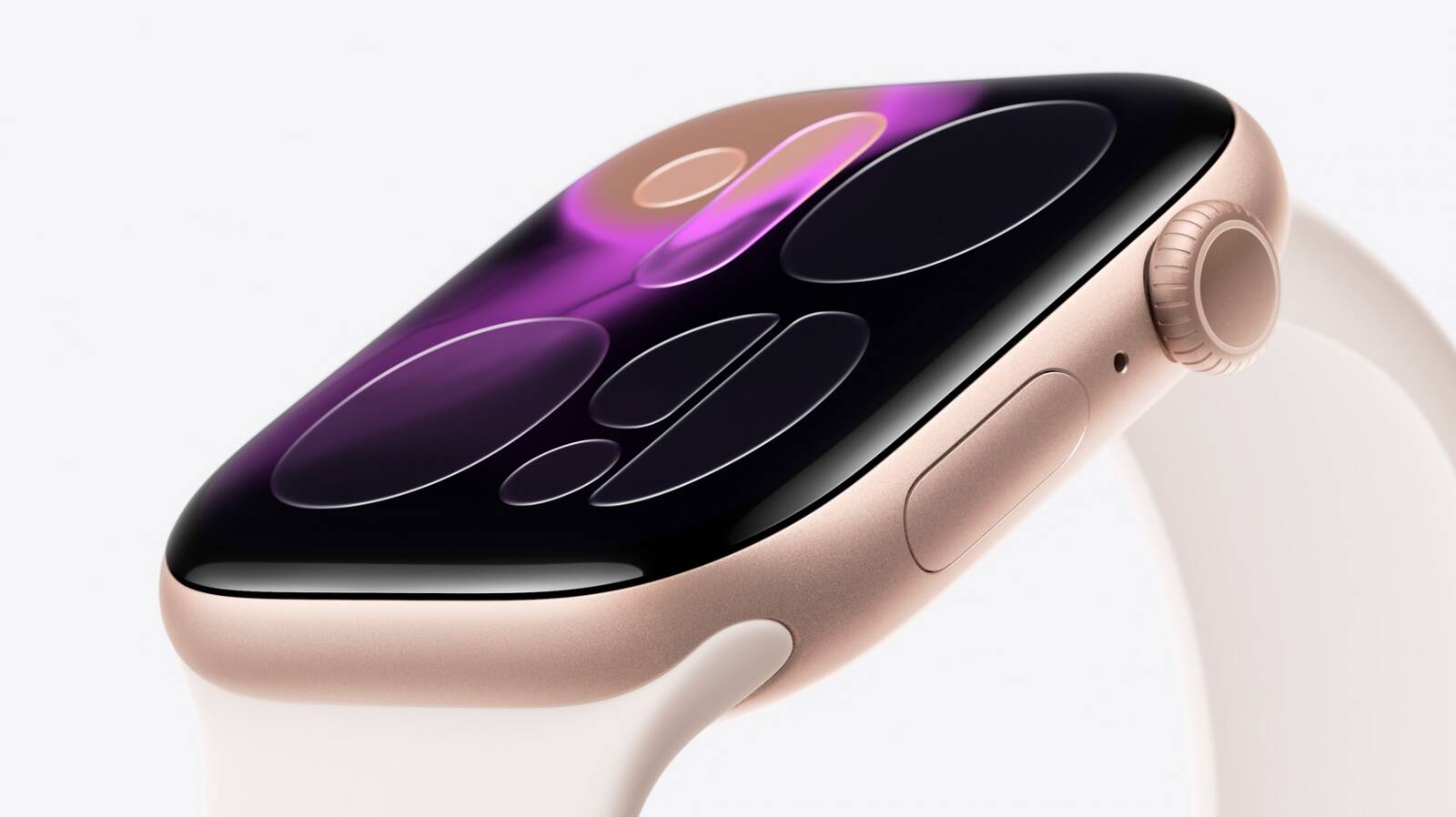
This remarkable dominance by Apple comes at a time when Edge AI technology is making significant inroads into the broader smartwatch market. Counterpoint's Global Smartwatch Shipments Tracker indicates that the overall penetration of Edge AI within smartwatches surged by an impressive 70% year-over-year, reaching a substantial 25% of all smartwatch shipments in Q1 2026. This growth signals a clear trend: consumers and manufacturers alike are recognizing the immense value that on-device AI brings to wearables.
What Exactly is Edge AI, and Why Does it Matter for Your Smartwatch?
Before we delve deeper into Apple's success, let's clarify what "Edge AI" means. Simply put, Edge AI refers to artificial intelligence that operates directly on a device's own internal chip, rather than relying on external servers or the "cloud" for processing. Imagine your smartwatch acting as its own intelligent brain, capable of making smart decisions and performing complex analyses right on your wrist, without needing to send data to your paired iPhone or a remote data center first.
This localized processing has several profound advantages, especially for devices like smartwatches that deal with sensitive personal data and require instantaneous responses:
- Real-time Performance: Since the AI computations happen directly on the device, there's no delay caused by sending data over the internet and waiting for a response from a server. This is crucial for features that need immediate action, like detecting a fall or an irregular heartbeat.
- Enhanced Data Privacy and Security: One of the most significant benefits of Edge AI is improved privacy. Your personal and health data stays on your device, under your control, reducing the risk of it being intercepted or compromised during transmission to the cloud. This is particularly reassuring for health-related metrics.
- Reduced Reliance on Connectivity: Edge AI features can function even when your smartwatch isn't connected to your phone or Wi-Fi. This means critical functions, such as safety alerts or health monitoring, remain operational in remote areas or situations where connectivity is limited.
- Improved Efficiency and Battery Life: While processing AI on the device requires powerful chips, it can sometimes be more energy-efficient than constantly sending and receiving data over wireless networks. This can contribute to better battery life for your smartwatch.
- Personalized Experiences: With on-device learning, the AI can adapt and become more tailored to your individual patterns and preferences over time, offering more relevant and precise insights without constantly sharing your habits with external services.
On devices like the Apple Watch, the integration of Edge AI means that the onboard Neural Engine – a dedicated part of the chip designed specifically for AI tasks – can handle complex operations instantly. For example, when your Apple Watch detects an irregular heartbeat (a potential sign of atrial fibrillation) or registers a severe fall, these critical analyses are performed on the watch itself. This immediate, private processing allows for quicker alerts and more reliable life-saving features without the need for data to travel to your iPhone or to Apple's servers first.
Anshika Jain, a Principal Analyst at Counterpoint Research, perfectly encapsulated the industry's shift:
Brands have been continuously upgrading their smartwatch hardware to make devices more AI-capable. Edge AI integration enables real-time health insights and faster responses while helping ensure data privacy. Currently, Edge AI penetration remains limited to leading brands, with Apple solely accounting for ~90% of Edge AI smartwatch shipments in Q1 2026.
This statement underscores the strategic importance of Edge AI and highlights that while the technology is transformative, its adoption is currently concentrated among a few key players, with Apple undeniably at the forefront.
Apple's Strategic Head Start: How They Built Their Edge AI Empire
Apple's overwhelming lead in the Edge AI smartwatch market isn't a stroke of luck; it's the result of years of strategic planning, significant investment in hardware development, and a deep understanding of user needs. Their head start can be traced back to 2023, a pivotal year when Apple introduced the S9 chip, which featured a brand-new 4-core Neural Engine. This wasn't just any chip; it was specifically engineered to accelerate on-device machine learning tasks within the Apple Watch.
This early commitment to dedicated AI hardware gave Apple a crucial advantage. By designing custom silicon from the ground up to handle AI computations efficiently, they were able to integrate advanced features that competitors were still conceptualizing. This integrated approach, where hardware and software are developed in tandem, is a hallmark of Apple's product strategy and allows for unparalleled optimization and performance.
The benefits of this early adoption are clear: Apple Watch users have enjoyed advanced health and safety features that run with incredible accuracy and speed, all while maintaining a high level of data privacy. This has not only differentiated the Apple Watch from its rivals but has also cemented its reputation as a leading health and wellness device.
The Primary Battleground: Health and Fitness Monitoring
While Edge AI has broad potential, its most immediate and impactful application on smartwatches has been in the realm of health and fitness monitoring. Counterpoint's data strongly confirms this trend, showcasing significant year-over-year growth in shipments for specific health features powered by Edge AI:
- Blood Pressure Monitoring: Shipments of smartwatches capable of monitoring blood pressure doubled in the past year. This feature, when integrated with Edge AI, allows for more accurate and timely readings, providing users with crucial insights into their cardiovascular health without constant calibration or external devices. The on-device AI helps in interpreting the sensor data to provide reliable measurements.
- Sleep Apnea Detection: Even more remarkably, shipments of smartwatches with sleep apnea detection capabilities tripled year-over-year. Sleep apnea is a serious condition, and its detection typically requires specialized equipment. By leveraging Edge AI to analyze sleep patterns, breathing irregularities, and heart rate data directly on the watch, users can be alerted to potential issues, prompting them to seek medical advice. This represents a significant step forward in preventative health.
- Irregular Heartbeat (AFib) Detection: As mentioned, the Apple Watch has been a pioneer in detecting atrial fibrillation (AFib), a form of irregular heartbeat. Edge AI allows the watch to continuously monitor heart rhythms in the background and detect anomalies with high accuracy, immediately notifying the user.
- Fall Detection: Another life-saving feature, fall detection relies on Edge AI to differentiate between normal movements and a genuine fall, automatically contacting emergency services if the user is unresponsive.
- Advanced Workout Tracking: Edge AI can also enhance fitness tracking by analyzing subtle nuances in movement, heart rate variability, and other biometrics to provide more personalized and accurate workout insights, coaching, and recovery recommendations.
The next major frontier that brands are reportedly setting their sights on is diabetes detection. Imagine a smartwatch that could non-invasively monitor key indicators and alert individuals to early signs of diabetes or help manage existing conditions. This would be a monumental leap, potentially revolutionizing how millions of people manage their health. The complexity of such detection would heavily rely on sophisticated Edge AI algorithms capable of analyzing multiple data points from various sensors on the watch.
These health-centric applications highlight the transformative power of Edge AI. They move smartwatches beyond mere notification devices to become proactive health guardians, empowering users with timely, personalized, and private health insights that can genuinely improve quality of life and even save lives.
The Race Heats Up: Competitors Entering the Edge AI Arena
While Apple enjoys a significant lead, the competitive landscape is far from static. Other major players are keenly aware of the importance of Edge AI and are rapidly working to introduce their own capabilities. The gap, however, illustrates the challenge of catching up to Apple's multi-year head start in custom silicon development:
- Huawei's Entry (2025): Huawei, a significant player in the global tech market, followed Apple's lead in 2025 with its own comparable silicon. They launched the Kirin W80 chip, designed to power its "Celia" voice assistant locally on the device. This move signifies Huawei's commitment to on-device AI for improved user interaction and privacy. However, a two-year gap in dedicated AI chip development represents a substantial hurdle in terms of feature parity and performance.
- Qualcomm's Upcoming Platform (This Year): Qualcomm, a dominant force in mobile processors and a key supplier for many Android smartwatches, is set to enter the Edge AI race this year with its Snapdragon Wear Elite platform. This is a crucial development, as Qualcomm's chipsets power a vast array of non-Apple smartwatches. The introduction of a dedicated AI platform from Qualcomm could significantly accelerate the adoption of Edge AI features across the broader Android smartwatch ecosystem, potentially offering powerful tools to many brands.
- Google's Ambitions (Yet to Ship): Google, with its Pixel Watch line and deep expertise in AI, is also reportedly preparing its own Tensor-based wearable chip. The Tensor chips, known for their strong AI capabilities in Google's Pixel phones, could bring sophisticated on-device AI processing to the Pixel Watch, enhancing features like voice commands, health tracking, and overall smart assistance. The anticipation is high, but the challenge remains in bringing this hardware to market and integrating it effectively.
The staggered entry of these tech giants underscores the complexity and investment required to develop dedicated AI hardware for wearables. It's not simply about adding an AI label; it's about integrating a powerful, energy-efficient neural engine that can consistently deliver on the promise of real-time, private, and intelligent features.
The competition is vital for innovation. As these companies introduce their own Edge AI solutions, we can expect to see a rapid acceleration of new features, improved performance, and potentially more accessible AI-powered smartwatches across various price points.
Alternative Paths: Software-Driven Edge AI and the Democratization of Features
While dedicated neural processing units (NPUs) like Apple's Neural Engine are currently leading the charge, Counterpoint Research highlights an emerging alternative: a software-driven approach to Edge AI. This method aims to bring AI inference capabilities to devices without the need for purpose-built neural hardware, potentially opening the door for cheaper smartwatches to offer some level of Edge AI functionality.
One notable example is Ambiq's Apollo platform, which runs AI inference on vector-core silicon using Arm's Helium extensions. Instead of relying on a completely separate, custom-designed NPU, this approach leverages existing processor architecture (specifically, vector-processing capabilities) and enhances it with software to perform AI tasks. Think of it as making existing general-purpose hardware smarter through clever software optimization.
This approach presents a compelling set of advantages and disadvantages:
- Pros of Software-Driven Edge AI:
- Lower Cost: It can reduce the bill of materials for smartwatch manufacturers, as they might not need to integrate an expensive, dedicated NPU. This can translate to more affordable smartwatches for consumers.
- Wider Accessibility: By making Edge AI less dependent on specialized hardware, it could democratize access to these features, allowing a broader range of devices, including budget-friendly options, to incorporate some on-device intelligence.
- Faster Adoption for Existing Hardware: Manufacturers might be able to update existing hardware platforms with software enhancements to enable some Edge AI capabilities, speeding up the time to market.
- Cons of Software-Driven Edge AI:
- Performance Limitations: While clever, running AI on general-purpose or vector-core silicon may not match the raw performance, efficiency, or speed of a dedicated, purpose-built NPU like Apple's. Complex AI models might run slower or consume more power.
- Niche Application: Currently, this approach remains a niche compared to the dedicated-chip strategy. For demanding AI tasks, dedicated hardware still holds a significant advantage.
- Development Complexity: Optimizing AI models to run efficiently on non-NPU hardware still requires significant software engineering effort.
The emergence of software-driven alternatives is an exciting development. While it may not compete directly with the high-performance capabilities of devices like the Apple Watch in every aspect, it offers a pathway for a broader segment of the smartwatch market to integrate valuable Edge AI features. This could lead to a future where even entry-level smartwatches offer basic on-device health monitoring or smart assistant functionalities, making intelligent wearables more ubiquitous.
Defining "Edge AI-Capable": Counterpoint's Criteria
To ensure consistency and meaningful analysis, Counterpoint Research has established clear criteria for classifying a smartwatch as "Edge AI-capable." It's not enough for a device to simply boast about AI; it must demonstrate genuine on-device intelligence:
- Dedicated Hardware: The smartwatch must have a neural engine or a Neural Processing Unit (NPU) on board. This signifies that the manufacturer has invested in specialized hardware designed to accelerate AI computations.
- Actual Inference on Chip: Crucially, at least one of the smartwatch's health, safety, or interaction features must *actually run its inference* (the process of using an AI model to make a prediction or decision) on that dedicated chip.
This second point is particularly important. It prevents brands from simply including an NPU for marketing purposes without genuinely leveraging its capabilities. For a smartwatch to be truly Edge AI-capable, its core intelligent features must be powered by the on-device AI hardware, demonstrating a real commitment to the technology and its benefits for the user.
This rigorous definition helps separate genuine Edge AI smartwatches from those that might only perform basic tasks on the device while relying on cloud processing for anything more complex, or simply include an NPU without actively utilizing it for core features.
The Future is On Your Wrist: What's Next for Smartwatches and Edge AI?
The current landscape, with Apple leading the charge and competitors rapidly catching up, paints a clear picture: Edge AI is not just a passing trend; it's the future of smartwatches. As the technology matures and becomes more widespread, we can anticipate a host of exciting developments that will further integrate these devices into our lives:
- More Sophisticated Health Monitoring: Beyond blood pressure and sleep apnea, expect smartwatches to delve deeper into continuous glucose monitoring (diabetes detection), advanced stress analysis, early disease detection, and even personalized drug adherence tracking. Edge AI will be crucial for processing this complex biological data privately and in real-time.
- Personalized Coaching and Wellness: Your smartwatch could become an even smarter personal coach, offering highly tailored fitness plans, mental wellness exercises, and dietary advice based on your unique biometric data and habits, all processed securely on your device.
- Enhanced Voice Assistants: On-device AI will make voice assistants like Apple's Siri, Huawei's Celia, and Google's Assistant even faster, more natural, and capable of understanding complex commands without a constant internet connection.
- Advanced Safety Features: Improvements in fall detection, emergency SOS, and proactive safety alerts will continue, making smartwatches even more reliable guardians for the elderly, children, and adventurers.
- Seamless Interaction and Gesture Control: Future smartwatches might interpret subtle gestures or even gaze patterns using Edge AI, offering new, intuitive ways to interact with the device without touching the screen.
- Extended Battery Life: As Edge AI chips become even more power-efficient, and tasks are optimized to run locally, we could see significant improvements in smartwatch battery life, reducing the need for frequent charging.
- Increased Customization: Edge AI could allow for deeper personalization of watch faces, app layouts, and notifications, adapting to your usage patterns and preferences without constantly sharing this data.
The ongoing competition, driven by innovations from Apple, Huawei, Qualcomm, Google, and others, will undoubtedly accelerate these advancements. As more brands integrate dedicated AI hardware or sophisticated software-driven solutions, the capabilities of smartwatches will expand exponentially. This will lead to devices that are not just accessories but truly intelligent, personalized, and privacy-focused companions that play an even more critical role in managing our health, safety, and daily lives.
The race to innovate in Edge AI for smartwatches is not just about market share; it's about pushing the boundaries of what wearable technology can achieve. It's about empowering individuals with real-time insights, enhanced privacy, and a more responsive, intelligent experience directly from their wrist. The future of wearables is intelligent, and it's happening right at the edge.
Conclusion
Apple's staggering 90% share of Edge AI-capable smartwatch shipments in Q1 2026 is a powerful testament to its foresight and unwavering commitment to developing advanced, on-device artificial intelligence. By integrating a dedicated Neural Engine into its Apple Watch chips since 2023, Apple established a significant lead, enabling features like real-time health monitoring and fall detection with unmatched speed and privacy.
The overall market for Edge AI in smartwatches is experiencing rapid growth, fueled by the demand for instant, secure health insights, such as blood pressure monitoring and sleep apnea detection, with diabetes detection poised to be the next major breakthrough. While competitors like Huawei, Qualcomm, and Google are now making their moves into the dedicated AI silicon space, Apple's early investment has created a substantial barrier to entry.
However, the emergence of software-driven Edge AI solutions offers a promising path for broader market adoption, potentially bringing intelligent features to a wider range of smartwatches. As defined by Counterpoint Research, true Edge AI capability requires not just the presence of a neural engine but its active utilization for core features, ensuring meaningful innovation.
The journey of Edge AI in smartwatches is just beginning. As technology progresses, we can look forward to even more sophisticated, personalized, and life-enhancing functionalities directly on our wrists, making these devices indispensable tools for managing our health, safety, and overall well-being in an increasingly connected world.
This article, "Apple Watch Accounts for 90% of AI Smartwatch Shipments" first appeared on MacRumors.com
Discuss this article in our forums
from MacRumors
-via DynaSage
