
Apple Reportedly Ramps Up Vapor Chamber Orders for Foldable iPhone
Apple Boosts Orders for Advanced Cooling Tech: What It Means for Foldable and Anniversary iPhones
Exciting news is emerging from the tech world, hinting at Apple's ambitious plans for its next generation of iPhones. A recent report from a reliable Chinese leaker suggests that Apple has significantly increased its orders for "vapor chamber cooling" components. These advanced cooling systems are believed to be essential for two highly anticipated devices: the company's groundbreaking foldable iPhone and the special 20th-anniversary iPhone models.
This move highlights Apple's commitment to pushing the boundaries of smartphone design and performance. As devices become more powerful and complex, managing heat effectively becomes a critical challenge. Vapor chamber cooling is a sophisticated solution designed to keep internal temperatures in check, ensuring that these cutting-edge iPhones can deliver top-tier performance without overheating.
Understanding Vapor Chamber Cooling: The Science Behind Keeping Cool
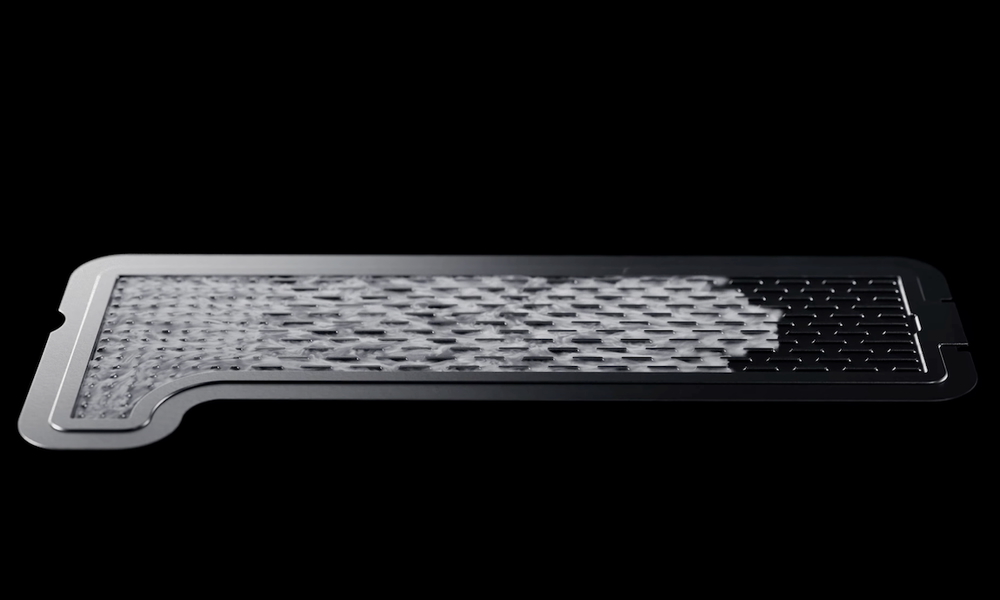
Before diving into the specifics of these new iPhones, let's understand what vapor chamber cooling is and why it's so important. Imagine a flat, sealed chamber filled with a small amount of a special liquid, often deionized water. Inside this chamber, there's a structure called a wick.
When the processor (like Apple's A-series chip) generates heat, it causes the liquid closest to the heat source (the "evaporator" section) to turn into vapor. This vapor then rapidly moves to cooler parts of the chamber. As it travels, it disperses the heat. When the vapor reaches a cooler area (the "condenser" section), it turns back into liquid. This liquid is then drawn back to the hot area by the wick structure, starting the cycle all over again. This continuous process efficiently moves heat away from critical components, preventing them from getting too hot.
Compared to traditional cooling methods, which often rely on solid metal heat sinks, vapor chambers offer several advantages. They can transfer heat much more quickly and distribute it more evenly across a larger surface area. This is crucial for modern smartphones, which pack powerful processors into incredibly thin designs. Without effective cooling, these devices would "throttle" their performance – essentially slowing down to prevent damage from overheating. Vapor chambers allow devices to sustain peak performance for longer periods, whether you're playing a graphics-intensive game, editing a video, or running demanding applications.
Apple first introduced this advanced cooling technology to its iPhone lineup with last year's iPhone 17 Pro. In that model, the system works to move heat away from the powerful A19 Pro chip, distributing it throughout the device's aluminum unibody frame. This integration has likely contributed to the iPhone 17 Pro's ability to handle intensive tasks with greater efficiency and less performance degradation over time.
The Foldable iPhone: A New Frontier in Design and Engineering
The first device poised to benefit from this increased vapor chamber order volume is Apple's long-rumored foldable iPhone. The Weibo account known as "Fixed Focus Digital," a source with a track record for accurate Apple leaks, claims that these components are earmarked for Apple's innovative book-style foldable, often referred to as the "iPhone Ultra." This revolutionary device is widely anticipated to make its debut in September.
The excitement around a foldable iPhone is immense. While other manufacturers have already released foldable devices, Apple's entry into this category is expected to set new standards for design, user experience, and reliability. A "book-style" foldable typically means a device that opens horizontally, much like a book, revealing a larger, tablet-like display. This design offers the best of both worlds: a compact form factor for portability and a spacious screen for productivity and entertainment.
The challenges in designing such a device are significant, especially concerning thermal management. The intricate foldable mechanism, combined with a potentially thinner internal structure and limited space for heat dissipation, creates unique cooling hurdles. When a phone folds, its internal components are compressed, and the hinge itself can occupy valuable space that might otherwise be used for cooling solutions. Furthermore, a larger internal display, when unfolded, often implies a more powerful processor is needed to drive it, generating even more heat.
Fixed Focus Digital previously hinted at the foldable iPhone featuring "impressive" vapor chamber cooling, stating that Apple is "going all out" with the device's thermal engineering. This phrase suggests an unprecedented level of attention and resources being dedicated to ensuring the foldable iPhone can handle its internal heat effectively. While direct corroboration is still pending, it's highly plausible that Apple's chosen foldable design necessitates such advanced cooling. The goal would be to ensure that users experience seamless performance whether the device is folded or unfolded, without any slowdowns or discomfort from excessive heat.
Production Goals and Market Impact
The increased order volume for cooling components also aligns with ambitious production targets. Apple has reportedly requested suppliers to produce approximately 10 million foldable iPhones in 2026. This figure represents a substantial increase from an earlier forecast of seven to eight million units. Such an uplift in production targets indicates strong confidence from Apple regarding the foldable iPhone's market appeal and its ability to meet demand.
Entering the foldable market is a strategic move for Apple. While they are a bit later to the game compared to some competitors, their approach typically involves waiting until the technology is mature and refining it to their high standards. This increased production forecast suggests that Apple believes it has developed a compelling foldable product that will resonate with consumers, potentially revitalizing the premium smartphone segment and solidifying its position at the forefront of mobile innovation.
The 20th-Anniversary iPhone: A Vision of the Future
Beyond the foldable model, the boosted vapor chamber orders are also said to be for Apple's upcoming 20th-anniversary iPhone. This special edition device, expected next year, is rumored to feature a radically redesigned enclosure, pushing the boundaries of what an iPhone looks like.
The whispers suggest an edge-to-edge display with glass that curves around all four sides. The ultimate aim is to create a nearly borderless appearance, a design feat that would make the display truly melt into the device's frame. This would be a significant aesthetic leap, even from current iPhones which already boast impressive screen-to-body ratios.
If these rumors hold true and Apple indeed introduces such a device with a substantially redesigned enclosure, it stands to reason that it too will require a more advanced cooling system. A truly borderless design would likely mean even tighter internal packing of components, leaving less room for traditional heat dissipation. Furthermore, such an anniversary model often comes with the latest and most powerful chip, pushing performance boundaries and, consequently, generating more heat.
Apple has a history of marking significant milestones with special iPhone models. The iPhone X, released for the 10th anniversary, introduced a radical redesign with Face ID and an edge-to-edge OLED display. The 20th-anniversary iPhone is expected to follow this tradition, serving as a showcase for Apple's latest technological advancements and design philosophy.
The anniversary lineup is expected to offer two models in 2027, with sizes similar to the forthcoming iPhone 18 Pro and iPhone 18 Pro Max. These devices are rumored to retain the familiar 6.3-inch and 6.9-inch dimensions of the current iPhone 17 Pro models, suggesting that next year's commemorative lineup could use the same display sizes while still offering revolutionary design elements.
Earlier this week, Fixed Focus Digital claimed that Apple's "preferred approach" for the iPhone 20 (likely the anniversary model) is a return to a more prominent glass design. The leaker also mentioned that relevant manufacturing facilities have already been renovated in anticipation of this project. A predominantly glass enclosure, while aesthetically stunning and facilitating wireless charging, also presents unique challenges for durability and internal thermal management, making advanced cooling even more vital.
The Broader Implications of Apple's Cooling Strategy
The decision to ramp up vapor chamber orders for multiple flagship devices speaks volumes about Apple's strategic priorities. It underscores a fundamental understanding that raw processing power is only as good as the thermal management system supporting it. As chips become exponentially more powerful with each generation (like the A19 Pro and its successors), and as devices shrink and adopt more complex designs, the battle against heat intensifies.
This commitment to advanced cooling benefits users directly. It means:
- Sustained Performance: Your iPhone will be able to handle demanding games, complex augmented reality applications, and intensive multitasking for longer periods without slowing down.
- Improved Longevity: Keeping internal components cooler can contribute to the overall lifespan of the device.
- Enhanced User Experience: A phone that stays cool to the touch is more comfortable to hold, especially during extended use.
- Future-Proofing: Robust cooling systems allow for the integration of even more powerful hardware and advanced features in future iterations.
Furthermore, this move signals Apple's intention to differentiate its future devices in a highly competitive market. By investing heavily in thermal engineering, Apple aims to deliver not just innovative designs but also uncompromising performance and reliability, setting its foldable and anniversary iPhones apart from the competition.
Looking Ahead: The Future of iPhone Innovation
The news about increased vapor chamber orders paints an exciting picture for the future of the iPhone. It suggests that Apple is not just iterating on existing designs but is actively investing in the foundational technologies needed to support truly revolutionary products.
The foldable iPhone, or iPhone Ultra, represents Apple's bold step into a new form factor, promising a versatile device that can adapt to various user needs. The 20th-anniversary iPhone, with its rumored borderless glass design, hints at Apple's vision for the aesthetic and tactile future of smartphones, pushing the boundaries of industrial design.
Both devices, while distinct in their innovation, share a common thread: the necessity for sophisticated thermal management. Vapor chamber cooling is not just an incremental upgrade; it's an enabling technology that allows these ambitious designs and powerful components to coexist harmoniously. As we eagerly await the official unveiling of these devices, one thing is clear: Apple is pulling out all the stops to ensure its next generation of iPhones will not only look incredible but will also perform flawlessly under pressure.
This focused investment in cooling technology is a testament to Apple's holistic approach to product development, where every detail, from the powerful chip to the sophisticated cooling system and the elegant enclosure, works together to deliver an unparalleled user experience. The future of the iPhone promises to be cooler, more powerful, and more groundbreaking than ever before.
This article, "Apple Reportedly Ramps Up Vapor Chamber Orders for Foldable iPhone" first appeared on MacRumors.com
Discuss this article in our forums
from MacRumors
-via DynaSage
