
Apple Plans AirPods-Like Pairing for Meta's Glasses and Quest
Apple's Big Move: Enabling Seamless Device Pairing for Everyone, Including Meta!
Imagine a world where all your smart devices, regardless of who made them, just... work together. No awkward re-pairing, no digging through settings every time you switch from your iPhone to your iPad. For Apple users, this dream has largely been a reality within Apple's own ecosystem – think of how effortlessly your AirPods or Apple Watch transition between your different Apple devices. Now, get ready for a significant leap: Apple is developing a brand-new system that will extend this magical, automatic pairing experience to third-party accessories, including popular products like Meta's Ray-Ban Meta smart glasses and Quest virtual reality headsets.
This groundbreaking development, revealed on Apple's EU Interoperability Request page, signals a major shift in how Apple interacts with the wider tech world. It’s a direct response to growing demands for greater interoperability, particularly spurred by new regulations in the European Union. For users, this could mean an end to the frustrating friction often encountered when trying to integrate non-Apple hardware into their predominantly Apple lives. The future of connected devices looks set to become a lot smoother, more intuitive, and ultimately, more user-friendly.
The Frustrating Reality: Why Seamless Pairing Matters
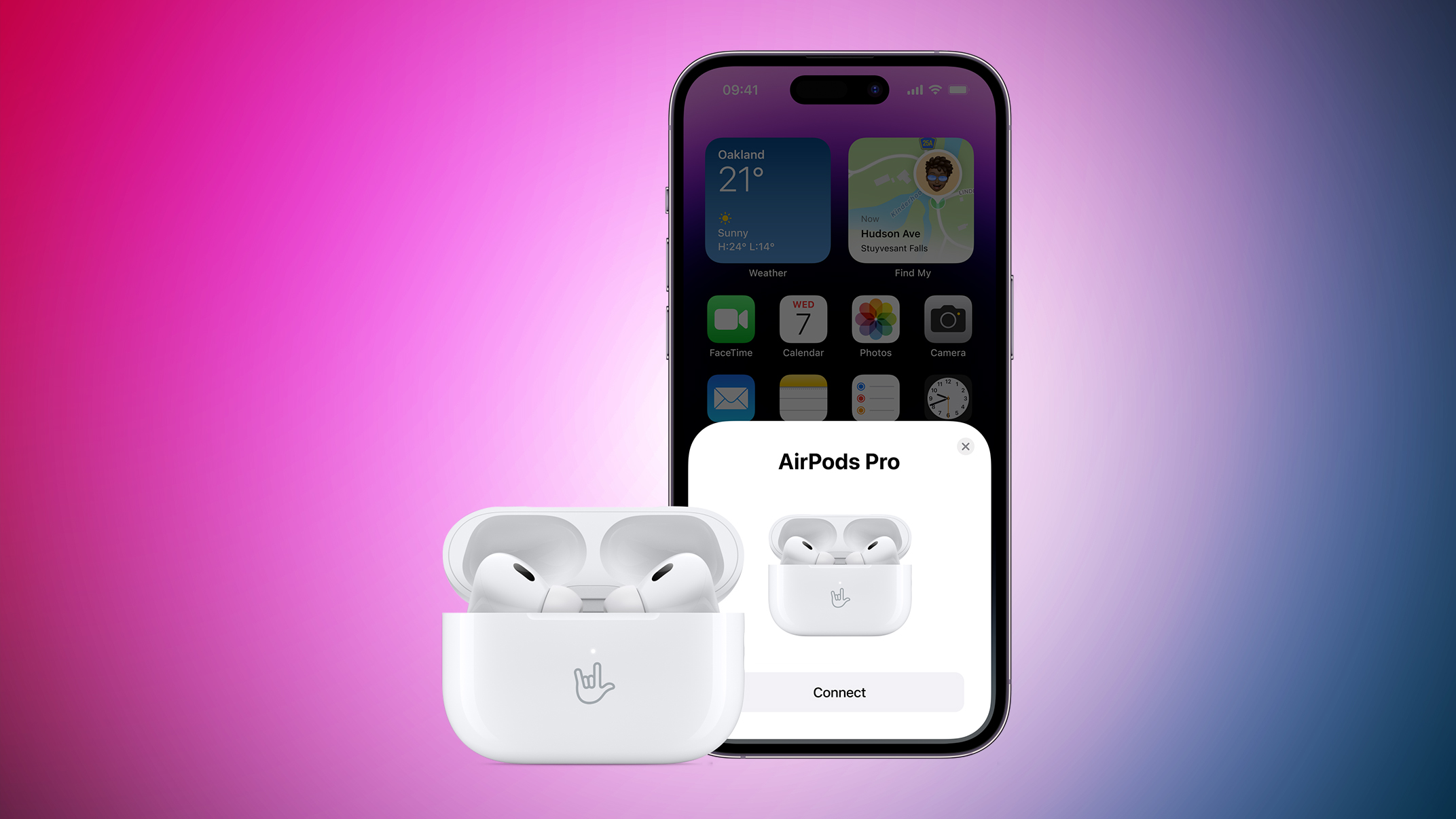
For years, one of the unsung heroes of the Apple ecosystem has been its incredible device interoperability. If you own a pair of AirPods, you know the magic: pair them once with your iPhone, and they're instantly available on your iPad, Mac, and Apple Watch, switching seamlessly between them based on what you’re using. This "just works" philosophy has been a core tenet of Apple's user experience, creating a tightly integrated and incredibly convenient environment for its users.
However, this seamless experience has traditionally been exclusive to Apple's own hardware. The moment you introduce a third-party accessory – whether it's a pair of Bluetooth headphones from another brand, a smart speaker, or an advanced device like Meta's smart glasses or VR headsets – you hit a wall. Suddenly, the effortless transitions disappear. You might have to manually pair your device with your iPhone, and then if you want to use it with your iPad, you'd likely have to go through the pairing process all over again. This isn't just a minor inconvenience; it's a source of genuine "friction" that disrupts the flow of your digital life and often leads to frustration.
Consider the scenario with Meta's popular devices. Ray-Ban Meta smart glasses allow you to capture photos and videos, listen to music, and make calls, all without pulling out your phone. Meta Quest headsets offer immersive virtual reality experiences. For users who own these devices alongside an iPhone or iPad, the current setup means a more cumbersome experience. Each time they switch their primary device from an iPhone to an iPad, or vice versa, they often have to re-establish connections or manually select devices, breaking the immersive or convenient flow that these devices promise. This friction can discourage users from fully integrating their non-Apple hardware into their daily routines, effectively creating a barrier to a truly interconnected personal tech ecosystem.
This challenge isn't just about minor annoyances; it speaks to a broader issue of consumer choice and device compatibility. In a world where people increasingly mix and match technologies from different brands, the inability of devices to talk to each other effortlessly becomes a significant drawback. It forces users to choose between the seamless experience of a single-brand ecosystem and the innovation and variety offered by the broader market. Apple's new initiative aims to bridge this very gap, promising a future where your chosen accessories integrate as smoothly as if they were made by Apple itself.
Apple's Groundbreaking Solution: A New API for Universal Pairing
In a significant shift, Apple has confirmed its intention to build a new Application Programming Interface (API) that will finally allow third-party accessories to mimic the seamless, automatic pairing capabilities of its own AirPods and Apple Watch. This is a monumental step that promises to revolutionize how users interact with their diverse range of smart devices.
At the heart of Apple's plan is the provision for third-party apps to access "cryptographic materials." In simpler terms, these are secure digital keys and certificates that allow devices to trust each other. When an accessory like Meta's Ray-Ban Meta glasses is initially paired with one Apple device (say, an iPhone), these cryptographic materials will be securely exchanged. The key innovation is that these materials will then be made available across the user's other Apple devices, such as an iPad or Mac, without requiring a separate, manual pairing process for each device.
This cross-device availability will be secured by a "session key" and a "one-time, per-accessory user consent." The session key acts like a temporary, highly secure handshake that ensures only authorized devices and accessories can communicate. The "one-time, per-accessory user consent" means that when you first set up a new third-party accessory, you'll be prompted to grant permission for it to automatically pair across your Apple devices. Once granted, that consent applies to that specific accessory across your entire Apple ecosystem, eliminating repetitive prompts and ensuring a secure yet effortless experience.
Apple has outlined an ambitious timeline for this development. They expect to finalize the new API by "spring 2027" and plan to ship it "shortly thereafter." This suggests that users could see this feature roll out with an upcoming iOS update, possibly an iOS 27.x version like iOS 27.4. While Apple has not yet confirmed a specific version number, the commitment to a definite timeline underscores the importance of this project. When this feature becomes live, it will fundamentally change the user experience, transforming a fragmented ecosystem into one where all your devices, both Apple and third-party, truly work in harmony.
The Catalyst: Meta, the EU, and the Digital Markets Act
This significant development from Apple didn't emerge in a vacuum. It's a direct response to a formal request filed by Meta in October 2025, made under the framework of the European Union's groundbreaking Digital Markets Act (DMA). To truly understand the gravity of Apple's move, it's essential to delve into the roles of Meta and the DMA.
Meta's Push for Interoperability
Meta, a technology giant with a vast array of products, including its popular Ray-Ban Meta smart glasses and Quest VR headsets, recognized the friction points experienced by its users who also rely on Apple devices. Meta's request was straightforward: once one of their devices is paired with an iPhone or iPad, it should automatically become available on a user's other Apple devices without any additional prompts or manual re-pairing. This request aimed to elevate the user experience for Meta devices to the same level of convenience enjoyed by Apple's own AirPods, thereby making their products more attractive and functional within the broader Apple ecosystem.
For Meta, achieving this seamless integration is crucial for several reasons. Firstly, it enhances the value proposition of their smart glasses and VR headsets for iPhone users, removing a significant hurdle to adoption and daily use. Secondly, it levels the playing field, ensuring that Meta's hardware doesn't suffer from a competitive disadvantage simply because it isn't made by Apple. As Meta continues to invest heavily in its vision for the metaverse, ensuring its devices can easily connect and operate within existing mobile ecosystems, especially Apple's dominant iOS platform, is paramount to its long-term strategy.
Demystifying the Digital Markets Act (DMA)
The European Union's Digital Markets Act is a landmark piece of legislation designed to ensure fair competition and create a more open digital landscape. Enacted in 2022 and fully applicable from March 2024, the DMA targets large online platforms, dubbed "gatekeepers," which include tech giants like Apple, Google, Meta, Amazon, and Microsoft. The Act aims to prevent these gatekeepers from imposing unfair conditions on businesses and end-users, fostering innovation, competition, and consumer choice.
The DMA identifies specific behaviors that gatekeepers must avoid (like self-preferencing their own services) and mandates certain obligations, such as interoperability. The idea is to dismantle "walled gardens" – closed ecosystems where companies control every aspect of the user experience and make it difficult for rival services or products to compete fairly. Meta's request to Apple falls directly under the DMA's provisions, compelling Apple to consider opening up its ecosystem in ways it might not have otherwise.
This isn't the first time the DMA has influenced Apple's practices. The Act has already led to significant changes, such as opening up iOS to alternative app stores in the EU, and mandating interoperability for messaging services. The DMA empowers companies like Meta to formally request specific changes that promote fairer competition and better interoperability, and it provides a legal framework for these requests to be addressed. Apple's plan to develop this new API is a direct consequence of this regulatory pressure, demonstrating the profound impact of the DMA on global tech policy and consumer experience.
In essence, Meta's request served as the trigger, but the DMA provided the legal muscle, pushing Apple to consider a level of interoperability for third-party accessories that was previously unimaginable. This signals a new era where regulatory bodies play a crucial role in shaping the technological landscape, prioritizing user choice and market fairness above all else.
Under the Hood: AccessorySetupKit vs. Core Bluetooth
While the prospect of seamless third-party accessory pairing is exciting, the technical implementation presents some interesting challenges and disagreements. Apple's solution relies on an existing infrastructure called "AccessorySetupKit" and "Proximity Pairing." Meta, however, relies on "Core Bluetooth" for pairing its devices everywhere outside Europe, and this is where the current debate lies.
AccessorySetupKit and Proximity Pairing: Apple's DMA Compliance Framework
Apple developed AccessorySetupKit and Proximity Pairing as part of its efforts to comply with a March 2025 European Commission ruling, which itself was driven by the DMA. This infrastructure enables certain interoperability features, such as the proximity pairing feature already live for EU users. In simple terms, AccessorySetupKit allows accessories to initiate a more streamlined setup process with Apple devices, and Proximity Pairing specifically refers to the ability for devices to quickly discover and connect to nearby Apple hardware. This system is designed with Apple's stringent security and privacy standards in mind, ensuring that even as the ecosystem opens up, user data remains protected.
The crucial point here is that this infrastructure, for now, "only works in the EU." This geographical limitation underscores its origin as a compliance mechanism specifically for European regulations. Apple is offering Meta access to this existing framework to enable the requested cross-device pairing functionality.
Meta's Objection: The Core Bluetooth Dilemma
Meta has, however, expressed objections to adopting AccessorySetupKit. Their primary concern is that doing so would force them to "abandon Core Bluetooth," which is the foundational technology they currently use for pairing their devices everywhere outside the European Union. Core Bluetooth is Apple's framework that allows apps to communicate with Bluetooth Low Energy (BLE) devices. It's a widely adopted standard for accessory communication, and Meta has likely built a significant portion of its device pairing logic around it for global compatibility.
Meta's argument is that migrating to AccessorySetupKit would necessitate a significant re-engineering of their software and firmware, creating a potentially costly and time-consuming parallel development path. They would effectively have to maintain two distinct pairing systems: Core Bluetooth for the rest of the world and AccessorySetupKit for the EU. This complexity could introduce bugs, increase development costs, and create a fragmented user experience across different regions. Therefore, Meta has asked Apple to "decouple the two," meaning they want the cross-device pairing functionality to be accessible via Core Bluetooth, allowing them to maintain a single, unified technical approach globally.
Apple's Stance and the Path Forward
So far, Apple has "declined" Meta's request to decouple the systems. This suggests Apple prefers to offer access via its DMA-compliant framework, AccessorySetupKit, which presumably integrates more tightly with its security protocols and ecosystem controls. However, Apple did offer a glimmer of hope, stating that support for this feature "outside the EU is something we are still considering." This indicates that while immediate decoupling is off the table, Apple might be open to expanding AccessorySetupKit's reach or finding a global solution in the future, possibly after observing its implementation and effectiveness within the EU.
The technical disagreement highlights a broader tension between platform control and developer flexibility. Apple prioritizes its secure, integrated ecosystem, while third-party developers like Meta seek universal standards that minimize development overhead. Resolving this will be key to the broader success and global adoption of seamless third-party pairing.
What This Means for You: A User Experience Revolution
If Apple's new API successfully rolls out and is adopted by manufacturers like Meta, it will spark a genuine revolution in user experience, particularly for those who navigate a mixed ecosystem of Apple and non-Apple devices. The promise is simple yet profound: an end to pairing headaches and the dawn of truly seamless device integration.
Effortless Device Switching
Imagine this scenario: you're listening to music on your Ray-Ban Meta smart glasses, connected to your iPhone. You walk into your living room, pick up your iPad to watch a video, and without touching a single setting, your Meta glasses automatically switch their audio connection to your iPad. Later, you sit down at your Mac for a video call, and again, the connection seamlessly transfers. This is the "AirPods-like" experience that Apple is working to extend to third-party accessories. It means saying goodbye to manually disconnecting from one device and reconnecting to another, reducing frustration and saving precious moments throughout your day.
For users of Meta Quest headsets, this could mean an easier transition between using the headset for VR experiences and then quickly switching back to their iPhone for notifications or other tasks, without having to re-pair or troubleshoot connections. The magic of "it just works" would extend beyond Apple's immediate family of devices, making the entire ecosystem feel more cohesive and intelligent.
Greater Freedom and Choice
This development significantly enhances user freedom and choice. Historically, if you wanted the ultimate seamless experience, you were often encouraged to buy into a single brand's ecosystem entirely. While Apple's products are excellent, restricting seamless functionality to first-party accessories inherently limits consumer options. By opening up the automatic pairing capability, Apple is empowering users to choose the best accessories for their needs, regardless of the manufacturer, and still expect a premium, integrated experience.
It means you can enjoy the innovative features of Meta's smart glasses or the immersive world of Quest VR without feeling penalized for not choosing an Apple-branded alternative (if one even exists). This shift promotes a more open and competitive accessory market, where product features and quality, rather than ecosystem lock-in, become the primary drivers of consumer decisions.
A More Unified Digital Life
In our increasingly connected world, our digital lives span multiple devices and platforms. The inability of these devices to communicate efficiently can create digital silos, breaking the flow of our activities. This new API promises to break down those silos, fostering a more unified and harmonious digital existence. Your iPhone, iPad, Mac, and chosen third-party accessories will start to behave as a single, intelligent network of tools, anticipating your needs and seamlessly adapting to your context.
Beyond Meta, this could pave the way for other smart accessories – from advanced health monitors to smart home devices – to integrate more deeply and effortlessly into the Apple ecosystem. While the initial focus is on Meta due to the DMA request, the underlying API could theoretically be made available to other manufacturers, broadening the impact exponentially. This isn't just an improvement; it's a paradigm shift towards a truly interconnected and user-centric future for personal technology.
Broader Implications: Apple's Evolving Ecosystem
Apple's decision to develop this new API carries profound implications that extend far beyond just seamless pairing for Meta's devices. It signals a significant evolution in Apple's ecosystem strategy, challenges its long-standing "walled garden" reputation, and could reshape the competitive landscape for tech accessories.
Softening the "Walled Garden"
For decades, Apple has been known for its tightly controlled, vertically integrated ecosystem – often lovingly referred to as a "walled garden." This approach has been a cornerstone of its success, ensuring unparalleled user experience, security, and performance. However, it has also been a source of criticism, with accusations of anti-competitive practices and limiting user choice. This new API represents one of the most visible cracks in that wall, indicating a willingness, albeit one spurred by regulation, to open up core functionalities to third-party hardware.
While Apple is not abandoning its commitment to quality or security, this move demonstrates a pragmatic adaptation to a changing regulatory and market environment. It shows that even a company as dominant as Apple must evolve its strategies in response to external pressures, prioritizing interoperability to maintain its competitive edge and address consumer demands for flexibility.
Impact on Competition and Innovation
The extension of AirPods-like pairing to third-party accessories could ignite a new wave of competition and innovation in the accessory market. Currently, third-party accessory makers face an uphill battle against Apple's own offerings, not just in terms of features or price, but in fundamental user experience like pairing. By providing a standardized, seamless pairing mechanism, Apple levels the playing field significantly.
This means that other manufacturers will have a stronger incentive to innovate, knowing their products can integrate more smoothly with Apple's vast user base. It could lead to a proliferation of more sophisticated, feature-rich accessories that don't compromise on ease of use. This is a win for consumers, who will benefit from a wider array of high-quality choices and better integration with their existing devices. It also pushes Apple itself to continue innovating with its own accessories, as the inherent "seamlessness" advantage will be diminished.
A Strategic Shift or Forced Compliance?
It's important to consider whether this is a strategic shift on Apple's part or simply a forced compliance with regulatory demands. The fact that this development stems directly from a Meta request under the EU's Digital Markets Act strongly suggests the latter. Without the DMA, it's unlikely Apple would have voluntarily opened up such a core aspect of its ecosystem.
However, even forced compliance can lead to strategic re-evaluation. Apple may recognize that, once implemented, the benefits of broader interoperability (e.g., increased user satisfaction, potentially attracting new users to the Apple ecosystem because it's less restrictive) could outweigh the perceived disadvantages of a slightly less "closed" system. It could be a reluctant embrace of a new reality, where interoperability is not just a regulatory mandate but an evolving market expectation. This move could serve as a template for how Apple might navigate future interoperability challenges, both within and outside the EU.
Ultimately, Apple's evolving ecosystem strategy is a complex interplay of maintaining its brand values, delivering a premium user experience, and navigating an increasingly scrutinized regulatory landscape. This new API for third-party pairing is a powerful testament to these ongoing dynamics.
The Road Ahead: Challenges, Timelines, and Global Hopes
While the announcement of Apple's plan is a major step forward, the journey to universal, seamless pairing for third-party accessories is still unfolding. Several key aspects need to be monitored as we move towards the anticipated rollout.
Current Status: Phase Three and Potential Disputes
As of Apple's most recent update, the request from Meta remains in "phase three." This indicates that while Apple has responded with a plan, the complete implementation and final agreement are not yet achieved. This phase likely involves detailed technical discussions, potentially further negotiations, and the development work itself.
Meta still has the option to "invoke the DMA's formal dispute resolution process." Should Meta decide that Apple's proposed solution (specifically the reliance on AccessorySetupKit rather than Core Bluetooth) is inadequate or does not fully meet the spirit of the DMA's interoperability requirements, they could escalate the matter. This would trigger a review by Apple's Interoperability Request Review Board, which would then have 30 working days to assess the situation and potentially issue a binding decision. Such a dispute could introduce delays or necessitate further adjustments to Apple's plan. For now, however, Meta has not yet initiated this formal process, allowing Apple's current development plan to proceed.
Timeline for Rollout: Spring 2027 and iOS 27.x
Apple's commitment to finishing development by "spring 2027" and shipping "shortly thereafter" provides a clear, albeit still distant, timeline. This aligns with a potential release in an iOS 27.x update, possibly iOS 27.4, which typically occurs later in an iOS version's lifecycle, often introducing significant new features or compliance updates. While the specific version is unconfirmed, the spring 2027 target gives both developers and users a concrete expectation.
Developers at Meta and other interested accessory makers will need to prepare for this timeline, potentially adapting their products to integrate with the new AccessorySetupKit API once it becomes available. The speed and quality of this integration will determine how quickly users can experience the benefits.
The Geographical Question: EU Only... For Now?
A critical limitation of Apple's current plan is its exclusive focus on the EU. The reliance on AccessorySetupKit, which was built specifically to comply with EU regulations, means that the seamless pairing feature will initially only be available to users within the European Union. This creates a geographical disparity in user experience, where a Meta device user in Paris might enjoy automatic pairing across their Apple devices, while a user in New York or Tokyo would still face the old friction.
However, Apple's statement that support outside the EU "is something we are still considering" offers hope for a broader rollout. This consideration could be influenced by several factors: the success and stability of the implementation within the EU, feedback from users and developers, and potential regulatory pressures from other regions. While the DMA is an EU initiative, its ripple effects often extend globally, as tech companies frequently prefer to adopt a single, unified approach to their products and services where possible. A global rollout would be the ultimate goal, providing universal convenience to all Apple users with third-party accessories.
The road ahead is paved with exciting possibilities, but also potential technical hurdles and ongoing negotiations. The outcome will depend on Apple's development efforts, Meta's satisfaction with the solution, and the ever-evolving landscape of global tech regulation. One thing is clear: the future of connected devices is becoming increasingly open and interoperable, much to the benefit of consumers worldwide.
Conclusion: A New Era of Interoperability and User Choice
Apple's announcement of a new API to enable AirPods-like automatic pairing for third-party accessories marks a significant milestone in the evolution of personal technology. It's a testament to the growing influence of regulatory bodies like the EU, the persistent advocacy of companies like Meta, and the universal demand from users for a more cohesive and less fragmented digital experience.
This development promises to usher in a new era of interoperability, where the concept of a "walled garden" begins to soften, and the power of choice is truly amplified for consumers. Imagine a world where your favorite smart glasses, VR headsets, and other innovative gadgets integrate effortlessly with your iPhone, iPad, and Mac, bridging the gap between different brands and creating a unified, magical experience that was once reserved only for Apple's own hardware.
While challenges remain – from technical disagreements regarding the implementation to the initial geographical limitations – the commitment to a spring 2027 rollout offers a clear vision for the future. As Apple continues its development, and as the tech industry collectively moves towards a more open standard, users can look forward to a world where their devices work together seamlessly, enhancing convenience, fostering innovation, and truly putting the user experience first. This is more than just a new feature; it's a fundamental shift towards a more connected and intelligent personal tech ecosystem.
This article, "Apple Plans AirPods-Like Pairing for Meta's Glasses and Quest" first appeared on MacRumors.com
Discuss this article in our forums
from MacRumors
-via DynaSage
