
Apple Announces $30 Billion Broadcom Deal to Make More US Chips
Apple's Landmark $30 Billion Broadcom Deal: Powering the Future of U.S. Chip Manufacturing and Innovation
In a significant move that underscores its deepening commitment to domestic manufacturing and cutting-edge technology, Apple has officially announced an expansive multiyear partnership with Broadcom. This monumental agreement is set to revolutionize the design and production of custom silicon components and advanced wireless technologies, marking a new chapter in the long-standing collaboration between the two tech giants. This announcement confirms earlier reports, signaling a strategic investment designed to bolster America's technological infrastructure and foster job creation.
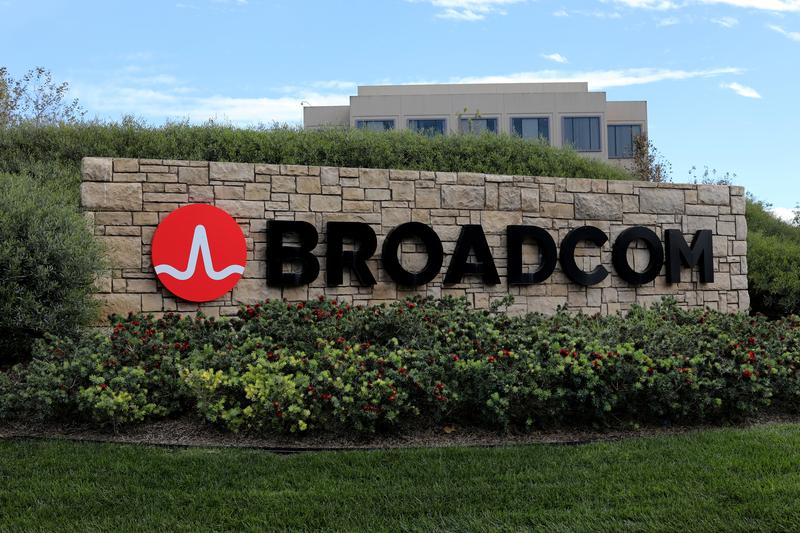
This massive new agreement is projected to exceed a staggering $30 billion, representing one of Apple's most substantial investments in a U.S.-based supplier to date. The partnership aims to facilitate the creation of more than 15 billion U.S.-made chips, a scale that highlights the ambition and strategic importance of this collaboration. Beyond the sheer volume of chips, this initiative is also expected to create and support hundreds of high-skilled American jobs, further strengthening the nation's manufacturing sector and technological expertise.
A Strategic Alliance: Apple and Broadcom's Enduring Partnership
The relationship between Apple and Broadcom is not new; it's a testament to years of successful collaboration in delivering critical components for Apple's diverse product lineup. Broadcom has consistently been a key supplier, providing essential wireless technologies that power the seamless connectivity users have come to expect from iPhones, iPads, Apple Watches, and Mac computers. This latest agreement, however, elevates their partnership to an unprecedented level, focusing on bespoke solutions that are increasingly vital for Apple's innovation roadmap.
Custom silicon components are at the heart of Apple's strategy for differentiation and performance. By designing its own chips, Apple gains unparalleled control over the integration of hardware and software, leading to optimized performance, enhanced power efficiency, and unique features not possible with off-the-shelf components. This strategic vertical integration is a hallmark of Apple's engineering philosophy, enabling devices that are not just powerful but also highly efficient and secure. The partnership with Broadcom means these critical custom components will now be designed and produced with even greater synergy and dedicated resources.
Wireless technologies are the lifeblood of modern communication, and as devices become more interconnected, the demand for advanced, reliable, and high-speed wireless capabilities only grows. Broadcom's expertise in this domain is world-renowned, covering everything from Wi-Fi and Bluetooth to sophisticated radio frequency (RF) technologies essential for 5G connectivity. Through this expanded partnership, Apple aims to secure a robust supply chain for these crucial technologies, ensuring its future products continue to lead the industry in wireless performance and innovation.
The American Manufacturing Program (AMP): A Pillar of U.S. Investment
This landmark deal with Broadcom is deeply embedded within Apple's broader American Manufacturing Program (AMP), an ambitious initiative launched by Apple last year. The AMP was conceived with a clear objective: to invigorate and expand U.S. manufacturing capabilities, fostering economic growth and job creation across the country. Apple's commitment through AMP extends beyond simple purchasing agreements; it involves significant investment in infrastructure, research and development, and workforce training within the United States.
Under the auspices of the AMP, Apple has pledged to invest hundreds of billions of dollars in the U.S. economy, supporting thousands of jobs across various sectors. The program emphasizes collaboration with U.S.-based suppliers and manufacturers, aiming to build a more resilient and geographically diversified supply chain. This strategy not only mitigates geopolitical risks and supply chain disruptions but also contributes directly to the American economy, creating high-value jobs and driving technological advancement domestically.
The Broadcom agreement represents Apple's largest commitment to date within the AMP framework. As part of this historic deal, Broadcom will invest a substantial $1.5 billion to enhance and modernize its manufacturing facility located in Fort Collins, Colorado. This significant investment will transform the Fort Collins plant into a cutting-edge hub for producing advanced radio frequency components and wireless connectivity technologies. This initiative highlights Apple's dedication to developing a robust, U.S.-centric manufacturing ecosystem for critical components.
Fort Collins: A Hub for Advanced Wireless Innovation
The Fort Collins facility, benefiting from this massive injection of capital, will become a cornerstone for the production of highly specialized components. Among these are advanced radio frequency (RF) components, which are indispensable for modern wireless communication. These components are responsible for transmitting and receiving wireless signals in devices like the iPhone, enabling everything from cellular calls and high-speed data to GPS navigation and Wi-Fi connectivity. The complexity and precision required for these parts are immense, making their domestic production a significant technological achievement.
A key area of production at the Fort Collins plant will be FBAR filters. FBAR, or Film Bulk Acoustic Resonator, filters are tiny, highly sophisticated components critical for managing the vast array of radio frequencies used in contemporary smartphones and other wireless devices. In a world saturated with wireless signals from 4G, 5G, Wi-Fi, Bluetooth, and GPS, FBAR filters precisely isolate and process specific frequency bands, preventing interference and ensuring crystal-clear communication. Without these filters, the advanced wireless capabilities of devices like the iPhone would simply not be possible. Producing these advanced filters domestically not only secures Apple's supply chain but also pushes the boundaries of U.S. manufacturing expertise in microelectronics.
Beyond FBAR filters, the facility will also focus on other crucial wireless connectivity technologies. This includes components for Wi-Fi and Bluetooth, which are foundational for almost all modern personal electronics. From connecting AirPods to your iPhone, streaming music to a HomePod, or syncing data between your devices, these technologies are omnipresent. By producing these vital components in the U.S., Apple is ensuring both the reliability and the innovation trajectory of its future products, grounding key parts of its technology ecosystem within American borders.
Tim Cook's Vision: Partnership, Performance, and Patriotism
Tim Cook, Apple's CEO, articulated the significance of this partnership, stating,
"Apple and Broadcom have a long history together, and this new phase of our partnership further accelerates our commitment to American manufacturing and innovation. The cutting-edge components built in Fort Collins are essential to delivering the incredible performance and connectivity our customers expect, and we're proud to deepen our investments in U.S.-based suppliers that share our commitment to excellence and innovation. We're grateful to the president and his administration for supporting important projects like this one."
Cook's statement encapsulates several key themes underlying Apple's strategy. First, it highlights the enduring and successful relationship with Broadcom, positioning this new agreement as a natural evolution rather than a new beginning. This long-term trust and collaboration are crucial for tackling complex engineering challenges and ensuring consistent quality.
Second, the emphasis on "American manufacturing and innovation" reinforces the core tenets of the AMP. It's not just about manufacturing; it's about fostering innovation within the U.S., ensuring that the development and production of advanced technologies remain a strong pillar of the domestic economy. By investing in facilities like Fort Collins, Apple is supporting the growth of a highly skilled workforce and cutting-edge engineering capabilities right at home.
Third, Cook directly links these "cutting-edge components" to the "incredible performance and connectivity our customers expect." This is a critical point for consumers. The advanced RF components and FBAR filters produced by Broadcom are not abstract technical details; they are fundamental to the user experience. They enable faster download speeds, more reliable cellular connections, clearer audio calls, and seamless integration between devices. This partnership directly translates into better products for Apple users globally.
Finally, Cook's acknowledgment of "the president and his administration" underscores the broader economic and political context of this investment. Such large-scale domestic manufacturing initiatives align with national priorities to strengthen supply chains, create jobs, and enhance technological self-reliance. This symbiotic relationship between corporate strategy and national interest creates a powerful impetus for growth and innovation.
Broadcom's Pervasive Role Across Apple's Ecosystem
Broadcom's technological contributions are incredibly widespread throughout Apple's product ecosystem. Their chips cover a broad spectrum of critical functions, making them an indispensable partner. This includes the custom radio frequency components, as previously mentioned, which are optimized specifically for Apple's unique device designs and performance requirements. These bespoke components are key to maximizing signal strength, minimizing interference, and ensuring efficient power consumption in everything from the latest iPhones to the most advanced Apple Watches.
Beyond RF, Broadcom is also a major provider of Wi-Fi and Bluetooth connectivity solutions. Whether you're browsing the web on your MacBook, connecting your AirPods to your iPad, or using AirDrop to share files, Broadcom's chips are often working behind the scenes to enable these seamless experiences. Their expertise ensures robust, high-speed, and low-power wireless communication across Apple's entire range of devices, from personal computing to wearable technology and home automation.
Furthermore, Broadcom contributes other crucial networking semiconductors. While the specifics are often proprietary, these could include components for GPS, NFC (Near Field Communication) for Apple Pay, or even specialized chips for ultra-wideband (UWB) technology, which powers features like AirTag finding and precise spatial awareness in newer iPhones. The breadth of Broadcom's involvement means that their technology touches virtually every aspect of how Apple devices connect, communicate, and interact with the world around them.
This deep integration means that the commitment to produce these components in the U.S. has far-reaching implications. It not only secures a vital part of Apple's supply chain but also ensures that the innovation pipeline for these critical technologies remains robust and strategically aligned with Apple's long-term vision. The partnership solidifies the mutual reliance and shared goal of pushing technological boundaries.
Apple's Broader U.S. Investment Strategy: A $600 Billion Commitment
The $30 billion Broadcom deal, while massive in its own right, is an integral part of an even larger commitment by Apple: an pledge to invest $600 billion in the United States over four years. This ambitious investment plan underscores Apple's dedication to contributing significantly to the American economy across multiple fronts. This isn't just about manufacturing; it's a holistic approach to fostering growth, innovation, and opportunity within the U.S.
This broader investment encompasses several key areas:
- Manufacturing and Supply Chain: As exemplified by the Broadcom deal, a substantial portion of the investment goes into strengthening Apple's U.S. supply chain, working with hundreds of domestic suppliers to produce components for its products. This includes everything from glass and aluminum to advanced semiconductors.
- Research and Development (R&D): Apple continuously invests in R&D facilities and talent across the U.S., driving innovation in areas like artificial intelligence, machine learning, augmented reality, and new materials science. These investments fuel future product development and technological breakthroughs.
- Data Centers: Apple operates several large data centers across the U.S., powered by renewable energy, which support its vast ecosystem of services like iCloud, Apple Music, and the App Store. Investments in these facilities ensure robust and secure services for millions of users.
- The App Economy: While not direct capital investment in the same vein, Apple's App Store ecosystem has created millions of jobs for developers and entrepreneurs across the U.S., generating billions of dollars in economic activity. Apple continually invests in tools, platforms, and support for this thriving developer community.
- Retail and Corporate Campuses: Apple continues to invest in its retail stores and corporate campuses across the U.S., creating jobs in sales, support, and administrative functions, as well as significant construction and infrastructure spending.
By placing the Broadcom deal within this larger $600 billion context, it becomes clear that this partnership is not an isolated event but a carefully planned strategic move that aligns with Apple's overarching vision for its role in the U.S. economy. It signifies a long-term commitment to innovation that is not just designed in California but increasingly built and produced across America.
Conclusion: A Future Forged in Collaboration and Innovation
Apple's multiyear partnership with Broadcom, a deal set to exceed $30 billion and create billions of U.S.-made chips, represents a pivotal moment for both companies and for American manufacturing. It is a clear statement of intent from Apple to deepen its roots in the U.S., securing critical components for its future innovations while simultaneously contributing to job growth and technological advancement domestically.
This collaboration, deeply integrated into Apple's American Manufacturing Program, will see the Fort Collins facility transform into a powerhouse for advanced radio frequency components, including the essential FBAR filters, and other wireless connectivity technologies. The strategic decision to invest heavily in U.S. production for these vital components not only enhances Apple's supply chain resilience but also underscores the company's commitment to delivering unparalleled performance and connectivity to its global customer base.
As Apple continues its impressive $600 billion investment drive across the U.S., this Broadcom deal stands as a testament to the power of long-term partnerships, the pursuit of cutting-edge innovation, and the significant economic impact that strategic corporate investments can have. It heralds a future where the chips that power our most advanced devices are increasingly "Made in America," forged through the collaborative spirit of leading technology companies.
This article, "Apple Announces $30 Billion Broadcom Deal to Make More US Chips" first appeared on MacRumors.com
Discuss this article in our forums
from MacRumors
-via DynaSage
