
Uwe Boll Denies He’s A Nazi After His Immigrant-Murdering Movie Gets Banned
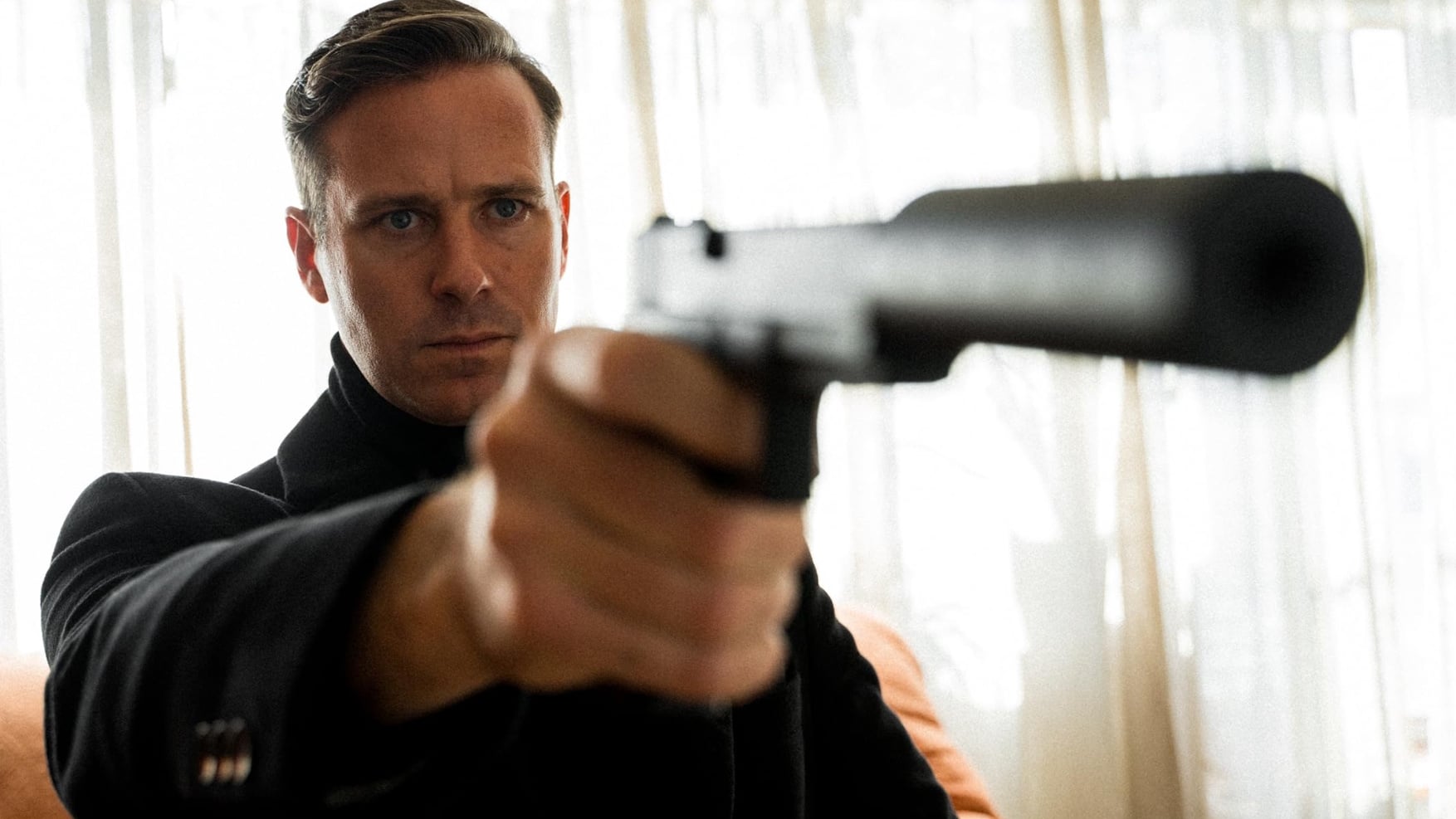
Armie Hammer's Unexpected Return: What "Citizen Vigilante" Could Mean for His Career and Hollywood
The entertainment world is always full of surprises, but few announcements could be as startling as the news that actor Armie Hammer is reportedly starring in a new project titled Citizen Vigilante. For those who have followed Hollywood news in recent years, Hammer's name has become synonymous with a dramatic fall from grace, following a series of serious allegations that effectively halted his once-promising career. This potential return raises numerous questions about accountability, public perception, the nature of a "vigilante," and the complex path to redemption in the fiercely scrutinized world of celebrity.
The very title, Citizen Vigilante, immediately sparks curiosity and a degree of irony, given Hammer's recent history. A "citizen vigilante" implies someone taking justice into their own hands, often outside the bounds of traditional law enforcement. Could this role be a deliberate, meta-commentary on his own experiences with public judgment, or is it merely a coincidence in a script written long before his personal controversies? This blog post will delve into these intriguing possibilities, exploring what this development means for Armie Hammer, the film industry, and the evolving conversation around celebrity comebacks and public forgiveness.
Who is Armie Hammer? A Brief Look at His Rise
Before the controversies that engulfed his public image, Armie Hammer was a celebrated figure in Hollywood, known for his striking looks, commanding presence, and versatile acting skills. His career began gaining significant traction in the early 2010s, with notable roles that showcased his range and charisma. He came from a prominent family, adding a certain allure to his public persona, but it was his talent that truly set him apart.
Hammer's breakout role came in 2010, playing the identical twin founders of Facebook, Cameron and Tyler Winklevoss, in David Fincher's critically acclaimed film, The Social Network. This dual performance earned him widespread praise and established him as a serious actor to watch. He followed this success with a diverse array of projects, including the action-comedy The Man from U.N.C.L.E. (2015), where he displayed his comedic timing and leading man appeal alongside Henry Cavill. He also took on historical dramas and thrillers, steadily building a reputation as a reliable and charismatic performer.
However, it was his starring role in the 2017 romantic drama Call Me by Your Name that solidified his status as a critical darling and a major player in the industry. His portrayal of Oliver, opposite Timothée Chalamet, was universally lauded, earning him Golden Globe and SAG Award nominations. This period marked the peak of his commercial and critical success, with many predicting a long and illustrious career ahead. He was considered a Hollywood heartthrob and a respected artist, appearing in various high-profile films and poised for even greater stardom. His filmography reflects a period of consistent work and recognition, setting the stage for what many believed would be a bright future in the industry.
The Precipitous Fall from Grace
The promising trajectory of Armie Hammer's career came to an abrupt and dramatic halt in early 2021 when a series of shocking allegations surfaced online. These allegations, initially shared anonymously on social media, included claims of disturbing private messages, sexual misconduct, and abusive behavior. The accusations quickly escalated, drawing widespread media attention and leading to a public outcry.
As the allegations gained traction, more women came forward with similar stories, painting a troubling picture of Hammer's private life. The sheer volume and graphic nature of the claims sent shockwaves through Hollywood and among his fanbase. The immediate impact on his career was swift and severe. He was dropped from several upcoming projects, including the romantic comedy Shotgun Wedding (where he was replaced by Josh Duhamel) and the spy thriller Billion Dollar Spy. Talent agencies and public relations firms quickly distanced themselves, and his name became synonymous with scandal rather than star power.
The controversy also led to an investigation by the Los Angeles Police Department regarding an alleged sexual assault, though no charges were ultimately filed against him. Despite the lack of criminal charges, the court of public opinion had already delivered its verdict. Hammer largely retreated from public life, disappearing from social media and canceling all scheduled appearances. He reportedly sought treatment and spent time away from the spotlight, working various odd jobs to make ends meet, a stark contrast to his previous life of luxury and celebrity. His career, once soaring, appeared to be irrevocably damaged, leaving many to wonder if he would ever return to the entertainment industry.
This period highlighted the intense scrutiny faced by public figures in the digital age, where allegations, even without formal legal resolution, can swiftly dismantle a career. The #MeToo movement had already reshaped how Hollywood and the public approached issues of power, consent, and accountability, and Hammer's case became another high-profile example of how quickly public opinion can turn against a celebrity facing serious accusations. The industry, once known for its leniency towards powerful figures, has increasingly had to grapple with the demands for greater ethical standards and transparency.
Exploring the Concept of "Citizen Vigilante"
The title Citizen Vigilante is loaded with implications, especially when linked to an actor like Armie Hammer. A "vigilante" is typically an individual who, without legal authority, takes it upon themselves to enforce justice or punish criminals, often believing the formal legal system has failed. This concept has been explored endlessly in literature, film, and television, from Batman to various action heroes, often presenting a complex moral dilemma about what constitutes justice and who has the right to dispense it.
If Citizen Vigilante is a film or TV series, it could explore a multitude of themes. It might tell the story of an ordinary person pushed to extraordinary lengths by a personal tragedy or a societal injustice. Perhaps the protagonist feels wronged by the system, or sees widespread corruption that official channels cannot or will not address. This narrative often appeals to a primal sense of fairness and a desire for immediate redress, even if it skirts the edges of legality or morality.
Potential Storylines and Themes:
- Personal Redemption: The story could be about a character seeking redemption for past wrongs, using their newfound vigilante status to make amends or prove their worth.
- Critique of the Justice System: The plot might highlight flaws in the legal system, showcasing how it can fail victims or allow powerful individuals to escape accountability. The "citizen" aspect emphasizes the everyday person’s frustration.
- The Dark Side of Online Justice: Given Hammer's own experience, the project could potentially delve into the complexities of "cancel culture" and online mob justice. Is the vigilante a hero or a dangerous force? Does public shaming equate to true justice?
- Blurred Lines of Morality: Many vigilante stories thrive on moral ambiguity. The protagonist might commit questionable acts in pursuit of a greater good, forcing the audience to confront uncomfortable questions about ethics.
- The Nature of Truth: The narrative could explore how truth is perceived, especially when presented by individuals operating outside official structures. What information is reliable, and who decides what is just?
The concept itself, in the context of Hammer's involvement, could be a deliberate choice to provoke thought and discussion. Is the "citizen vigilante" someone who is holding others accountable, or is it a commentary on individuals who take justice into their own hands based on incomplete information or personal biases? This project's potential layers of meaning make it incredibly intriguing, regardless of its ultimate form (film, series, or even a digital game).
Why Armie Hammer for This Role? Speculation and Subtext
The casting of Armie Hammer in a project titled Citizen Vigilante is undeniably provocative. It's difficult to imagine this being a mere coincidence. There are several angles through which one might interpret this casting choice, each offering a fascinating layer of subtext to the project and to Hammer's potential return to the public eye.
Meta-Commentary on Public Scrutiny:
One compelling theory is that Hammer's casting is a deliberate, meta-commentary on his own experience with public judgment and "cancel culture." If the character he plays is himself a figure who has been publicly judged, perhaps wrongly or unfairly, the film could use Hammer's real-life baggage to add an unparalleled layer of authenticity and emotional weight to the performance. An audience would naturally project his personal narrative onto the character, creating a unique and uncomfortable viewing experience that challenges their preconceptions.
Such a role could be a form of artistic catharsis for Hammer, allowing him to explore themes of accusation, isolation, and the search for justice or truth from a deeply personal place. It could be seen as an actor using his own lived, albeit controversial, experiences to fuel a performance, turning personal adversity into artistic expression. This approach is not unprecedented in Hollywood, where actors often draw from their own lives, but few have faced such widespread public condemnation as Hammer.
A Calculated Risk for Redemption:
Alternatively, this could be a calculated risk by a production team and Hammer himself, aiming for a grand redemption narrative. By taking on a role that implicitly addresses themes of justice, accountability, and potentially forgiveness, Hammer might be attempting to re-engage with the public and re-establish his career. A powerful, critically acclaimed performance in such a project could be seen as a path to earning back some goodwill, or at least demonstrating his commitment to his craft despite his personal troubles.
However, this path is fraught with peril. If the project is perceived as self-serving or tone-deaf to the severity of the allegations against him, it could backfire spectacularly, further alienating both the public and the industry. The success of such a strategy would heavily depend on the script's nuance, the direction, and Hammer's ability to deliver a performance that transcends mere celebrity rehabilitation.
The Allure of Controversy:
From a commercial standpoint, the casting of Armie Hammer guarantees headlines and a significant amount of public discourse. In an increasingly competitive media landscape, controversy often translates to attention, and attention can translate to viewership or ticket sales. The production might be banking on the sheer shock value and the ensuing debates to generate buzz for Citizen Vigilante. This isn't just about Hammer's individual talent; it's about the cultural conversation his involvement automatically ignites.
This approach, while commercially appealing, also carries ethical considerations for the production team. Are they exploiting a serious situation for profit? Do they risk trivializing the experiences of those who made allegations? These are questions that will undoubtedly be raised as more details about Citizen Vigilante emerge.
Ultimately, the "why" behind this casting remains speculative without more information about the project itself. However, it's clear that if this news holds true, Armie Hammer's return in Citizen Vigilante will be one of the most talked-about developments in entertainment, forcing audiences and critics alike to confront complex questions about art, morality, and second chances.
The Public's Reaction and the "Cancel Culture" Debate
The potential return of Armie Hammer will undoubtedly reignite intense debates surrounding "cancel culture," public forgiveness, and the appropriate consequences for individuals accused of serious misconduct. The term "cancel culture" refers to the practice of withdrawing support for public figures or companies after they have done or said something considered objectionable, often through social media pressure. While some see it as a vital tool for accountability, others view it as an overly punitive and unforgiving form of public shaming.
Hammer's case is particularly complex because while serious allegations were made, no criminal charges resulted in a conviction. This leaves a significant portion of the public grappling with how to interpret the situation and how to respond to an individual seeking to resume their career. For victims of abuse, the sight of an accused person returning to the spotlight can be deeply painful and feel like a betrayal of justice. For others, particularly those who believe in rehabilitation and second chances, or who question the fairness of public judgment without legal precedent, Hammer's return might be seen as a welcome development or a necessary step towards moving forward.
The conversation around cancel culture often centers on several key questions:
- What constitutes sufficient penance or rehabilitation? Is there a specific period of time, or a particular set of actions, that an individual must undertake before being considered eligible for a return to public life?
- Who decides when someone is "uncancelled"? Is it the industry, the public, or the individual themselves? The fluidity of public opinion makes this especially challenging.
- Are all offenses equal? Should allegations of sexual misconduct be treated differently from, say, offensive social media posts? The nuanced nature of different accusations adds layers of complexity to the debate.
- The role of due process: When public condemnation outpaces or diverges from legal proceedings, how should society weigh these different forms of accountability?
The existence of projects like Citizen Vigilante, particularly with a controversial figure at its helm, forces these conversations back into the mainstream. It challenges audiences to confront their own beliefs about justice, forgiveness, and the power dynamic between celebrities and the public. Regardless of how the project is received, it will serve as a significant touchstone in the ongoing discussion about how society handles public figures who have fallen from grace. A deeper analysis of cancel culture's impact reveals its multifaceted effects on celebrity careers and public dialogue.
The Future of Armie Hammer's Career and Hollywood's Stance on Second Chances
If Citizen Vigilante does indeed mark Armie Hammer's return, it will be a pivotal moment for his career and potentially a bellwether for how Hollywood approaches "second chances" for controversial figures. The industry has a long history of both ostracizing and forgiving its stars, but the digital age and heightened social awareness have made these decisions far more scrutinized.
For Hammer, this role could be a make-or-break moment. A strong, well-received performance that resonates with audiences and critics could open doors that were previously shut. It could signal to other casting directors and studios that he is ready and capable of working again. However, if the project flops, or if his performance is not enough to overcome the shadow of his past, it could solidify his exit from mainstream acting.
The path to a comeback is rarely straightforward. Many actors have navigated similar challenges, some successfully, others not. Mel Gibson, for example, faced significant backlash for antisemitic and misogynistic comments but has slowly rebuilt his career, primarily through directing and supporting roles. Others, like Kevin Spacey, have found it nearly impossible to return to the public sphere following multiple allegations of sexual assault.
Ethical Considerations for Studios:
Studios and production companies now face increased pressure from various stakeholders, including audiences, employees, and investors, to make ethically sound decisions. Casting a controversial actor involves weighing potential artistic merit against reputational risk and the potential for backlash. They must consider:
- Audience Reception: Will audiences boycott the project? Will their enjoyment be overshadowed by the actor's personal life?
- Industry Perception: How will this casting decision reflect on the studio's values and commitment to social responsibility?
- Financial Risk: Will the controversy surrounding the actor impact box office returns or streaming numbers?
- Talent Pool: Are there other actors who could perform the role without the baggage, or is the controversial actor uniquely suited for the part (especially if the role itself plays into the controversy)?
The decision to cast Hammer in Citizen Vigilante suggests that at least one production entity believes the artistic vision or the commercial draw of the controversy outweighs these risks. It could signal a subtle shift in Hollywood, perhaps a willingness to test the waters of public forgiveness, or simply a belief that controversy sells. However, it’s also possible that this is an independent production, less bound by the corporate pressures of major studios.
Ultimately, the future of Armie Hammer's career hinges on a complex interplay of personal accountability, public perception, the quality of his work, and the evolving moral compass of the entertainment industry. His journey will be closely watched, not just by fans and critics, but by anyone interested in the broader implications of celebrity culture and the enduring question of whether, and how, public figures can truly come back from scandal. Industry insights on celebrity comebacks further illustrate the challenges and nuances involved.
The Power of Digital Media and Online Justice
Armie Hammer's situation, and the very concept of a "Citizen Vigilante," are deeply intertwined with the pervasive influence of digital media and the rise of online forms of justice. Social media platforms have democratized information sharing, allowing allegations to surface and spread with unprecedented speed, often bypassing traditional journalistic filters or legal processes.
In Hammer's case, the initial wave of accusations gained traction through anonymous online posts, quickly spiraling into a widespread public reckoning. This phenomenon highlights the double-edged sword of digital communication: it can empower individuals to speak out against powerful figures, but it also creates an environment where reputations can be destroyed without formal legal due process. The "citizen vigilante" in the digital age might not wield weapons, but rather keyboards and hashtags, initiating a form of public shaming that can be just as devastating as any physical action.
Key aspects of digital media's impact:
- Rapid Dissemination: News, rumors, and allegations spread globally in minutes, making it difficult for public figures to control narratives.
- Crowdsourced Justice: Online communities often act as informal juries, collectively investigating, condemning, or defending individuals based on shared information and sentiment.
- Erosion of Privacy: The lines between public and private life become blurred, with personal messages and intimate details often exposed and scrutinized.
- Echo Chambers and Polarization: Social media algorithms can create filter bubbles, reinforcing existing beliefs and making nuanced discussions challenging, leading to more extreme reactions.
The "citizen vigilante" in the digital sphere is a collective entity – a decentralized network of individuals who, often driven by a sense of moral outrage or a desire for justice, take action against perceived wrongdoers. This action can range from boycotts and public shaming to organized campaigns for deplatforming. This new form of vigilantism raises critical questions about responsibility, the accuracy of information, and the long-term consequences for those targeted.
For a project like Citizen Vigilante starring Hammer, this digital context adds an undeniable layer of irony and potential self-reflection. Is the film itself, by casting Hammer, becoming a form of "vigilantism" against the very "cancel culture" that sidelined him, or is it merely reflecting the complexities of a world grappling with these new forms of accountability? The digital landscape has irrevocably changed how we perceive justice, celebrity, and accountability, making the narrative around Armie Hammer's potential comeback a truly modern saga. Research on online accountability and digital ethics explores these evolving dynamics.
Conclusion: An Unfolding Narrative of Justice and Redemption
The news of Armie Hammer's involvement in Citizen Vigilante marks a fascinating and deeply complex chapter in his career and the broader narrative of celebrity in the 21st century. What began as a promising rise to Hollywood stardom devolved into a public spectacle of serious allegations and a dramatic fall from grace. Now, the prospect of his return, particularly in a role with such an evocative title, forces us all to confront difficult questions about justice, public scrutiny, forgiveness, and the true meaning of a "second chance."
Whether Citizen Vigilante intends to offer a meta-commentary on his personal ordeal, serve as a vehicle for redemption, or simply capitalize on the inherent controversy, it guarantees to be one of the most talked-about projects in recent memory. The public's reaction will undoubtedly be divided, reflecting the ongoing debates about accountability in the age of "cancel culture" and the role of digital media in shaping our perceptions of truth and fairness. The film industry itself will also be watching closely, as Hammer's comeback, or lack thereof, could set precedents for how it handles other controversial figures moving forward.
Armie Hammer's journey from acclaimed actor to disgraced public figure, and now potentially back into the spotlight, embodies many of the moral and ethical dilemmas facing our society. As we await further details about Citizen Vigilante, one thing is clear: this project, with Hammer at its core, is more than just another entertainment production. It is a powerful cultural touchstone, prompting us to examine our own definitions of justice, mercy, and the enduring human desire for both accountability and the possibility of a new beginning.
from Kotaku
-via DynaSage
