
The Forgotten GTA Game That Secretly Hides A Phil Collins Concert
From Iconic Concerts to Real-Life Controversies: The Ever-Evolving World of Grand Theft Auto
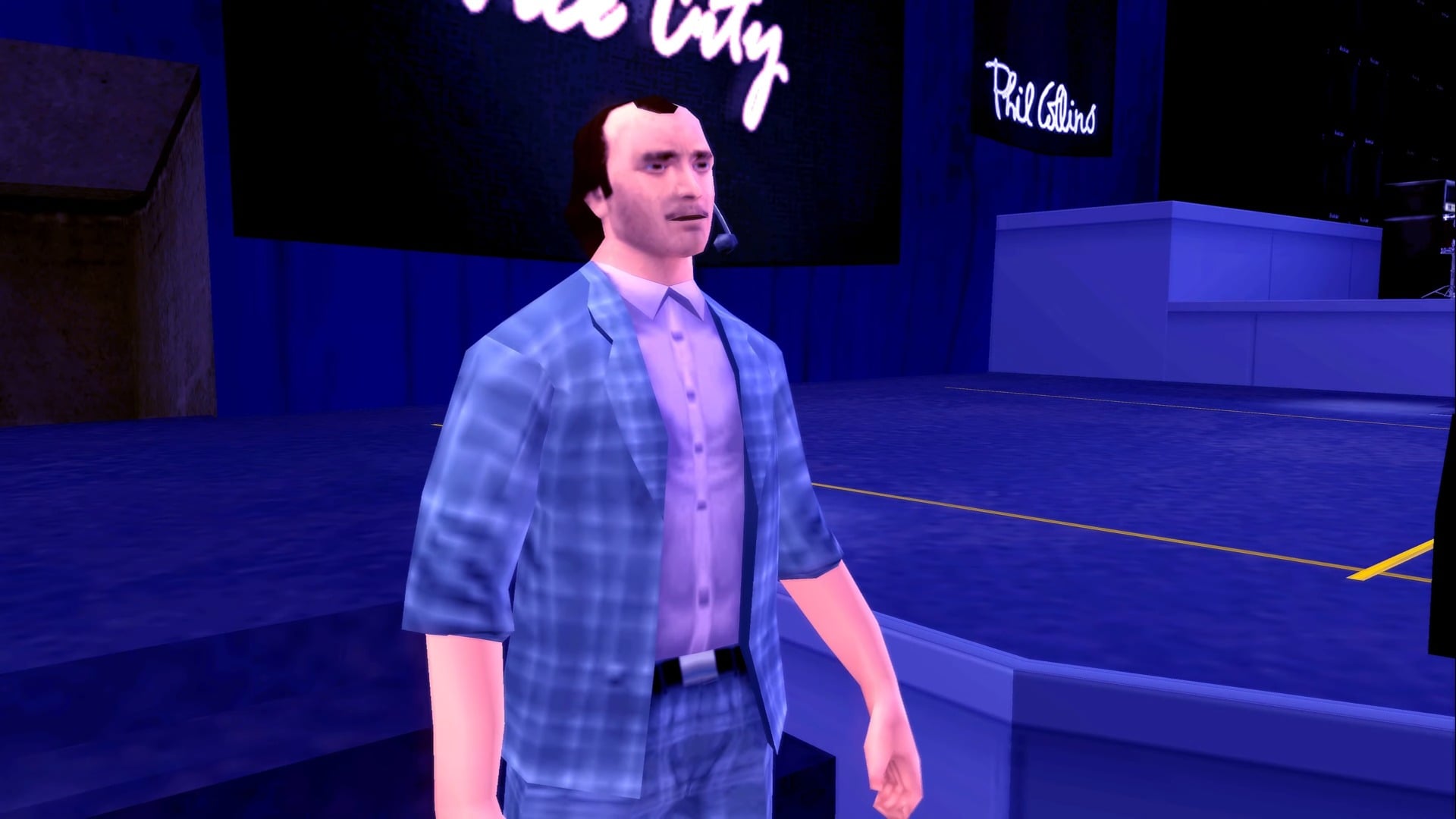
Grand Theft Auto (GTA) is more than just a video game series; it's a cultural phenomenon that constantly pushes boundaries, both in its virtual worlds and its interactions with our own reality. From creating memorable in-game events like a Phil Collins concert in the sun-drenched streets of Vice City to facing real-life demands from individuals who believe their likeness has been used, Rockstar Games navigates a unique intersection of entertainment, satire, and the ever-present influence of popular culture. This article dives into two contrasting yet equally fascinating aspects of the GTA universe: the beloved, immersive experience of a virtual Phil Collins performance and the recent, head-scratching demands of the internet-famous "Florida Joker."
Both scenarios highlight GTA's remarkable ability to mirror, parody, and sometimes even collide with the real world. One represents the creative triumphs and immersive experiences that make GTA so engaging, while the other underscores the complex challenges of drawing inspiration from a world increasingly shaped by digital personas and viral moments. Join us as we explore how GTA masterfully blends fiction with reality, creating a legacy that is both celebrated and, at times, hotly debated.
The Rhythmic Heart of Vice City: Phil Collins and "In The Air Tonight"
A Tropical Paradise with a Soundtrack to Match
The Grand Theft Auto series has always been praised for its incredibly detailed and living game worlds. Few titles exemplify this better than Grand Theft Auto: Vice City Stories, released in 2006 for the PlayStation Portable and PlayStation 2. Set in 1984, two years before the events of the original Grand Theft Auto: Vice City, this prequel plunged players back into the neon-soaked, pastel-hued, cocaine-fueled paradise inspired by Miami. Vice City itself is a character in these games, brought to life not just by its vibrant visuals and distinct architecture, but crucially, by its incredible soundtrack. The 1980s music, a staple of the Vice City experience, plays a massive role in setting the tone, from new wave to pop, rock, and electronic.
The game’s radio stations are legendary, featuring carefully curated lists of real-world tracks that perfectly encapsulate the era. These songs aren't just background noise; they become part of the narrative, enhancing the feeling of being in a fast-paced, often dangerous, yet undeniably stylish world. For many players, cruising down the streets of Vice City with specific tracks blasting from the car radio is as iconic as any mission or character interaction. It's this deep integration of music that made the game's boldest musical inclusion even more impactful.
The Unforgettable In-Game Concert
What truly set Grand Theft Auto: Vice City Stories apart was its groundbreaking inclusion of a full, in-game concert featuring legendary musician Phil Collins. This wasn't just a licensed song playing on the radio; it was a fully rendered, interactive event within the game's narrative. Players, as protagonist Vic Vance, were tasked with protecting Collins during his performance of the iconic track "In The Air Tonight."
The mission, appropriately titled "In the Air Tonight," sees Vic protecting Phil from various assassination attempts orchestrated by enemy gang members. The culmination of this mission is truly spectacular: players get to witness a virtual Phil Collins performing live on stage, complete with animated movements, lighting effects, and a cheering crowd. This wasn't merely a cutscene; it was an experience unfolding in the game world, making players feel like they were genuinely part of something special. It was a testament to Rockstar's ambition and their commitment to creating an unparalleled immersive experience.
The attention to detail was incredible, from the stage design to the crowd's reaction, all designed to make the player feel like they were attending a real 1980s rock concert. It pushed the boundaries of what was expected from a video game, proving that interactive entertainment could seamlessly blend narrative, gameplay, and high-profile licensed content to create truly unforgettable moments. For a handheld game at the time, this level of graphical fidelity and conceptual ambition was nothing short of revolutionary, solidifying Vice City Stories' place in gaming history.
"In The Air Tonight": A Song Etched in Gaming History
The choice of Phil Collins and specifically "In The Air Tonight" was masterful. The song, released in 1981, is known for its intense build-up, brooding atmosphere, and arguably one of the most famous drum breaks in music history. This powerful track perfectly complemented the gritty, often dark undertones of the Grand Theft Auto narrative, even amidst the vibrant Vice City backdrop.
The moment the drum fill kicks in during the in-game performance is an absolute goosebump-inducing highlight, not just for Phil Collins fans but for any gamer who experienced it. It added a layer of dramatic tension and cinematic flair that elevated the mission beyond simple gameplay. The song's themes of betrayal and lingering anger also subtly resonated with Vic Vance's own struggles and the treacherous world he inhabits. By featuring this song so prominently, GTA Vice City Stories not only paid homage to an era-defining artist but also wove the music directly into the fabric of its storytelling, making the song an integral part of the game's identity.
This integration showcased how music can transcend being mere background filler to become a pivotal element of game design, enhancing player engagement and emotional connection. The memory of protecting Phil Collins, then watching him perform this iconic song, remains a deeply cherished moment for many long-time GTA fans, a perfect example of how the series crafts lasting cultural touchstones.
The Power of Licensed Music in Gaming
The Phil Collins concert in Vice City Stories stands as a landmark example of the power of licensed music and celebrity appearances in video games. While many games feature popular soundtracks, actively integrating an artist's performance into the gameplay and narrative is a rare and ambitious feat. This approach does more than just add a recognizable song; it adds a layer of authenticity and cultural resonance that significantly enhances the game's world-building.
By including real-world artists, Rockstar Games tapped into a wellspring of existing fan bases and cultural nostalgia, drawing players deeper into the game’s 1980s setting. It blurred the lines between fantasy and reality in a way that few other forms of media could achieve, providing a truly unique interactive experience. Such inclusions can significantly boost a game's appeal, generate buzz, and create lasting memories for players, forging an unbreakable bond between the game, the music, and the era it represents. It’s a powerful tool for immersion, transporting players not just to a different place, but to a different time, complete with its iconic sounds and personalities.
Nostalgia and Immersion: Why These Moments Matter
The Phil Collins concert isn't just a cool feature; it’s a masterclass in evoking nostalgia and deep immersion. For players who grew up with Phil Collins' music or the aesthetic of the 1980s, this in-game event was a powerful trip down memory lane. For newer players, it offered a vibrant, interactive window into a significant cultural period. This kind of detail elevates a game from a simple pastime to a profound cultural experience. It makes the game world feel more alive, more connected to our own history, and thus, more believable.
Moments like these are crucial for establishing a game's legacy. They become talking points, shared experiences, and benchmarks against which future game features are measured. The fusion of iconic music, a celebrated artist, and a compelling game world created a moment that is still discussed and celebrated years later. It's a testament to Rockstar's vision in understanding how deeply intertwined music, narrative, and player agency can be, crafting experiences that resonate on an emotional level and leave an indelible mark on players' imaginations. This dedication to crafting a rich, multi-sensory world is a hallmark of the GTA series, making each installment a unique journey through a carefully constructed reality.
When Reality Bites Back: The Florida Joker and GTA 6
The Character Who Captivated the Internet
Fast forward from the nostalgic streets of Vice City to the modern era, where the forthcoming Grand Theft Auto VI (GTA 6) is already generating immense excitement and, unexpectedly, a real-world controversy. The catalyst for this recent stir is an individual known across the internet as "The Florida Joker." This moniker belongs to Lawrence Sullivan, who gained viral fame after his 2017 mugshot, featuring green hair and extensive face tattoos reminiscent of Batman's iconic villain, made headlines.
Sullivan quickly embraced his newfound internet persona, frequently appearing in videos and social media posts, often dressed in character. He became a living embodiment of the "Florida Man" meme, a figure whose bizarre antics often make national news. His distinctive appearance and embrace of the Joker identity made him a recognizable, albeit niche, internet celebrity, a modern example of how individuals can achieve viral fame for their unique, often eccentric, qualities. His story is a classic example of how real-life personalities, particularly those with a striking visual presence, can capture public attention and become cultural footnotes, sometimes in the most unexpected ways.
GTA 6 Trailer and the Uncanny Resemblance
The first official trailer for Grand Theft Auto VI dropped in December 2023, sending shockwaves through the gaming world. Amidst the stunning visuals of Leonida (the game's version of Florida), its vibrant cities, and a diverse cast of characters, eagle-eyed viewers quickly spotted a particular character who bore an undeniable, almost uncanny, resemblance to the Florida Joker. This character, briefly featured in the trailer, had green hair, face tattoos, and a generally wild, unhinged look, perfectly fitting the infamous real-life individual's aesthetic.
The internet exploded with comparisons, with countless memes and social media posts highlighting the striking similarity. It was immediately clear that Rockstar Games, known for its satirical take on American culture and its propensity to draw inspiration from real-life events and personas, had once again mirrored reality within its virtual world. This wasn't just a generic character; the visual cues were too specific, too aligned with Lawrence Sullivan's viral image, to be a mere coincidence. The character quickly became one of the most talked-about aspects of the trailer, not just for its visual distinctiveness, but for the potential implications of its real-world inspiration.
The $100 Demand and Its Escalation
Upon seeing the character in the GTA 6 trailer, Lawrence Sullivan, the Florida Joker himself, swiftly responded. He began posting videos on social media, demanding compensation from Rockstar Games for allegedly using his likeness without permission. While the initial demands were for varying amounts, the most widely reported and ironically humorous demand, as referenced, was for a symbolic $100. This sum, seemingly paltry for a blockbuster game of GTA's magnitude, highlighted the absurdity of the situation while also drawing further attention to his claims.
Over time, his demands escalated, with Sullivan later asking for millions of dollars and even threatening legal action if Rockstar didn't pay him or meet his demands, which also included a voice acting role. This back-and-forth has created a media spectacle, with Sullivan consistently posting updates and making new threats, even going as far as to give Rockstar an ultimatum. The situation has become a bizarre intersection of internet fame, video game development, and the complexities of intellectual property rights, fueling ongoing discussions about how far creative freedom extends when drawing from real-life individuals, especially those who have achieved public notoriety.
Inspiration vs. Imitation: The Legal and Ethical Gray Area
The Florida Joker controversy brings to the forefront a long-standing debate in creative industries: where is the line between inspiration and imitation? Video games, particularly satirical ones like Grand Theft Auto, frequently draw from real-life events, people, and cultural tropes. This practice is often protected under principles of parody, satire, and freedom of speech, allowing creators to comment on society without direct legal ramifications for every perceived resemblance.
However, when a fictional character bears such a striking and specific likeness to a recognizable individual, especially one who has cultivated a public persona, questions of personal rights, publicity rights, and potential likeness infringement arise. The challenge for developers like Rockstar is to create characters that feel authentic and grounded in reality, reflecting contemporary culture, while avoiding direct copying that could lead to legal challenges. It's a delicate balance between crafting compelling, believable worlds and respecting the rights of individuals. The legal system often weighs the degree of transformation of the original material and whether the fictional portrayal is clearly a parody or a direct appropriation. This gray area is precisely where the Florida Joker’s claims reside, highlighting the complex legal and ethical considerations inherent in modern creative works that blur the lines between reality and fiction.
Rockstar's History of Real-World Inspirations
Rockstar Games has a long and well-documented history of weaving real-world events, figures, and cultural phenomena into the fabric of its Grand Theft Auto series. This approach is fundamental to the series' satirical edge, allowing it to hold a mirror up to American society, often with biting commentary. From lampooning celebrity culture and political figures to creating entire cities that are thinly veiled parodies of Los Angeles, New York, and Miami, Rockstar excels at crafting a virtual world that feels both familiar and exaggerated.
Previous GTA titles have featured numerous characters, storylines, and even radio advertisements that are clearly inspired by real-life counterparts. For instance, characters resembling real-life celebrities or politicians have often appeared, albeit with altered names and exaggerated traits, to serve as vehicles for satire. The controversies around these depictions have typically been less direct, often focusing on general cultural critique rather than specific individual likenesses. This historical precedent suggests that Rockstar operates with a clear intention to parody and satirize, using real-world elements as a springboard for its unique brand of storytelling. The Florida Joker situation, however, feels more direct because of the specific, distinctive visual traits that have been so publicly associated with Lawrence Sullivan, making it a particularly salient case study in the ongoing dialogue about intellectual property and artistic freedom.
The Future of IP and Public Figures in Games
The Florida Joker controversy, whether it leads to serious legal action or simply fades into internet lore, underscores the evolving challenges for game developers and other creators in an age where personal brands, viral fame, and digital personas are increasingly prevalent. As technology allows for more realistic character designs and public figures cultivate highly specific online images, the line between inspiration and actionable likeness will only become blurrier.
This situation could influence how developers approach character creation, potentially leading to more cautious design processes or a greater reliance on original, non-referential character concepts. It also highlights the growing importance of understanding publicity rights and intellectual property law in the digital age. The entertainment industry will likely see more such cases as the virtual and real worlds continue to intertwine, pushing legal frameworks to adapt to new forms of creative expression and appropriation. The outcome of the Florida Joker's demands, or similar future cases, could set important precedents for how public figures and their unique appearances are treated in the vast and ever-expanding landscape of interactive entertainment.
The Grand Theft Auto Paradox: Crafting Worlds, Navigating Reality
From Homage to Headline: Two Sides of the Same Coin
The Phil Collins concert in Vice City Stories and the Florida Joker's demands for GTA 6 represent two fascinating, yet contrasting, facets of Grand Theft Auto's engagement with the real world. On one hand, the Phil Collins inclusion was a carefully planned, mutually beneficial collaboration that resulted in a beloved, immersive in-game experience. It was a clear homage, a celebration of 1980s culture, and a testament to the game's ambition to integrate real-world entertainment into its fictional universe seamlessly. This scenario demonstrates how GTA can elevate the gaming experience by directly incorporating elements of popular culture, creating moments of joy and nostalgia for players.
On the other hand, the Florida Joker situation is an unforeseen consequence of drawing inspiration from public figures in the internet age. It's a collision of unintentional resemblance, perceived appropriation, and the complexities of modern intellectual property rights. This scenario showcases the challenges that arise when a game known for its satirical mirror to society accidentally reflects a real individual in a way that leads to claims of exploitation. Together, these two incidents paint a complete picture of Rockstar's unique position: celebrated for its immersive world-building and cultural commentary, yet constantly navigating the intricate, sometimes contentious, relationship between its fictional creations and the very real world that inspires them.
The Cultural Reflection of GTA
Grand Theft Auto has always excelled at being a cultural zeitgeist, a sprawling commentary on American life, consumerism, and the pursuit of the 'American Dream,' often through questionable means. Its worlds are teeming with satirical advertisements, parody talk radio shows, and characters that brilliantly reflect societal archetypes and contemporary issues. From lampooning celebrity excesses to critiquing political landscapes and social trends, GTA holds up a distorted, yet often acutely accurate, mirror to our world.
This constant cultural reflection is precisely why the series resonates so deeply with millions of players worldwide. It doesn't just offer an escape; it offers a highly interactive, often humorous, and sometimes uncomfortable critique of the very society we live in. The inclusion of a Phil Collins concert serves as a nostalgic celebration of a bygone era's pop culture, while the Florida Joker controversy is a vivid example of how current, often absurd, internet culture can directly influence and interact with the game's development. Both instances, in their own unique ways, underscore GTA's unparalleled ability to capture, interpret, and reflect the ever-changing tapestry of global popular culture.
The Evolution of Gaming's Relationship with the Real World
The Grand Theft Auto series, through these contrasting examples, clearly illustrates the evolving relationship between video games and the real world. Games are no longer confined to being mere escapist fantasies; they have matured into powerful mediums capable of complex storytelling, social commentary, and deep cultural engagement. They can be platforms for artistic expression that draw heavily from, and often comment on, our shared reality. The detailed immersion of the Phil Collins concert demonstrates gaming's capacity to create rich, authentic experiences that rival traditional media in their ability to captivate and entertain.
Conversely, the Florida Joker incident highlights the increasing complexities that arise when games become so adept at mirroring reality. In an age of viral content, deepfakes, and easily accessible public personas, the legal and ethical boundaries of creative inspiration are constantly being redefined. As games become more realistic and more integrated into the broader cultural conversation, they will undoubtedly continue to grapple with these challenges. Rockstar Games, as a pioneer in this space, is at the forefront of this evolution, constantly pushing the envelope of what's possible in interactive entertainment while simultaneously navigating the real-world implications of its ambitious vision.
Conclusion: The Enduring Legacy of Grand Theft Auto
The journey through Vice City's memorable Phil Collins concert and the modern-day demands of the Florida Joker for GTA 6 vividly showcases the Grand Theft Auto series' enduring legacy. It is a legacy built on bold creative choices, unparalleled world-building, and an unwavering commitment to both entertain and provoke thought. Whether through meticulously crafted in-game events that create lasting memories or through unexpected real-world interactions that spark global discussions, GTA consistently demonstrates its profound impact on entertainment and culture.
Rockstar Games has masterfully created a universe that is both a reflection and a parody of our own, inviting players to immerse themselves in its vibrant, often chaotic, world. As the anticipation for GTA 6 continues to build, these instances remind us that Grand Theft Auto is more than just a game; it is a dynamic, living entity that continues to shape, challenge, and reflect the very culture it draws from. Its ability to generate both widespread joy and intriguing controversy is a testament to its unique position at the pinnacle of interactive storytelling, ensuring its place as a cornerstone of modern entertainment for years to come.
Related Articles and Resources
- Grand Theft Auto: Vice City Stories Wiki Page
- Official Phil Collins Website
- Grand Theft Auto VI Official Site
- IGN: Florida Joker GTA 6 Demands
from Kotaku
-via DynaSage
