
Ten-Year Zelda: Ocarina Of Time Fan Remake Project Scrapped Following Nintendo Announcement
A Decade of Dedication Ends: CryZENx's Unreal Engine Ocarina of Time Remake Discontinued
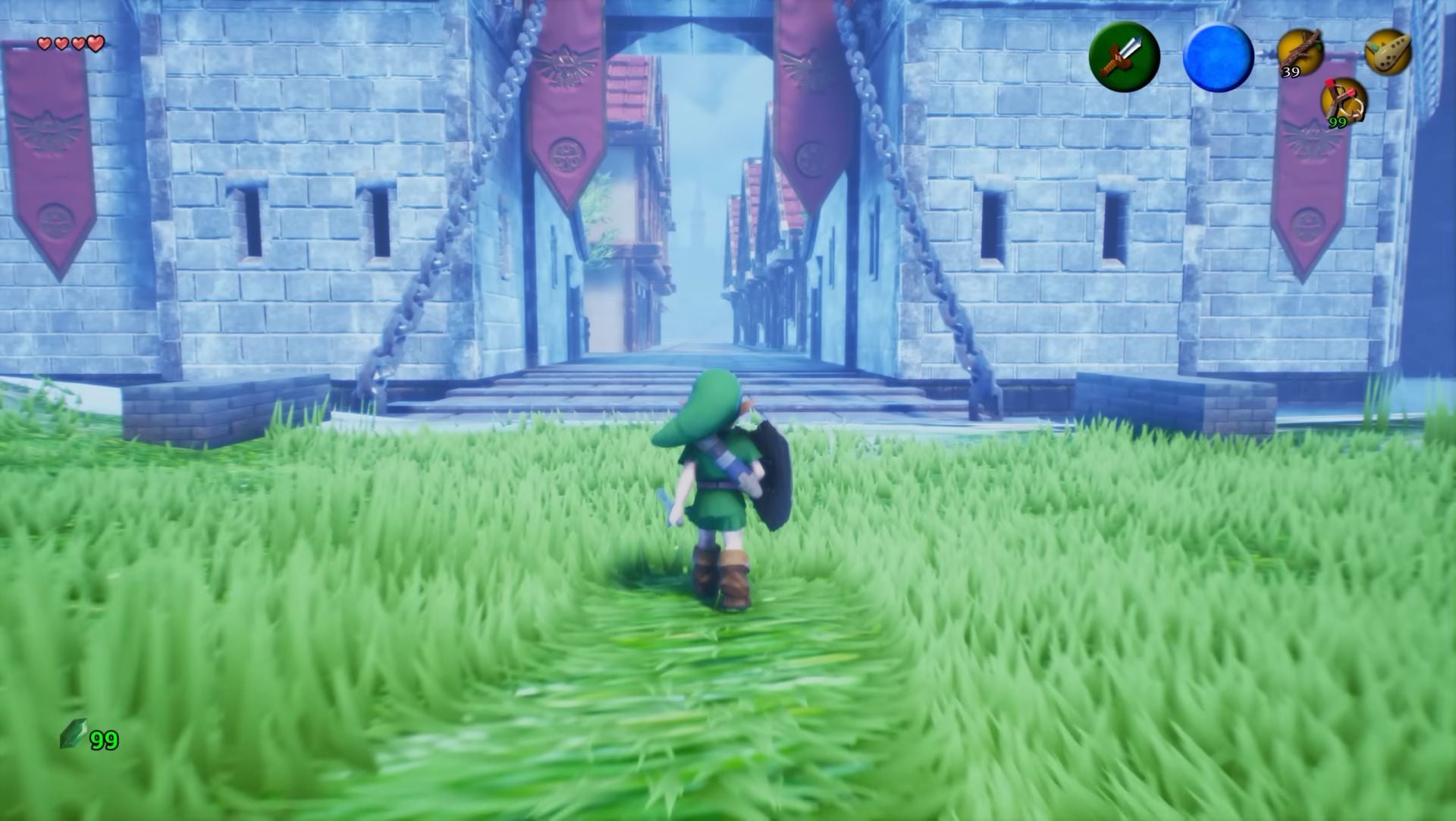
In a move that has saddened and disappointed many fans across the gaming world, popular YouTuber and creator CryZENx has officially announced the discontinuation of his ambitious fan-made project: an unofficial recreation of Nintendo's legendary game, The Legend of Zelda: Ocarina of Time, built entirely within the powerful Unreal Engine. This decision comes after a staggering decade of dedicated development, representing countless hours of passion, effort, and technical skill poured into modernizing one of gaming's most beloved titles.
The news, while not entirely unexpected given the nature of fan projects involving major intellectual properties, marks the end of a long journey for CryZENx and a bittersweet moment for those who followed the project closely. For years, fans have marveled at the stunning visual upgrades and gameplay enhancements showcased in regular updates, offering a tantalizing glimpse of what a truly modern Ocarina of Time could look like. This project was more than just a simple graphics overhaul; it was a testament to the enduring love for the original game and the incredible talent within the fan community.
Who is CryZENx and What Was This Project?
CryZENx is a well-known figure within the gaming enthusiast community, particularly recognized for their incredible skill in utilizing Epic Games' Unreal Engine to reimagine classic video game scenes and entire projects with breathtaking modern graphics. Their YouTube channel has become a hub for showcasing these remarkable technical achievements, often featuring characters and environments from iconic franchises rendered with photorealistic detail and advanced lighting.
The Ocarina of Time Unreal Engine project was, arguably, CryZENx's magnum opus. It wasn't merely a demonstration; it was an active attempt to rebuild the game from the ground up, incorporating assets and mechanics faithful to the original while elevating them to contemporary standards. Over the years, viewers witnessed Link, Zelda, and the vast landscapes of Hyrule brought to life with textures, models, and effects far beyond what the Nintendo 64 could ever achieve. From the lush Kokiri Forest to the ominous corridors of Ganondorf's Castle, every corner of the world was slowly being re-envisioned.
The project aimed to provide a comprehensive experience, not just a visual facelift. It included improved combat, updated character models, redesigned user interfaces, and even explored potential quality-of-life enhancements that fans have often wished for. The scope was immense, demonstrating a deep understanding of game development principles and an unwavering commitment to the source material. It highlighted the potential of a modern remake and fueled the hopes of countless fans for an official version from Nintendo.
The Inevitable Reality: Why Fan Projects Face Challenges
The decision to discontinue such a long-standing and high-profile project almost certainly stems from the complex legal landscape surrounding intellectual property. Nintendo, like many major game developers and publishers, is famously protective of its franchises. While fan art, music covers, and small-scale homages are often tolerated, projects that directly recreate large portions of their games, especially those that aim for a complete, playable experience, frequently cross a line that companies feel compelled to defend.
Copyright and Trademark Concerns
At its core, the issue revolves around copyright and trademark infringement. When CryZENx recreated characters like Link, settings like Hyrule, and the distinctive gameplay elements of Ocarina of Time, they were using elements that are legally owned by Nintendo. Even without monetary gain, distributing a complete fan game can be seen as undermining the rights holder's ability to profit from their own creations or produce their own official remakes. Companies must enforce their rights to prevent the dilution of their brands and to maintain control over how their intellectual property is used. If they don't, they risk weakening their legal standing in future disputes.
The Specter of Cease and Desist Orders
While CryZENx has not publicly stated the exact reasons, it is highly probable that a cease and desist letter from Nintendo played a role in the decision. These legal notices demand that creators immediately stop development and distribution of infringing content. Ignoring such a letter can lead to more severe legal action, including lawsuits. Many talented fan developers have seen their projects, sometimes years in the making, halted overnight due to these legal interventions. It's a common fate for many ambitious fan games, particularly those based on Nintendo properties.
Beyond legal pressures, the sheer scale of a decade-long project can also lead to burnout. Developing a game of this magnitude, even with modern tools like Unreal Engine, is an incredibly demanding task for an individual or a small, unofficial team. Maintaining motivation, overcoming technical hurdles, and managing community expectations for such an extended period without official backing or financial reward can be exhausting. It's a true labor of love, but even love has its limits.
Nintendo's Stance on Fan Creations: A Double-Edged Sword
Nintendo has a long and well-documented history of fiercely protecting its intellectual property. While this approach can be frustrating for passionate fans who pour their creativity into unofficial projects, it's also a fundamental part of how the company maintains the value and integrity of its beloved franchises.
Past Instances of Nintendo Shutting Down Fan Projects
CryZENx's project is far from the first (and likely won't be the last) Nintendo fan game to meet this fate. Previous notable examples include:
- Another Metroid 2 Remake (AM2R): A highly acclaimed fan remake of Metroid II: Return of Samus for the Game Boy, which received widespread praise but was hit with a DMCA takedown shortly after its release in 2016. Ironically, Nintendo later released its own official remake, Metroid: Samus Returns, on the 3DS.
- Pokémon Uranium: A fan-made game that spent nine years in development and introduced new Pokémon and a new region. It was downloaded over 1.5 million times before Nintendo's lawyers intervened.
- Countless ROM hacks and fan translations: While often flying under the radar, any distribution of modified or unauthorized versions of Nintendo's games carries inherent legal risk and frequently results in takedowns.
The Balance Between Protection and Community
This strict stance raises an ongoing debate within the gaming community: where is the line between protecting intellectual property and stifling fan creativity? On one hand, companies like Nintendo invest enormous resources into creating these worlds and characters. Their ability to monetize and control their IP is crucial for their business model and for funding future game development. On the other hand, fan creations are often born out of immense love and admiration, acting as a powerful form of community engagement and free marketing. They keep older games alive, introduce them to new audiences, and demonstrate the depth of connection players have with these franchises.
The challenge lies in finding a middle ground. Some companies have adopted more permissive policies, even offering official tools or guidelines for fan projects. However, for a company as iconic and successful as Nintendo, which often relies on carefully curated experiences and controls its narrative tightly, the benefits of allowing potentially unauthorized, high-quality fan remakes may not outweigh the perceived risks to their brand and revenue streams.
The Enduring Legacy of Ocarina of Time
The decision by CryZENx to halt the Unreal Engine remake brings into sharp focus the timeless appeal and continued relevance of The Legend of Zelda: Ocarina of Time. Released in 1998 for the Nintendo 64, it wasn't just a game; it was a watershed moment in video game history.
A Masterpiece That Defined a Generation
Ocarina of Time revolutionized 3D gaming in numerous ways. It introduced groundbreaking mechanics like Z-targeting, which made combat in a 3D space intuitive and fluid. Its sprawling Hyrule Field, dynamic day/night cycle, and innovative use of the Ocarina for music-based puzzles and time travel mechanics set new standards for immersion and interactivity. The narrative, featuring a young Link's journey through time to defeat Ganondorf and save Princess Zelda, resonated deeply with players, crafting a mythos that has endured for decades.
Critics and players alike consistently rank Ocarina of Time as one of the greatest video games ever made, often topping "best of all time" lists. Its influence can be seen across countless action-adventure titles that followed, shaping how developers approached level design, storytelling, and player progression in 3D environments. Even today, its core design principles feel remarkably modern, a testament to its visionary creation. You can learn more about its impact on Wikipedia.
Previous Official Remasters and Remakes
While fans have long clamored for a full, next-generation remake, Nintendo has provided some official updates to Ocarina of Time over the years:
- The Legend of Zelda: Ocarina of Time Master Quest (GameCube): A bonus disc included with The Wind Waker pre-orders, offering harder dungeons.
- Virtual Console releases (Wii, Wii U): Emulated versions of the original N64 game.
- The Legend of Zelda: Ocarina of Time 3D (Nintendo 3DS): This 2011 release was the most significant overhaul. Developed by Grezzo, it featured updated graphics, stereoscopic 3D effects, touch-screen inventory management, and quality-of-life improvements. It was a beautiful modernization but still inherently limited by the 3DS hardware.
The Persistent Dream: Will We Ever See an Official Ocarina of Time Remake?
The discontinuation of CryZENx's project only intensifies the longing for an official, Nintendo-sanctioned remake of Ocarina of Time on modern hardware. Given the success of other beloved titles receiving comprehensive remakes (e.g., Final Fantasy VII Remake, Resident Evil 2 Remake), the demand for a contemporary Hyrule is higher than ever.
What Would a Modern Remake Entail?
An ideal modern remake of Ocarina of Time would likely go beyond mere graphical upgrades. It would probably feature:
- Stunning Visuals: Leveraging the power of current-gen consoles, imagining Hyrule with hyper-realistic textures, advanced lighting, detailed character models, and fluid animations.
- Enhanced Gameplay: While preserving the core mechanics, there's room for improvement. This could include a more dynamic combat system, refined movement and traversal, and potentially new ways to interact with the environment.
- Quality-of-Life Improvements: Modern conveniences like improved map systems, streamlined inventory management, more flexible save options, and potentially a less linear progression in certain areas.
- Expanded Lore: Opportunities to flesh out side characters, add new optional quests, or deepen the backstory of Hyrule, without altering the core narrative.
- Orchestrated Soundtrack: Re-recording the iconic score with a full orchestra, bringing even more emotional depth to Koji Kondo's legendary compositions.
Nintendo's Future Plans and Speculation
Nintendo is notoriously secretive about its future projects. While they have shown a willingness to revisit classic Zelda titles with remasters and remakes (like Link's Awakening on Switch or the 3DS version of Ocarina of Time itself), a full, ground-up remake on the scale of CryZENx's ambition remains elusive. The company often prefers to innovate with new entries in the series, as seen with Breath of the Wild and Tears of the Kingdom, rather than solely focusing on reimagining past glories.
However, with a potential next-generation Nintendo console on the horizon, the possibility of a truly definitive Ocarina of Time remake becomes a tantalizing prospect. Such a project would not only appeal to nostalgic fans but also introduce a masterpiece to a whole new generation of players with visuals and gameplay that meet contemporary expectations. It could be a powerful launch title or a major system seller for new hardware.
The Broader Impact on the Fan Game Community
The story of CryZENx's Ocarina of Time Unreal Engine project is a microcosm of the fan game community's experience. It's a tale of immense passion, incredible talent, and often, an unfortunate end.
A Place for Innovation and Learning
Fan projects serve as vital training grounds for aspiring game developers. They allow individuals and teams to hone their skills, experiment with engines like Unreal Engine (Official Unreal Engine Website), and build portfolios. Many professionals in the industry today started their careers working on fan games or mods. These projects often push creative boundaries, reimagining established mechanics or exploring what's possible with new technology, sometimes even surpassing official releases in certain aspects.
The Bittersweet Reality
Despite the benefits, the constant threat of legal action casts a long shadow over the fan game scene. Developers often work for years without compensation, driven solely by their love for a franchise, only to have their work shut down. This can be incredibly disheartening and can deter future talent from undertaking similar projects. It creates a bittersweet reality where some of the most innovative and heartfelt tributes to beloved games are paradoxically the most vulnerable.
The community often finds ways to preserve these projects in less public forms, but their official, widespread availability is usually short-lived. This ongoing cycle highlights the tension between the legal rights of intellectual property holders and the vibrant, creative energy of their fanbases.
Conclusion: A Legacy of Unofficial Innovation
CryZENx's decision to discontinue the Ocarina of Time Unreal Engine remake marks the end of an era for one of the most visually impressive fan projects ever undertaken. For a decade, it served as a beacon of hope and a demonstration of what could be possible if Nintendo ever decided to give their timeless classic the full modern remake treatment.
While the project may no longer be actively developed or publicly distributed, its legacy will undoubtedly live on in the minds of those who followed it. It stands as a powerful testament to CryZENx's incredible skill, dedication, and the enduring passion that fans hold for The Legend of Zelda: Ocarina of Time. It also serves as a stark reminder of the inherent risks and challenges faced by fan developers who dare to reimagine established franchises.
As the gaming community processes this news, the question remains: will Nintendo ever step up to deliver the true next-generation Ocarina of Time remake that so many fans yearn for? Only time will tell, but until then, we can only appreciate the monumental effort made by creators like CryZENx, who, for a brief shining moment, allowed us to glimpse a beloved past through the lens of a stunning future. Thank you, CryZENx, for a decade of dreams.
from Kotaku
-via DynaSage
