
Sony Signals It’s Not Prepared To Sell PlayStation 6 ‘At Significant Losses’
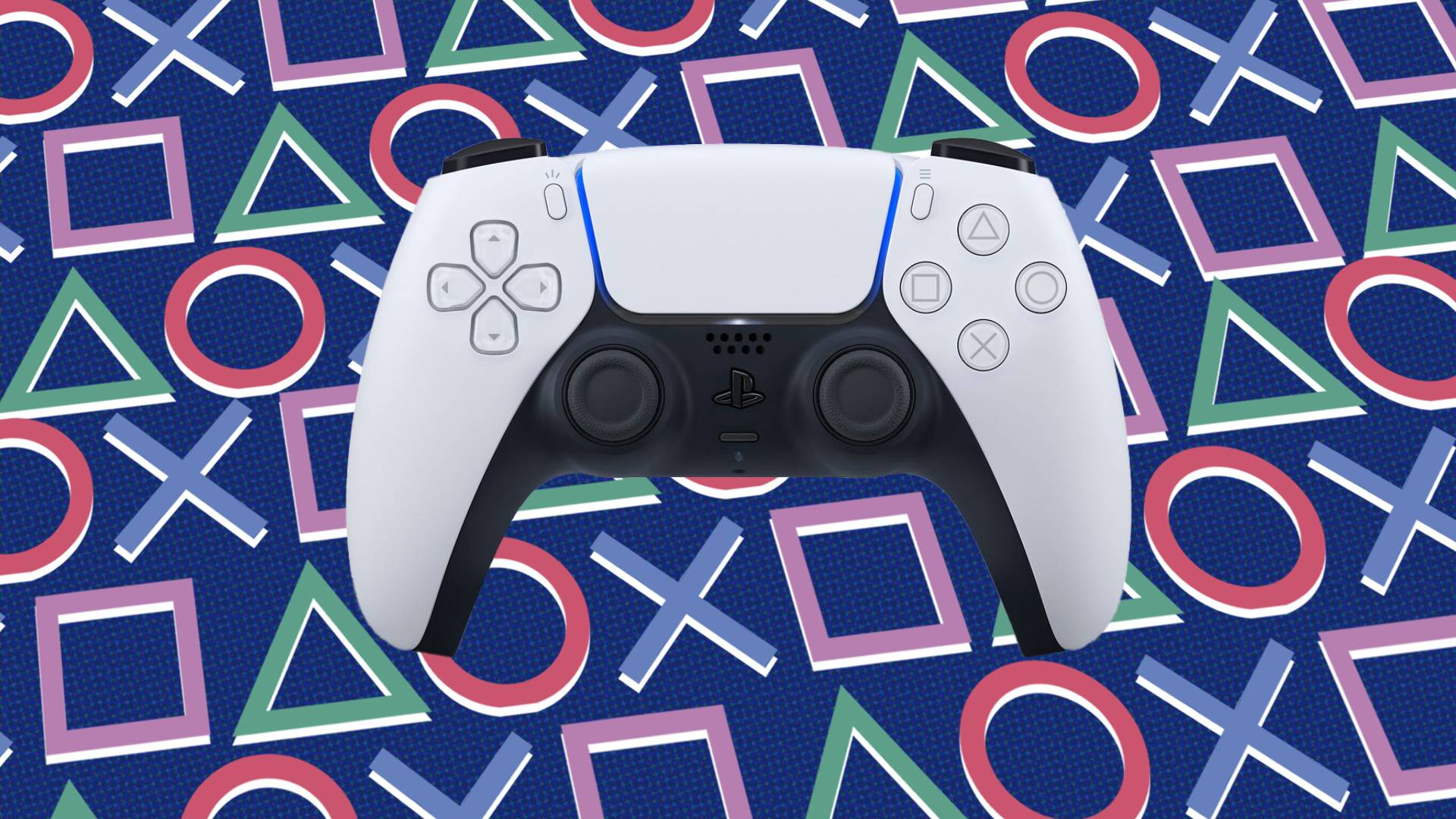
The PlayStation 6: Unpacking the Price Puzzle and Sony's Strategy
The gaming world is always buzzing with excitement for the next big thing, and right now, much of that buzz centers around the PlayStation 6. While still a few years away from official announcements, the speculation machine is in full swing, especially concerning one of the most crucial aspects: its price. A fascinating tidbit recently emerged hinting at Sony's approach: the company might not expect to make a profit on the PS6, at least not right away. This statement, while brief, opens up a world of discussion about Sony's business strategy, the cost of cutting-edge technology, and what gamers can expect from the next generation of console gaming. Let's dive deep into what this could mean for the PS6 price, its features, and the future of PlayStation.
Understanding Sony's Console Pricing Philosophy
To truly grasp the potential pricing of the PlayStation 6 and Sony's hinted 'no immediate profit' stance, it's essential to look back at the history of PlayStation console launches. Sony, like its competitors, often employs a strategic pricing model that balances market share, technological ambition, and long-term profitability.
A Look Back: Past PlayStation Launches and Their Price Tags
- PlayStation 3 (PS3): Launched in 2006, the PS3 was famously expensive, priced at $499 and $599 for its two models. This high price was largely due to its advanced Cell processor and integrated Blu-ray drive, which was cutting-edge technology at the time. Sony reportedly lost money on each console sold initially. This strategy aimed to establish Blu-ray as the industry standard and position the PS3 as a high-end multimedia device, but it also made the console less accessible and allowed competitors to gain ground early on.
- PlayStation 4 (PS4): Arriving in 2013, the PS4 learned from its predecessor's mistakes. It launched at a much more competitive $399. This aggressive pricing, coupled with a focus on gaming first and robust third-party support, made the PS4 an instant hit, quickly outselling its rivals. Sony likely made very little profit, if any, on each console initially, but the strategy paid off immensely in terms of market dominance and ecosystem growth.
- PlayStation 5 (PS5): Released in 2020, the PS5 continued a similar strategic approach. It launched with two models: the standard disc-drive version at $499 and a digital-only version at $399. Despite the significant technological leap and global component shortages, Sony managed to keep the prices relatively in line with consumer expectations. Reports confirmed that the standard PS5 was sold at a loss or at break-even for a period, with the digital version likely having slightly better margins due to the lack of an expensive disc drive.
The pattern here is clear: Sony is often willing to take an initial hit on hardware profit to achieve broader market penetration and establish a strong user base. The "no immediate profit" statement for the PS6 fits perfectly within this historical context.
What Does 'Not Expecting a Profit' Really Mean?
This phrase might sound concerning to some, but it's a common and calculated business move in the console industry. Here's what it likely implies for the PS6:
- High Manufacturing Costs: The PS6 will undoubtedly feature state-of-the-art components. Next-generation CPUs, GPUs, ultra-fast storage, advanced cooling systems, and potentially new haptic feedback technologies for controllers all come at a premium. Sourcing these components, especially custom-designed ones, involves significant investment.
- Aggressive Market Share Strategy: By pricing the console competitively, potentially even below its manufacturing cost, Sony can attract a larger number of early adopters. A bigger installed base means more people buying games, subscribing to services like PlayStation Plus, and purchasing accessories – which are the true long-term profit drivers.
- Long-Term Ecosystem Focus: Console manufacturers make their real money through software sales (physical and digital), subscription services (PlayStation Plus, PlayStation Now successors), accessories (controllers, headsets, VR units), and platform fees on third-party titles. An initial hardware loss is an investment in this much larger, more profitable ecosystem.
- Technological Push: Sony wants the PS6 to be a significant leap forward, not just an incremental upgrade. This commitment to pushing boundaries often means accepting higher production costs for new, unproven, or highly specialized technology.
- Supply Chain and Global Economics: Predicting component costs and managing global supply chains several years out is incredibly challenging. Inflation, material costs, and geopolitical factors can all drive up manufacturing expenses, making it harder to turn a profit on hardware.
Key Factors That Will Shape the PS6 Price Tag
Many elements will converge to determine the final price of the PlayStation 6. Understanding these can help us anticipate the potential cost.
Cutting-Edge Hardware and Advanced Technology
The heart of any new console is its hardware. The PS6 is expected to push boundaries further than ever before.
- Next-Gen Processor & Graphics Unit: Expect custom-designed silicon, likely from AMD, that will offer a monumental leap in raw processing power and graphical fidelity. We're talking about advancements in ray tracing, mesh shaders, and perhaps even early forms of neural rendering or AI-driven graphics upscaling that could make games look incredibly realistic.
- Evolution of Ultra-Fast Storage: The PS5's custom SSD was a game-changer. The PS6 will likely refine this further, offering even faster load times, more seamless world streaming, and potentially larger storage capacities as standard, which are expensive components.
- Increased and Faster Memory (RAM): More and quicker RAM is crucial for handling complex game worlds and demanding graphical assets. This will contribute to a smoother, more detailed gaming experience.
- Advanced Cooling Solutions: With more power comes more heat. Effective and quiet cooling systems are complex and costly to design and integrate, but essential for console longevity and performance.
- Immersive Audio Hardware: Building on the PS5's Tempest 3D AudioTech, the PS6 could offer even more sophisticated spatial audio capabilities, requiring dedicated processing power.
- Controller Innovations: The DualSense controller introduced revolutionary haptic feedback and adaptive triggers. Expect the next iteration of the PlayStation controller to push these features further, perhaps with even more nuanced feedback, new biometric sensors, or deeper integration with VR experiences.
- Enhanced Virtual Reality Integration: With PlayStation VR2 already on the market, the PS6 is highly likely to feature deep, native integration with next-generation VR technology, perhaps even bundling a light version or making it a core part of the console's marketing, adding to its perceived value and potentially manufacturing cost.
- Cloud Gaming Capabilities: As cloud gaming matures, the PS6 might feature dedicated hardware or software optimizations to seamlessly integrate cloud streaming, offering flexibility in how games are accessed.
Global Economic Conditions and Inflation
The economic landscape at the time of the PS6's launch will significantly impact its price. Inflation has been a major factor globally, increasing the cost of raw materials, labor, and shipping. If these trends continue, it will naturally push up the baseline cost of manufacturing the console, which Sony will have to absorb or pass on to consumers.
The Competitive Landscape
Sony doesn't exist in a vacuum. The strategies of its main rivals, Microsoft's Xbox and Nintendo, will undoubtedly influence the PS6's pricing.
- Xbox's Next Move: Microsoft is also planning its next-gen console. If Xbox opts for an aggressive pricing strategy, Sony might be forced to respond in kind to maintain market share. Microsoft's Game Pass subscription model also puts pressure on Sony to offer compelling alternatives or integrated value.
- Nintendo's Approach: While Nintendo typically targets a different segment of the market with unique hardware concepts, its success influences the overall console market. A highly successful, lower-priced Nintendo console could shift consumer expectations for console affordability.
- Emerging Threats/Trends: The rise of dedicated gaming handhelds (like Steam Deck), powerful cloud gaming services, and even more accessible PC gaming could also influence how Sony positions the PS6's value proposition and price.
Consumer Expectations and Market Psychology
There's a delicate balance between what a company thinks a product is worth and what consumers are willing to pay. Sony has to gauge how much of a price increase consumers will tolerate for a significant generational leap. Pricing too high risks alienating potential buyers, as seen with the PS3's initial launch. Pricing too low might severely impact profitability, even in the long run.
Bundling and Subscription Services
The actual price point might be less about the console's standalone cost and more about the value proposition through bundles. Sony could offer attractive packages that include games, PlayStation Plus subscriptions, or even VR headsets, making a higher base price seem more palatable. The tiered PlayStation Plus service (Essential, Extra, Premium) also plays a crucial role in overall user spending and Sony's revenue stream.
Projecting the PS6 Price Range and Potential Models
Given all these factors, what can we realistically expect the PlayStation 6 to cost? While concrete numbers are impossible to predict this far out, we can establish a likely range based on historical trends, technological advancements, and economic forecasts.
The Probable Price Range
Considering the "no immediate profit" statement and the inevitable jump in technology, it's highly probable that the PS6 will launch at a higher price point than the PS5. The PS5 launched at $499 (disc) and $399 (digital). Factoring in inflation and technological leaps, a realistic launch price range for the PS6 could be:
- Digital-Only Model: $499 - $599
- Standard Disc-Drive Model: $599 - $699
A price point exceeding $700 for the base model would likely be seen as very high by consumers, potentially mirroring the PS3's struggles, unless the technological leap is truly revolutionary and the economy is robust. However, if global inflation remains high or if component costs skyrocket due to unforeseen circumstances, even higher prices could become a reality.
Will There Be Multiple Models Again?
It's almost a certainty that Sony will continue the trend of offering multiple models for the PS6. The PS5's strategy of a disc-drive and a digital-only version proved successful:
- Digital-Only PS6: This model caters to the growing digital-first market, often at a slightly lower price point due to the exclusion of the Blu-ray drive. It helps Sony push its digital storefront and subscription services.
- Standard PS6 with Disc Drive: This remains essential for consumers who prefer physical media, have existing game collections, or want the option to buy games secondhand. It also acts as a Blu-ray 4K player, adding multimedia value.
- Potential for a "Pro" or "Slim" Version Later: Following past cycles, it's highly probable that Sony will release an upgraded "Pro" version a few years after launch, offering enhanced performance, or a "Slim" version with a reduced form factor and potentially lower price point, further extending the console's lifecycle.
Beyond the Initial Sale: How Sony Truly Profits
The "no immediate profit" on hardware is a calculated sacrifice for a much larger long-term gain. Sony's true revenue engines lie in its ecosystem.
1. Software Sales: The Golden Goose
Every game sold, whether digital or physical, generates revenue for Sony. Publishers pay a licensing fee to Sony to release games on the PlayStation platform, and Sony takes a percentage cut from every digital sale on the PlayStation Store. First-party titles developed by PlayStation Studios are pure profit drivers for Sony once development costs are recouped. The more consoles sold, the larger the potential market for software, and thus, greater profits.
2. PlayStation Plus Subscriptions: Recurring Revenue
PlayStation Plus is a cornerstone of Sony's strategy. It offers online multiplayer, free monthly games, cloud saves, and a growing library of games across its tiered system (Essential, Extra, Premium). These subscriptions provide a stable, recurring revenue stream that is highly profitable. A larger PS6 user base directly translates to more potential PlayStation Plus subscribers.
3. Accessories: High-Margin Products
Controllers, headsets, media remotes, charging stations, and future VR accessories often carry higher profit margins than the console itself. The PS6 will undoubtedly launch with a range of first-party accessories that gamers will want, providing another significant income source.
4. Microtransactions and In-Game Purchases
The free-to-play model and the prevalence of microtransactions in many full-priced games have become massive revenue generators. Sony takes a cut from these in-game purchases made through its platform, making the overall engagement of its user base incredibly valuable.
5. Platform Fees and Licensing
Beyond game sales, Sony generates revenue from developers and publishers who want to release content on the PlayStation platform. This includes developer kits, quality assurance processes, and other licensing agreements. The PlayStation brand itself is a powerful asset.
When Can We Expect the PlayStation 6?
While the focus is on price, the release date ties directly into the technological advancements and economic conditions that will dictate that price. Console generations typically last around 7 years.
- PS3: 2006
- PS4: 2013 (7 years)
- PS5: 2020 (7 years)
Following this pattern, a logical timeframe for the PS6 would be around **late 2027 or 2028**. However, several factors could shift this:
- Technological Readiness: Sony will wait until there's a significant enough leap in technology to justify a new console, rather than just an incremental upgrade.
- Market Conditions: The global chip shortage impacted the PS5's availability. Sony will likely want to ensure a smoother launch for the PS6.
- Competition: The release cycles of Microsoft's next Xbox console could also influence Sony's timing.
- Mid-Gen Refresh Cycles: The popularity of "Pro" consoles (like a potential PS5 Pro) might slightly extend the current generation, pushing the PS6 further out.
Therefore, while 2027-2028 seems probable, don't be surprised if it stretches into 2029 or even beyond, especially if the PS5 generation has a strong mid-life refresh and continued software support.
The Future of Gaming with PS6: What to Expect
Beyond the price tag and release date, the PS6 promises to redefine our gaming experiences.
- Hyper-Realistic Graphics: With advancements in graphics processing and AI-driven rendering, games on the PS6 could achieve unprecedented levels of visual fidelity, blurring the lines between virtual and reality. Think photo-realistic characters and environments, dynamic weather systems, and incredibly detailed open worlds.
- Truly Seamless Worlds: Even faster SSDs and advanced streaming technologies mean an end to noticeable loading screens. Players will likely experience truly seamless open worlds, with instant travel and continuous gameplay flow.
- Deeper Immersion: Enhanced haptic feedback, advanced 3D audio, and potentially a next-gen VR system deeply integrated with the console will offer unparalleled levels of immersion, making players feel truly inside the game world.
- Advanced AI: Non-player characters (NPCs) could exhibit much more intelligent and adaptive behavior, creating more dynamic and believable interactions within games.
- Cloud Gaming Evolution: While not replacing local hardware, cloud integration will likely be more seamless, allowing for instant play of demos, playing large games without full downloads, or even potentially streaming high-fidelity games to other devices.
- Social Gaming Redefined: New features could emerge that make multiplayer experiences more intuitive, accessible, and integrated, fostering stronger communities and new ways to interact with friends and strangers alike.
- Accessibility for All: Sony has shown a commitment to accessibility, and the PS6 will likely continue this trend, offering more customizable options and hardware solutions to make gaming enjoyable for a wider audience.
Conclusion: A Strategic Investment in the Future of PlayStation
The PlayStation 6 is shaping up to be a monumental leap forward in gaming technology. The initial suggestion that Sony might not expect to make a profit on the hardware itself isn't a sign of weakness, but rather a testament to a shrewd and proven business strategy. By pricing the console competitively, even at a potential loss, Sony aims to secure a massive installed base, driving long-term profitability through game sales, subscription services, and accessories.
While the exact PS6 price and release date remain shrouded in mystery, the underlying philosophy is clear: Sony is investing heavily in the future of its gaming ecosystem. Gamers can anticipate a console that delivers unparalleled performance, innovative features, and breathtaking experiences, albeit at a price point that reflects its cutting-edge nature. As the years tick by and more details emerge, the anticipation for the PlayStation 6 will only continue to build, promising an exciting new chapter in the world of interactive entertainment.
from Kotaku
-via DynaSage
