
Everything We Spotted In Dragon’s Dogma 2: Dark Arisen’s New Spotlight Showcase
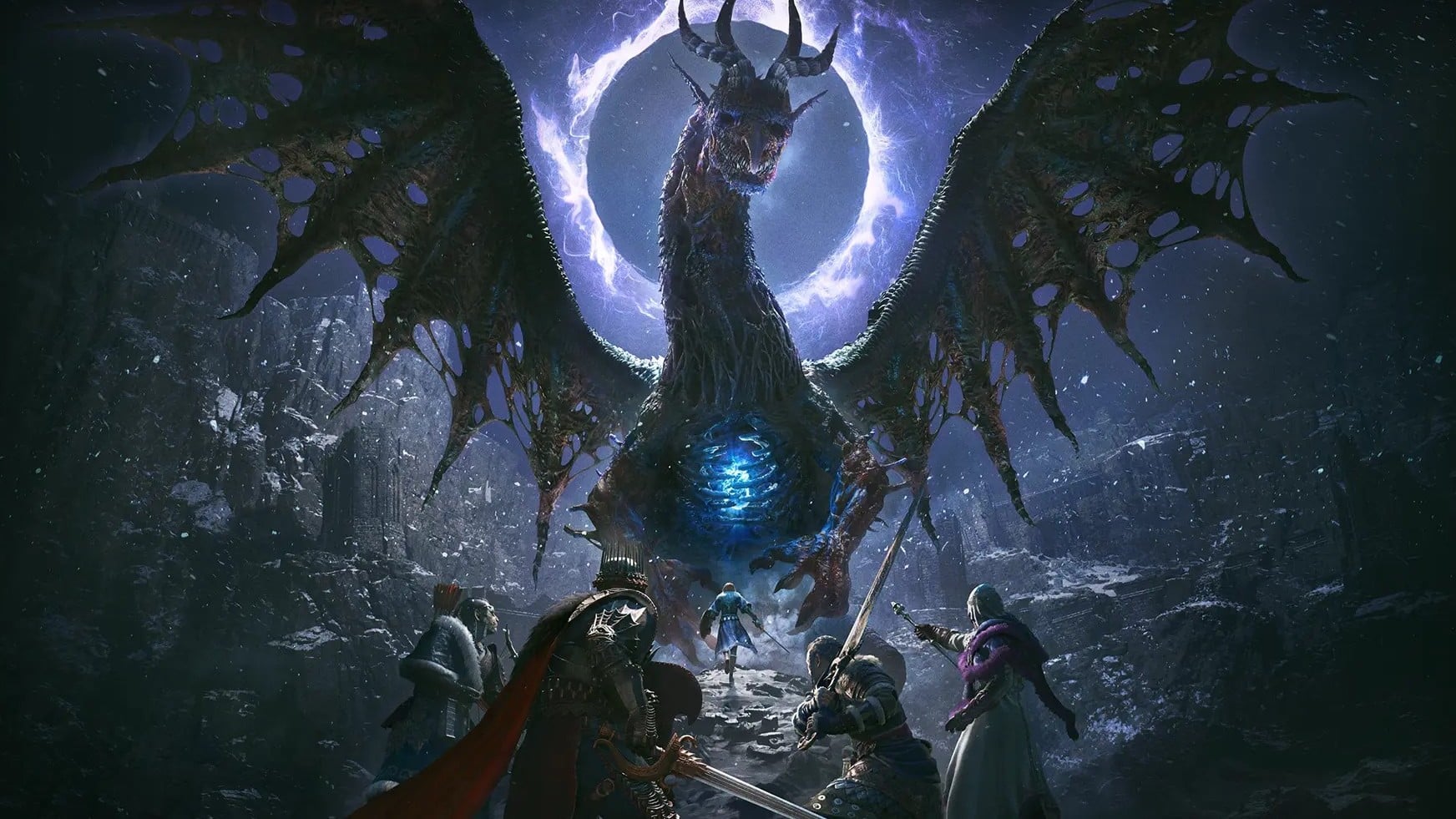
A Dragon's Roar Returns: Kento Kinoshita Directs Dragon's Dogma 2: Dark Arisen
Exciting news is rippling through the gaming world, especially for fans of deep, challenging role-playing games: Kento Kinoshita, the brilliant mind who directed the original Dragon's Dogma: Dark Arisen, is making his grand return to lead the development of its highly anticipated sequel, Dragon's Dogma 2: Dark Arisen. This announcement is much more than just a name on a credit list; it signifies a powerful commitment to the unique vision and immersive gameplay that made the first game a beloved cult classic. For many, Kinoshita's return is the ultimate assurance that the sequel will not only honor its predecessor but also elevate the core experience that adventurers worldwide have come to cherish.
The original Dragon's Dogma captivated players with its distinct approach to the fantasy RPG genre. It offered a world brimming with danger, discovery, and truly monumental creatures. The game dared to be different, creating an unforgettable journey for its "Arisen" – a hero whose heart is taken by a dragon, destined to confront the beast and unravel a profound mystery. Kinoshita's directorial hand was evident in every aspect, from the innovative "Pawn" companion system to the exhilarating, physics-defying combat encounters that allowed players to climb colossal monsters. His re-engagement promises to rekindle that same adventurous spirit and perhaps even push the boundaries further.
The Enduring Legacy of Dragon's Dogma: Dark Arisen
Before we look forward to the sequel, it’s essential to appreciate the foundation laid by the first game. When Dragon's Dogma first launched in 2012, it stood apart from other fantasy RPGs of its time. While games like Skyrim focused on vast open worlds and deep lore, Dragon's Dogma carved its own niche with a focus on action-packed combat and an unprecedented AI companion system. The "Pawn" system allowed players to recruit two AI-controlled allies, including one main "Main Pawn" that was fully customizable and could be shared online with other players. This meant your Pawn could go on adventures in other players' worlds, returning with knowledge, items, and experience, creating a truly communal single-player experience.
The combat itself was a revelation. It blended elements of Western RPGs with the dynamic flair often seen in Japanese action games. Vocations (character classes) offered diverse playstyles, from the nimble Strider to the spell-slinging Sorcerer, each with unique abilities. The ability to grab onto enemies, especially the gigantic beasts like Griffins, Hydras, and Cyclops, and scale them to strike weak points, added a thrilling verticality and tactical depth rarely seen. This mechanic was not just a gimmick; it was integral to overcoming the game's most formidable challenges, fostering a sense of epic struggle against overwhelming odds.
The "Dark Arisen" subtitle for the original game referred to its substantial expansion, released in 2013. This expansion introduced a massive, challenging underground labyrinth known as Bitterblack Isle, which pushed even the most seasoned Arisen to their limits. It brought new enemies, gear, and an even darker, more mature storyline that delved deeper into the existential dread of the Dragon's Dogma universe. This expansion solidified the game's reputation as a hardcore, rewarding RPG, and its inclusion in the title of the sequel, Dragon's Dogma 2: Dark Arisen, hints at a similar depth and perhaps an even grittier narrative from the outset.
Despite its initial niche appeal, Dragon's Dogma garnered a dedicated following. Its unique mechanics, compelling world, and unforgettable boss battles made it a cult classic. Its influence can be seen in various action RPGs that followed, though none have quite replicated its distinctive charm. Fans have clamored for a true sequel for years, and the news of Kinoshita's return is the strongest signal yet that Dragon's Dogma 2 is poised to deliver on those high expectations.
Kento Kinoshita: The Visionary Behind the Arisen's Journey
Kento Kinoshita's role as the director of the original Dragon's Dogma was instrumental in shaping its identity. A veteran of Capcom, he had a clear vision for an action RPG that emphasized freedom, weighty combat, and player agency. He understood the appeal of traditional high fantasy while simultaneously wanting to inject fresh ideas into the genre. His direction led to a game where exploration felt genuinely dangerous, where every encounter with a large monster was a mini-boss fight, and where your companions truly felt like allies rather than mere stat sticks.
Kinoshita's design philosophy often focused on creating emergent gameplay moments. He wanted players to feel empowered to tackle challenges in their own way, using the environment, their Pawns' diverse skills, and their own tactical choices. This philosophy is evident in how players could combine various elements – from applying elemental enchantments to weapons to utilizing various status effects – to overcome foes. The world wasn't just a backdrop; it was an interactive space that reacted to the player's choices and the presence of their Pawns.
His understanding of player psychology also played a role. The game's often brutal difficulty, especially in Bitterblack Isle, wasn't about cheap tricks; it was about encouraging players to learn, adapt, and truly master their chosen vocation and Pawn team. This commitment to a challenging yet fair experience fostered a deep sense of accomplishment, a hallmark of many of Kinoshita's design choices. His return for Dragon's Dogma 2 suggests that this core design philosophy will be retained and perhaps even expanded upon, ensuring the sequel maintains the beloved "Dragon's Dogma feel."
Decoding "Dark Arisen" in the Sequel's Title
The inclusion of "Dark Arisen" directly in the title of Dragon's Dogma 2: Dark Arisen is a significant detail that warrants closer examination. In the context of the first game, Dragon's Dogma: Dark Arisen, the "Dark Arisen" part was an expansion that built upon the original game's lore with a much more somber and formidable threat in Bitterblack Isle. This expansion introduced an ancient evil, Daimon, and delved into themes of despair, corruption, and cyclical fate, making the game even more challenging and narratively rich.
For the sequel, its immediate inclusion in the title could suggest several things. Firstly, it might imply that the sequel will launch with a scope and depth comparable to the original game *plus* its expansion, perhaps integrating those darker, more challenging elements into the main campaign from day one. This would mean a more expansive and punishing world right from the start, bypassing the need for a separate post-launch expansion to reach maximum difficulty and lore depth.
Secondly, "Dark Arisen" could hint at a stronger thematic focus on the darker aspects of the Dragon's Dogma universe. Perhaps the narrative will delve deeper into the nature of the Dragon, the cycle of the Arisen, and the hidden forces that manipulate these events. It could signify a story that is inherently more grim, exploring moral ambiguities and the heavy costs of heroism. This aligns with the mature tone often associated with the Bitterblack Isle content, suggesting a more intense and complex journey for the new Arisen.
Lastly, it might signify a direct continuation or reimagining of the themes and even the threats introduced in Bitterblack Isle. While Dragon's Dogma 2 is a numbered sequel, game developers often use subtitles to connect new entries more closely to specific storylines or popular expansions. Regardless of the exact interpretation, the "Dark Arisen" moniker assures fans that the sequel is not shying away from the challenging gameplay and profound, often bleak, narrative elements that defined the expansion, and indeed, the series' unique identity.
Anticipating Dragon's Dogma 2: Dark Arisen
With Kento Kinoshita at the helm, expectations for Dragon's Dogma 2: Dark Arisen are sky-high. Fans are eager to see how the unique elements of the original will evolve with modern technology and game design principles. The core promise of the series — epic fantasy adventure, unparalleled monster climbing, and the innovative Pawn system — is set to return, but the potential for growth and improvement is immense.
Evolution of the Pawn System
The Pawn system was the heartbeat of the original Dragon's Dogma. For the sequel, we can anticipate a significant evolution. Kinoshita's return suggests a deep commitment to this feature. Imagine Pawns with even more nuanced personalities, capable of learning and adapting to your specific playstyle and the challenges of the world. Perhaps they could offer more dynamic dialogue, react more intelligently to environmental hazards, or even develop rivalries or friendships with other Pawns. Enhanced customization options, more vocations for Pawns, and perhaps even deeper lore surrounding their existence would further immerse players in this unique companion system.
The online sharing aspect also has vast potential for expansion. With improved network capabilities, players might see their Pawns not just returning with stories, but actively influencing the world in subtle ways through their shared experiences. The interaction between player Pawns could become a more visible and integral part of the overall experience, fostering an even stronger sense of a living, breathing community within the single-player framework.
Refined Combat and Exploration
The original game's combat was celebrated for its weight and impact. Dragon's Dogma 2, under Kinoshita's direction, is poised to refine this further. We can expect more fluid animations, expanded weapon and spell repertoires, and perhaps even more vocations, offering an even broader range of tactical choices. The monster-climbing mechanic, a series signature, is bound to see enhancements, potentially allowing for more intricate traversal routes on beasts or introducing new ways to exploit their weaknesses.
Exploration was also a key component, with a world that felt dangerous and full of secrets. For the sequel, we hope for an even larger, more seamless open world, perhaps with more distinct biomes, dynamic weather systems that impact gameplay, and a greater sense of verticality. The original game excelled at making even mundane travel feel like an adventure due to random monster encounters and hidden pathways. Dragon's Dogma 2 could leverage modern hardware to deliver a truly immersive and reactive environment where every corner holds potential for both reward and peril.
A Deeper, Darker Story and Richer Lore
Given the "Dark Arisen" subtitle, it's safe to assume the narrative of the sequel will continue the grim, philosophical themes of the original. The cycle of the Arisen, the nature of the Dragon, and the underlying cosmic forces that govern this world are ripe for further exploration. Kinoshita has a knack for weaving complex narratives that question the nature of destiny and free will. We can anticipate a story that is not just about slaying a dragon but about understanding the deeper implications of that act, perhaps even challenging the player's perception of good and evil.
The lore of Gransys and its surrounding regions can also be expanded, introducing new factions, ancient myths, and unique characters that flesh out the world. The interactions between humans, beastren, elves, and other potential races could add layers to the political and social landscape, making the world feel even more alive and impactful. A strong narrative, combined with the director's signature challenge, will undoubtedly make for a memorable journey.
The Importance of a Consistent Director's Vision
In the world of video game development, the return of an original director for a long-awaited sequel is often a cause for celebration. It ensures that the core vision and unique identity of the first game are preserved and thoughtfully evolved. Without Kinoshita, there would always be a risk that Dragon's Dogma 2 might stray too far from what made its predecessor special, perhaps conforming to more generic RPG tropes or losing some of its daring eccentricities.
Kinoshita's deep understanding of the source material, his creative direction, and his commitment to the original game's distinct mechanics provide a solid foundation. He knows what worked, what could be improved, and how to stay true to the spirit of the Arisen's journey. This consistency in leadership can often prevent the pitfalls of sequels that try too hard to be different or, conversely, those that simply rehash old ideas without innovation.
His involvement means that the unique elements, such as the physics-based monster climbing, the intricate Pawn AI, and the challenging world design, are likely to be at the forefront of development. For fans who fell in love with these specific aspects, Kinoshita's directorship is the best possible news, promising an experience that feels authentically Dragon's Dogma, yet fresh and exciting.
Community Excitement and the Road Ahead
The announcement of Kento Kinoshita's return has ignited a firestorm of excitement within the Dragon's Dogma community. Forums are abuzz, social media is alight with speculation, and players are revisiting the original game in anticipation. This level of enthusiasm is a testament to the lasting impact of Kinoshita's initial work and the hunger for a true successor.
As development progresses, fans will be eagerly watching for new trailers, gameplay reveals, and developer diaries that offer glimpses into the evolving world of Dragon's Dogma 2: Dark Arisen. The combination of a beloved director, a proven game concept, and the power of modern gaming technology sets the stage for what could be one of the most exciting RPG releases in years.
The journey of the Arisen is one of destiny, choice, and immense challenge. With Kento Kinoshita once again guiding that journey, players can feel confident that Dragon's Dogma 2: Dark Arisen will deliver an unforgettable adventure that honors its legacy while forging a new path into the darkness. Prepare your Pawns, sharpen your blades, and brace yourselves for the return of the Dragon.
from Kotaku
-via DynaSage
