
Apple's Online Store Is Down
Apple's Online Store Goes Dark: What Changes Are Coming?
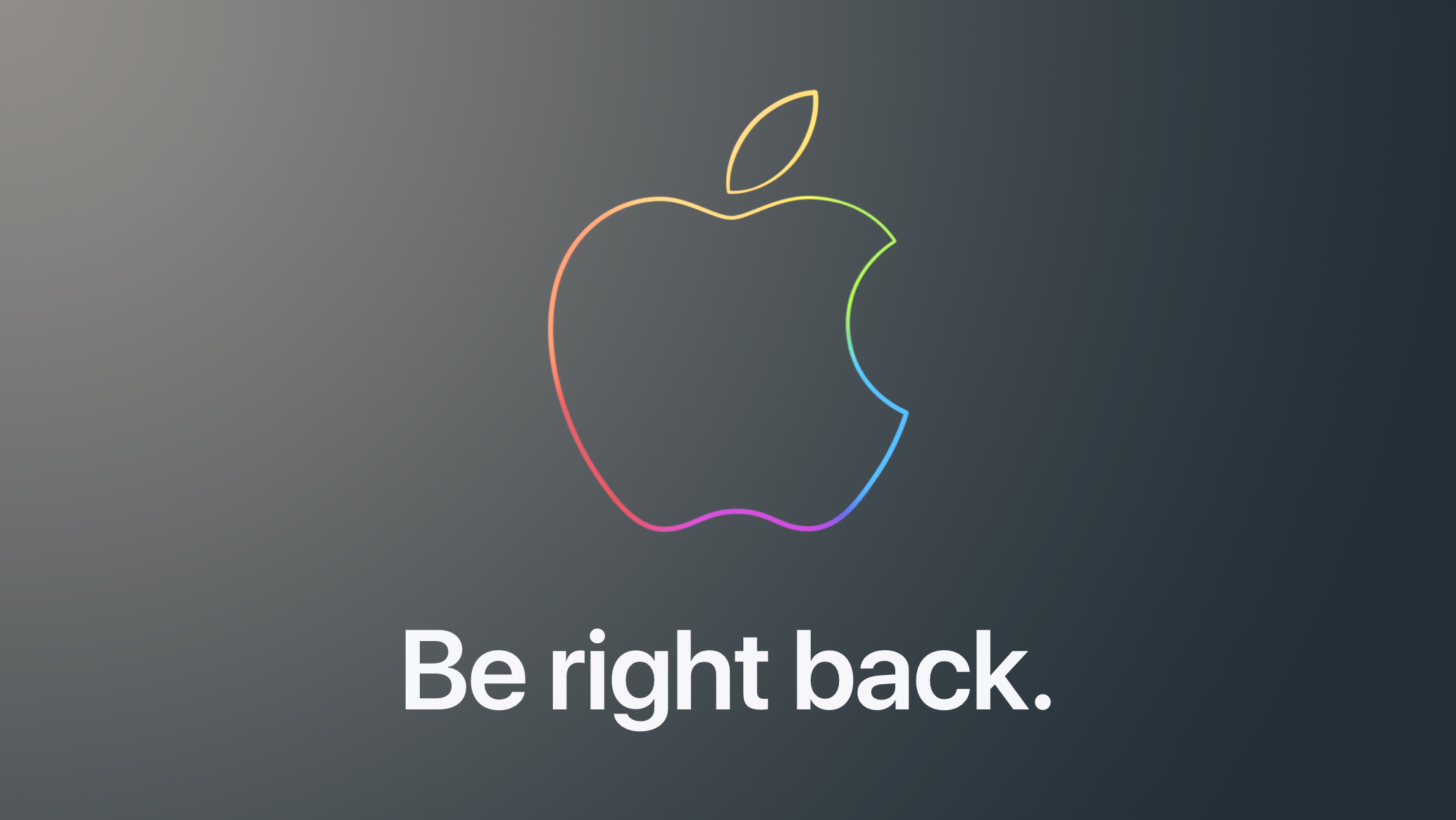
The digital doors to Apple's online store have temporarily closed, greeted by the familiar message: "We'll be right back." This brief but significant downtime immediately sparks curiosity and speculation among tech enthusiasts and eager consumers worldwide. When Apple takes its global storefront offline, it almost always signals that important changes are afoot, whether they involve new products, updated pricing, or the launch of a highly anticipated sales event.
For those familiar with Apple's operations, this message is less a sign of technical trouble and more a deliberate pause, a dramatic build-up to something new. It's a signature move, creating a moment of anticipation before the company unveils its latest offerings or adjustments. This current shutdown, with its typically cryptic message, has the tech world buzzing, trying to decipher the exact nature of the impending updates. There are a few strong contenders for what might be happening behind the digital curtain, each with significant implications for anyone looking to buy an Apple device soon.
Let's dive into the most probable reasons for this sudden, albeit expected, interruption to Apple's online retail presence. Understanding these possibilities can help consumers prepare for potential changes in device availability, pricing, or promotional offers.
The Three Main Reasons for Apple's Store Downtime
When the Apple Store goes offline with the "We'll be right back" message, history tells us it's usually for one of three major reasons. This current shutdown is no different, with all signs pointing to a combination of these factors. The changes could be due to the imminent launch of Apple's highly anticipated 2026 "Back to School" program, a move that provides significant value to students and educators. Alternatively, or perhaps in conjunction, we might be seeing the rollout of impending price increases across various product categories, a decision that Apple's leadership has recently hinted at. Finally, there's always the possibility of new devices making a quiet debut, or at least significant updates to existing product configurations.
Each of these possibilities carries weight and could significantly impact consumers. The timing of this shutdown is particularly intriguing because several strong indicators have emerged recently, pushing these theories from mere speculation to near certainty. Let's explore each potential reason in detail, examining the evidence and what it could mean for Apple users and the broader tech market.
1. The Highly Anticipated 2026 Back to School Promotion
One of the most compelling reasons for the Apple Store's temporary closure is the expected launch of the company's annual "Back to School" (BTS) promotion for students and educators in the U.S. and Canada. This popular program is designed to support academic endeavors by making Apple's cutting-edge technology more accessible. Historically, this promotion has been a major event, offering substantial incentives for students and teachers to invest in Macs and iPads for their studies and professional development.
The BTS program typically runs from June through September, perfectly aligning with the purchasing cycles for students preparing for the upcoming academic year. It's a crucial period for Apple to engage with a demographic that heavily relies on powerful, reliable technology for everything from research and writing to graphic design and coding. The appeal of the program lies not just in the hardware discounts but often in the valuable extras Apple bundles with qualifying purchases, making the overall package incredibly attractive.
In recent years, Apple has often launched its Back to School sale shortly after its annual Worldwide Developers Conference (WWDC) keynote. For instance, in three of the last five years, the promotion kicked off about 8 to 10 days after the keynote event. With the 2026 WWDC keynote having taken place on June 8, this historical pattern would have pointed to a launch around the week of June 15. However, that date has now passed, making the promotion seemingly overdue and increasing the anticipation for its imminent arrival.
This delay has fueled much discussion. Is Apple simply waiting for the optimal moment, or are there other factors at play that might be influencing the launch schedule? One theory, which we will explore further, suggests that Apple might be synchronizing the BTS launch with other significant changes, such as price adjustments, to create a strategic "buffer" for consumers. Whatever the reason for the slight delay, the expectation for the 2026 Back to School promotion remains incredibly high, especially for students eager to get their hands on new gear for the academic year.
What to Expect from the Back to School Offers
Apple's Back to School offers have traditionally provided significant value, moving beyond simple discounts to include valuable free accessories or gift cards. These incentives are often tied to specific product lines, particularly Apple's powerful Mac computers and versatile iPad tablets, which are essential tools for education.
In past years, students and educators purchasing a qualifying Mac or iPad have often received a free pair of AirPods or Beats headphones. These audio accessories are highly sought after and complement the Apple ecosystem perfectly, enhancing the user experience for music, online classes, and video calls. The value of these freebies can be substantial; for example, last year's U.S. promotion for 2025 famously included a free pair of AirPods 4 with Active Noise Cancellation, an offer worth approximately $179, and it ran through the end of September.
Beyond headphones, Apple has also occasionally offered gift cards of varying denominations, which provide flexibility for students to purchase other accessories, software, or services from Apple. This allows individuals to tailor their educational tech setup to their specific needs, whether it's an Apple Pencil for their iPad, additional storage for their Mac, or an AppleCare+ plan for added protection.
The availability and specific nature of these offers typically vary by region, with North America and Europe usually seeing their promotions launch within the June to July timeframe. This strategic timing ensures that students and educational institutions can take advantage of the deals before the start of the new school year. For universities, colleges, and schools, the BTS program represents an opportunity to equip their students and faculty with the best tools to foster innovation and learning. By bundling premium accessories, Apple not only boosts sales of its core products but also reinforces the value proposition of its integrated ecosystem.
For students, this program isn't just about saving money; it's about investing in tools that can genuinely enhance their academic performance. A powerful Mac can handle demanding software for engineering, design, or video editing, while an iPad with an Apple Pencil can revolutionize note-taking and digital artistry. The added bonus of high-quality audio or a gift card simply sweetens the deal, making Apple products an even more compelling choice for the academic environment. Therefore, the imminent launch of the 2026 Back to School promotion is a significant event that many are eagerly awaiting.
2. The Looming Specter of Price Increases
Another strong reason for the Apple Store's current downtime, and one that has recently shifted from speculative to nearly confirmed, is the possibility of impending price increases across Apple's product lineup. This potential change is significant for consumers, as Apple products are already positioned at the premium end of the market.
The signals regarding price hikes have become remarkably clear in the past week. Apple CEO Tim Cook himself made a telling statement to The Wall Street Journal on June 17, 2026, indicating that price increases are "unavoidable." This is a stark declaration from a company leader, typically reserved for situations where external pressures are too great to ignore. Cook explicitly attributed these anticipated increases to rising memory and storage costs, core components in virtually every Apple device.
Memory (RAM) and storage (NAND flash) are fundamental to the performance and capacity of iPhones, iPads, and Macs. The global market for these components can be volatile, influenced by supply chain disruptions, manufacturing costs, and fluctuating demand. When the costs of these essential raw materials rise significantly, manufacturers like Apple face a difficult decision: absorb the increased expenses, which can impact profit margins, or pass some of those costs onto the consumer.
According to Cook, Apple has reached a point where it is no longer able to fully absorb these rising costs. This suggests that the increases in component prices have been substantial and sustained, making it economically unsustainable for Apple to maintain current retail prices without compromising its financial health. Passing on some of the cost to consumers is a strategic move to preserve profitability and ensure continued investment in research and development, which ultimately fuels future product innovation.
This isn't the first time Apple has adjusted prices due to external factors, but a direct statement from the CEO makes this situation particularly noteworthy. It signals a company-wide decision and an acknowledgment of a challenging economic landscape that impacts even the largest technology companies. For consumers, this means that the next time they purchase an iPhone, iPad, Mac, or even certain accessories, they may encounter a higher price tag than before. The exact products that will be affected remain to be seen, but given the ubiquitous nature of memory and storage, a wide range of devices could potentially see adjustments.
The timing of these price increases, coinciding with the store downtime, suggests that Apple aims to implement these changes swiftly. This proactive approach might be designed to minimize a prolonged period of uncertainty in the market and allow the company to adapt to the new cost structure efficiently. As such, the expectation of higher prices is a very real and pressing reason for the current state of Apple's online retail platform.
The Mark Gurman Connection: Price Hikes and the Back to School Sale
Adding further weight to the theory of imminent price increases, and providing a potential link to the Back to School promotion, are the insights from Mark Gurman, a respected journalist at Bloomberg known for his accurate reporting on Apple. Gurman's analysis often provides a crucial understanding of Apple's internal workings and strategic decisions.
Following Tim Cook's comments, Gurman swiftly weighed in, stating his belief that the timing of Cook's remarks indicates that price hikes are "imminent." Gurman, in an article published on June 22, 2026, suggested that the company would implement these changes sooner rather than later. This reinforces the idea that the current store downtime is directly related to these urgent pricing adjustments.
What's particularly insightful about Gurman's take is his theory that Apple may bundle these price increases together with the Back to School sale, using the promotion as a "buffer." This strategy suggests a nuanced approach to managing consumer perception. Introducing price increases on their own can often lead to negative reactions and potential sales dips. However, if these increases are introduced simultaneously with a popular and value-driven promotion like the Back to School program, the impact might be softened.
The "buffer" concept works by giving consumers a perceived benefit alongside the higher cost. For a student or educator planning to purchase a Mac or iPad anyway, receiving a free pair of AirPods or a gift card can make the slightly higher base price more palatable. It shifts the focus from the price increase itself to the overall value proposition of the bundled offer, potentially making the decision to buy an Apple product still feel like a smart investment. This strategic bundling is a classic marketing technique to mitigate the shock of price adjustments.
Furthermore, Gurman explicitly noted that these increases are "not a fall thing." This statement is critical because it dispels the notion that Apple might wait until its traditional fall product launch events to implement pricing changes. Instead, it strongly implies that the price hikes are happening now, during this mid-year period, which perfectly aligns with the current store downtime. The urgency of "not a fall thing" suggests that Apple needs to address the rising component costs immediately, rather than delaying until a major new product cycle. This timeline further solidifies the link between Tim Cook's comments, Gurman's analysis, and the ongoing closure of the online store, pointing towards an immediate and significant change in Apple's pricing structure.
3. The Possibility of New Device Launches or Updates
While the Back to School promotion and price increases are strong contenders, another perennial reason for Apple taking its online store offline is the quiet introduction of new products or significant updates to existing models. Apple doesn't always reserve product announcements for grand keynotes; many smaller, yet important, updates occur with little fanfare, simply appearing on the refreshed online store.
When we talk about "new devices" in this context, it doesn't necessarily mean groundbreaking, completely redesigned products like a new iPhone generation or a revolutionary Mac. Instead, it often refers to more subtle yet meaningful enhancements. This could include spec bumps for existing Macs, such as updated processors, more RAM, or larger storage options. For iPads, it might involve new accessories, minor performance upgrades to entry-level models, or perhaps new color choices that weren't available before. Even new configurations for specific product lines, offering different combinations of features and price points, are common quiet updates.
The online store is the perfect platform for these quiet launches. Instead of disrupting a major event, Apple can simply swap out product pages, update pricing, and modify backend configurators to reflect the new offerings. This allows them to refresh their lineup, incorporate the latest component technologies, or respond to market trends without the need for a large-scale media event. It also keeps their product catalog fresh and competitive, ensuring that customers always have access to the most up-to-date options.
Given the 2026 context, it's plausible that we might see subtle but impactful refreshes to certain Mac lines, perhaps the MacBook Air or Mac mini, which often receive quieter updates outside of the main Pro device cycles. Similarly, an update to the standard iPad or iPad Air line, or even new Apple Pencil or Smart Keyboard Folio accessories, could be introduced. These types of updates, while not as flashy as a keynote launch, are crucial for maintaining the relevance and performance of Apple's extensive product ecosystem.
The "We'll be right back" message generates immense excitement because even these quiet updates can hold significant value for consumers who have been waiting for specific improvements or new options. For example, a Mac with a newer generation chip or an iPad with improved connectivity could be a game-changer for many users, even if the exterior design remains unchanged. Therefore, while price increases and the Back to School sale are very likely, the possibility of new or updated devices should not be overlooked as a contributing factor to the store's current downtime.
The Mechanism of Change: How Apple Updates Its Store
Apple's practice of taking its online store offline with the "We'll be right back" message is a finely tuned operational strategy. It's not merely a quirky tradition but a highly efficient and secure method for implementing significant changes across its vast global retail platform. This downtime allows Apple to quietly, yet comprehensively, update various aspects of its online presence, ensuring a seamless and consistent experience for customers worldwide once the store relaunches.
Behind the scenes, during these offline periods, Apple's teams are busy making crucial backend adjustments. This includes swapping in new pricing information across potentially hundreds of different product configurations, updating product pages with new specifications or features, and modifying the complex backend configurators that allow customers to customize their devices with different storage, RAM, or accessory options. These changes are intricate and require precise coordination to ensure accuracy and prevent errors once the store goes live again.
The "quiet" nature of these updates is key. By taking the store offline, Apple avoids a piecemeal rollout that could lead to inconsistencies or confusion. It allows them to push all changes simultaneously, ensuring that all product pages, pricing, and promotional details are aligned from the moment the store reopens. This synchronized update is crucial for a company operating on a global scale, where a multitude of currencies, regional promotions, and product variations need to be managed flawlessly.
This process typically happens when Apple is preparing for a major product launch, a significant promotional campaign like the Back to School sale, or, as we've discussed, a widespread price adjustment. The brief period of inaccessibility builds anticipation and gives Apple the necessary window to implement complex database and web content management changes without disruption to live transactions. It also creates a moment for the tech media and Apple enthusiasts to pay close attention, knowing that whatever is unveiled will likely be significant.
The fact that the store is currently offline is, therefore, a nearly definitive indicator that substantial changes are imminent. Whether it's new devices, new prices, or a highly anticipated promotion, or a combination of all three, consumers can expect to see a refreshed Apple Store experience very soon. This downtime is Apple's way of resetting the stage for its next big reveal, preparing its digital storefront for the next chapter of its product and pricing strategy.
What This Means for You, the Consumer
The current state of Apple's online store — "We'll be right back" — has direct and immediate implications for anyone considering an Apple purchase. Understanding the likely changes allows you to make informed decisions, whether you're a student, an educator, or simply someone looking to upgrade your tech.
If You Were Planning a Purchase:
- For Students and Educators: If you were holding out for the Back to School promotion, your patience is likely about to pay off. The imminent reopening of the store is a strong signal that the 2026 BTS offers, potentially including free AirPods or other valuable accessories with Mac and iPad purchases, are about to go live. This could be the perfect time to make those essential educational technology investments. Waiting a little longer could secure you a significant bonus that adds considerable value to your purchase.
- For All Other Consumers: The situation is a bit more nuanced. With the strong indications of price increases, any device you were planning to buy might become more expensive after the store reopens. This applies particularly to core products like iPhones (potentially the upcoming iPhone 17 if Gurman's predictions are accurate, or even current models), iPads, and Macs, especially due to rising memory and storage costs. If you need a device immediately and don't qualify for educational discounts, you might have missed a window to purchase at current prices. However, if new devices are introduced quietly, waiting could mean access to updated models with improved specifications, even if at a slightly higher cost.
Anticipating Specific Product Changes:
While the exact details won't be clear until the store returns, we can make educated guesses about which product lines might be affected:
- Macs: Expect Macs to be central to the Back to School promotion. If price increases hit, models with higher storage and RAM configurations are likely candidates for the most significant adjustments. Quiet updates could also bring new M-series chip variants to entry-level MacBooks or Mac minis.
- iPads: iPads are also a staple of the BTS sale. Price adjustments could affect various models, from the entry-level iPad to the iPad Pro, reflecting component cost changes. Minor spec bumps or new accessory compatibility might also be introduced without a formal announcement.
- iPhones: While not typically part of the Back to School promotion, iPhones are prime candidates for price increases given their reliance on memory and storage. Consumers looking to upgrade their iPhones should be prepared for potential upward price revisions.
- Accessories: Even standalone accessories like AirPods, Apple Pencils, or Apple Watch bands could see price adjustments, or new versions might be quietly introduced.
The key takeaway is that significant changes are undeniably coming. The combination of an overdue Back to School sale and direct warnings of price increases from Tim Cook, further elaborated by Mark Gurman's insights, points to a carefully orchestrated series of updates. Whether you're looking for a bargain, anticipating the latest tech, or simply curious about Apple's next move, the reopening of the online store will provide all the answers. It's a moment of truth for Apple's product and pricing strategies in 2026.
Conclusion: The Clock is Ticking for Apple's Next Move
The "We'll be right back" message on Apple's online store is more than just a temporary inconvenience; it's a powerful signal of change. As we've explored, the confluence of an overdue 2026 Back to School promotion, the strong indications of impending price increases, and the ever-present possibility of new or updated devices paints a clear picture: something significant is about to happen. This downtime represents Apple's strategic pause before it unveils its next set of offerings and adjustments to the global market.
The timing is particularly compelling, aligning perfectly with the historical patterns of the Back to School sale and the recent, explicit statements from CEO Tim Cook regarding "unavoidable" price hikes. Mark Gurman's expert analysis further suggests that Apple might strategically bundle these two major changes, using the promotional aspect of the BTS sale to soften the impact of higher prices. This would demonstrate a thoughtful approach to maintaining customer loyalty while adapting to global economic pressures.
For consumers, this period of anticipation means staying vigilant. Whether you're a student eagerly awaiting a free pair of AirPods with a new Mac, or a general consumer bracing for potential price adjustments on your next iPhone, the answers will be revealed the moment Apple's digital doors reopen. The precision and secrecy surrounding these updates are characteristic of Apple, ensuring maximum impact upon their reveal.
As the tech world holds its breath, one thing is certain: the online Apple Store will soon be back, and with it will come clarity on Apple's immediate plans. These changes are not just minor tweaks; they represent key strategic moves for the company in 2026, influencing sales, market perception, and consumer purchasing decisions for months to come. So, keep an eye on Apple's online presence, as the "We'll be right back" message will soon give way to an exciting, and potentially surprising, new chapter.
For further discussion and community insights, join the conversation in our forums: Discuss this article
from MacRumors
-via DynaSage
