
Apple 'iRing' Rumor Re-Emerges Amid Oura Ring Popularity
Apple's "iRing" Rumor: Could a Smart Ring Rival the Oura and Galaxy Rings?
The world of wearable technology is constantly evolving, with new devices promising to enhance our health, fitness, and daily convenience. While smartwatches like the Apple Watch have dominated the scene for years, a new contender is rapidly gaining popularity: the smart ring. These discreet, powerful devices offer a unique blend of biometric tracking and subtle design. Now, exciting whispers from the tech sphere suggest that Apple, a company synonymous with innovation in personal electronics, might be developing its own version of a smart ring. This potential "iRing" could directly compete with established players such as the Oura Ring and the upcoming Samsung Galaxy Ring, marking a significant expansion of Apple's wearable ecosystem.
The latest spark igniting these rumors comes from a well-known leaker and prototype collector, identified only as "Kosutami." While details from Kosutami remain scarce, their claim has sent ripples through the tech community, hinting at a new frontier for Apple's hardware ambitions. This isn't the first time an Apple smart ring has been discussed; the concept has been a recurring theme in Apple's research and development for quite some time, suggesting that the company has long considered the potential of finger-worn technology.
Apple's Longstanding Interest in Smart Rings: A Look at Patents
Apple's exploration into smart ring technology isn't a sudden endeavor sparked by current market trends. On the contrary, the company's interest can be traced back several years through numerous patent filings. These patents offer a fascinating glimpse into Apple's internal research and the various functionalities they've considered for a finger-worn device. Patents, while not guarantees of future products, are strong indicators of a company's strategic thinking and areas of innovation.
One notable example is a patent highlighted by Patently Apple, which describes a ring accessory designed to control content presented on future virtual reality (VR) glasses or a headset. This patent envisions a smart ring not just as a health tracker, but as an intuitive input device. Imagine navigating a virtual world or interacting with augmented reality elements simply by gesturing with your finger, with the ring translating those movements into commands. Such a device could offer a more natural and less intrusive way to interact with immersive technologies compared to traditional hand controllers, which often require users to hold an object.
Beyond control inputs for AR/VR, other Apple patents have delved into the biometric tracking capabilities of a smart ring. These filings often describe sophisticated sensor arrays capable of measuring a user's biometrics directly from the finger. The finger is an excellent location for obtaining highly accurate physiological data, including heart rate, blood oxygen saturation (SpO2), heart rate variability (HRV), and even skin temperature. A ring's close and constant contact with the skin makes it an ideal platform for continuous, passive monitoring, potentially surpassing the accuracy of wrist-worn devices for certain metrics due to fewer motion artifacts.
These historical patents demonstrate that Apple has been "toying with the idea" of a smart ring for a considerable period, exploring its potential across a broad spectrum of uses, from health and fitness monitoring to advanced human-computer interaction. This deep-rooted interest suggests that if an "iRing" were to materialize, it would be the culmination of years of dedicated research and development, rather than a hastily conceived product to jump on a trend.
Previous Rumors and the Appeal of an "Inconspicuous" Wearable
The concept of an Apple smart ring isn't entirely new to the rumor mill. Reports dating back to as early as 2024 indicated that Apple was seriously evaluating the idea of a finger-worn device as a viable expansion of its already successful wearables lineup. At the time, the discussions centered around filling a particular niche in the market – one that the Apple Watch, despite its widespread popularity, doesn't fully address.
One of the primary drivers behind Apple's alleged consideration was the desire to offer a biometric accessory that is "more inconspicuous than an Apple Watch." For many individuals, the Apple Watch, while stylish and functional, can be quite noticeable on the wrist. Some find its size or aesthetic clashing with their personal style or professional attire. Others might simply prefer a more minimalist approach to technology, wanting the benefits of health tracking without the constant presence of a screen or the expectation of notifications.
A smart ring, by its very nature, is far less obtrusive. It blends in seamlessly with existing jewelry or can be worn discreetly on any finger. This subtlety makes it highly appealing to a demographic that values privacy, simplicity, or fashion over the comprehensive, always-on functionality of a smartwatch. For instance, athletes who find a watch cumbersome during certain activities, or professionals who require a sleek, unobtrusive look, could find a smart ring to be the perfect solution. Furthermore, for those who already wear a traditional watch, a smart ring offers a way to integrate advanced health tracking without needing to wear two devices on the same wrist or switch to a smartwatch.
The previous rumors highlighted Apple's awareness of this market segment and its potential to capture users who might otherwise opt out of wearable tech due to aesthetic or comfort preferences. While these rumors had somewhat "petered out over the last couple of years," the resurgence of interest, particularly in light of the Oura Ring's growing popularity, suggests that the demand for such inconspicuous yet powerful devices has only strengthened.
The Oura Ring Phenomenon: A Catalyst for Apple's Interest?
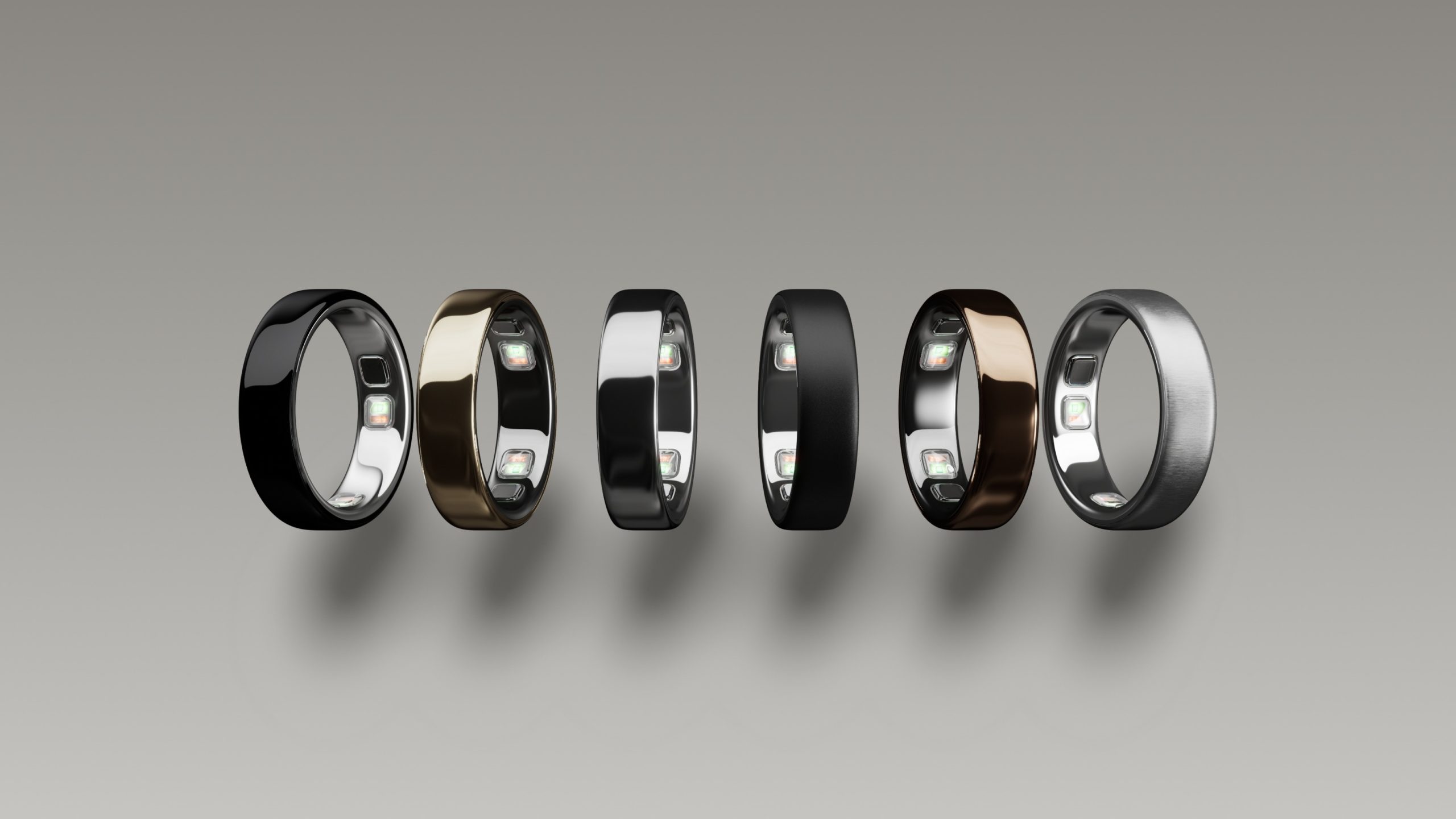
The recent renewed speculation about Apple's smart ring development seems to be directly linked to the burgeoning success and widespread recognition of the Oura Ring. This Finnish-designed health technology device has become a benchmark in the smart ring market, demonstrating the significant demand for a sleek, comfortable, and powerful health tracker that deviates from the traditional smartwatch form factor.
iRing thing under development. What a surprise.
— Kosutami (@Kosutami_Ito) June 24, 2026
The original Oura Ring was first released by the Finnish health technology company Oura back in 2015. From its inception, the device carved out a niche by focusing primarily on advanced health and wellness metrics, with a particular emphasis on sleep tracking and recovery. Unlike smartwatches that bombard users with notifications, the Oura Ring operates quietly in the background, continuously collecting vital data.
The device collects a comprehensive array of activity and biometric data. This includes detailed sleep data, tracking sleep stages (light, deep, REM), sleep latency, disturbances, and overall sleep efficiency. It also monitors heart rate, heart rate variability (HRV), and respiratory rate throughout the day and night. All this information is seamlessly transmitted via Bluetooth to the intuitive Oura app on a user's smartphone, where it's presented in an easy-to-understand format, offering actionable insights into daily readiness, sleep quality, and activity levels.
Now in its fifth iteration, the latest Oura Ring has evolved considerably, becoming even more sophisticated and user-friendly. The newer versions are significantly smaller and lighter than their predecessors, enhancing comfort and wearability. More importantly, the Oura Ring 5 boasts an impressive suite of new health-monitoring capabilities. These include advanced blood pressure trend detection, offering users insights into their cardiovascular health over time. Nighttime breathing analysis has been enhanced, providing deeper understanding of respiratory patterns during sleep, which can be crucial for identifying potential health issues.
Perhaps one of the most innovative new features is its tools for GLP-1 medication tracking. GLP-1 drugs, such as Ozempic and Wegovy, are increasingly popular for managing type 2 diabetes and obesity. By integrating tracking tools for these medications, Oura is catering to a growing segment of health-conscious individuals who are actively managing their metabolic health. This positions the Oura Ring not just as a general wellness device, but as a sophisticated tool for personalized health management.
The Oura Ring's success lies in its ability to offer deep, meaningful health insights without requiring a constant interaction with a screen. Its subtle design and long battery life (typically several days on a single charge) make it a 'set it and forget it' device, appealing to those who want robust data without the digital distractions of a smartwatch. This discreet yet powerful approach has clearly caught Apple's attention, suggesting that the company sees a substantial market for a similar product within its own ecosystem.
The Growing Smart Ring Market and Key Competitors
The smart ring market is no longer a niche segment; it's a rapidly expanding frontier in wearable technology. Beyond the Oura Ring, several other players are emerging, each vying for a share of this promising landscape. The most notable upcoming competitor, and certainly one that Apple would keep a close eye on, is the Samsung Galaxy Ring.
The Samsung Galaxy Ring: A Formidable Contender
Samsung, a direct and fierce competitor to Apple across multiple product categories, has officially announced its entry into the smart ring market with the Galaxy Ring. Teased extensively and expected to launch soon, the Galaxy Ring is poised to be a major player. While full details are still emerging, Samsung's history in wearables (with its successful Galaxy Watch series) suggests a product that will be deeply integrated into its Android ecosystem and offer a robust set of features.
Speculations surrounding the Galaxy Ring indicate it will likely focus on comprehensive health and wellness tracking, similar to Oura. This would include heart rate monitoring, sleep analysis, activity tracking, and potentially more advanced metrics like body composition or stress levels. Samsung's expertise in sensor technology and its vast R&D resources mean the Galaxy Ring could introduce novel features or superior accuracy. Furthermore, its integration with the Samsung Health platform would provide a seamless experience for existing Samsung users, mirroring Apple's own ecosystem strategy.
The direct competition between Apple and Samsung in the smart ring space would be fascinating to watch. Both companies have a track record of pushing technological boundaries and have loyal customer bases. The battle for supremacy in this new form factor would likely drive innovation, benefiting consumers with more advanced features, better designs, and competitive pricing.
Other Players in the Smart Ring Arena
Beyond Oura and the upcoming Galaxy Ring, other companies are also making strides. Brands like RingConn, Ultrahuman, and Movano have introduced their own smart rings, each with slightly different focuses and price points. Some prioritize specific health metrics, while others aim for a more budget-friendly approach. This diverse market demonstrates that consumers are increasingly looking for alternatives to smartwatches, recognizing the unique advantages a ring can offer.
The expansion of the smart ring market underscores a broader trend: the desire for less intrusive, more comfortable, and continuously monitoring health devices. As technology miniaturizes, the finger emerges as an optimal location for biometric sensing, offering accuracy and convenience. Apple's entry into this market would not only validate the segment but also accelerate its growth and mainstream adoption, much like the Apple Watch did for smartwatches.
Why a Smart Ring? Unpacking the Advantages for Users
The appeal of a smart ring goes beyond mere trend following; it addresses several practical needs and preferences that smartwatches, for all their utility, sometimes miss. If Apple were to release an "iRing," it would likely capitalize on these core advantages, offering a distinct value proposition to consumers.
1. Unmatched Comfort and Discretion
Perhaps the most significant advantage of a smart ring is its form factor. It's incredibly small, lightweight, and designed to be worn effortlessly. Unlike a smartwatch, which can feel bulky or restrictive for some, especially during sleep or intense physical activity, a ring is barely noticeable. This comfort translates into better compliance for continuous tracking. Users are more likely to wear a device 24/7 if it doesn't interfere with their daily activities or sleep, leading to more comprehensive and accurate data.
Furthermore, the discretion of a smart ring is a major draw. For those who prefer not to have a screen on their wrist, or who want their tech to blend seamlessly with their style, a ring is ideal. It doesn't scream "smart device" and can easily be mistaken for a piece of regular jewelry. This makes it suitable for formal occasions, professional settings, or simply for individuals who prefer a minimalist aesthetic.
2. Superior Biometric Accuracy from the Finger
The finger is anatomically an excellent location for capturing highly accurate biometric data. It's rich in blood vessels and has relatively thin skin, allowing sensors to get a clear signal. This can lead to more precise measurements for metrics like heart rate, heart rate variability (HRV), blood oxygen saturation (SpO2), and skin temperature, especially during sleep when motion artifacts are minimized. While smartwatches have improved significantly, the continuous, close contact of a ring around the base of the finger can offer a distinct advantage for certain physiological signals.
For example, sleep tracking accuracy is paramount for smart rings. By closely monitoring subtle changes in blood flow, temperature, and movement from the finger, an "iRing" could potentially offer even more granular insights into sleep stages, recovery, and overall sleep quality, feeding directly into the comprehensive Apple Health ecosystem.
3. Extended Battery Life
Without a power-hungry screen to illuminate, smart rings typically boast significantly longer battery lives compared to smartwatches. While an Apple Watch might last 18-36 hours, an Oura Ring can last 4-7 days on a single charge. This extended battery life is a huge convenience, reducing the frequency of charging and ensuring continuous data collection, which is crucial for long-term health trend analysis and consistent sleep tracking. An "iRing" would likely inherit this advantage, making it a truly "set it and forget it" device for many users.
4. Potential for Unique Input Methods and Haptics
Apple's patents hint at possibilities beyond just health tracking. A smart ring could serve as a powerful input device, especially for controlling other Apple products. Imagine subtle gestures to control music playback on AirPods, navigate presentations on a Mac, or interact with AR/VR content via an Apple Headset. The haptic feedback capabilities could also be refined, providing discreet alerts or guiding users through interactions without needing a visual display.
5. Complementary to the Apple Watch, Not Just a Rival
While an "iRing" could appeal to those who don't want an Apple Watch, it could also serve as a complementary device for existing Apple Watch users. The ring could focus on deep, continuous background monitoring, particularly for sleep and recovery, while the Apple Watch handles active workouts, notifications, communications, and detailed on-demand metrics. This dual-device strategy would allow users to leverage the strengths of both form factors, providing an even more holistic view of their health within the Apple ecosystem.
These advantages present a compelling case for Apple's entry into the smart ring market. An "iRing" could appeal to a broad demographic, from fashion-conscious individuals to dedicated health enthusiasts seeking the most accurate and unobtrusive tracking available.
Speculating on Potential "iRing" Features and Ecosystem Integration
If Apple were to launch an "iRing," it's almost certain to be a product deeply integrated into the existing Apple ecosystem, leveraging the company's strengths in software, services, and hardware synergy. Drawing from patents, existing Apple products, and current smart ring trends, we can speculate on some key features and integrations.
1. Deep Integration with Apple Health
This is a given. The "iRing" would seamlessly feed all its collected biometric data – heart rate, HRV, skin temperature, SpO2, sleep stages, activity levels, and potentially more – directly into the Apple Health app. This would create a unified, comprehensive health dashboard, allowing users to track long-term trends, share data with healthcare providers (with consent), and gain deeper insights into their well-being. It could also contribute to metrics like "Readiness" or "Recovery" scores, similar to what Oura offers, but within Apple's own framework.
2. Advanced Biometric Sensors
Apple is known for pushing the boundaries of sensor technology. An "iRing" could feature:
- Highly accurate Heart Rate and HRV: Leveraging the finger's prime position for cardiovascular data.
- Blood Oxygen (SpO2) Monitoring: Essential for sleep apnea detection and overall respiratory health.
- Skin Temperature Sensing: Valuable for illness detection, menstrual cycle tracking (as seen in Apple Watch Series 8 and later), and sleep quality assessment.
- Improved Sleep Tracking: Going beyond basic stages to analyze micro-awakenings, breathing patterns, and environmental factors affecting sleep.
- Potential Future Sensors: While speculative, Apple is always researching. Non-invasive blood glucose monitoring remains the holy grail, and while unlikely in an initial "iRing," patents often hint at future ambitions.
3. Haptic Feedback and Gesture Control
As suggested by patents, the "iRing" could incorporate Apple's renowned Taptic Engine to provide subtle, discreet haptic feedback. This could be used for silent alarms, notifications, or even as a form of directional guidance when paired with other devices. Furthermore, gesture control, allowing users to interact with other Apple devices (like AirPods, Apple TV, or an Apple Headset) through finger movements, could be a revolutionary feature, especially for accessibility and hands-free operation.
4. Apple Pay and Wallet Integration
Imagine making secure payments with a simple tap of your finger. Integrating Apple Pay into a smart ring would add unparalleled convenience for contactless transactions, making it an even more useful everyday accessory. This would align perfectly with Apple's strategy of embedding its services across all its hardware.
5. Find My Network Integration
Given its small size, losing an "iRing" could be a concern. Integrating with Apple's extensive Find My network, similar to AirPods or AirTags, would allow users to locate their lost ring easily, providing peace of mind.
6. Premium Design and Materials
Apple products are synonymous with premium design and build quality. An "iRing" would likely come in a range of sophisticated finishes and materials, possibly including titanium, ceramic, or advanced composites, to ensure durability, comfort, and a luxurious feel that rivals high-end jewelry. Customization options, perhaps with interchangeable outer shells or engraved designs, could also be a possibility.
7. Targeted User Experience
While the Apple Watch aims to be a multi-functional device for everyone, the "iRing" could be more focused. Its primary appeal might be for those prioritizing deep health insights, especially sleep and recovery, without the distractions of a screen. It could also target fashion-conscious users, athletes who prefer minimal wristwear, or those who simply find the Apple Watch too intrusive.
The combination of Apple's design prowess, software ecosystem, and sensor expertise could make an "iRing" a truly compelling product, offering a unique blend of style, comfort, and advanced health tracking that stands out in the growing smart ring market.
Challenges and Considerations for Apple
While the prospect of an Apple "iRing" is exciting, the company would undoubtedly face several significant challenges in bringing such a product to market. Overcoming these hurdles would be crucial for its success.
1. Miniaturization and Sensor Integration
Fitting advanced sensors, a battery, a processor, and communication modules (Bluetooth, NFC) into a tiny ring form factor is an immense engineering challenge. The smaller the device, the more difficult it is to dissipate heat, maintain signal integrity, and ensure reliable performance. Apple would need to innovate significantly in micro-electronics and battery technology to achieve its characteristic blend of power and compact design.
2. Battery Life vs. Features
Smart ring users have come to expect multi-day battery life, a distinct advantage over smartwatches. If Apple loads the "iRing" with too many features requiring constant processing or wireless communication, it could compromise this key selling point. Finding the right balance between comprehensive tracking and extended battery endurance will be critical.
3. Differentiating from the Apple Watch
Perhaps the most significant strategic challenge is how to position the "iRing" relative to the hugely successful Apple Watch. Apple needs to ensure that the ring offers a distinct value proposition that doesn't cannibalize Watch sales but rather expands its total addressable market. This could involve focusing the "iRing" primarily on continuous, passive monitoring (especially sleep and recovery) and discreet interactions, while the Watch remains the hub for active notifications, communications, and detailed real-time data.
4. Sizing and Fit
Rings require precise sizing. Apple would need an effective and user-friendly system for customers to determine their correct ring size, possibly involving sizing kits or innovative retail solutions. An improper fit could compromise sensor accuracy and user comfort, leading to dissatisfaction.
5. Pricing Strategy
The Oura Ring commands a premium price point (starting at $399 for the latest model), reflecting its advanced technology and health focus. Apple's "iRing" would likely be positioned as a premium product as well. Determining a price that reflects its value, covers R&D costs, and remains competitive with rivals while not being prohibitively expensive will be a delicate balancing act.
6. Durability and Water Resistance
As a device worn constantly on the finger, the "iRing" would need to be extremely durable, resistant to scratches, bumps, and fully waterproof to withstand daily activities like hand washing, showering, and swimming. Apple's expertise in using robust materials and sealing techniques would be put to the test.
7. Regulatory Approvals
If the "iRing" includes advanced health features, particularly those with diagnostic or medical implications (e.g., blood pressure trend detection), it might require regulatory clearances from health authorities in various countries, adding complexity and time to its development and launch cycle.
Despite these challenges, Apple's track record suggests that if it commits to a product category, it often finds innovative ways to overcome technical hurdles and deliver a polished, user-friendly experience. The "iRing" would be no exception, requiring significant investment and strategic foresight to succeed.
The Future of Wearables: Where Does a Smart Ring Fit In?
The emergence of smart rings, and particularly Apple's potential entry into this space, signals a significant shift in the broader wearables market. The trend is moving towards more seamless, less obtrusive technology that integrates effortlessly into our lives, providing valuable data without demanding constant attention.
For years, the smartwatch has been the dominant wearable. It evolved from a notification hub to a powerful health and fitness companion, integrating payment, communication, and various apps onto the wrist. However, its limitations in terms of battery life, screen dependence, and sometimes bulky form factor have opened the door for alternative form factors.
Smart rings represent the next evolution in personal monitoring, epitomizing the concept of "ambient intelligence." These devices work in the background, continuously collecting data and providing insights when needed, rather than constantly vying for user interaction. This shift aligns with a growing desire for technology that serves us passively, enhancing our well-being without becoming a source of distraction.
An Apple "iRing" would solidify this trend. It would validate the smart ring as a mainstream category, much like the Apple Watch did for smartwatches and AirPods did for wireless earbuds. Its presence would likely accelerate innovation across the industry, pushing competitors to develop even more advanced, comfortable, and intelligent ring devices.
Furthermore, the "iRing" could play a crucial role in creating an even more interconnected Apple ecosystem. Imagine a scenario where your Apple Watch handles your active day, providing real-time workout metrics and notifications, while your "iRing" meticulously tracks your sleep, recovery, and subtle physiological changes overnight. Both devices would feed into Apple Health, offering a truly holistic view of your health and suggesting personalized interventions.
This multi-device strategy could cater to a wider array of user preferences and needs. Some might prefer just the ring, others just the watch, and a growing segment might choose to wear both, leveraging the unique strengths of each. The future of wearables might not be about a single device doing everything, but rather a suite of specialized, interconnected gadgets working together seamlessly to provide a comprehensive and personalized health and lifestyle experience.
The "iRing" could be a pivotal piece in Apple's long-term vision for health technology, pushing the boundaries of what's possible in a tiny, elegant package. It represents a commitment to exploring new form factors that enhance user experience and deliver deeper, more comfortable health insights, further cementing Apple's position as a leader in wearable innovation.
Conclusion: Is the "iRing" Finally Becoming a Reality?
The re-emergence of rumors surrounding an Apple smart ring, particularly in the context of the Oura Ring's significant popularity and the impending launch of the Samsung Galaxy Ring, suggests that Apple's long-standing interest in this form factor might finally be translating into concrete development. While details remain sparse, the groundwork laid by years of patent filings and previous internal discussions indicates that the concept of an "iRing" is not new to Cupertino.
A potential Apple smart ring presents a compelling proposition. It could offer a discreet, comfortable, and highly accurate alternative or complement to the Apple Watch, appealing to a segment of users who prioritize subtlety, extended battery life, and continuous, passive health monitoring, especially for crucial aspects like sleep and recovery. Leveraging Apple's prowess in design, sensor technology, and ecosystem integration, an "iRing" could seamlessly feed into the Apple Health platform, offering deep insights and potentially introducing innovative control methods for other Apple devices.
The challenges of miniaturization, battery life optimization, and strategic positioning against the Apple Watch are significant. However, Apple's history is replete with examples of overcoming such hurdles to deliver groundbreaking products that define new categories. The success of the Oura Ring has unequivocally demonstrated a robust market demand for sophisticated, finger-worn health trackers. This market validation, combined with direct competition from Samsung, provides a strong impetus for Apple to accelerate its plans.
Whether this latest rumor from Kosutami proves to be the definitive signal of an impending launch or merely another chapter in Apple's ongoing research, one thing is clear: the smart ring is no longer a fringe idea. It's a rapidly maturing segment of the wearables market, and Apple, with its legacy of innovation, is perfectly positioned to make a profound impact. The prospect of an "iRing" joining the Apple family is an exciting thought, promising to redefine how we interact with our health data and integrate technology into our daily lives with unprecedented subtlety.
Would you be interested in an "iRing" as an alternative to or a companion for your Apple Watch? What features would be most important to you? Let us know in the comments below.
This article, "Apple 'iRing' Rumor Re-Emerges Amid Oura Ring Popularity" first appeared on MacRumors.com
Discuss this article in our forums
from MacRumors
-via DynaSage
