
MacBook Neo 2 Could Feature Touchscreen
Apple's MacBook Neo: A Touchscreen Future and Affordable Power
The tech world is buzzing with excitement and speculation surrounding Apple's latest ventures into the laptop market. At the forefront of these discussions is the new MacBook Neo, an innovative entry-level device designed to make the Mac experience more accessible than ever before. But the conversation doesn't stop with the currently announced model; leading analyst Ming-Chi Kuo has already hinted at a groundbreaking future for its successor, the second-generation MacBook Neo, which is projected to launch in 2027 and could introduce a feature long requested by many: a touchscreen.
This potential shift marks a significant evolution in Apple's approach to its iconic Mac lineup, traditionally resistant to touch interfaces. The move suggests a strategic pivot, aiming to meet evolving user expectations and compete more directly in a market where touch-enabled laptops are increasingly common. This article delves into the details of the first-generation MacBook Neo, explores the exciting prospects of its touchscreen-equipped successor, and examines what these developments mean for the future of Apple's computing ecosystem.
The Dawn of the MacBook Neo: Redefining Entry-Level Macs
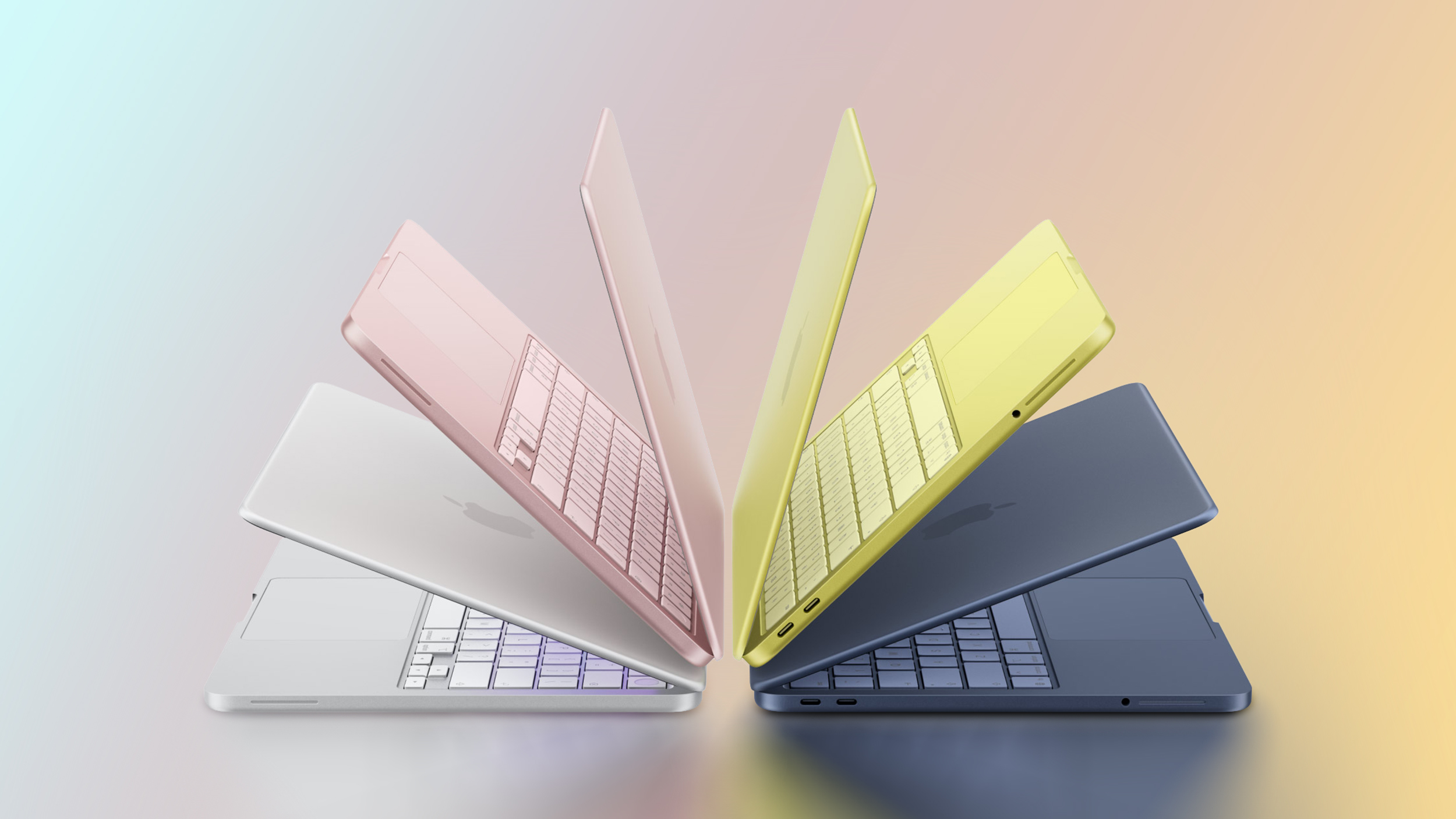
Apple recently unveiled the MacBook Neo, an entirely new addition to its laptop family. This isn't just another incremental update; it's a strategic entry-level laptop aimed squarely at a broader audience. Priced competitively starting at $599, with an even more attractive education pricing of $499, the MacBook Neo is designed to directly challenge the dominance of lower-cost Windows laptops and popular Chromebooks. For years, there has been a significant gap in Apple's Mac lineup for truly budget-friendly options, and the MacBook Neo finally fills that void, making the quality and experience of macOS available to a much wider demographic.
Targeting a Broader Audience
The pricing strategy behind the MacBook Neo is crucial. At $599, it positions itself as an incredibly appealing option for students, families, and users who need a reliable, high-performance laptop for everyday tasks without breaking the bank. The educational discount further solidifies its appeal to schools and university students, offering a powerful tool for learning and creativity at an unprecedented price point for an Apple laptop. This move acknowledges the growing demand for affordable yet capable devices, a segment of the market where Apple has historically had less presence.
By offering a Mac at this price, Apple aims to capture users who might otherwise gravitate towards less expensive alternatives. It represents an opportunity for many to experience the seamless integration, robust security, and intuitive user interface of macOS for the first time, potentially converting them into long-term Apple ecosystem users. This strategy is not just about selling a laptop; it's about expanding the reach and influence of the entire Apple platform.
Distinctive Features and Design Philosophy
Unlike every other Apple silicon Mac currently available, the MacBook Neo takes an unconventional path by being powered by the A18 Pro chip. This powerful processor was originally developed for the iPhone 16 Pro, marking a unique cross-pollination of technology within Apple's product lines. The decision to use an iPhone chip in a Mac underscores Apple's incredible versatility with its custom silicon, demonstrating that these chips can be adapted to deliver exceptional performance and efficiency across different device categories. For the MacBook Neo, this means a snappy, responsive experience for web browsing, productivity apps, media consumption, and even light creative tasks, all while maintaining excellent battery life.
Beyond its internal components, the MacBook Neo boasts a colorful, rounded design that harkens back to some of Apple's more playful aesthetics from earlier eras. This design choice sets it apart from the more industrial and uniform look of the MacBook Air and MacBook Pro lines, appealing to a younger, more vibrant demographic. The 13-inch Liquid Retina display offers crisp visuals and features uniform iPad-style bezels, a refreshing departure from the controversial notch found on other MacBook models. This design choice contributes to a clean, uninterrupted viewing experience, emphasizing the device's focus on accessibility and user comfort.
The attention to detail extends to the input devices as well. The MacBook Neo comes with a color-matched Magic Keyboard, known for its comfortable and precise typing experience, and a mechanical trackpad that offers responsive and accurate navigation. Connectivity includes two versatile USB-C ports, providing options for charging, data transfer, and connecting external displays or peripherals. A traditional headphone jack is also included, a welcome feature for those who prefer wired audio solutions. With 8GB of memory, the MacBook Neo is well-equipped for everyday multitasking, handling web browsers with multiple tabs, word processing, and streaming services with ease. A sharp 1080p camera, dual microphones, and dual speakers with Spatial Audio ensure clear video calls and an immersive audio experience, making it perfect for remote learning, virtual meetings, and entertainment. And for those on the go, the impressive 16-hour battery life means users can work, study, or play throughout the day without constantly searching for an outlet.
The Touchscreen Evolution: A New Era for Apple Laptops
For many years, Apple maintained a clear distinction between its touch-first devices (iPhone, iPad) and its mouse/trackpad-driven Macs. Steve Jobs famously dismissed touchscreens on laptops as "ergonomically terrible," and even Tim Cook echoed similar sentiments, suggesting that combining the two would lead to a compromised experience. However, the tech landscape is constantly evolving, and user expectations along with it. The success of the iPad as a computing device, increasingly blurring the lines between tablet and laptop, coupled with the widespread adoption of touchscreens in competitor laptops, has inevitably pushed Apple to reconsider its stance.
This re-evaluation is already underway. In a significant development, Apple's first touchscreen Mac is anticipated to launch later this year. This device is expected to be a new, high-end MacBook Pro featuring an advanced OLED display and a fresh design. This initial foray into touch-enabled Macs, likely targeting professional users who could benefit from new input methods for creative work, will serve as a crucial testbed. Its success will undoubtedly pave the way for broader adoption across the Mac lineup, including potentially more affordable options like the MacBook Neo.
Ming-Chi Kuo's Insight: A Glimpse into the Future
Apple analyst Ming-Chi Kuo, renowned for his accurate predictions regarding Apple's product roadmap, provided key insights into the MacBook Neo's development. In a report shared last year, Kuo correctly stated that the MacBook Neo would enter mass production in the fourth quarter of 2025, which has now been validated by its announcement. Crucially, he also indicated that the first-generation model would not feature a touchscreen, aligning with the current product specifications. However, in the very same report, Kuo revealed some fascinating insights into the second-generation version of the device, specifically pointing towards a touchscreen.
According to Kuo, the second-generation MacBook Neo may feature a touchscreen, an announcement that has sent ripples of anticipation through the tech community. This prediction is not merely speculative; it's grounded in the broader trajectory of Apple's hardware development and software readiness. The expected launch of the high-end MacBook Pro with an OLED display and touch capabilities earlier in the year will establish a precedent and provide valuable user feedback, refining the technology and user experience for subsequent models.
The Technology Behind Touch: On-Cell Integration
The device is specifically said to incorporate a touch panel that uses on-cell touch technology. This is a sophisticated display manufacturing technique that integrates the touch sensors directly into the display panel's top layer, often referred to as the "cell." Unlike older methods that required a separate, dedicated touch layer glued on top of the display, on-cell technology offers several key advantages. Primarily, it significantly reduces the overall thickness of the display assembly, leading to thinner and lighter devices. This integration also contributes to better optical performance, as there are fewer layers for light to pass through, potentially resulting in brighter displays, better contrast, and more accurate color reproduction. For a laptop like the MacBook Neo, where portability and sleek design are paramount, on-cell touch technology is an ideal choice, enabling touch functionality without compromising the device's form factor or display quality.
macOS and the Touch Experience
A touchscreen Mac isn't just about hardware; it requires a fundamental rethinking of the software experience. Following the launch of the first touchscreen MacBook Pro and the expected adoption of touch support in macOS 27, it would make perfect sense for other MacBooks to follow suit. macOS, traditionally optimized for mouse and trackpad input, would need significant adaptations to fully embrace touch gestures and interactions. This could involve larger touch targets, revised menu structures, new multi-touch gestures, and perhaps even a dynamic interface that subtly changes when touch is detected. Developers would also need to update their applications to support these new input methods, ensuring a cohesive and intuitive user experience across the entire Mac app ecosystem. The transition won't be immediate, but Apple's methodical approach ensures that when touch comes to the Mac, it will be a thoughtfully integrated and polished experience, rather than an afterthought.
Competition and the Shifting Landscape
The introduction of the MacBook Neo, and the prospect of a touchscreen in its second generation, highlights Apple's responsiveness to the broader laptop market. Many other laptop manufacturers, including industry giants like HP, Lenovo, Acer, and ASUS, have for years offered a wide array of laptops with touchscreens, often at various price points. These devices, some of which directly rival the MacBook Neo in terms of cost and target audience, have set a standard for versatility. Users are increasingly accustomed to the convenience of interacting directly with their screen, whether for casual browsing, light drawing, or simply navigating an interface more intuitively.
By entering this space, Apple isn't just catching up; it's doing so with the distinct advantages of its Apple Silicon chips and the integrated macOS ecosystem. While competitors offer touch, Apple can potentially deliver a more refined and consistent touch experience, especially as macOS evolves to fully embrace it. The MacBook Neo's combination of the powerful A18 Pro chip, long battery life, premium build quality, and competitive price already makes it a compelling alternative to many Windows and Chromebook options. Adding a touchscreen in the next iteration would simply amplify its appeal, further blurring the lines between traditional laptops and more versatile tablet-like devices.
Looking Ahead: The Second-Generation MacBook Neo
As of September 2025, while the first-generation MacBook Neo was gearing up for mass production, specifications for its successor were already under active discussion, according to Kuo. This indicates that Apple plans a rapid and aggressive evolution for its new entry-level line. While the touchscreen is the headline feature, other significant upgrades are highly likely for the second-generation MacBook Neo to maintain its competitive edge and cater to evolving performance demands.
Anticipated Performance Boosts
A faster chip is almost a certainty. The move from the A18 Pro to an A19 Pro, potentially with increased core counts and improved neural engine performance, would provide a substantial boost. This upgrade would allow the MacBook Neo 2 to handle more demanding applications, facilitate smoother multitasking, and deliver even better performance for tasks like video editing, casual gaming, and advanced machine learning features within macOS. Furthermore, an increase in standard memory to 12GB is also highly probable. While 8GB is adequate for many entry-level tasks, 12GB would significantly enhance the laptop's ability to run multiple applications simultaneously, handle larger files, and future-proof the device for upcoming software updates and more memory-intensive workflows. These internal enhancements would ensure the MacBook Neo remains a powerful and efficient machine, even as software requirements grow over time.
Beyond Performance: Other Potential Enhancements
Beyond the core processor and memory, the second-generation MacBook Neo could see improvements in other areas. We might anticipate faster storage options, potentially offering higher base capacities or more rapid data transfer speeds. Enhancements to the Liquid Retina display, even without a major technological shift like OLED, could include increased brightness, better color accuracy, or ProMotion-like adaptive refresh rates (though this is more speculative for an entry-level device). Connectivity could also see an upgrade, with the inclusion of newer Wi-Fi standards like Wi-Fi 7 for even faster and more reliable wireless performance. Design refinements, perhaps thinner bezels or new color options, are also par for the course in Apple's iterative product cycles. Each of these potential upgrades would contribute to a more refined, powerful, and user-friendly experience, making the MacBook Neo 2 an even more compelling offering in the affordable laptop segment.
The "Neo" Branding: Apple's Accessible Future
The strategic importance of the MacBook Neo extends beyond a single product. Bloomberg's Mark Gurman recently suggested that Apple may expand the "Neo" branding to other low-cost devices within its ecosystem. Gurman specifically mentioned the possibility of an "Apple Watch Neo," which would presumably be a more affordable version of the Apple Watch SE or a new entry point into the wearable market. This speculation points towards a larger, concerted effort by Apple to create a dedicated sub-brand for its more budget-friendly products.
Such a strategy would be transformative. Just as the "Air" line signified thinness and portability, and "Pro" denotes high performance, "Neo" could come to represent accessibility, affordability, and a fresh, modern approach to entry-level technology. An "Apple Watch Neo" would allow Apple to capture a larger share of the wearables market, making health and fitness tracking more widely available. One could even envision an "iPad Neo" or "HomePod Neo" in the future, further democratizing Apple's cutting-edge technology. This expansion would solidify Apple's commitment to reaching a broader consumer base, ensuring that the innovation and quality associated with the brand are accessible at various price points, thereby expanding its ecosystem's reach and strengthening its overall market position.
Conclusion: A New Era of Mac Accessibility and Innovation
The MacBook Neo represents a pivotal moment for Apple, signaling a clear intent to broaden its appeal and capture a larger share of the entry-level laptop market. With its competitive pricing, distinctive design, and powerful A18 Pro chip, the first-generation MacBook Neo is already a compelling option for students and budget-conscious users seeking the premium experience of macOS. However, the true excitement lies in the future, as foreshadowed by analyst Ming-Chi Kuo's predictions.
The prospect of a second-generation MacBook Neo launching in 2027 with a touchscreen capability is nothing short of revolutionary for Apple. It signifies a profound shift in the company's long-held philosophy regarding Mac interaction, driven by evolving user demands and the technological advancements in on-cell touch displays. Coupled with anticipated performance upgrades like the A19 Pro chip and increased memory, the MacBook Neo 2 promises to be an even more versatile and powerful device, blending traditional laptop productivity with intuitive touch interactions.
Furthermore, Mark Gurman's insights into the potential expansion of the "Neo" branding across other Apple product lines suggest a strategic commitment to making Apple's renowned technology more accessible than ever before. This vision of an "Apple Watch Neo" and potentially other "Neo" devices points towards a future where high-quality Apple experiences are available to a wider global audience. The MacBook Neo and its anticipated touchscreen-enabled successor are not just new products; they are harbingers of a new era for Apple, one where affordability, innovative interaction, and a broader ecosystem reach converge to redefine the landscape of personal computing.
This article, "MacBook Neo 2 Could Feature Touchscreen" first appeared on MacRumors.com
Discuss this article in our forums
from MacRumors
-via DynaSage
