
Apple Still Has More New Macs Planned for 2026
Anticipating Apple's 2026 Mac Lineup: A Deep Dive into Upcoming Innovations
Excitement is building in the tech world as Apple gears up for a series of significant Mac refreshes throughout 2026. Renowned Apple insider Mark Gurman from Bloomberg has shared exclusive insights in his latest "Power On" newsletter, detailing a robust roadmap of new machines set to redefine performance, design, and user interaction within the Mac ecosystem.
Following the already anticipated introduction of the M5 MacBook Air and M5 Pro and M5 Max MacBook Pro models, Apple is not slowing down. The company is reportedly preparing to complete its 2026 Mac lineup with a host of exciting updates across its desktop and high-end portable offerings. This comprehensive rollout underscores Apple's unwavering commitment to pushing the boundaries of personal computing, leveraging the power and efficiency of its custom silicon.
The Dawn of the M5 Era: What to Expect from Apple Silicon
At the heart of these upcoming Mac refreshes lies the next generation of Apple's groundbreaking custom silicon: the M5 chip. Building on the formidable foundations laid by the M1, M2, M3, and M4 series (the latter prominently featured in the latest iPad Pro models, hinting at its capabilities for the broader Mac lineup), the M5 is poised to deliver even greater leaps in processing power, graphical prowess, and energy efficiency. While specific benchmarks are yet to be revealed, history suggests the M5 will offer substantial improvements for a wide range of tasks, from everyday productivity to demanding professional workflows like video editing, 3D rendering, and software development.
The M5 family is expected to be diverse, featuring various configurations tailored for different machine types. Gurman's report specifically mentions M5, M5 Pro, M5 Max, and potentially M5 Ultra variants. Each tier is designed to meet the specific power and thermal requirements of its host device. The standard M5 chip, likely destined for entry-level Macs like the MacBook Air and iMac, will focus on delivering exceptional performance for mainstream users within a power-efficient package. The M5 Pro and M5 Max will scale up the core counts, memory bandwidth, and graphics capabilities, catering to professionals who demand uncompromising speed and multitasking ability in their MacBook Pro and Mac mini systems. Finally, the Ultra variant, a true powerhouse, is reserved for the most demanding machines like the Mac Studio, combining two Max chips to create a beast of a processor for intensive computational tasks.
This generational leap in Apple Silicon is not just about raw speed; it's also about enhanced Neural Engine capabilities, crucial for on-device AI and machine learning tasks that are becoming increasingly prevalent in modern software. Users can anticipate faster Siri interactions, more sophisticated photo and video editing features, and smoother performance in AI-driven applications, all while maintaining the impressive battery life that Apple Silicon Macs have become renowned for. The M5 era signifies Apple's continued dominance in designing bespoke chips that seamlessly integrate with macOS, offering an optimized, secure, and powerful computing experience.
The Workhorse Refreshed: Upgraded Mac Studio Coming Mid-2026
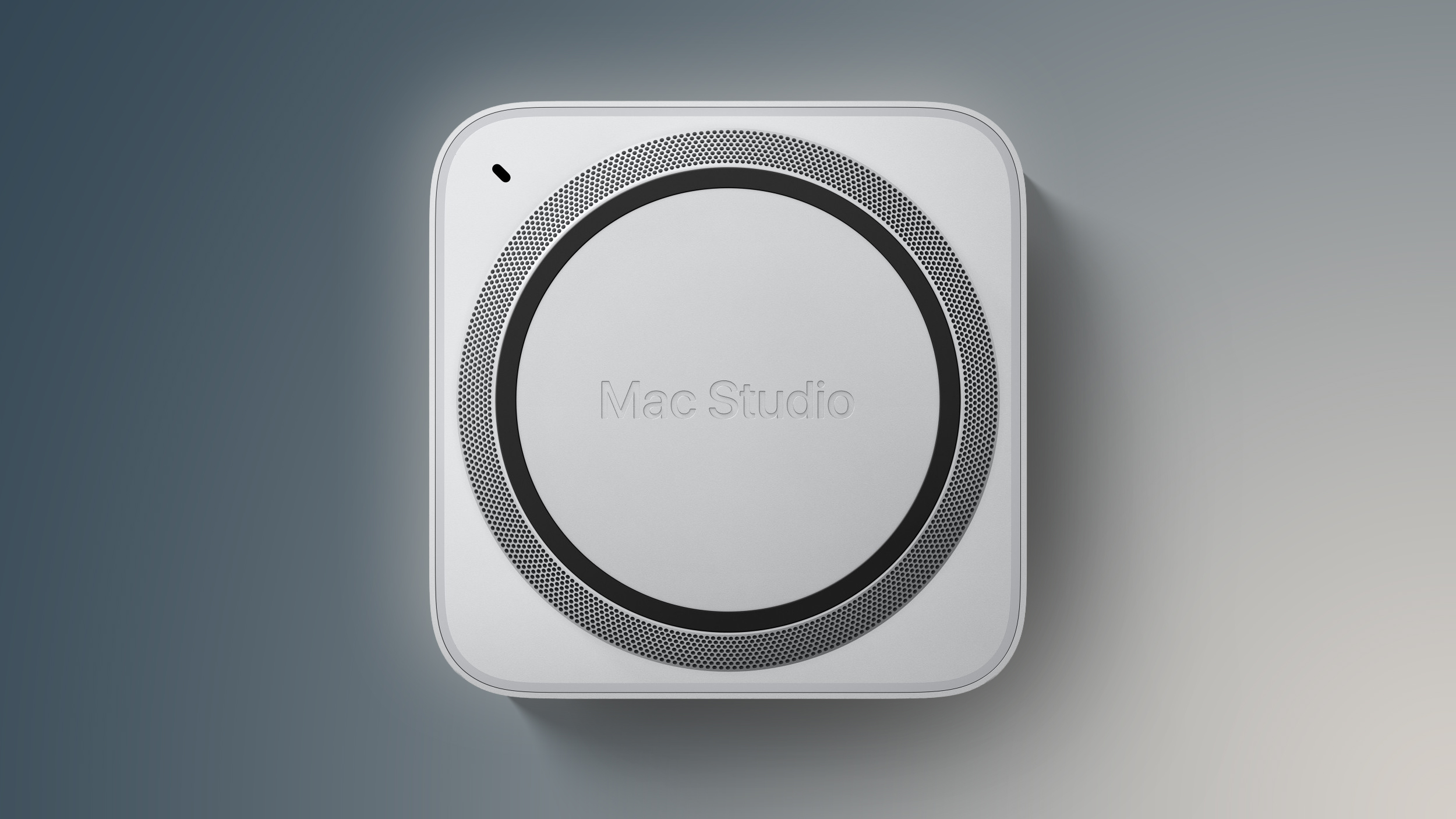
For creative professionals and power users, the Mac Studio has quickly established itself as a cornerstone of Apple's desktop lineup. Positioned squarely between the Mac mini and the Mac Pro, it offers an incredible balance of performance and relatively compact design. Gurman’s report indicates that an upgraded Mac Studio is on the horizon, expected to make its debut in the middle of 2026. This timing aligns with Apple's typical product refresh cycles for its high-end machines, ensuring that its professional user base always has access to the latest and greatest in computational power.
A key detail from Gurman is that the new Mac Studio "will look identical to the current iterations." This isn't surprising for Apple's professional desktop machines, where the focus is overwhelmingly on internal advancements rather than aesthetic changes. The existing Mac Studio design is highly functional, optimized for thermal management and connectivity. It provides ample ports for peripherals and a robust cooling system to handle the sustained workloads that professional applications demand. Maintaining this form factor allows Apple to focus its engineering efforts on what truly matters to its target audience: raw performance and efficiency.
Under the hood, the chip configurations are where the significant upgrades will occur. The new Mac Studio is "likely to feature the M5 Max chip and either an M4 or M5 Ultra chip." This particular detail suggests Apple might offer distinct performance tiers, with the M5 Max providing exceptional multi-core performance and formidable graphics capabilities, suitable for most high-end creative work. For users with the most demanding needs—tasks like complex 3D rendering, advanced scientific simulations, or processing massive datasets—the M5 Ultra, potentially combining two M5 Max dies, will deliver unparalleled computational power, pushing the boundaries of what a compact desktop workstation can achieve. While Gurman mentions a possibility of an M4 Ultra, the natural progression given the M5 Max would suggest an M5 Ultra as the primary high-end option.
The updated Mac Studio will undoubtedly become a highly coveted machine for video editors working with 8K footage, graphic designers manipulating intricate projects, software developers compiling vast codebases, and audio engineers mixing multi-track sessions. Its mid-2026 arrival signals Apple's continued dedication to empowering the creative and professional community with cutting-edge technology, ensuring that the Mac Studio remains a formidable contender in the high-performance desktop market.
A Splash of Color and Power: The 2026 iMac Update
The iMac, Apple's iconic all-in-one desktop, has always blended elegant design with powerful computing. After receiving a significant redesign and the M1 chip in its 24-inch form factor, consumers are eagerly awaiting its next iteration. Gurman’s report confirms that new iMac models are indeed on the way, following the Mac Studio refresh, and the standout feature mentioned is a "refreshed color palette." This suggests Apple is keen to rejuvenate the iMac's aesthetic appeal, building on the success of the vibrant colors introduced with the M1 model.
While Gurman only specifically mentions new colors, it’s highly probable that this refresh will also bring the M5 chip to the iMac. The iMac is "almost certain to get the M5 chip," which means a significant performance boost over the current M1-powered models. For the typical iMac user, who often uses the machine for productivity, web browsing, creative hobbies, and entertainment, the M5 will provide a snappier, more responsive experience. Apps will launch faster, multitasking will be smoother, and even demanding tasks like casual photo and video editing will feel effortless. The M5's efficiency will also ensure that the iMac maintains its silent operation, a hallmark of its fan-cooled design.
The introduction of a refreshed color palette is a strategic move by Apple. The current range of colors for the 24-inch iMac was a hit, allowing users to personalize their workspace and add a touch of personality. By updating these options, Apple can generate renewed interest and appeal to a broader demographic. We might see richer, deeper hues, or perhaps entirely new shades that align with contemporary interior design trends. This focus on aesthetic refinement, combined with the underlying power of the M5 chip, ensures the iMac remains an attractive option for home users, students, and small businesses who value both form and function.
Beyond colors and chips, it's reasonable to speculate on other potential refinements for the iMac. While not mentioned, improvements to the display (perhaps higher brightness or better anti-reflective coating), updated webcam technology, and enhanced audio systems could also be part of the package, though these would be incremental rather than revolutionary changes. The core appeal of the iMac lies in its simplicity, its stunning display, and its seamless integration into the Apple ecosystem, all of which will be further enhanced by the upcoming 2026 refresh, making it an even more compelling all-in-one computer.
Compact Powerhouse: The Mac mini Gets an M5 Boost
The Mac mini holds a unique and vital position within Apple's Mac lineup. As the most affordable entry point into the macOS ecosystem, it offers incredible versatility for a wide array of users, from those seeking a compact home computer to developers requiring a powerful yet discreet machine. Gurman's report confirms that new Mac mini models are also part of Apple's 2026 plans, arriving after the Mac Studio and alongside the iMac. Like the Mac Studio, the new Mac mini "will look identical to the current iterations," signaling that Apple is focused on internal performance upgrades for this beloved desktop.
The Mac mini's unassuming chassis belies the power it can contain, and the 2026 update will further cement this reputation. Gurman states that the new Mac mini "will probably offer M5 and M5 Pro variants." This dual-chip strategy is crucial for catering to its diverse user base. The standard M5 chip will provide a significant performance bump over previous entry-level models, making the Mac mini an even more capable machine for everyday computing, home media server tasks, and educational purposes. It will handle web browsing, office applications, and light creative work with ease, all within its incredibly small footprint.
The introduction of an M5 Pro variant is particularly exciting. This option elevates the Mac mini into a truly professional-grade desktop, capable of tackling more demanding workflows. With increased CPU and GPU cores, along with higher memory bandwidth, the M5 Pro Mac mini will appeal strongly to software developers, graphic designers, and even video editors who need a powerful machine but prefer the flexibility of choosing their own display and peripherals. It's a testament to Apple's chip design that such power can be packed into a chassis that measures just 7.7 inches square and 1.4 inches tall, making it an ideal choice for space-constrained setups or for those who prefer a minimalist desk.
The Mac mini's enduring appeal also comes from its role as a flexible computing hub. It can serve as a potent media center connected to a living room TV, a robust server for a small business, or an efficient development machine. The M5 and M5 Pro variants will enhance these capabilities, ensuring that the Mac mini remains a compelling and cost-effective option for anyone looking for a powerful Mac without the integrated display of an iMac or the extreme power of a Mac Studio or Mac Pro. Its continuous evolution showcases Apple's commitment to offering a versatile range of desktop solutions.
A Glimpse into the Future: The "MacBook Ultra" with Touchscreen and OLED
Perhaps the most groundbreaking and eagerly anticipated announcement from Gurman's report concerns a brand-new, high-end MacBook, potentially named the "MacBook Ultra." This machine is not just another iterative update; it promises to introduce two truly revolutionary features to the Mac lineup: the Mac's first-ever touchscreen and an advanced OLED display. Expected to arrive "around the end of the year," the MacBook Ultra could redefine what a premium Apple laptop is capable of, bridging the gap between the traditional Mac experience and the intuitive touch-first interaction of the iPad.
The inclusion of a **touchscreen** on a Mac represents a monumental shift in Apple's long-held philosophy. For years, Apple executives, including Steve Jobs, expressed skepticism about touch interfaces on laptops, citing ergonomic concerns and the belief that macOS was not designed for direct touch input. However, with the evolution of macOS and the refinement of touch technology, it appears Apple is ready to embrace this functionality. A touchscreen Mac could open up entirely new ways of interacting with creative applications, navigating the interface, and collaborating. Imagine directly manipulating designs in Photoshop, making precise annotations on documents, or playing games with touch controls – all without leaving the macOS environment. The challenge for Apple will be to implement touch in a way that feels natural and enhances productivity, rather than being a mere gimmick. This could involve software optimizations within macOS to improve touch targets and gestures, as well as a robust hinge design that allows for comfortable touch interaction, perhaps even in a tablet-like mode or with varying display angles, ensuring it complements the traditional keyboard and trackpad experience.
Alongside the touchscreen, the "MacBook Ultra" is set to feature an **OLED display**. This upgrade alone would be a significant enhancement for any MacBook. OLED technology offers unparalleled advantages over traditional LCD and even Apple's current Mini-LED Liquid Retina XDR displays. Users can expect perfect blacks, infinitely high contrast ratios, incredibly vibrant colors, and faster response times, making content consumption and creation a truly immersive experience. From watching HDR movies to color-grading video footage, the visual fidelity of an OLED screen is second to none. Furthermore, OLED panels can be thinner and more power-efficient than their counterparts, potentially contributing to a slimmer design and improved battery life for the MacBook Ultra, even with the added power of a high-end M-series chip. The superior display quality will be particularly beneficial for creative professionals who rely on accurate color representation and dynamic range in their work.
The "MacBook Ultra" moniker itself suggests a machine positioned above the current MacBook Pro line, perhaps similar to how the Apple Watch Ultra elevates beyond the standard Apple Watch. This could imply not only these groundbreaking display and input technologies but also further enhancements in build materials (perhaps titanium, like the iPhone Pro Max and Apple Watch Ultra), advanced cooling systems to support sustained maximum performance from its M5 Max or M5 Ultra chip, and potentially even longer battery life. It might target a niche of ultra-premium users who demand the absolute best in every aspect of their portable computing experience, including innovative interaction methods and uncompromised visual quality, making it the ultimate tool for mobile creators and innovators.
The arrival of a MacBook with a touchscreen and OLED display would not only fulfill a long-standing request from many users but also send a clear signal about Apple's vision for the future of the laptop. It would represent a bold step in hardware innovation, challenging rivals and potentially setting a new industry standard for high-end portable computers. As we approach the end of 2026, all eyes will undoubtedly be on this potentially revolutionary "MacBook Ultra," eager to see how Apple integrates these transformative technologies into its iconic laptop line.
Apple's Comprehensive Mac Strategy for 2026
The detailed roadmap unveiled by Mark Gurman paints a clear picture of Apple's comprehensive strategy for its Mac lineup in 2026. This isn't just a series of isolated updates; it's a carefully orchestrated plan to imbue nearly every Mac category with the latest Apple Silicon, fresh designs where appropriate, and groundbreaking new features that collectively strengthen the entire ecosystem. From the accessible Mac mini to the professional-grade Mac Studio, and the consumer-friendly iMac, all the way up to a potentially revolutionary "MacBook Ultra," Apple is ensuring that there's a compelling Mac for every type of user and every conceivable workflow.
The consistency of the M5 chip across the range is a testament to Apple's confidence in its custom silicon. By designing its own processors, Apple maintains tight control over performance, power efficiency, and software integration, leading to a superior user experience. This strategy allows Apple to tailor chips precisely to the needs of each machine, ensuring that an iMac user gets optimal performance for everyday tasks, while a Mac Studio user benefits from an architecture designed for sustained, heavy computational loads. This vertical integration is a core competitive advantage for Apple, distinguishing its products in a crowded market.
Gurman's reports consistently offer invaluable insights into Apple's future plans, often proving remarkably accurate. His "Power On" newsletter has become a crucial source for understanding the trajectory of Apple's hardware development. The details shared regarding the 2026 Mac lineup highlight not just iterative improvements but also significant leaps, especially with the rumored "MacBook Ultra" and its touchscreen and OLED display. Such a move would indicate Apple is willing to evolve its core product lines in response to technological advancements and changing user expectations, even if it means revisiting long-held design principles. This forward-thinking approach keeps Apple at the forefront of the personal computing industry, constantly pushing the boundaries of what is possible.
For consumers and professionals alike, the complete 2026 lineup signifies a period of exciting innovation and choice. Whether someone is looking for an affordable entry point, a powerful all-in-one, a compact powerhouse, or the ultimate portable workstation, Apple appears poised to deliver cutting-edge technology. These updates will not only offer faster and more capable machines but also introduce new ways to interact with macOS, potentially making computing more intuitive and immersive than ever before. It reaffirms Apple's commitment to the Mac as a vibrant and essential part of its product ecosystem, promising a bright future for its desktop and laptop computers and ensuring the platform remains highly competitive and appealing.
As we move through 2026, the anticipation for these new Mac models will only grow. Apple continues to prove its dedication to the Mac, pushing boundaries with each new generation of Apple Silicon and now, with potentially groundbreaking features like touchscreens and OLED displays on its laptops. Keep an eye out for official announcements and prepare for an exciting year of Mac innovation.
What are you most excited to see in Apple's 2026 Mac lineup? Share your thoughts!

Related Content and Resources:
Roundups: iMac, Mac Studio, Mac mini
Tags: Bloomberg, Mark Gurman
Buyer's Guide Status: iMac (Don't Buy), Mac Studio (Caution), Mac Mini (Caution)
Related Forums: iMac, Mac Studio, Mac mini
This article, "Apple Still Has More New Macs Planned for 2026" first appeared on MacRumors.com
Discuss this article in our forums
from MacRumors
-via DynaSage
