
Apple Reportedly Cuts iPhone 18 Pro Orders After Price Hike Dampens Demand
Apple has reportedly asked several key component suppliers to cut production for its flagship smartphone line following softer demand caused by higher retail pricing. Recent adjustments to iPhone 18 Pro orders highlight how rising component costs, particularly memory chips, are directly affecting consumer buying habits and tech supply chains.
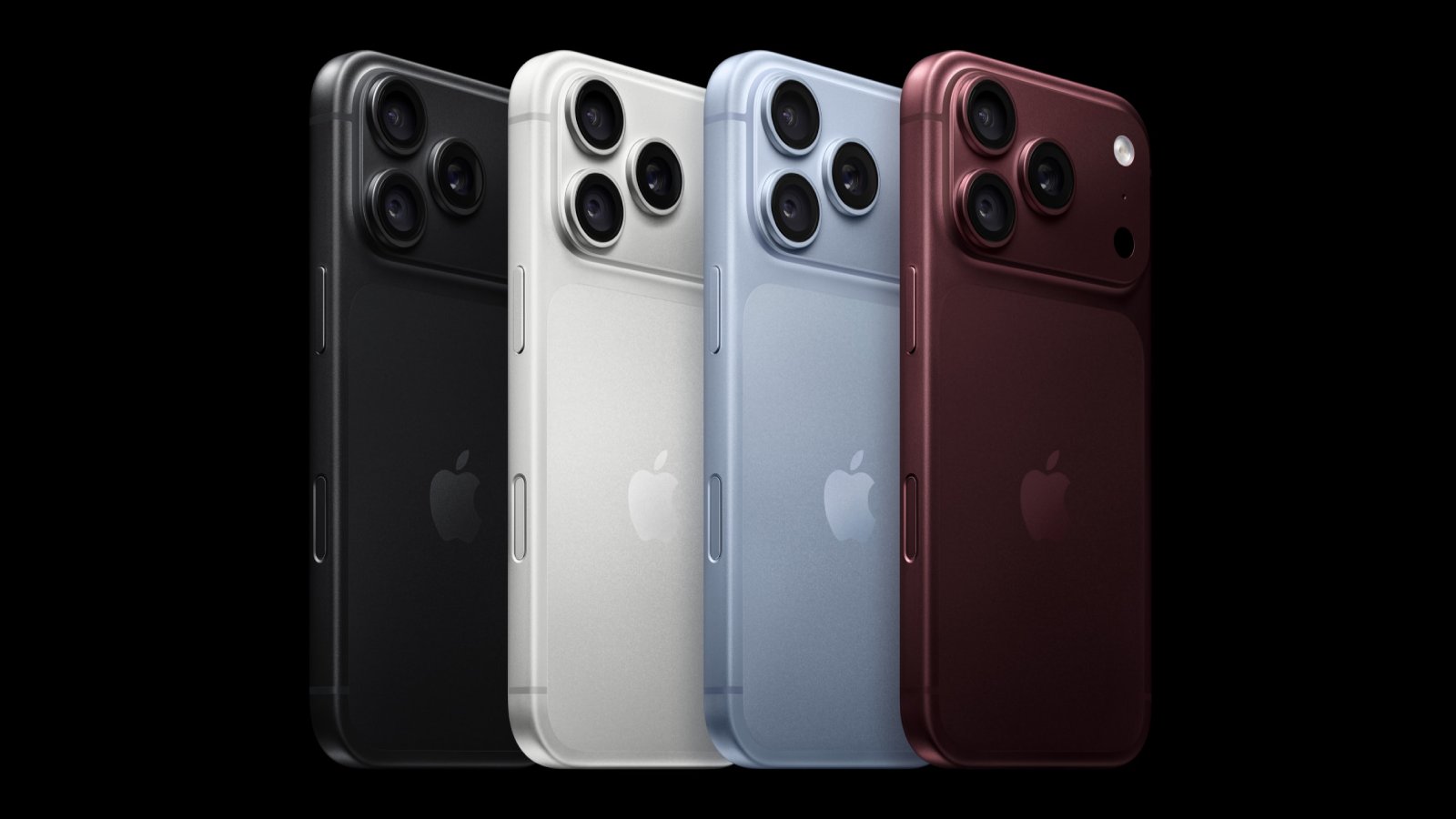
Why Is Apple Cutting iPhone 18 Pro Orders?
According to a industry report by Nikkei Asia, Apple has begun scaling back its manufacturing requests. The company has instructed suppliers to cut component orders for October by at least 15 percent compared to its initial forecast.
Sources familiar with the matter revealed that Apple adopted a more cautious stance regarding device shipments starting in early September. The primary catalyst behind this conservative outlook is the soaring market cost of memory components, which forced higher retail prices onto consumers.
When manufacturing costs rise unexpectedly, tech companies often face tough choices regarding production volume. Rather than accumulating excess inventory during a period of lower consumer interest, Apple chose to trim its supplier orders to match actual market demand more closely.
How Do Higher Prices Impact iPhone 18 Pro Demand?
Pricing plays a pivotal role in consumer purchasing decisions, especially for premium smartphones. The current lineup features noticeable price hikes compared to previous generations, which appears to be dampening consumer enthusiasm.
The standard iPhone 18 Pro starts at $1,199, while the larger iPhone 18 Pro Max carries a starting price tag of $1,299. Both price points represent a $100 increase over the models they replace in Apple's smartphone lineup.
Apple has publicly blamed the rising price of memory chips driven by AI market demands for these adjustments. These industry-wide cost pressures have affected multiple product categories across Apple's portfolio.
In addition to the flagship phone series, Apple has adjusted prices across several hardware categories. Consumers have seen price ticks on MacBooks, iPads, iPhone 16 and 17 models, as well as other products in recent months.
What Is Apple's Split Launch Strategy?
Beyond price sensitivity, market analysts point out that non-traditional release timelines may also contribute to softer fall sales. Apple appears to be shifting away from its long-standing habit of launching all new smartphone models simultaneously each autumn.
Industry reports from Nikkei indicate that Apple is adopting a new split launch strategy for the 18-series family. Instead of debuting every model at once, Apple is splitting the rollout across two separate release windows.
Under this revised schedule, the premium Pro devices take center stage first. The standard baseline iPhone 18, the entry-level iPhone 18e, and the ultra-thin iPhone Air 2 are slated to arrive later in the spring of 2027.
This staggered release model shifts how consumers evaluate their buying options. Some potential customers may be waiting for the spring release of alternative models rather than upgrading immediately to the pricier Pro tier.
How Memory Costs Impacted iPhone 18 Pro Specifications
Rising component expenses do not just alter retail price tags; they can also force changes in hardware specifications during the product design phase. Memory costs in particular have exerted heavy pressure on hardware decisions.
The flagship iPhone 18 Pro models ship equipped with 12GB of RAM. This provides the exact same working memory capacity as the previous-generation iPhone 17 Pro and iPhone 17 Pro Max.
Prior to launch, internal plans suggested Apple intended to equip the iPhone 18 Pro lineup with 16GB of RAM. However, skyrocketing memory chip pricing likely convinced executives to maintain 12GB of RAM to keep manufacturing costs from escalating further.
Summary of Key Takeaways
- Supplier Order Reductions: Apple reduced October component orders by at least 15 percent due to softer market demand.
- Price Hike Impact: The iPhone 18 Pro ($1,199) and Pro Max ($1,299) each received a $100 price increase over previous generations.
- Memory Cost Pressures: Increasing costs for AI-related memory chips forced price adjustments across iPhones, MacBooks, and iPads.
- Staggered Launch Schedule: Standard iPhone 18, iPhone 18e, and iPhone Air 2 models are scheduled for a spring 2027 release.
- RAM Capacity Decisions: High component costs prevented an upgrade to 16GB of RAM, leaving the Pro series at 12GB.
Explore Further Resources and Discussions
To learn more about the specifications and market developments surrounding these flagship devices, check out our detailed guides and community discussions:
Explore our complete device overview on the iPhone 18 Pro roundup page, or check the current purchasing recommendations in the iPhone 18 Pro (Buy Now) buyer guide. For broader hardware discussions, visit our dedicated iPhone forum section.
This coverage is based on the original report titled Apple Reportedly Cuts iPhone 18 Pro Orders After Price Hike Dampens Demand, which first appeared on MacRumors.com. You can also join the active community thread to Discuss this article with other readers.
Final Thoughts on Apple's Production Adjustments
Managing supply chains during periods of fluctuating component costs requires rapid adaptations. By trimming supplier production requests, Apple is acting proactively to prevent excess inventory while balancing market pricing constraints. As consumer purchasing trends evolve and the split launch strategy unfolds through spring 2027, the overall trajectory of iPhone 18 Pro orders will remain a key indicator of consumer sentiment in the premium smartphone market.
from MacRumors
-via DynaSage
